Filled In Flanges Around Propeller Ring on Cowl

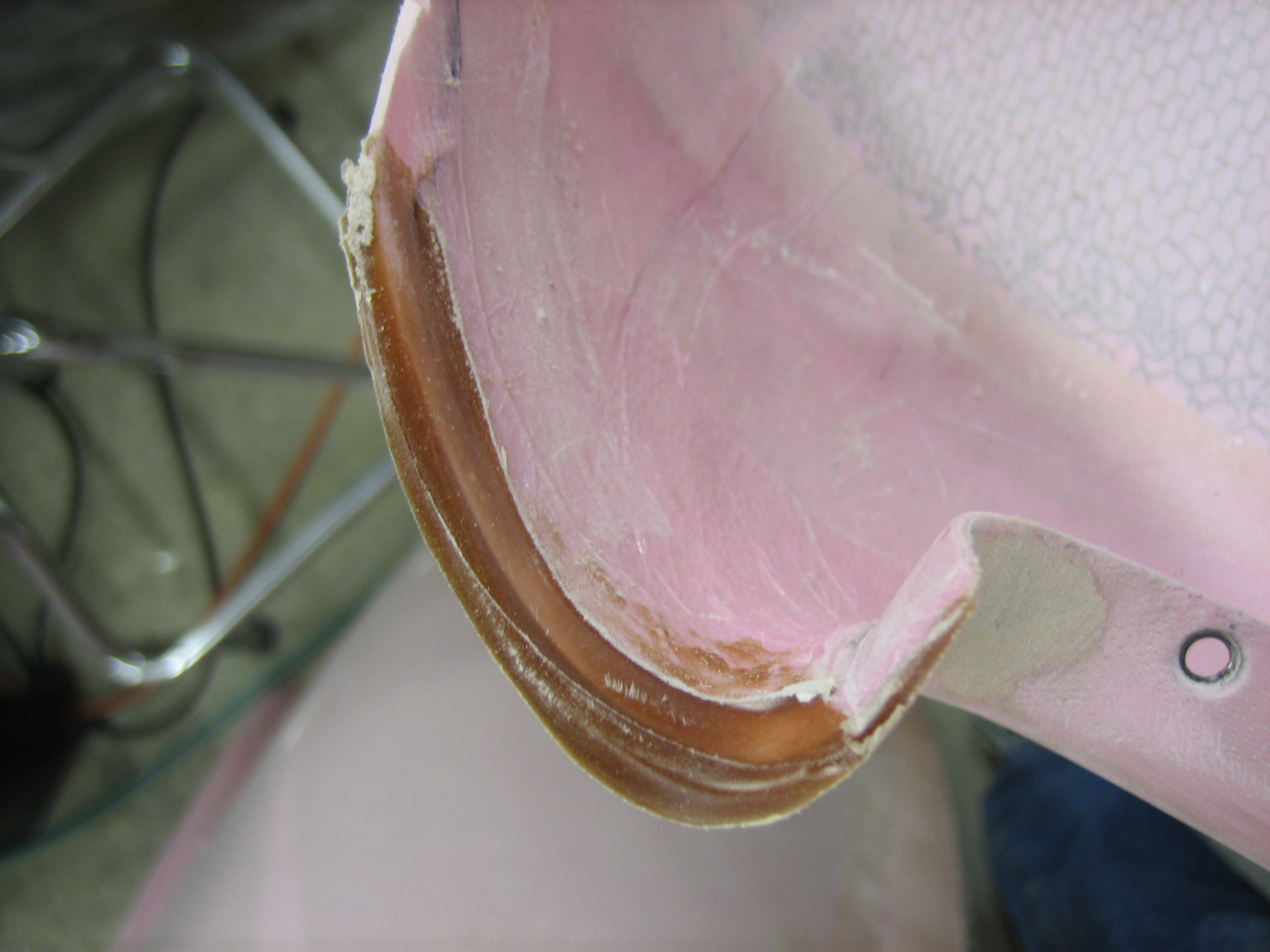
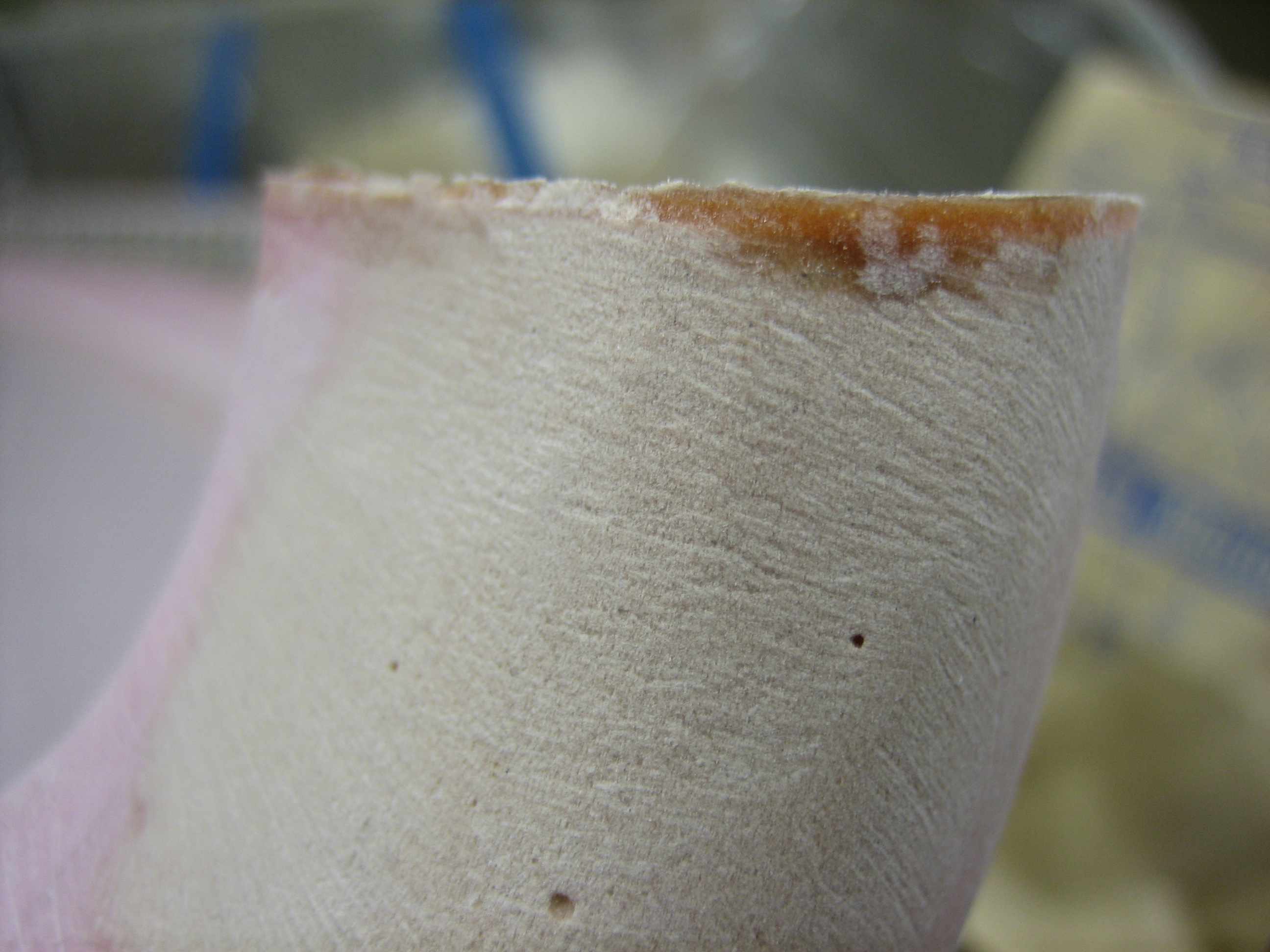
I popped the cowl apart from my filler application last night and this worked beautifully to make the flanges a perfect fit.

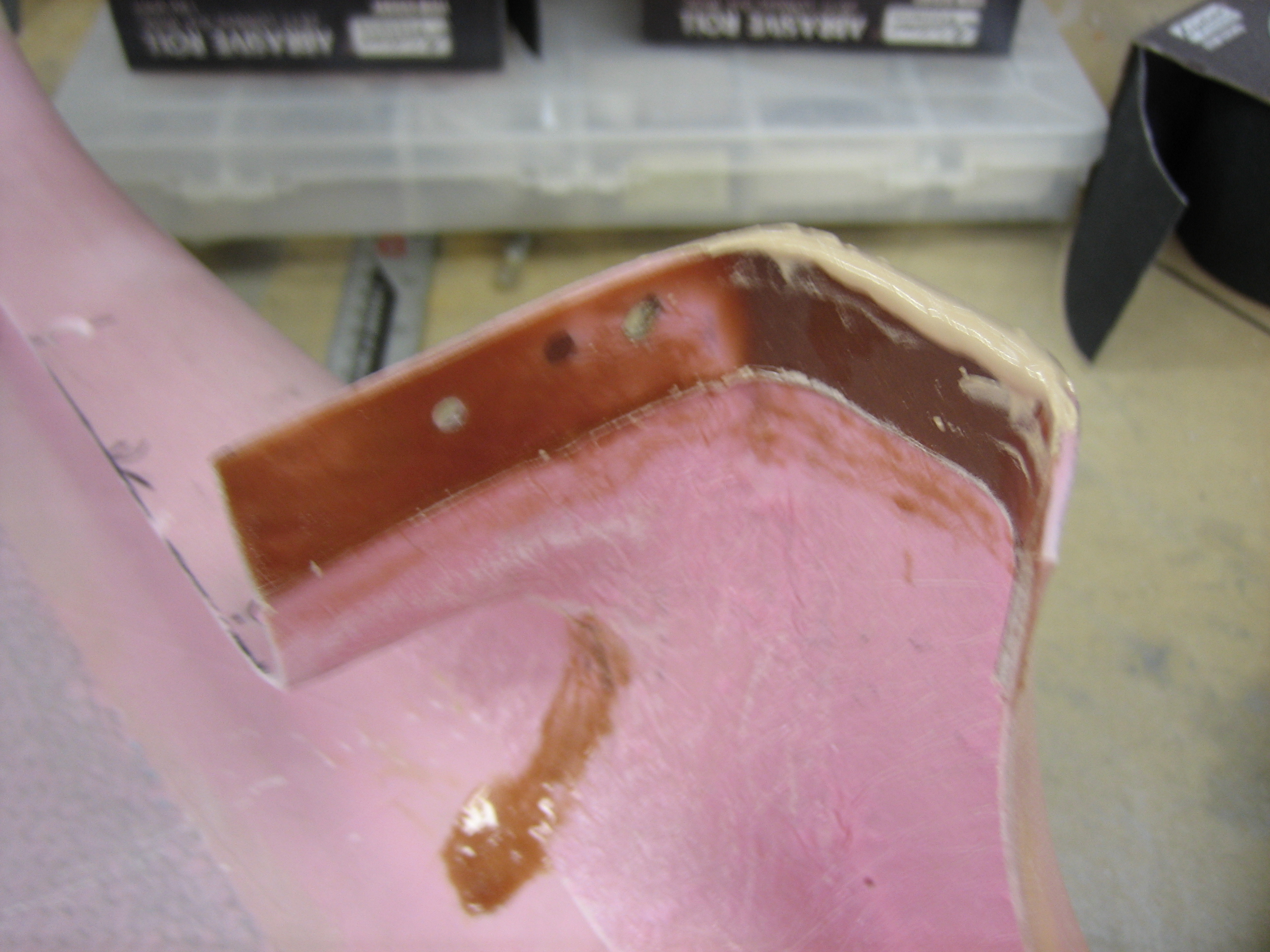
You can see here that it also allowed me to slightly extend the flange on the upper cowl to match up with the lower cowl.

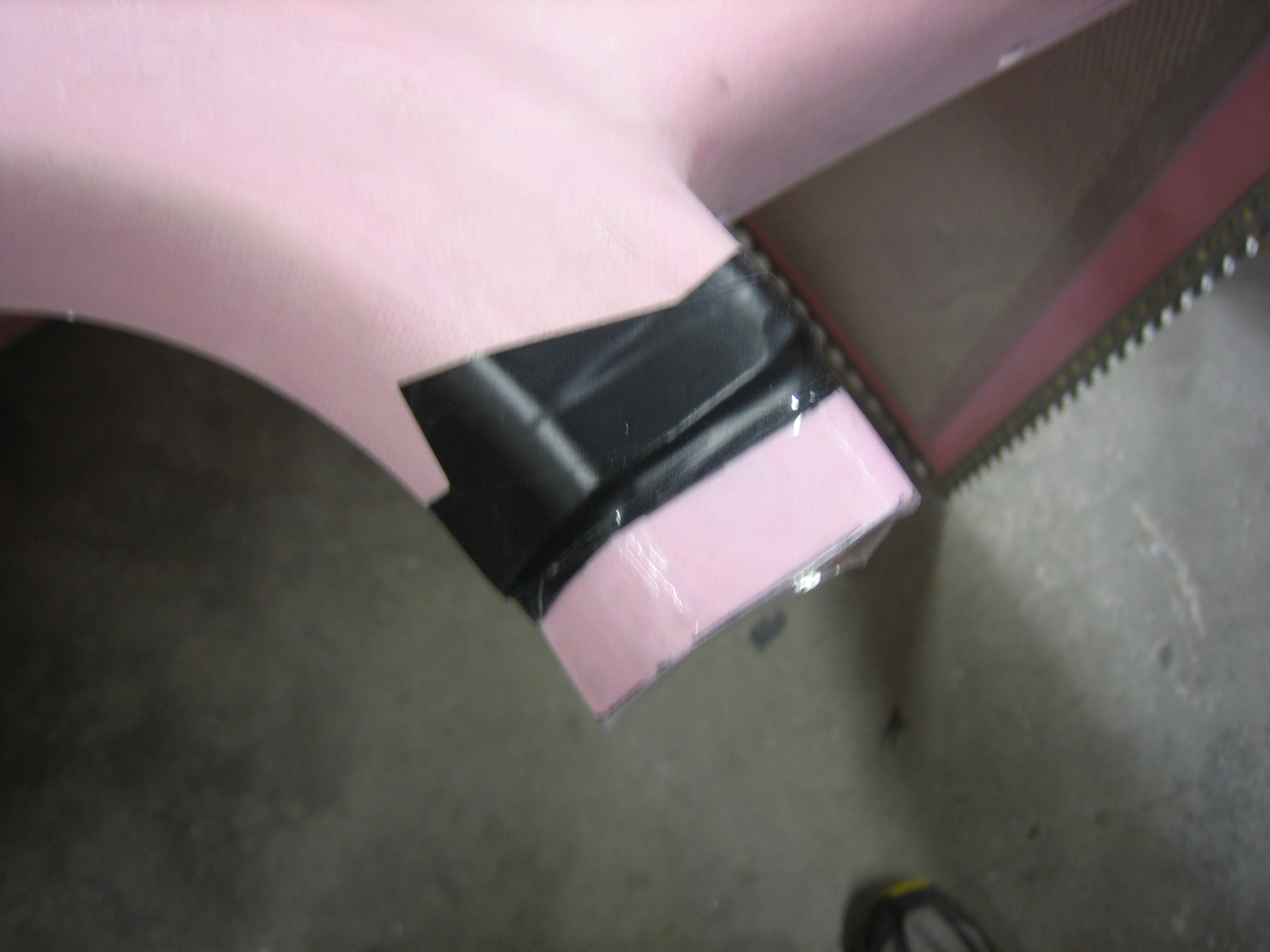
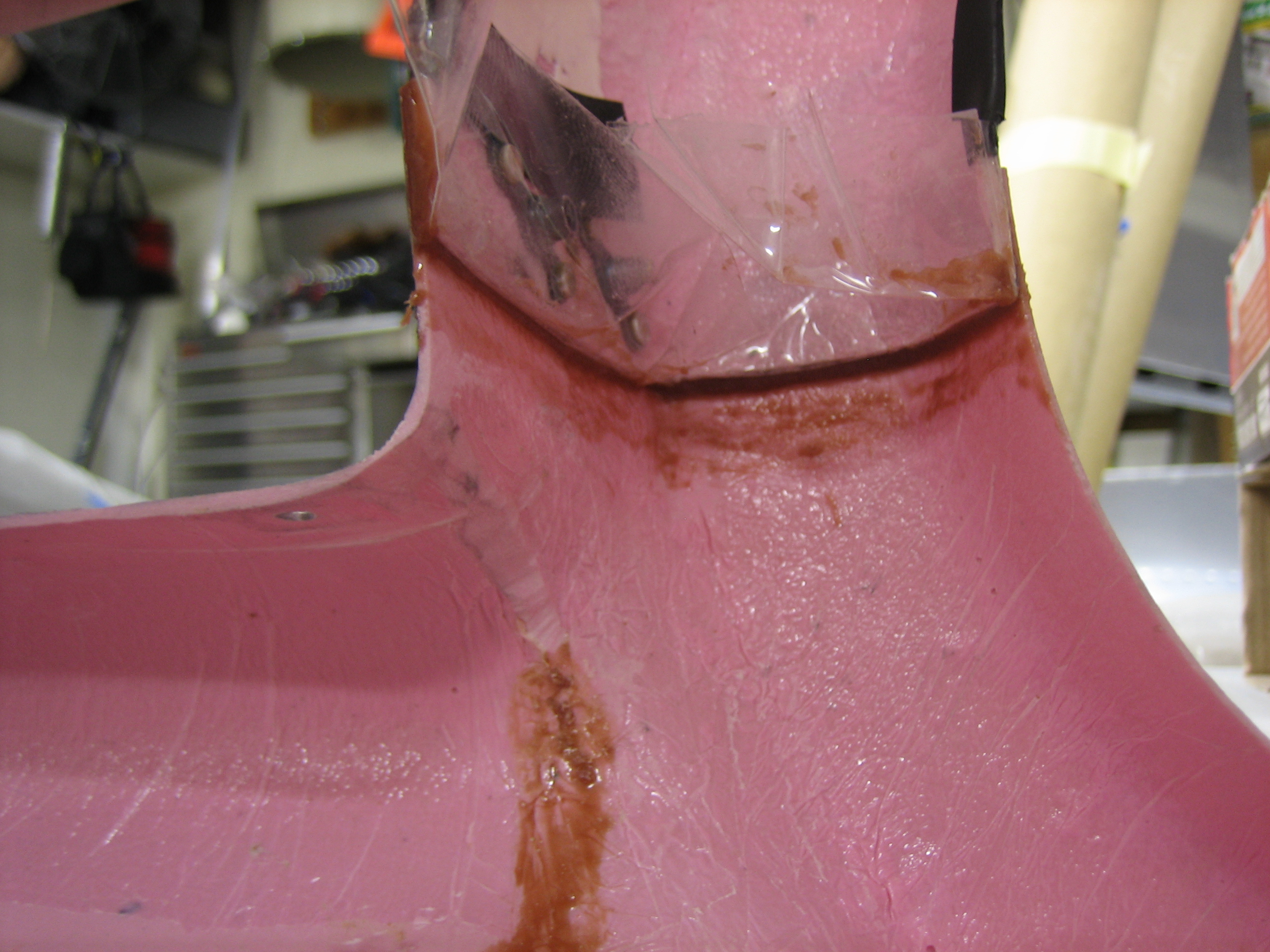
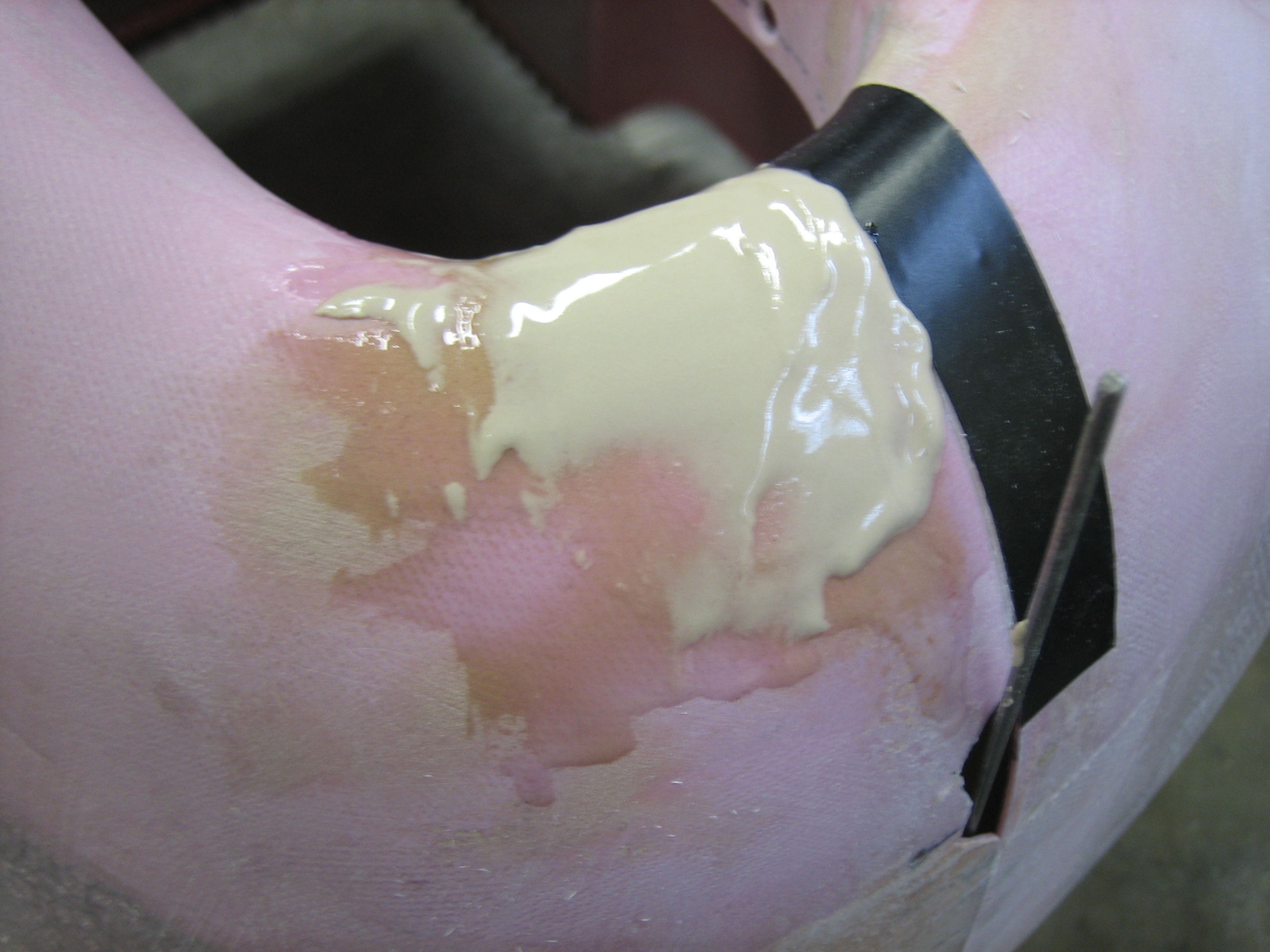
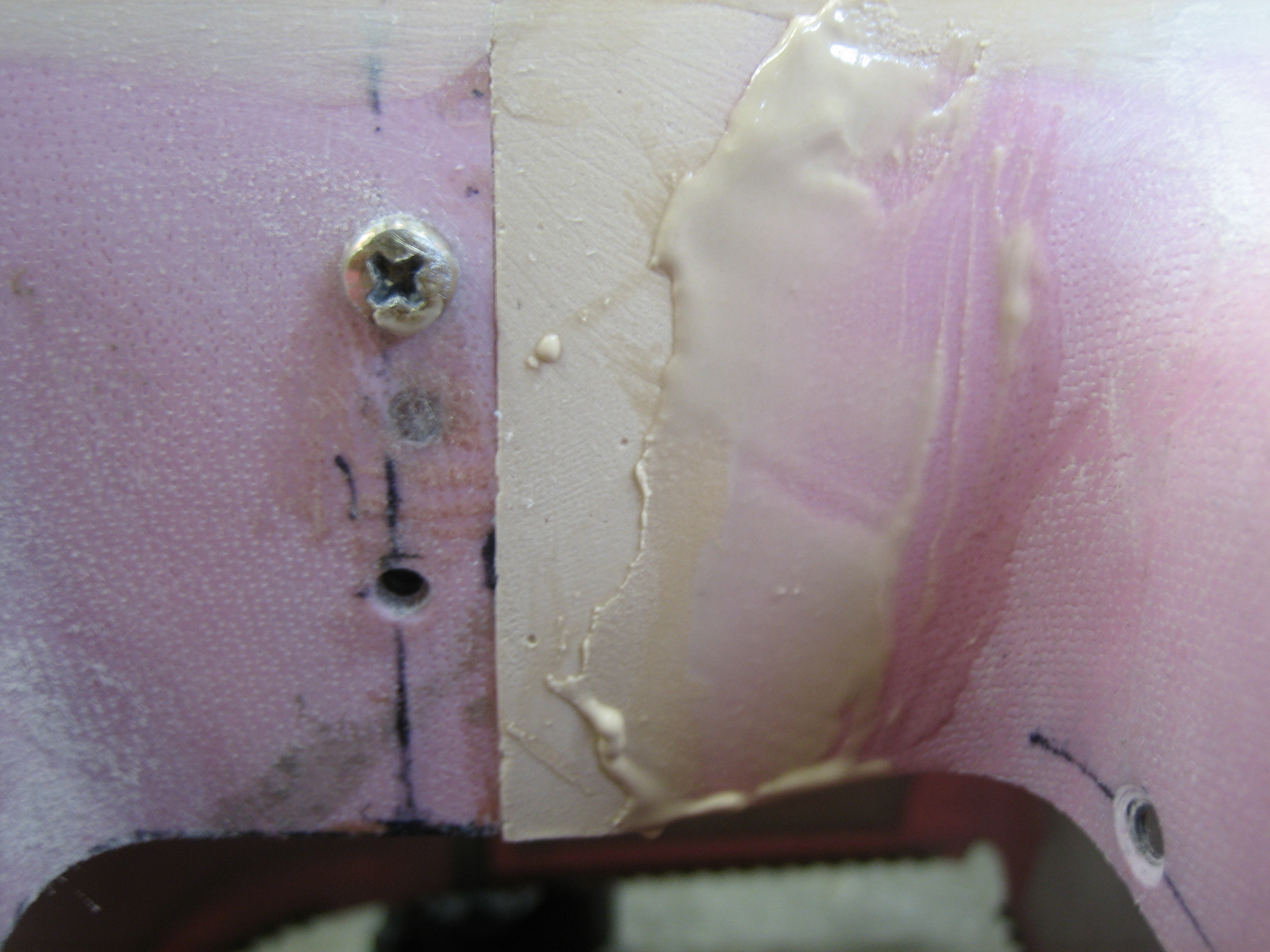
Next up, I trimmed the upper and lower cowl flanges a bit and then wrapped the lower cowl flange with tape.  The electrical tape is there to define the line where the upper cowl flange should reach.  The packing tape is there to keep the epoxy from sticking to the lower cowl flange.

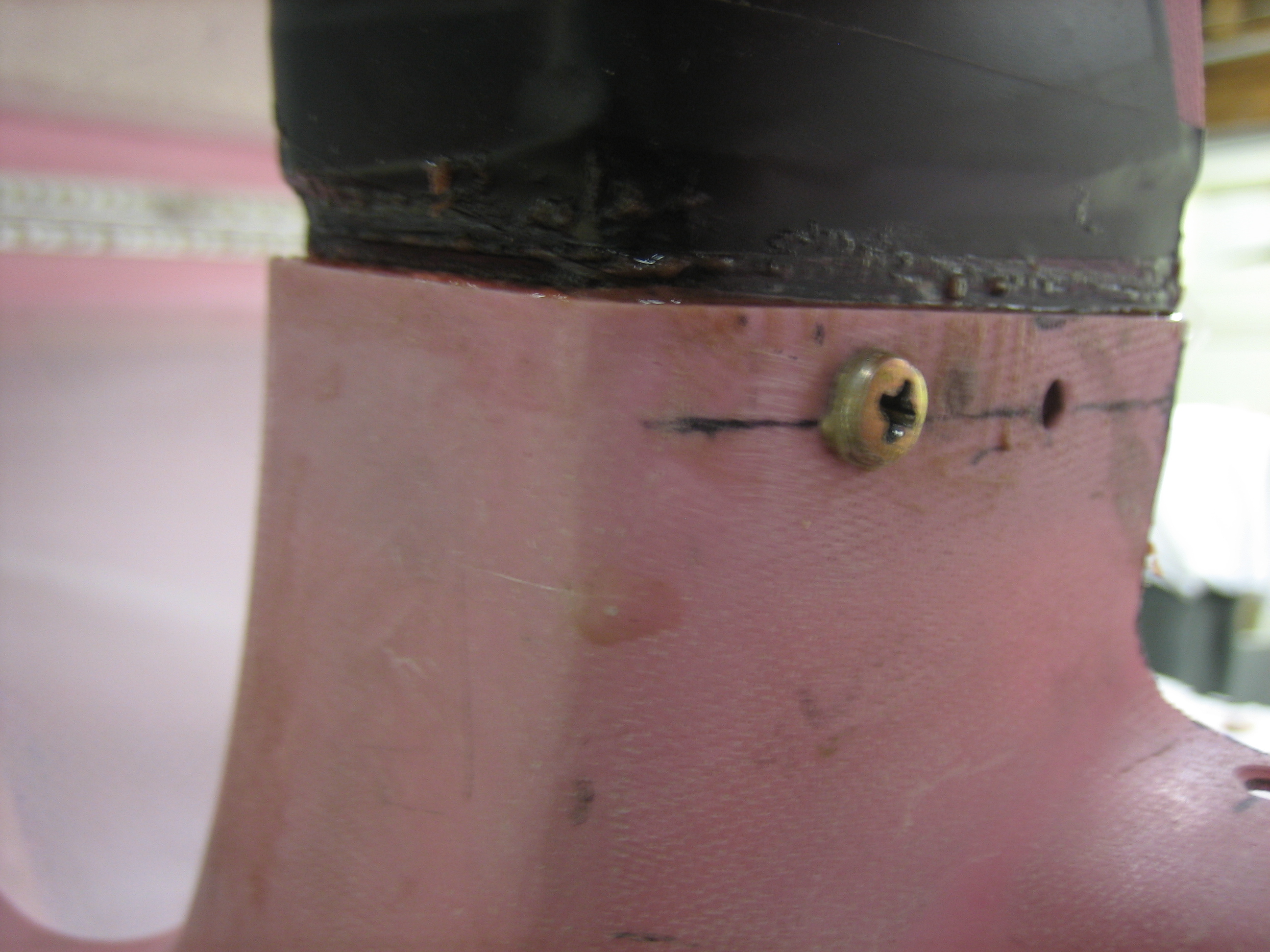
After assembling the cowl halves, I cleaned out the screw holes and punched a hole in the packing tape for the screw that aligns the two halves.  I waxed up the screw really well to keep the epoxy from sticking.

I then cleaned up the inside of the joint so there isn’t a bunch of excess epoxy here.

Further Work on Cowl Joint, Started Gear Leg Fairings

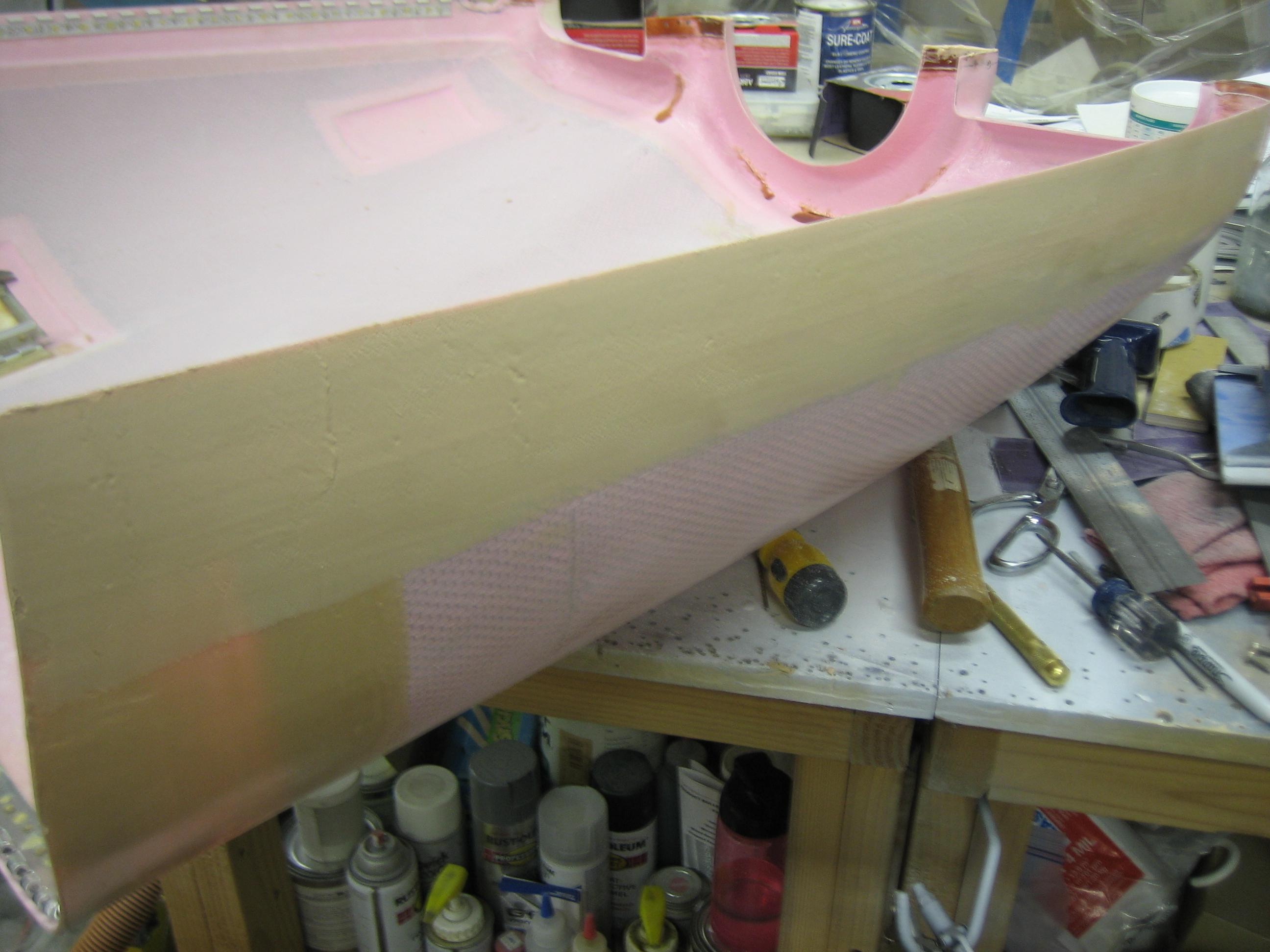
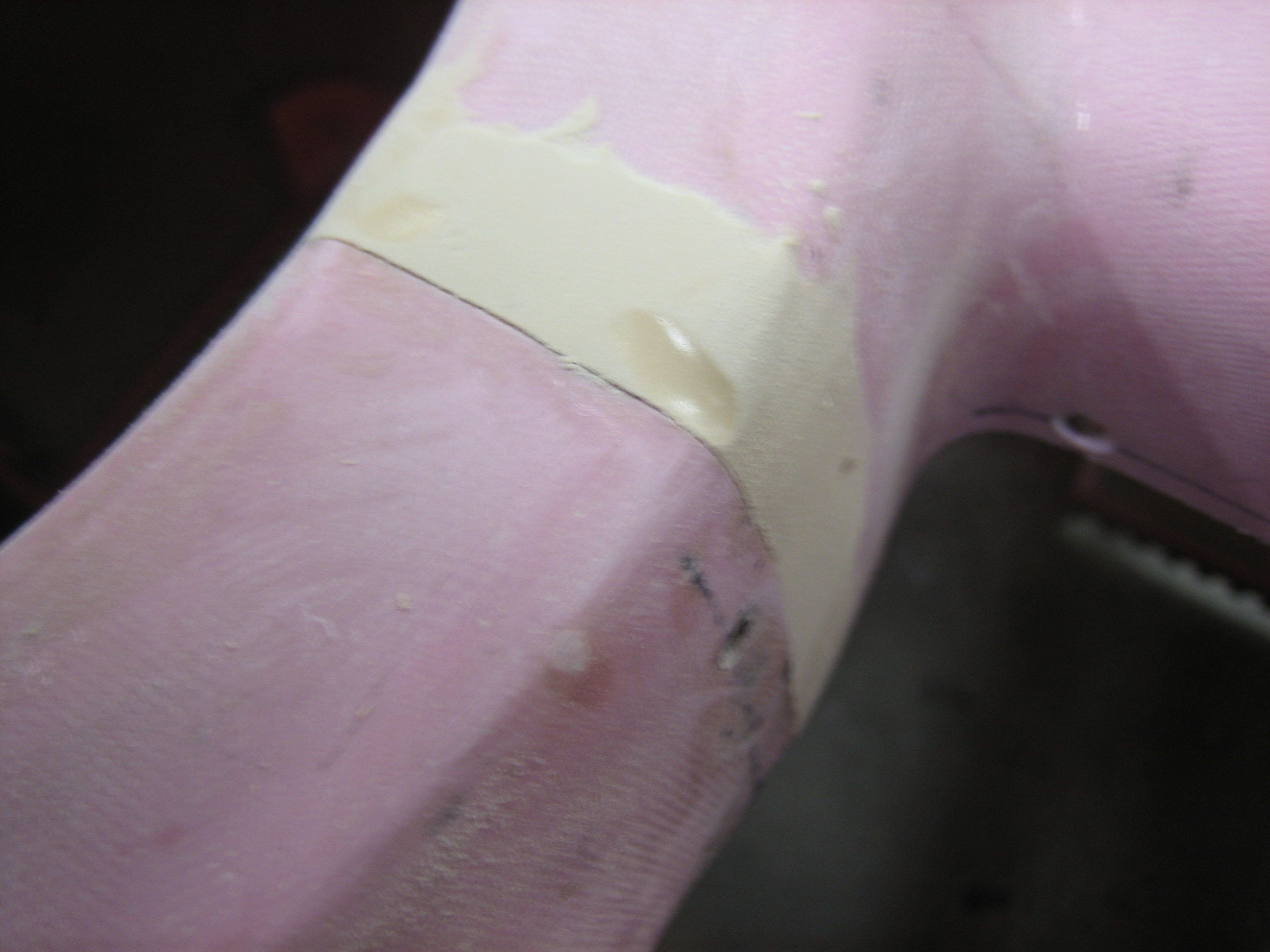
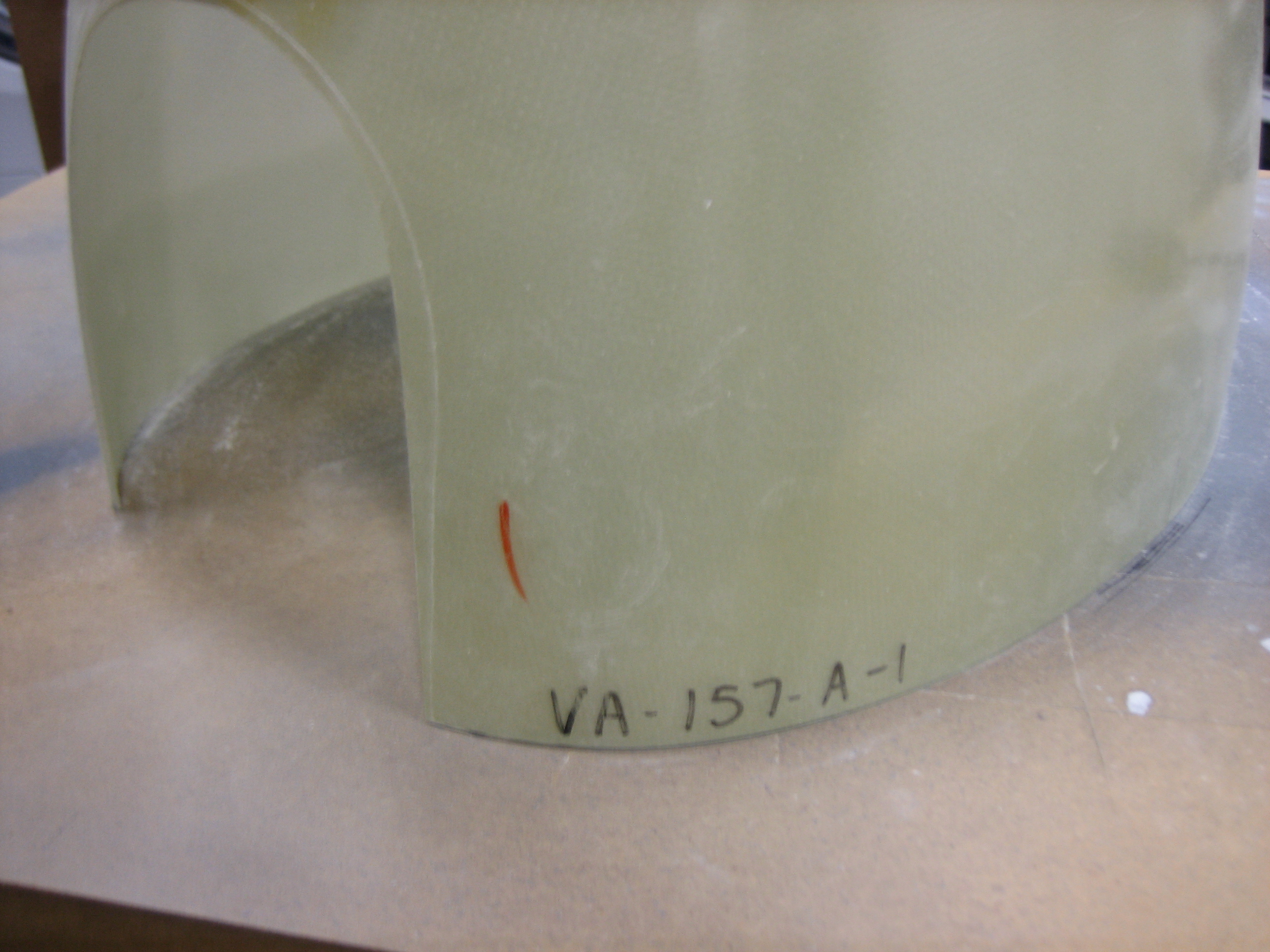
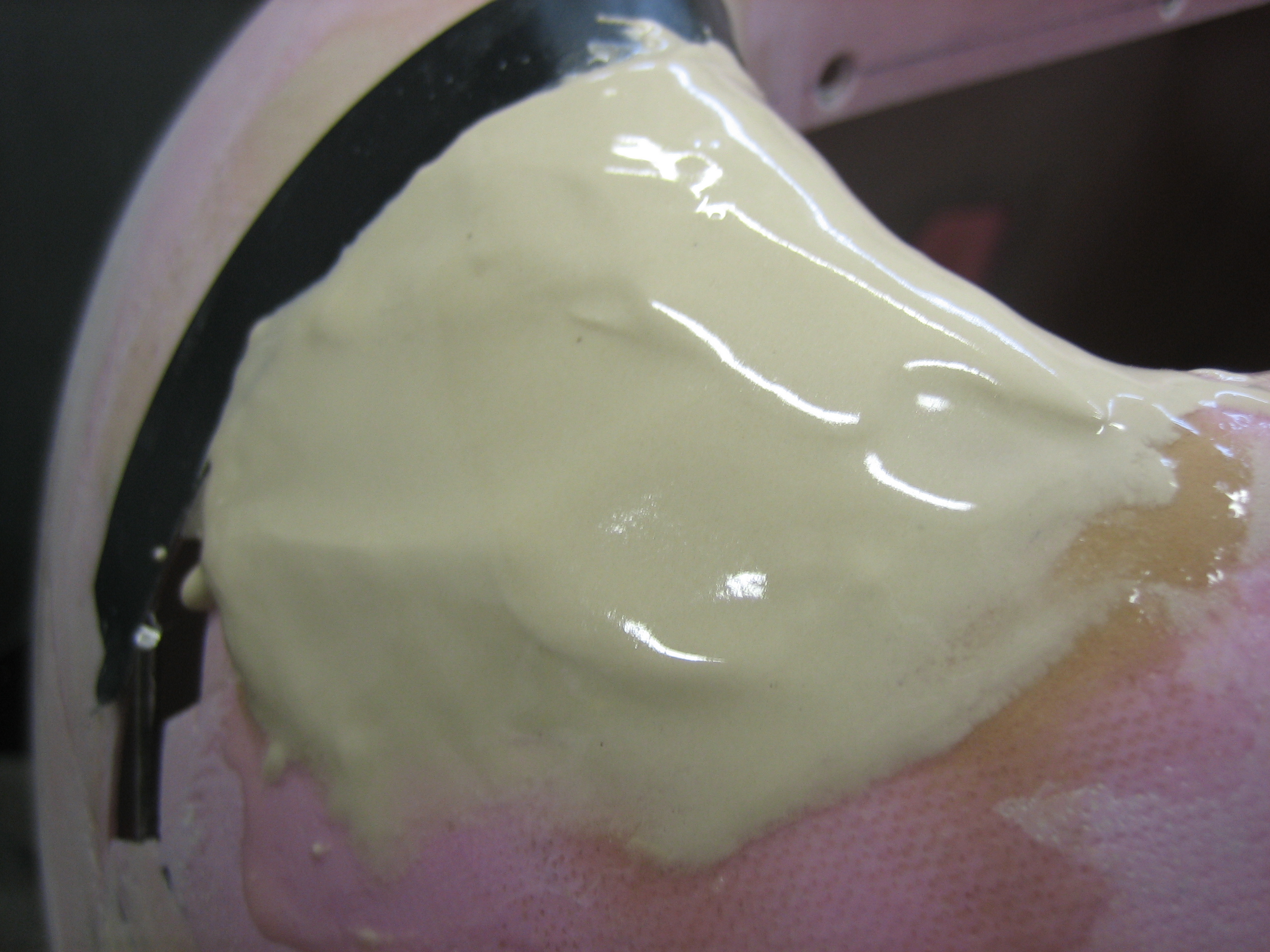
I popped the two cowl halves apart again.  The epoxy/flox filler worked perfectly and there’s a nice smooth that perfectly matches the outside of the lower cowl.  The end of the flange was a little epoxy starved, so I mixed up some lightweight filler and buttered it up.  I’ll sand this flush tomorrow.

I had a bunch of excess lightweight filler left over, so I covered the last of the fiberglass strips on the left side of the upper cowl.

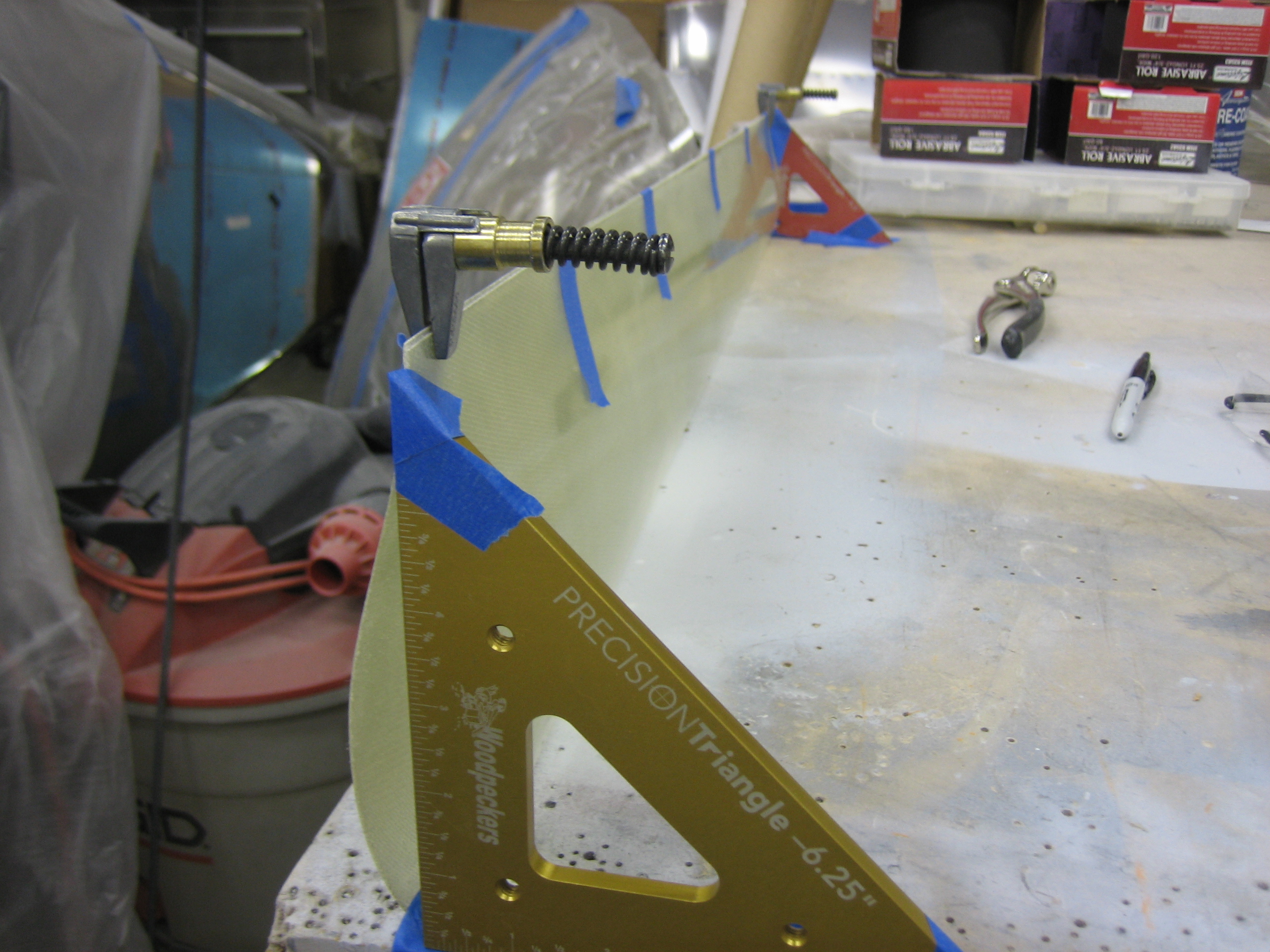
Since I need the filler to cure before making any more progress on the cowl, I decided to get started on the gear leg fairings. I lined up the fairing with a couple of squares to ensure there is absolutely no twist.  Any amount of twist is added drag, and can act like a rudder to yaw the plane.  After I was sure it had no twist, I taped the trailing edge together in a few spots.  This not only keeps it straight during the next couple of steps, but the tape strips will act as a indicator to ensure I don’t introduce any twist later.

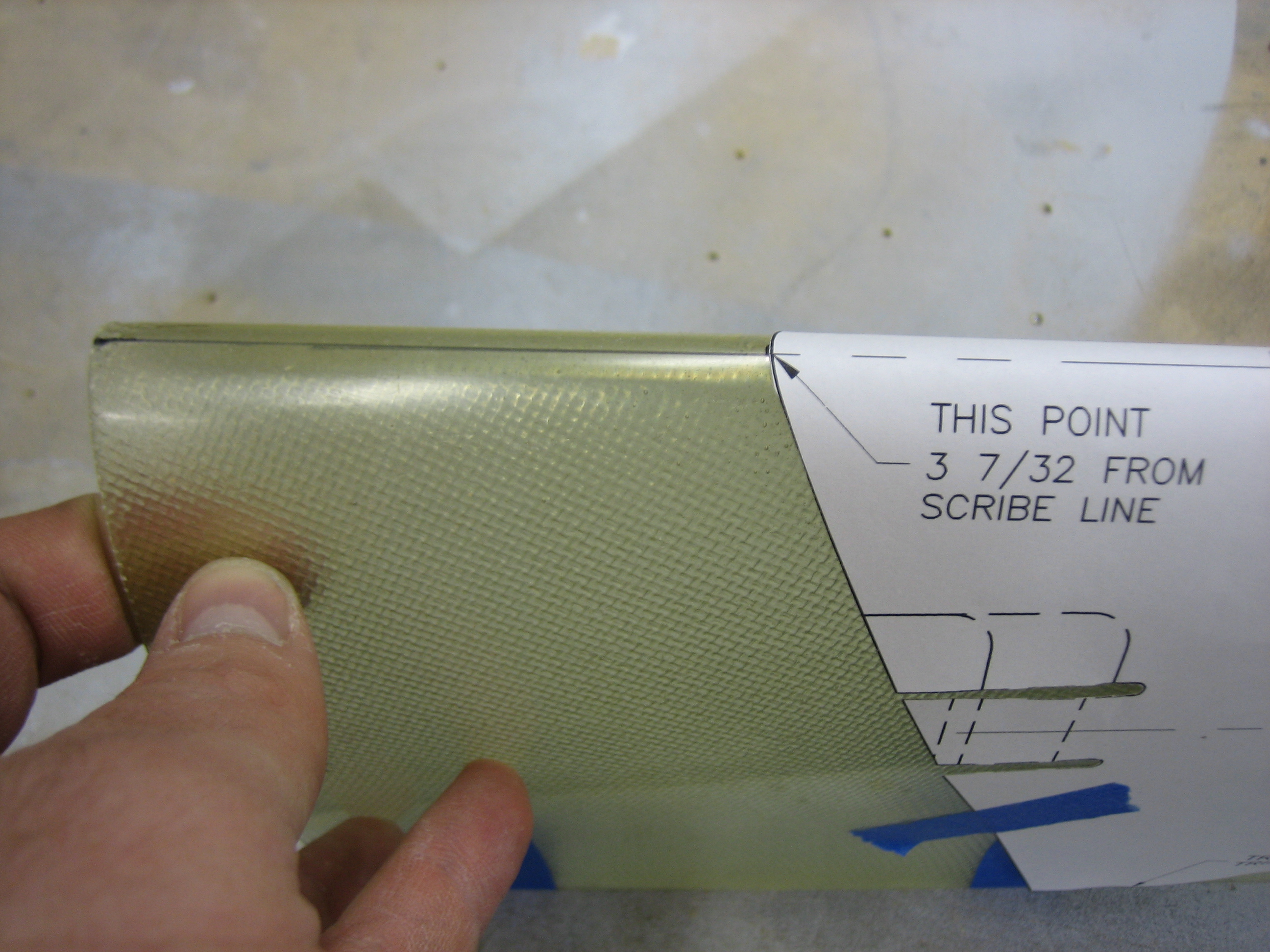
I cut out the gear leg fairing template and lined it up with a line I drew on the leading edge, making sure to make the leading edge of the template 3 7/32 back from the scribe line.

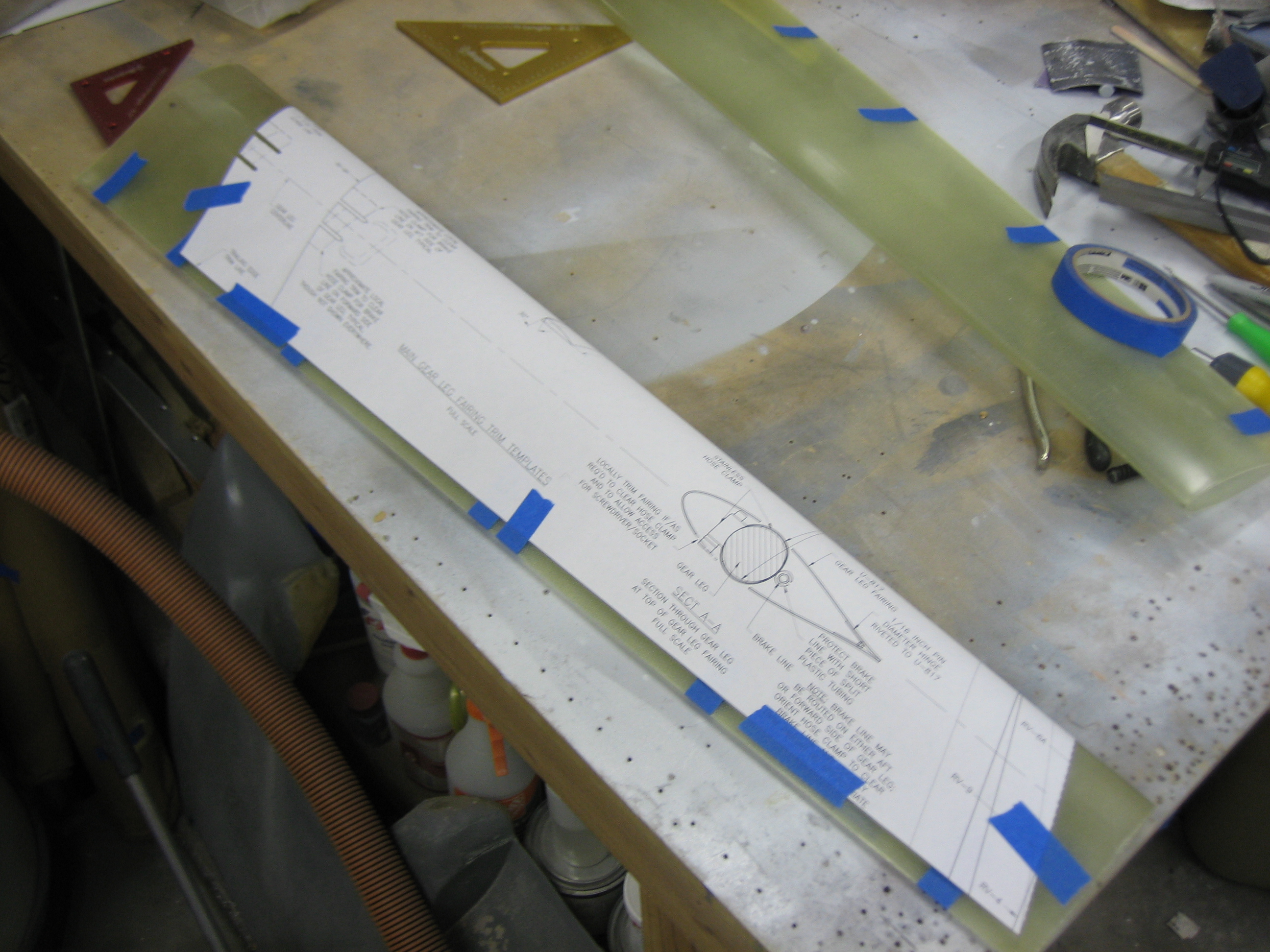
I then taped up the rest of the template and marked all the way around.

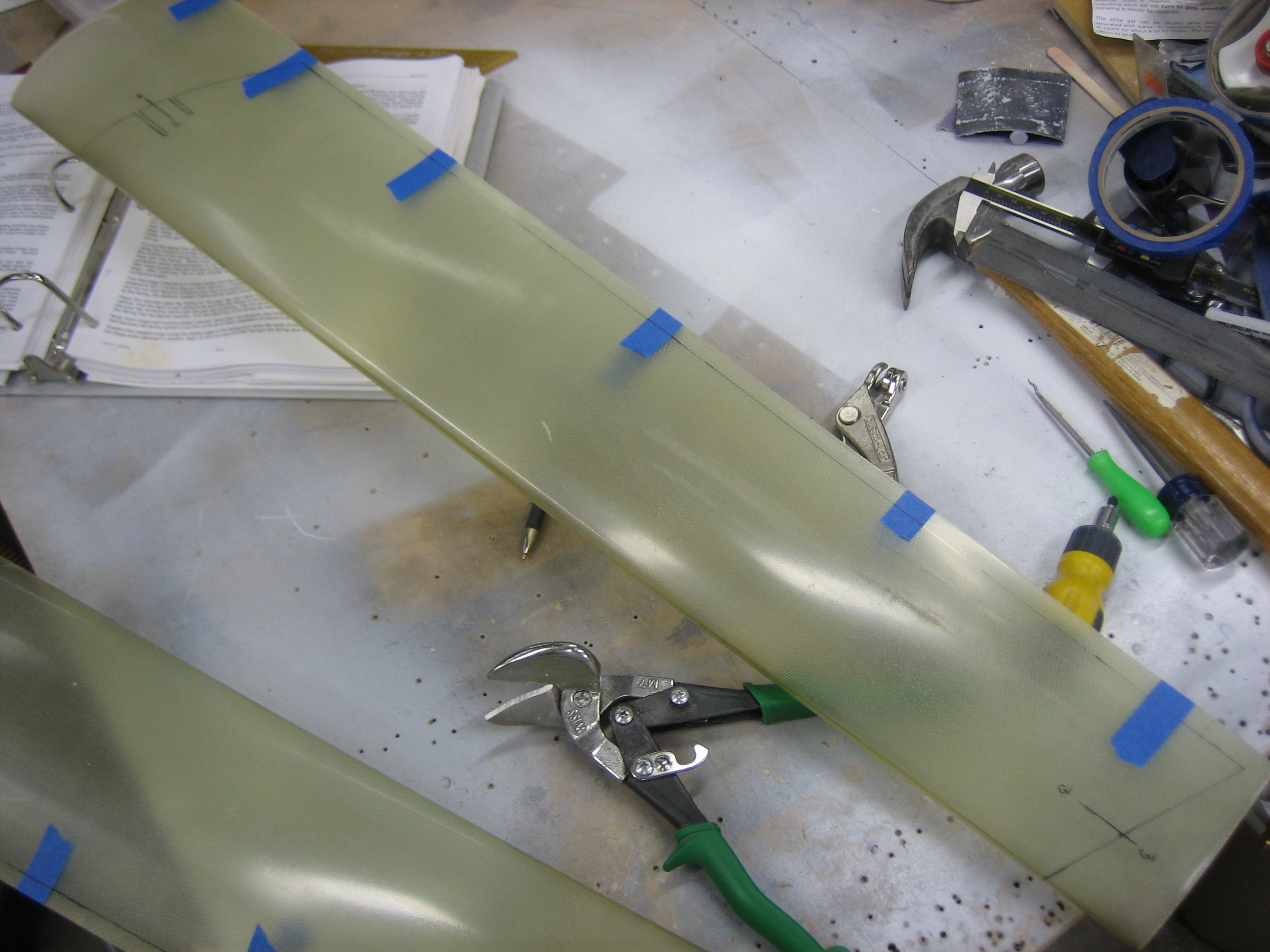
Here’s the marked fairing.

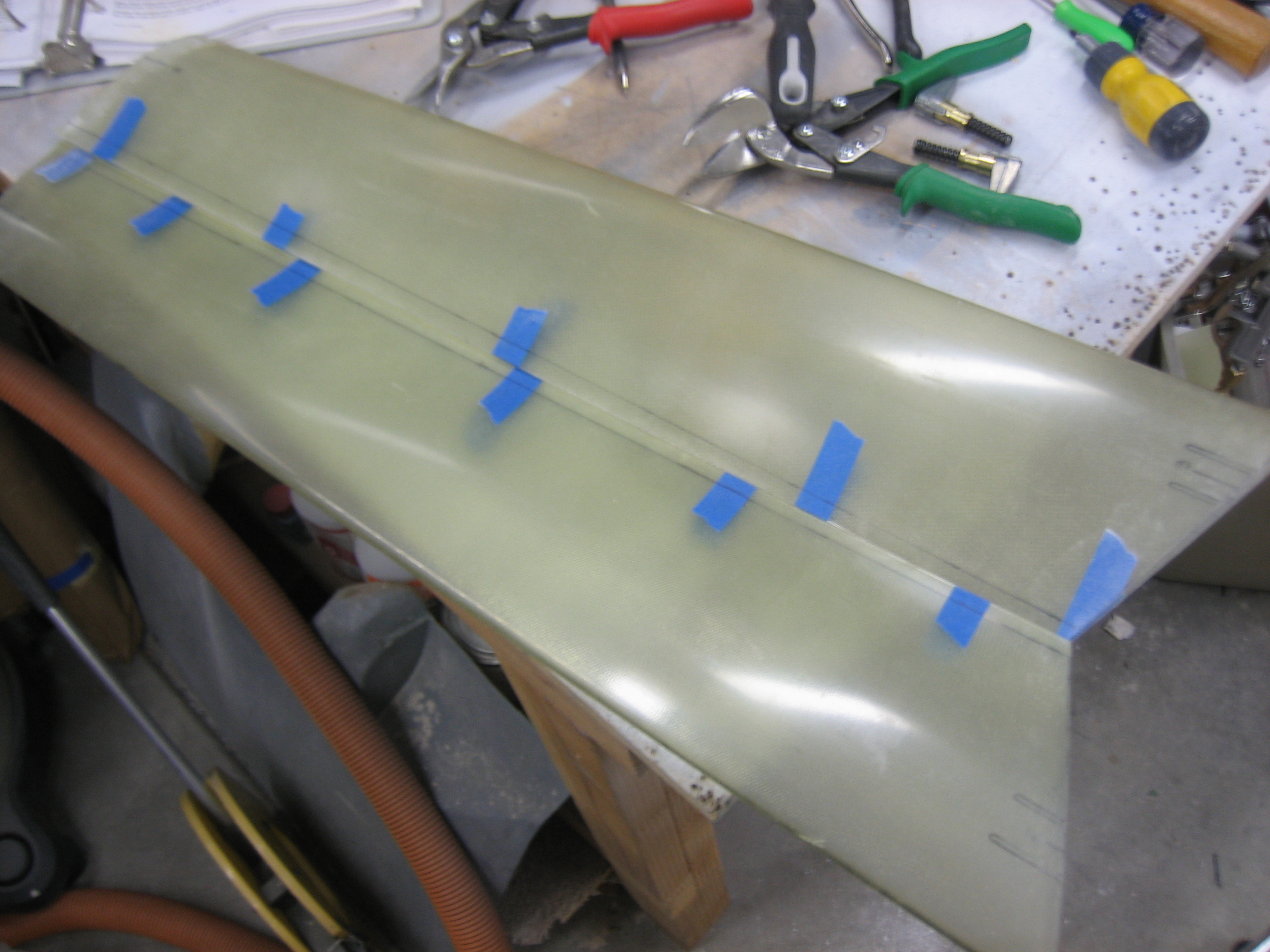
After a few minutes with tin snips and a sanding block, here are the trimmed fairings.

Installed Left Inboard Wheel Pant Bracket

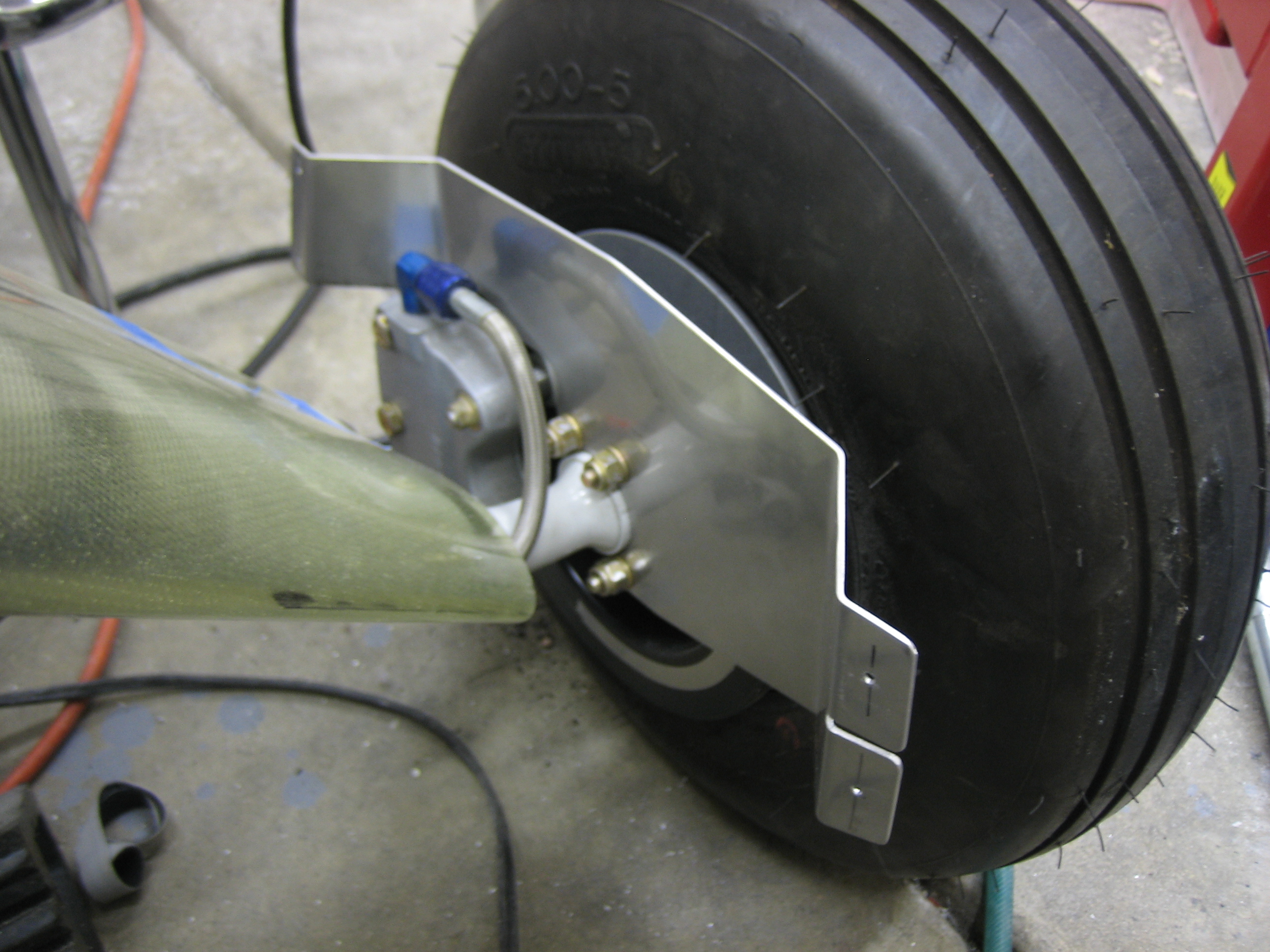
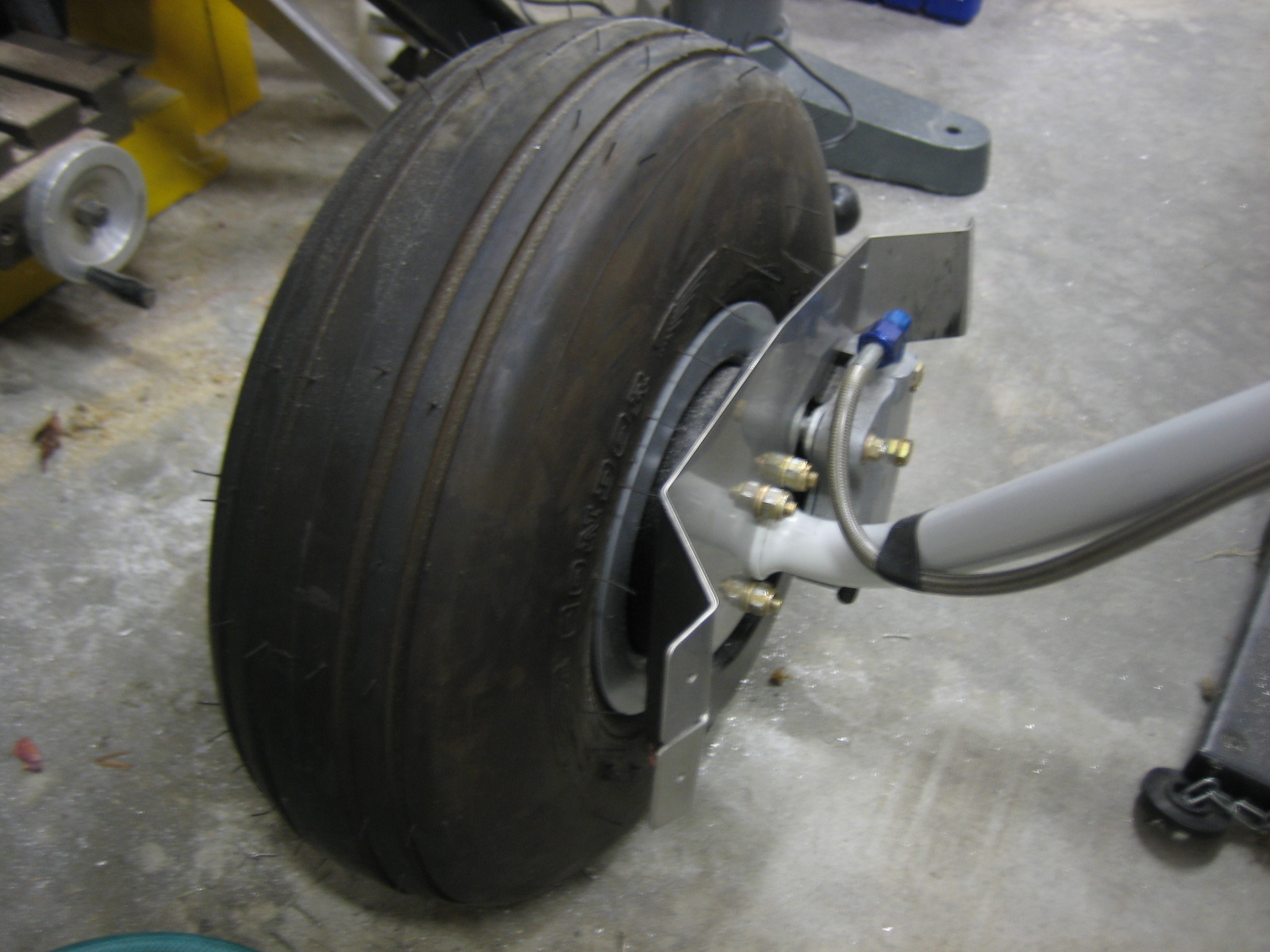
I fabricated the spacers that position the inboard wheel pant bracket.  The plans call for 13/32″ (about 0.406″), but I have the Grove wheels and brakes which have a thicker brake rotor, so I ended up having to make them about 0.540″ in order to get the recommended 1/16″ clearance between the bracket and the rotor.  This is not the stock Van’s aluminum bracket, but is the fairings-etc.com stainless steel one.  While this is heavier than the stock bracket, there have been a number of instances of the stock bracket cracking due to rough fields or ground handling.  Hopefully these will be quite a bit more durable.

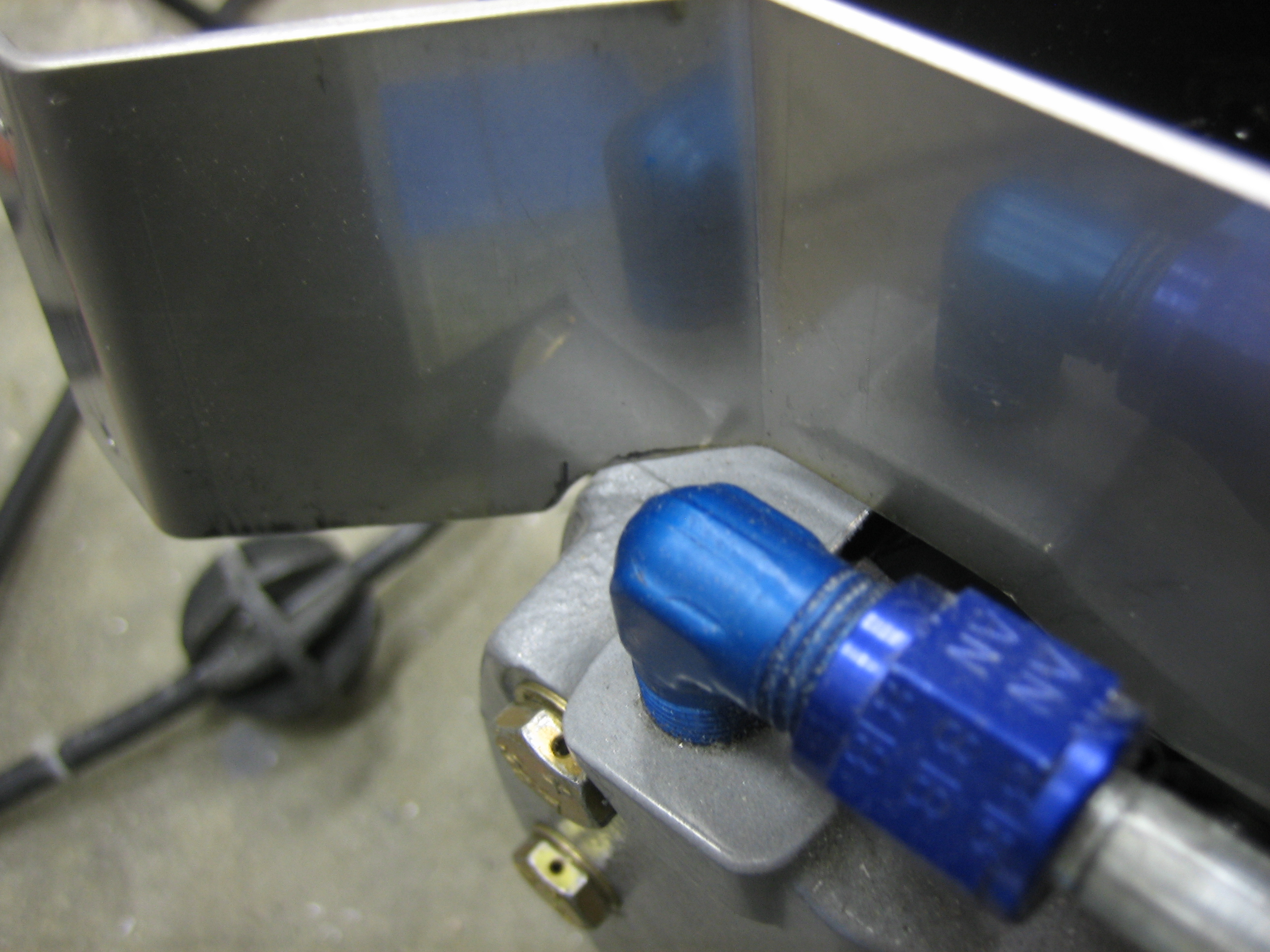
The bracket required about 1/4″ to be trimmed off where it passes over the caliper.  This has about 1/8″ clearance all around to allow the caliper to move.

Fixed Propeller Ring Flange

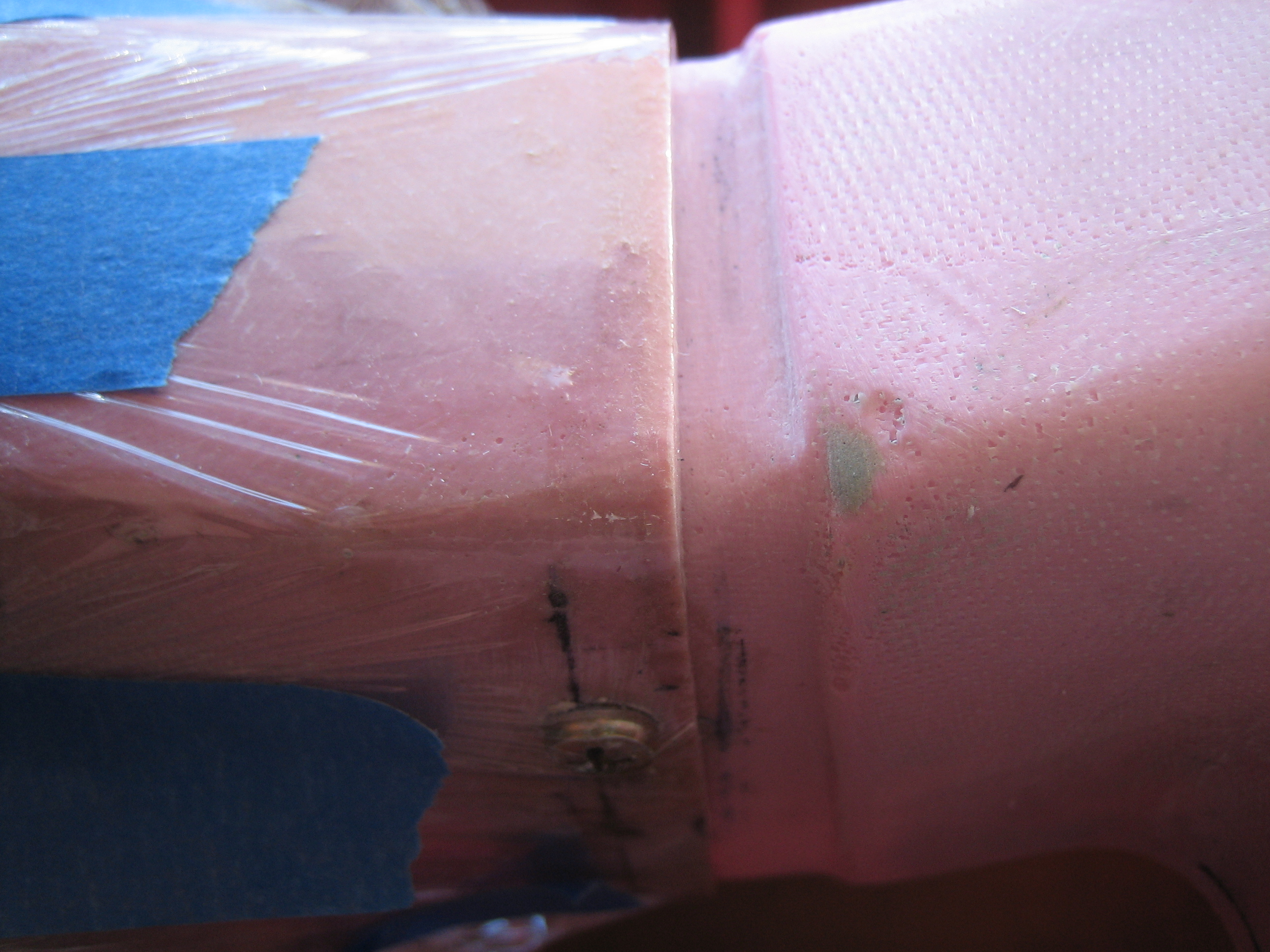
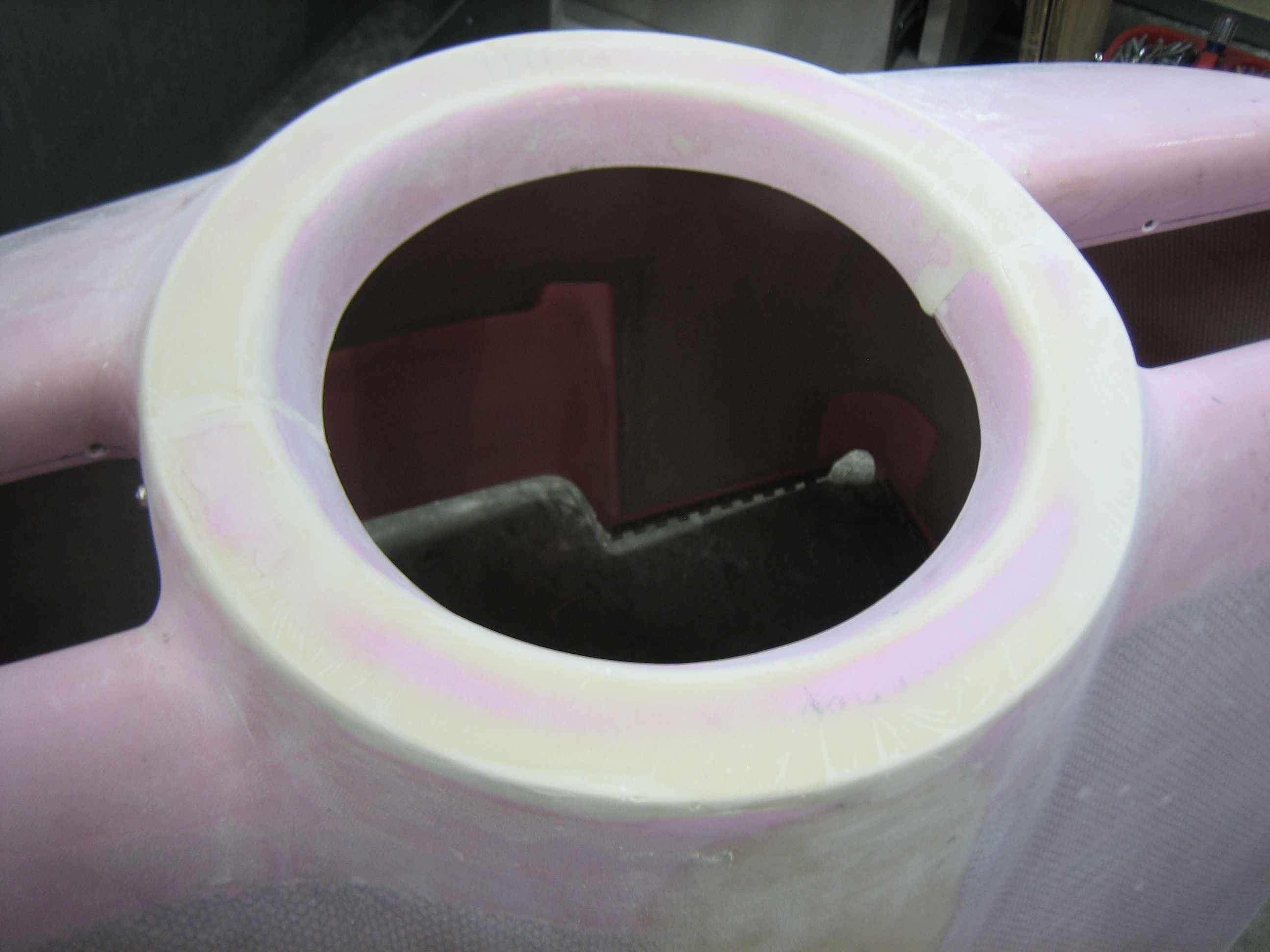
The fit on the propeller ring has always been pretty poor.  Now that the upper cowl flange is straight and is a perfect fit for the shape of the lower flange, I can fix the position of the lower flange step to line up with the upper flange.  I assembled the two halves with a piece of saran wrap sandwiched between and then stretched it back over the upper flange.

I then mixed up some epoxy/micro and filled in the gap.  After it cured, I rough shaped it with a vixen file.  I still need to build up the face of the propeller flange a bit near the joint, so there’s no sense in making this perfect now, but you can already seen how much nicer this looks.  While this was curing, I cut and laid out the holes on the gear leg fairing hinges.

Wheel Pants, Plenum and Cowl Work

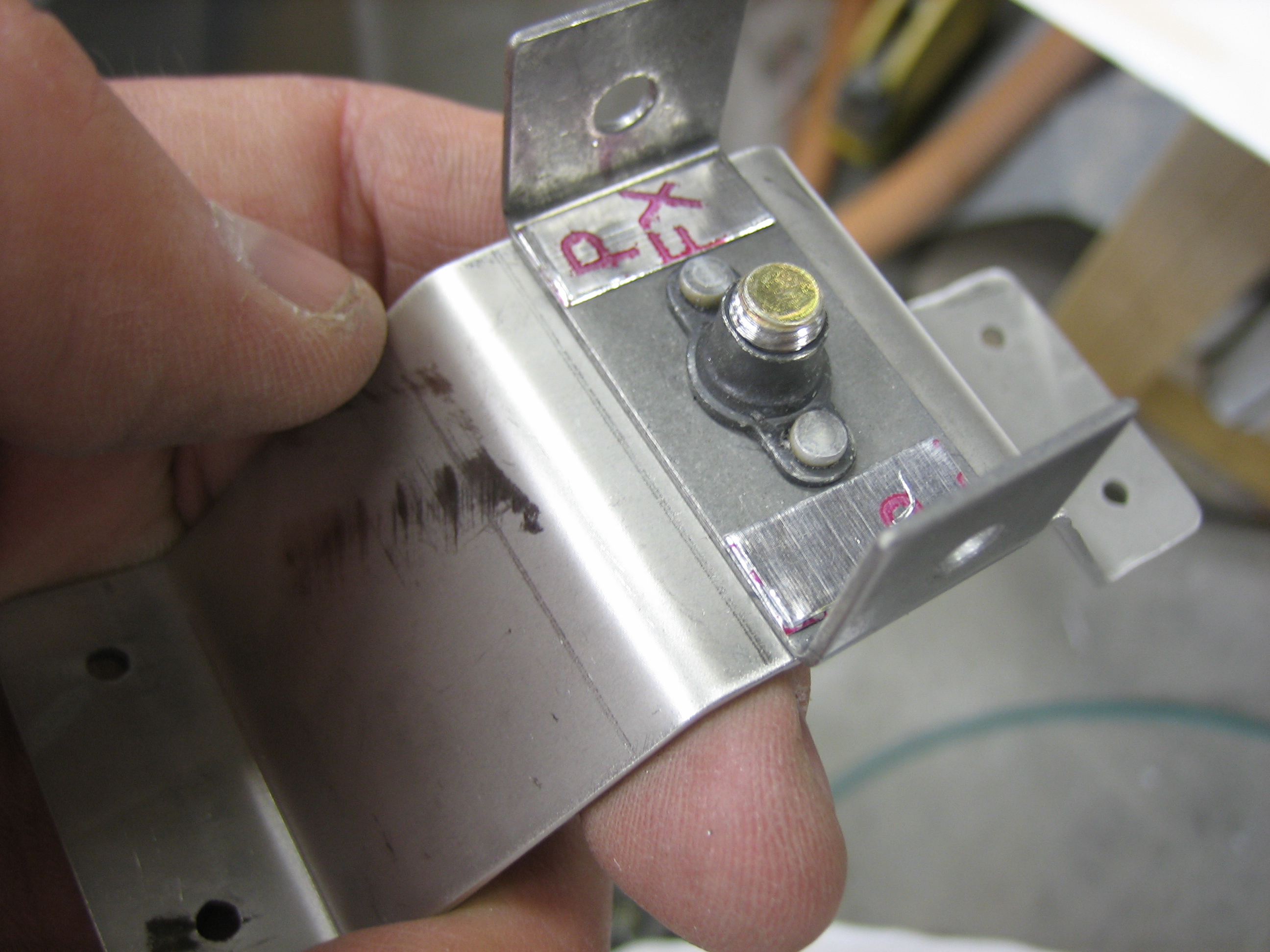
I trimmed the right wheel pant bracket to match the left and fabricated three more spacers.

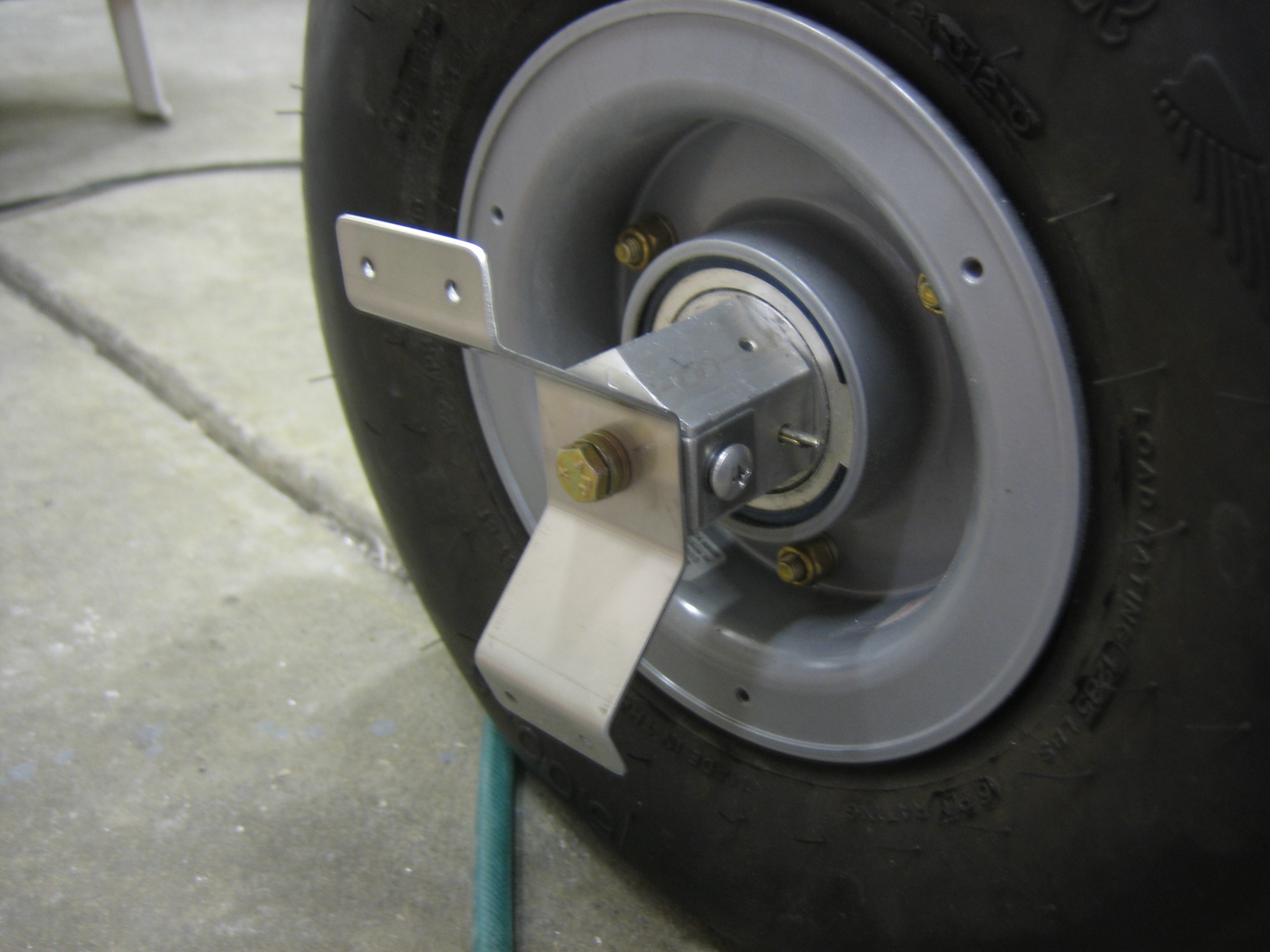
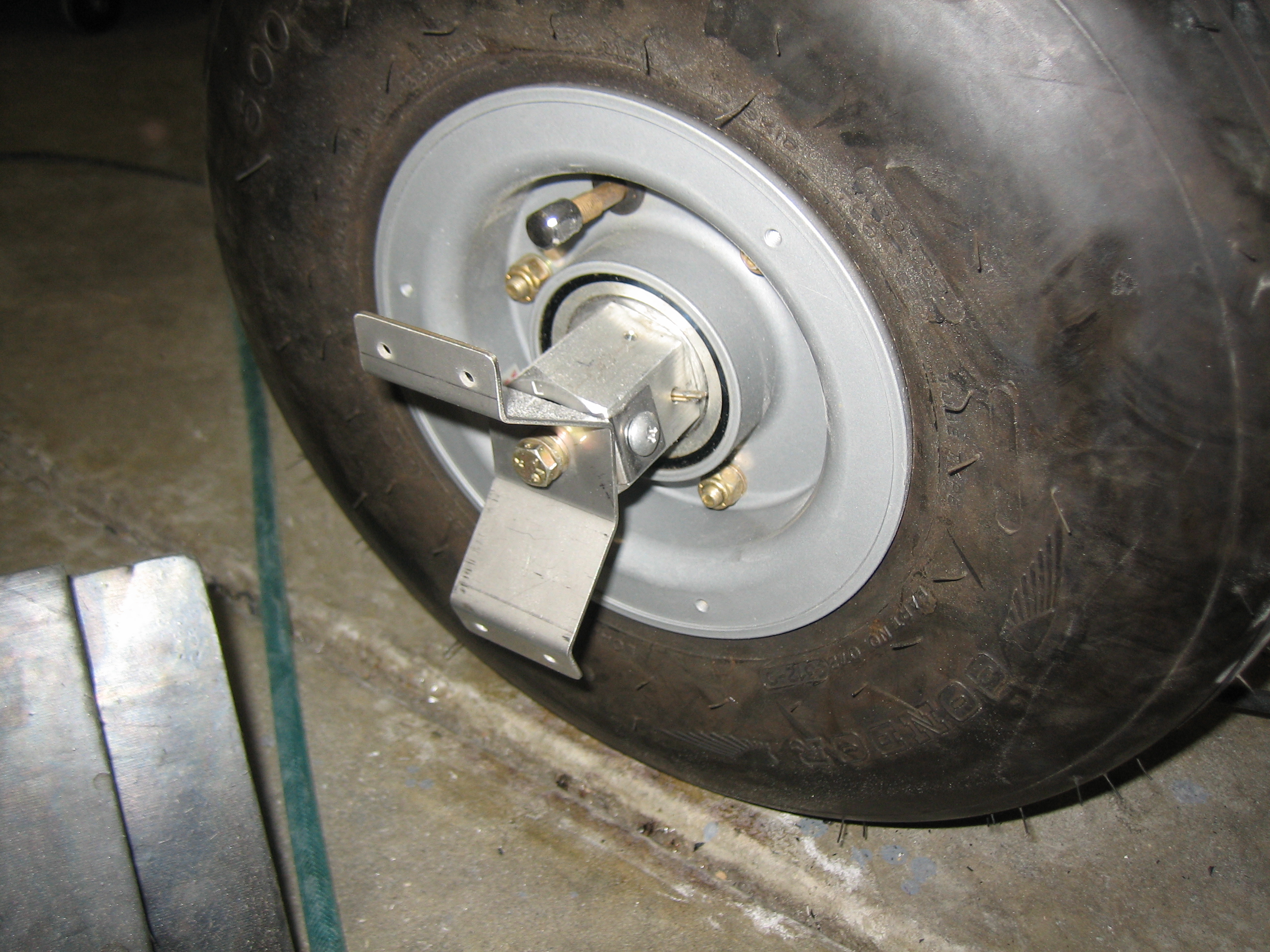
I then fit the outboard wheel pant brackets, but the attach point on the axle nut was rocking slightly which would have let the wheel pant move up and down a bit.  I used a few layers of aluminum tape to make the bracket fit much more tightly on the axle nut.

Here’s what it looks like installed.

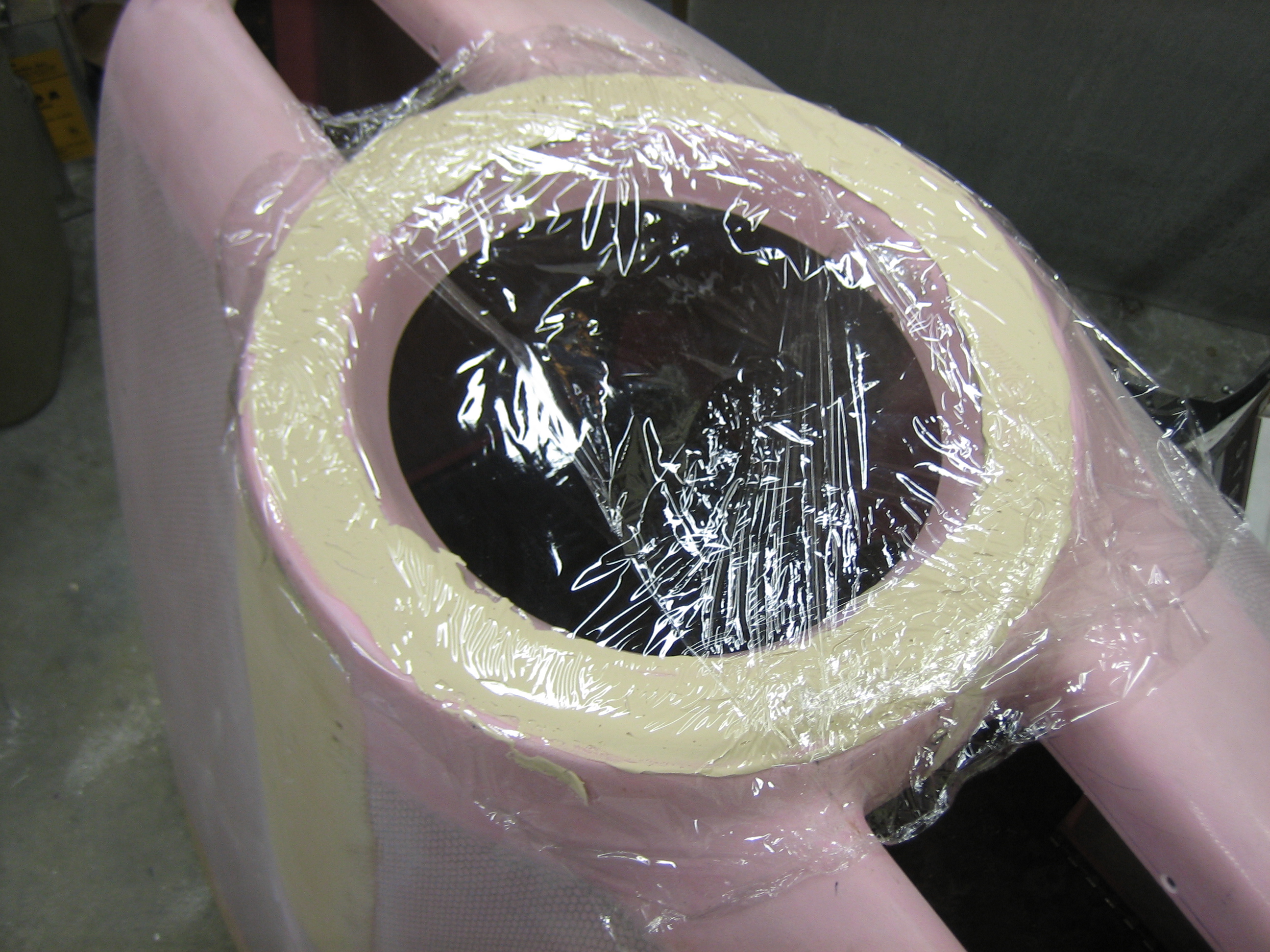
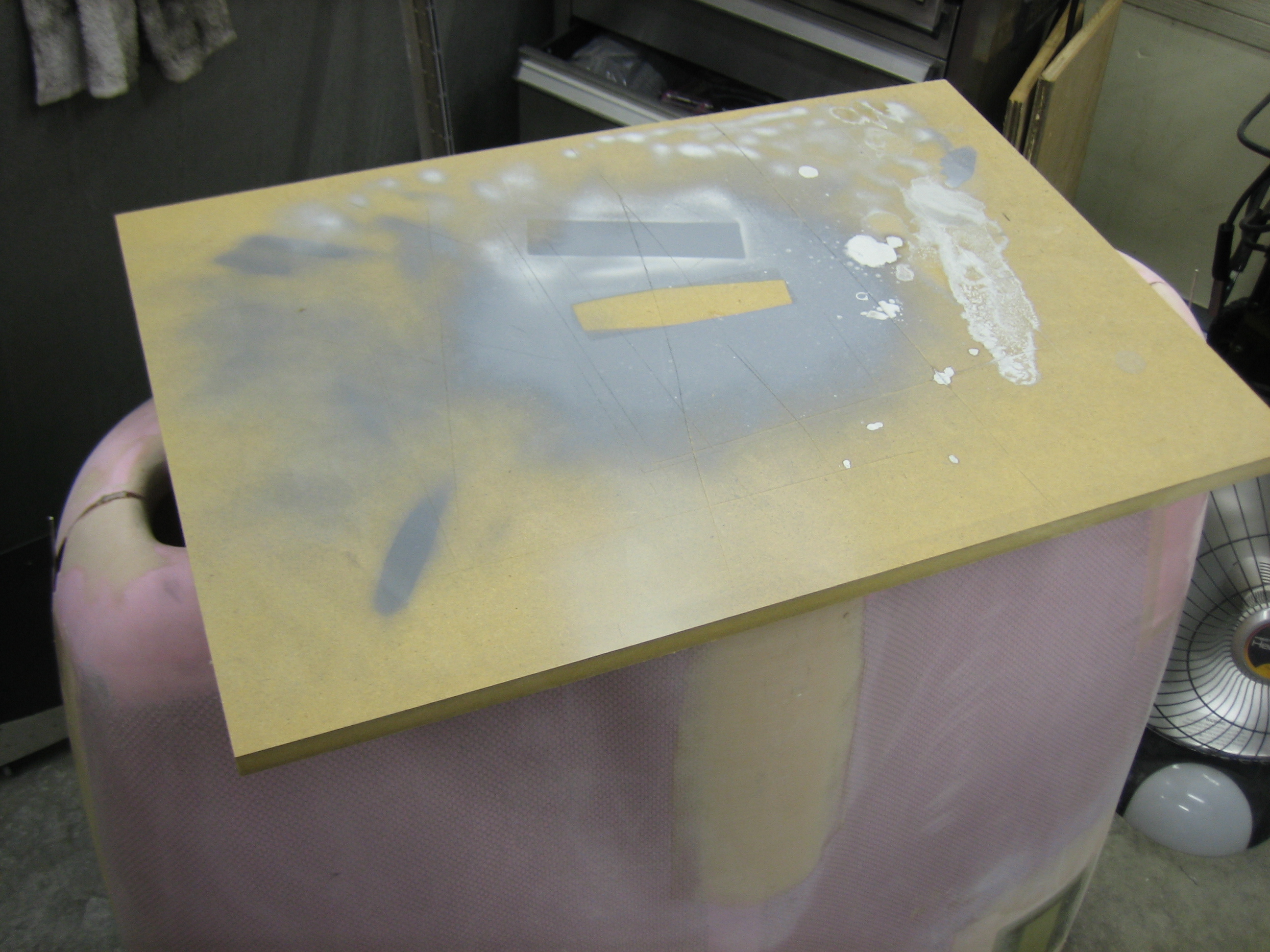
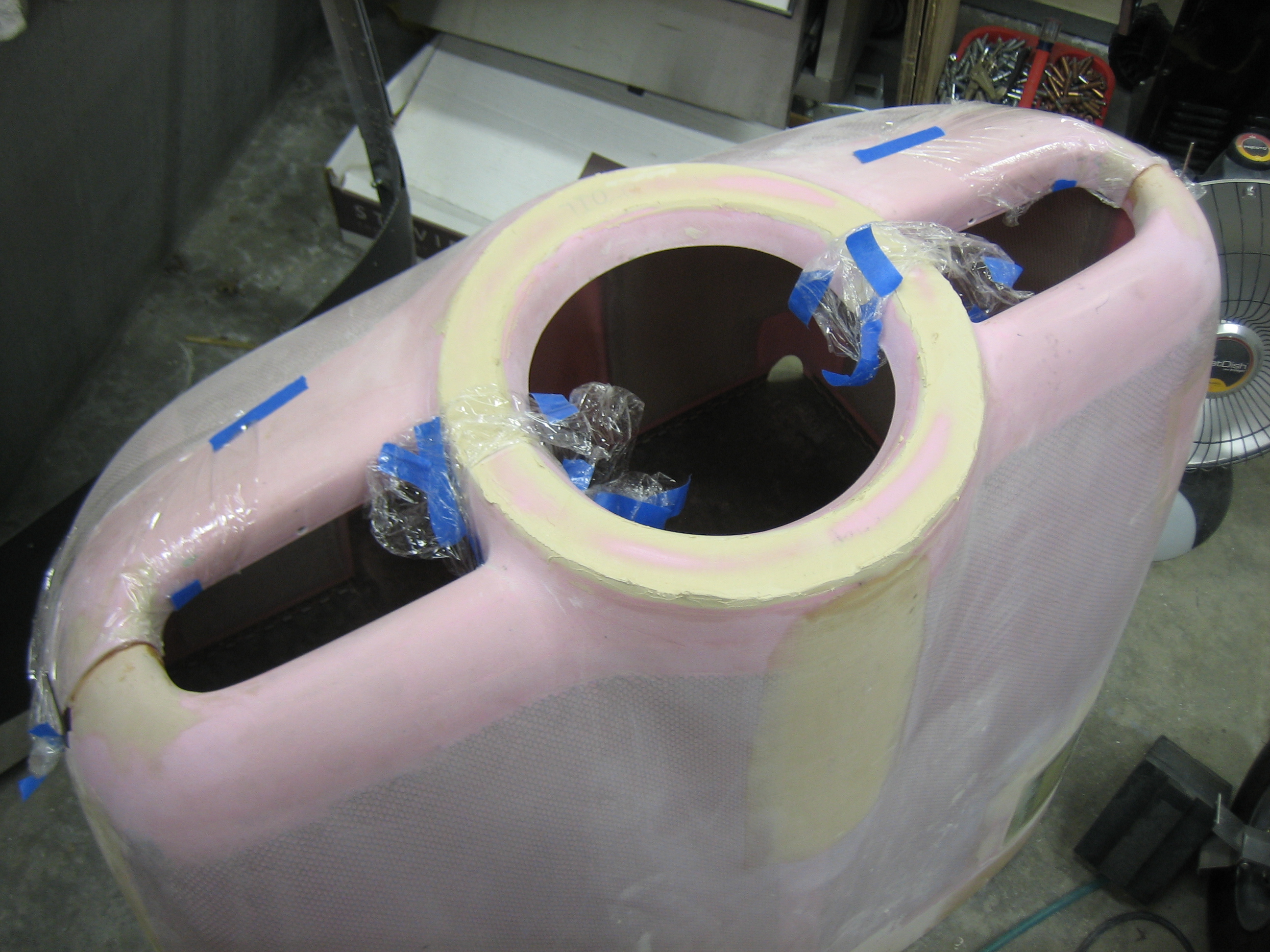
I’ve never been very happy with how uniform the spinner to cowl gap was.  The way the cowl was formed, the center of the ring where the upper and lower half join was slightly recessed and had a larger gap than the upper and lower portion of the ring.  To fix this, I mixed up some lightweight filler and spread it around the ring.  I then covered it with saran wrap.

I put a flat board over that and pressed down firmly until enough of the filler squeezed out that I could see the pink part of the cowl around most of the ring.

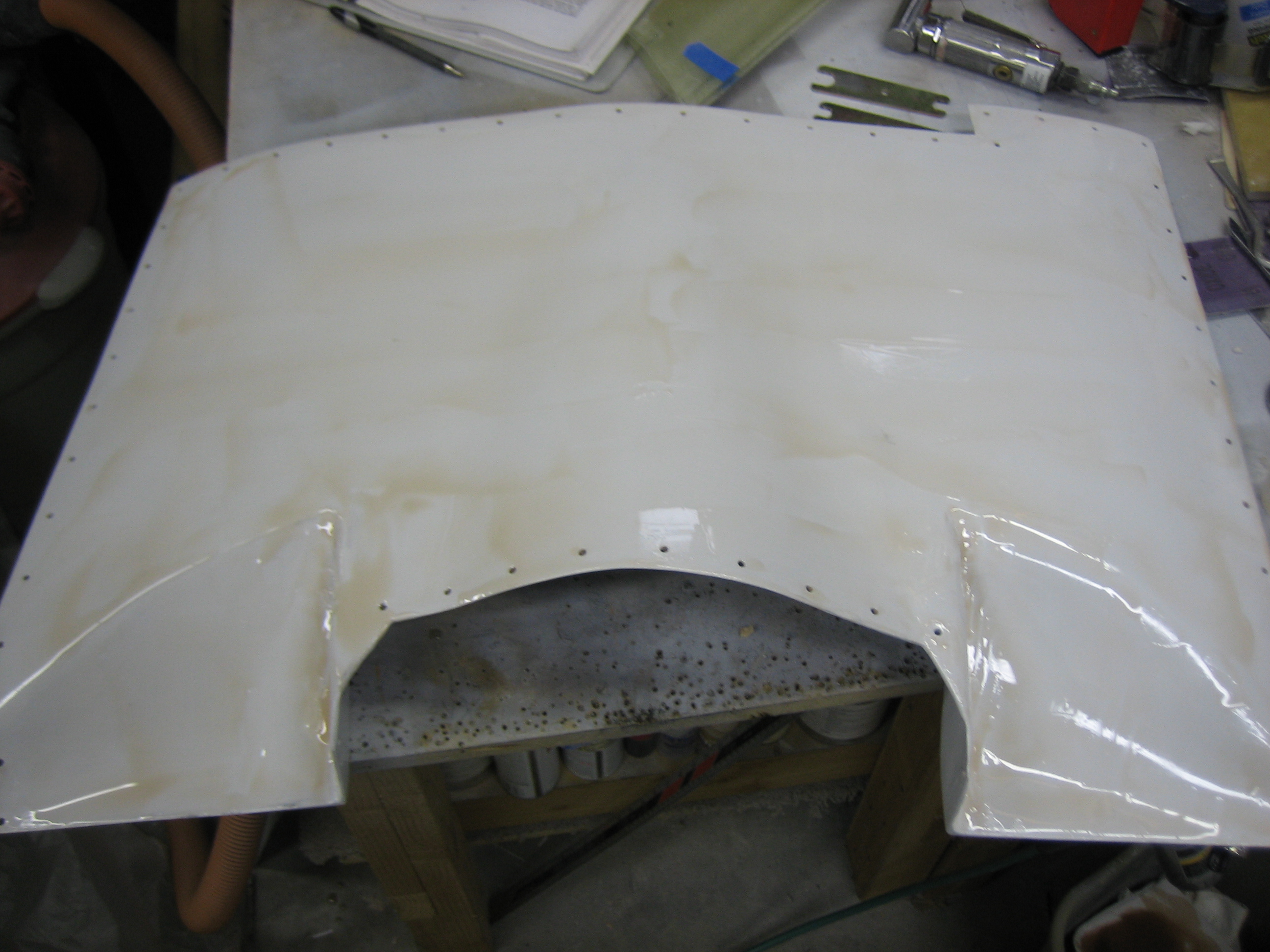
In addition to the bug which landed in my paint job, there were a bunch of scratches and pinholes visible in the finish.  Since this will be very visible with the cowl off, I decided to try out a new technique for surface finishing.  I sanded the surface with 80 grit and then spread raw epoxy over the surface.  After it kicked, I squeegeed as much off as I could and then spread on another coat.  After that kicked, I squeegeed it off as well.  That should fill all of the pinholes and scratches.  I’ll sand this with some finer grit sandpaper before reshooting the primer and finish coat.

Between coats of raw epoxy on the plenum, I got started fitting the wheel pants.

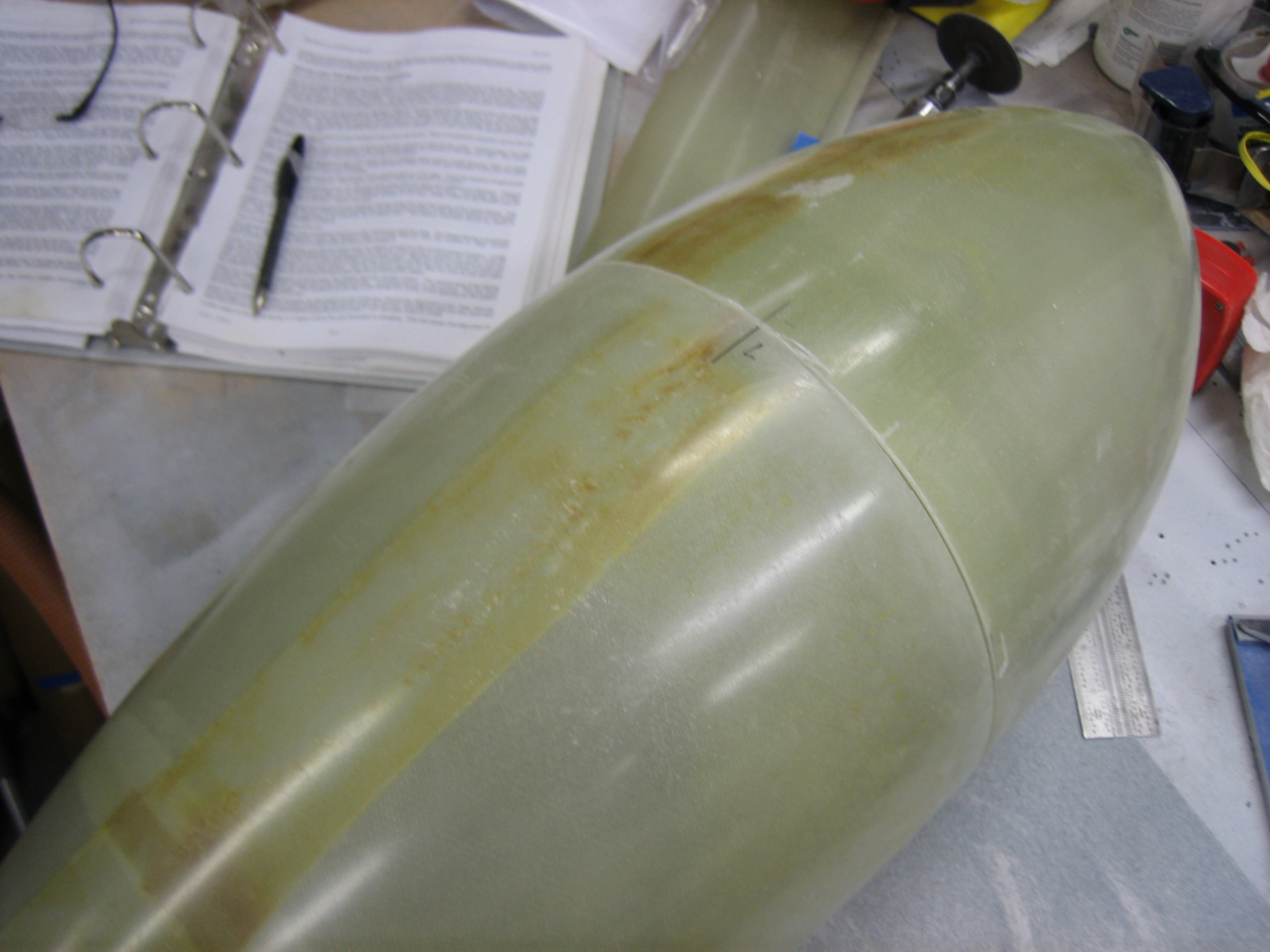
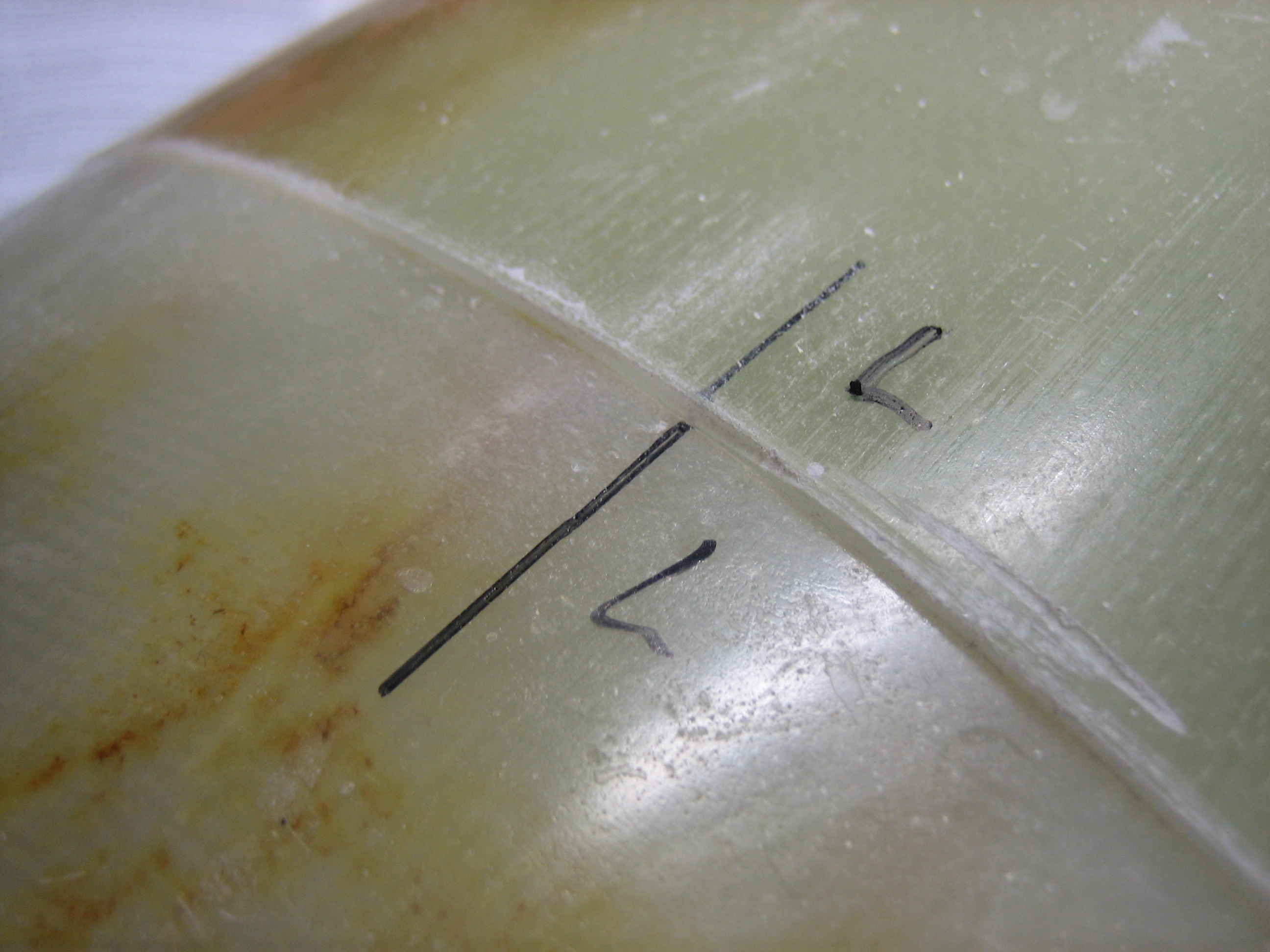
After figuring out where the two halves fit the best, I added some witness marks to make sure I put it back together the same way each time.

I trimmed the forward end to the scribe line and then sanded the edge until it sat flat on the table.  You have to spread the wheel pant slightly when checking because it naturally springs inward a bit.  It you sanded it flat in it’s rest state, the line wouldn’t be straight when installed on the aft half of the pant.

Started Fabricating Jack Stands

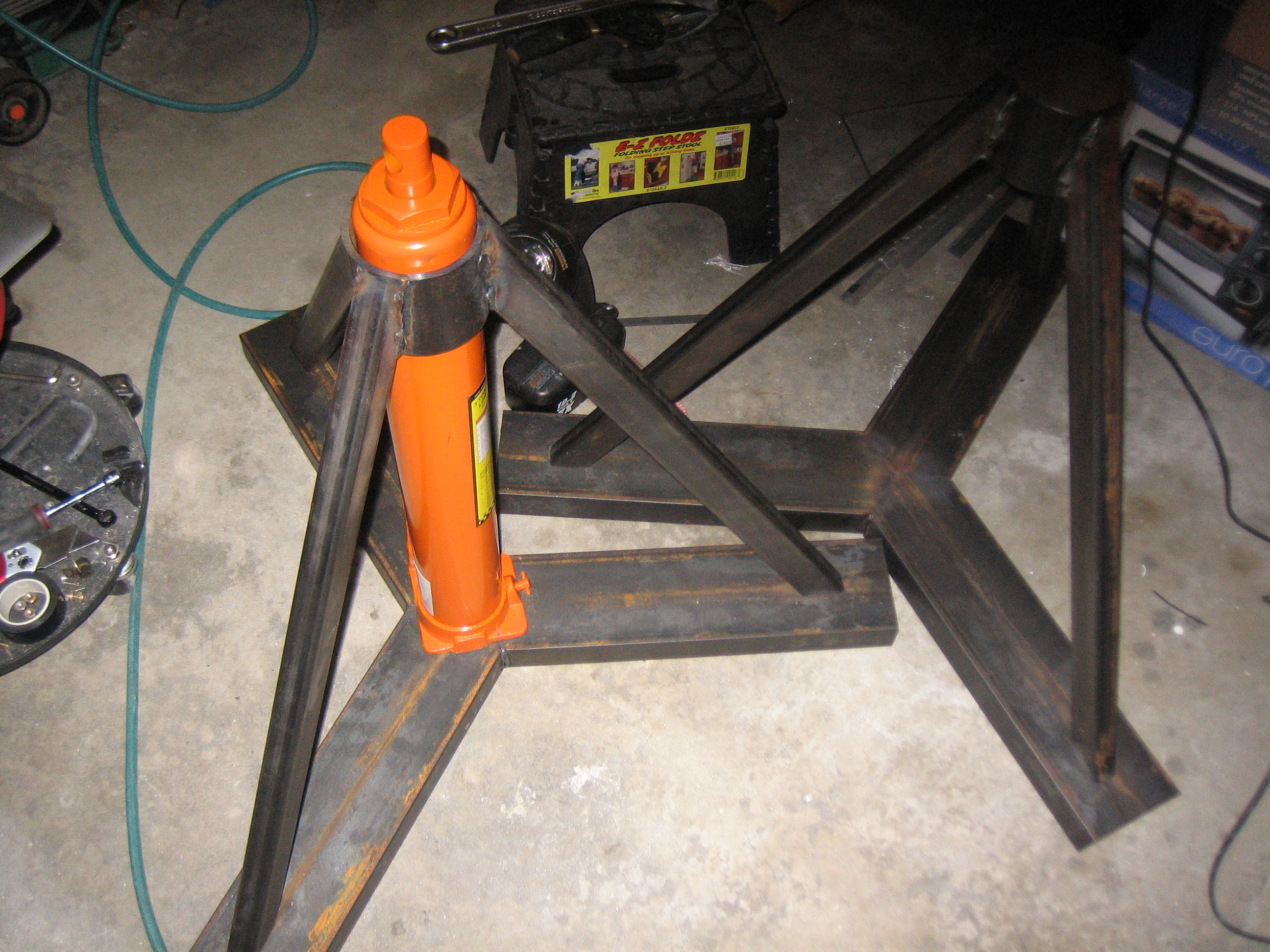
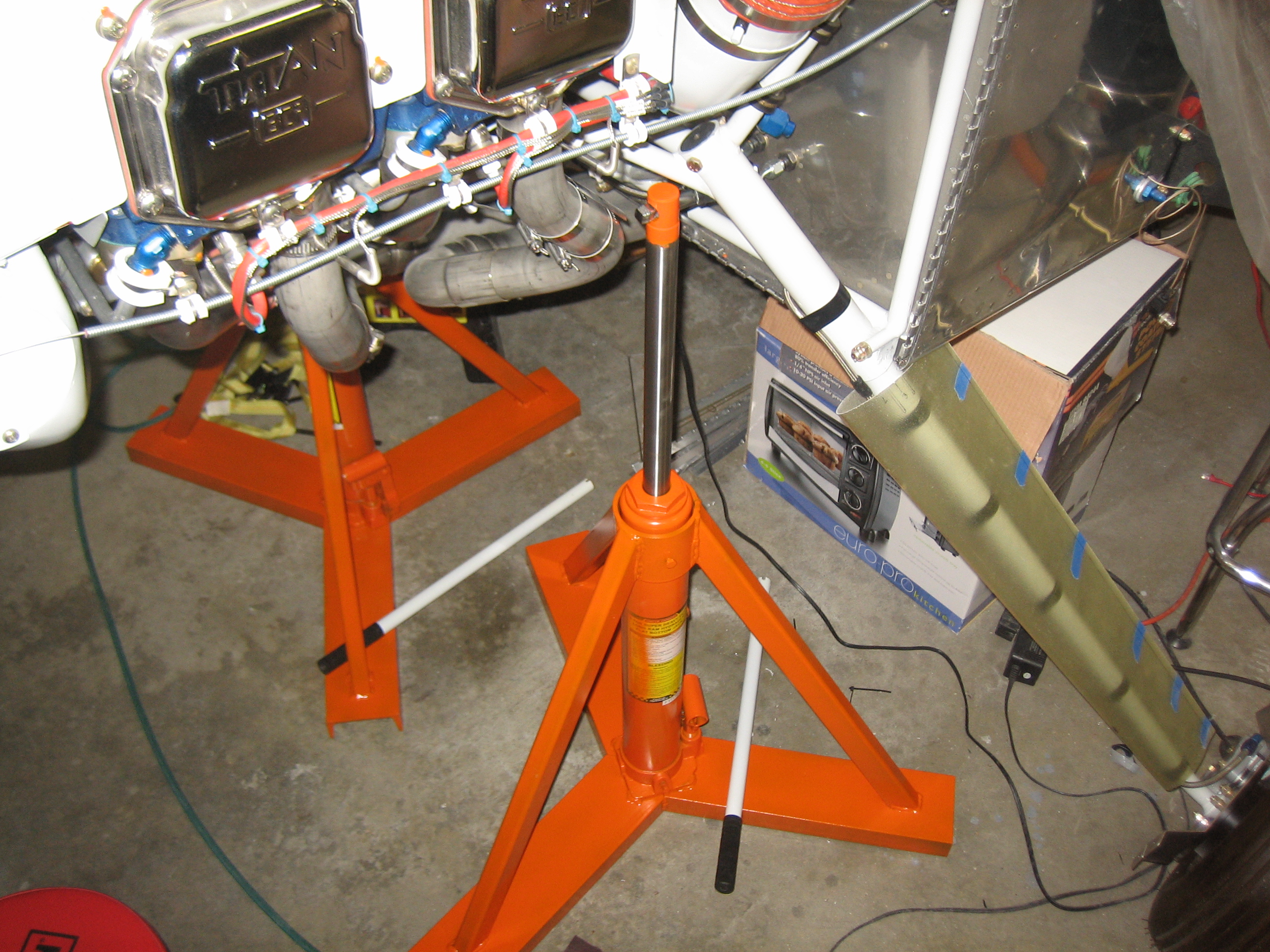
I stopped by a metal scrap yard over lunch and picked up some scrap steel to make some jack stands.  I picked up some 4″ channel for the bases and 1″ x 1.5″ rectangular tubing for the angular supports as well as some 3″ ID tubing for the upper collar.  I cut and welded these up at the TechShop in about two hours after our local EAA meeting.  The angles aren’t welded to the bases yet since I ran out of time and I only had one jack with me.  I’ll wrap these up and paint them shortly.  The collar doesn’t fit tightly over the jack, so I’ll probably also drill and tap a hole in it so that I can insert a bolt to keep the jack from moving.

Additional Filling Around Spinner Ring on Cowl

After pulling off the board I used to create a flat ring around the spinner, I sanded it flat with a long sanding block and added a little more filler to fill in the small depressions left by some wrinkles in the saran wrap.  I also tightened up the gaps between the upper and lower cowl halves a bit.  I’m such a perfectionist, that this part of the construction is going quite a bit slower than I’d hoped.  All of this will be highly visible on the finished plane though, so it’s worth the extra time.

Finished Jacks

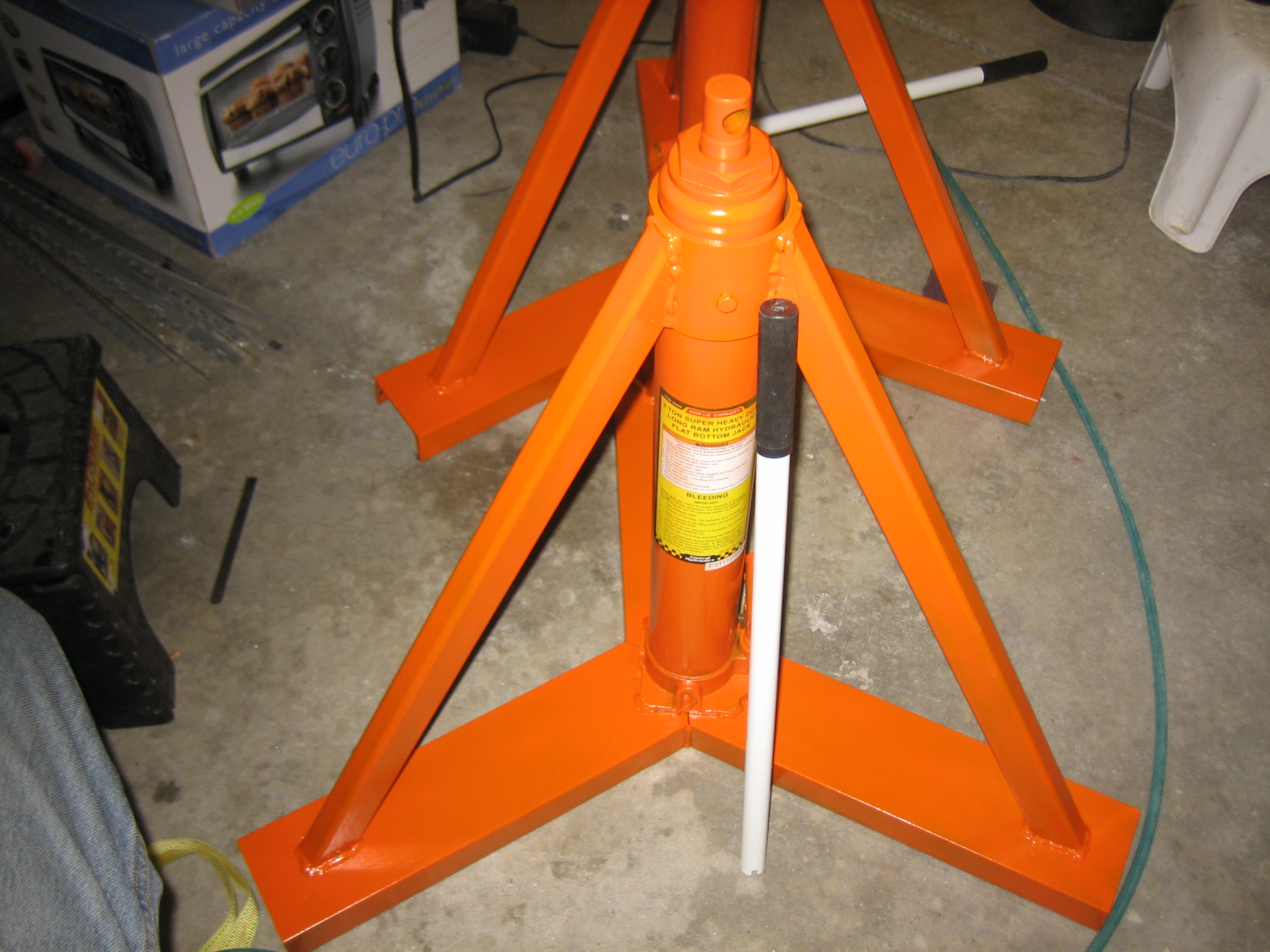
I finished up the jacks this morning down at the Tech Shop.  I’m still not great with the MIG welder, but the welds on this are more than strong enough.  The base of the jack is welded to the frame and a bolt is inserted through the top ring to prevent the jack from moving.  After cleaning it thoroughly, I applied a coat of orange paint that approximately matches the jack.

Started Fitting Wheel Pants

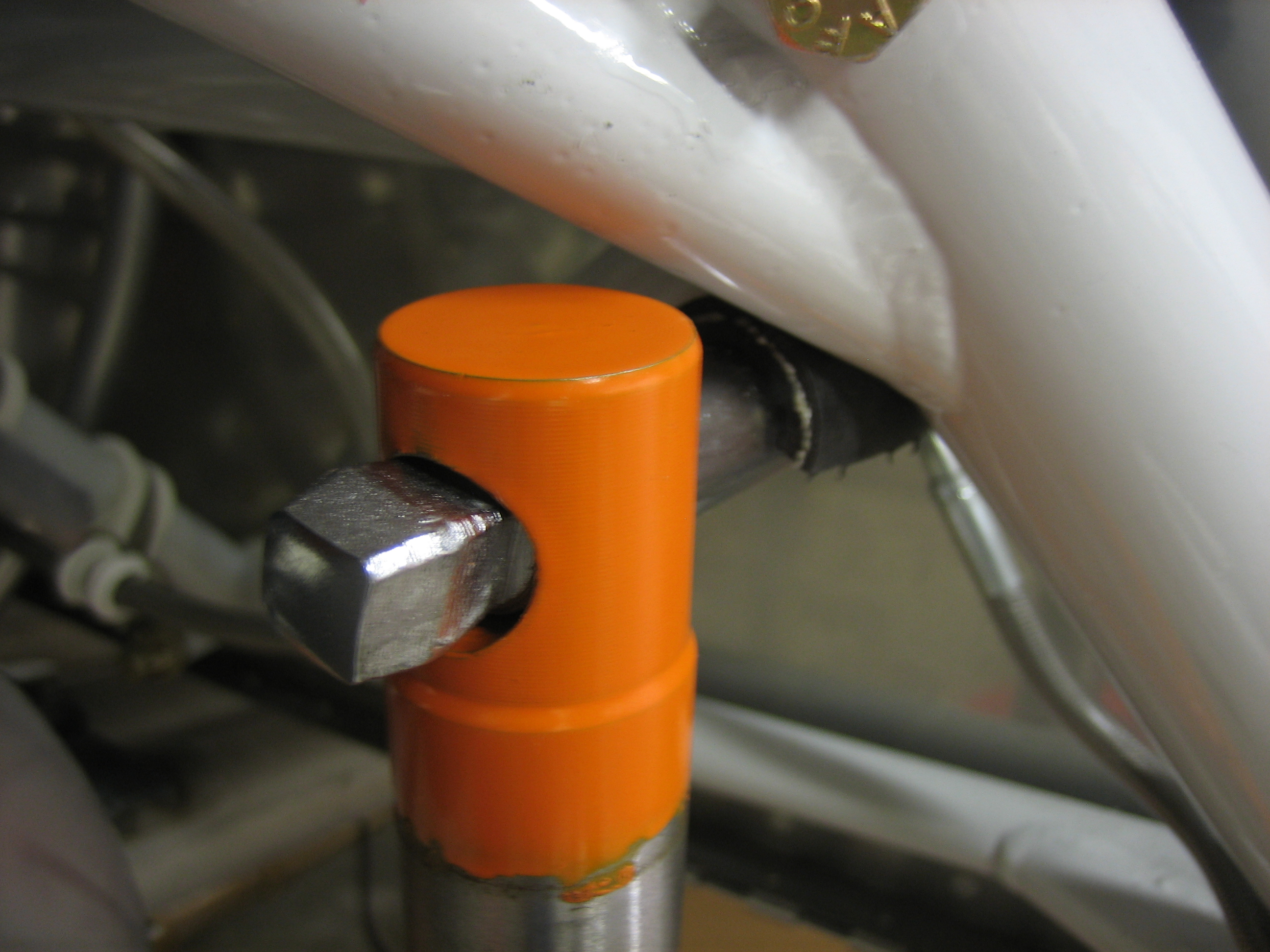
Before fitting the wheel pants, I needed to get the weight off of the wheels and get the fuselage perfectly level in both dimensions.  Since the wings aren’t on, I can’t jack on the tie down points, and I wasn’t comfortable jacking under the firewall flange.  The engine mount is plenty strong, but I didn’t just want to start jacking against one of the horizontal tubes since these are not designed to have loads placed on them perpendicular to the tubing.  Right under the top of the gear leg mount tubing is an exceptionally strong portion of the mount since it handles all of the bear impact loads, but it’s not flat enough to put the jack directly on.  After a little head scratching, I came up with a great way to jack against this point.
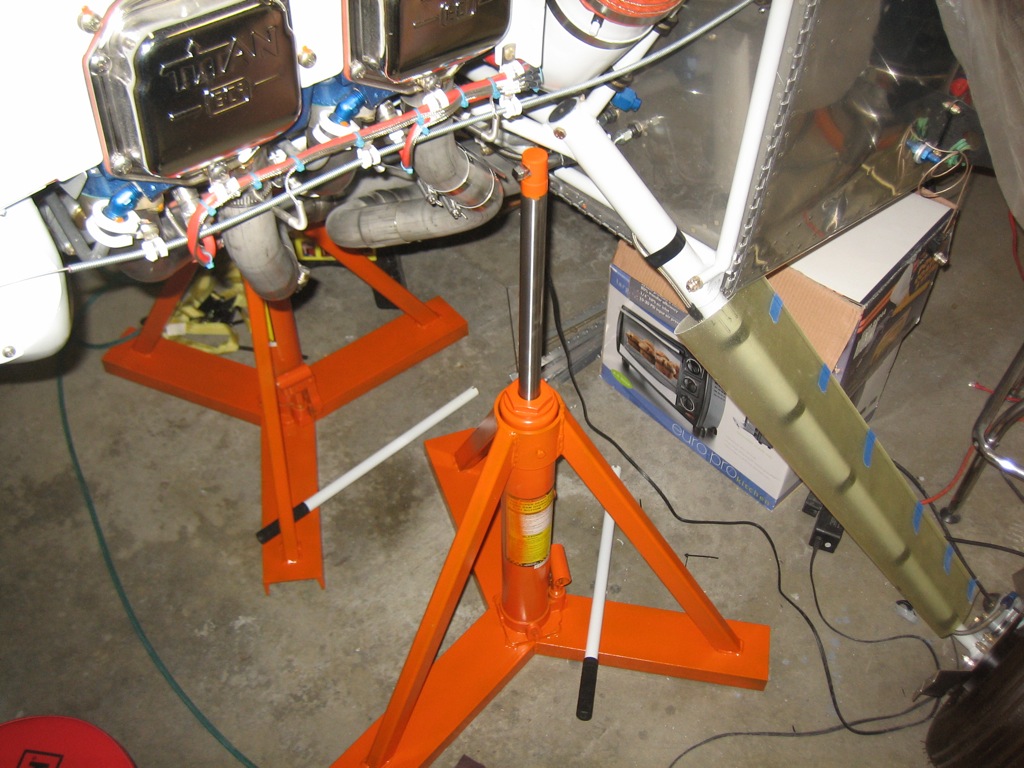
I slipped a 1/2″ socket extension through the hole in the top of the jack and wrapped a piece of MIL6000 hose around the end to pad it.
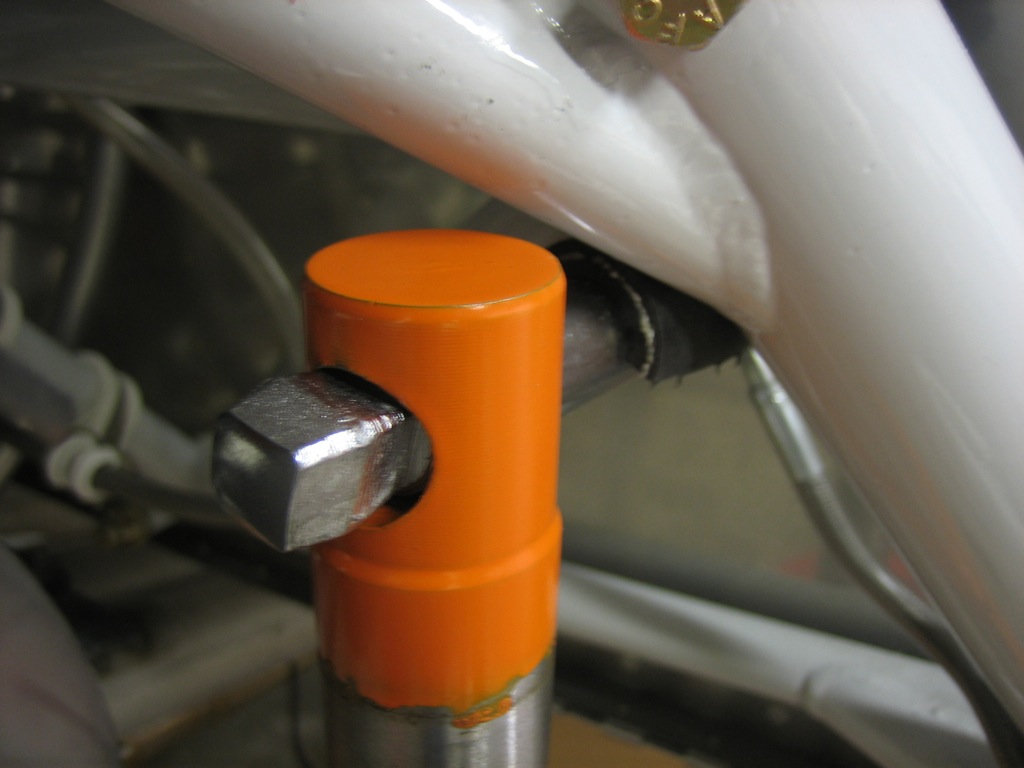
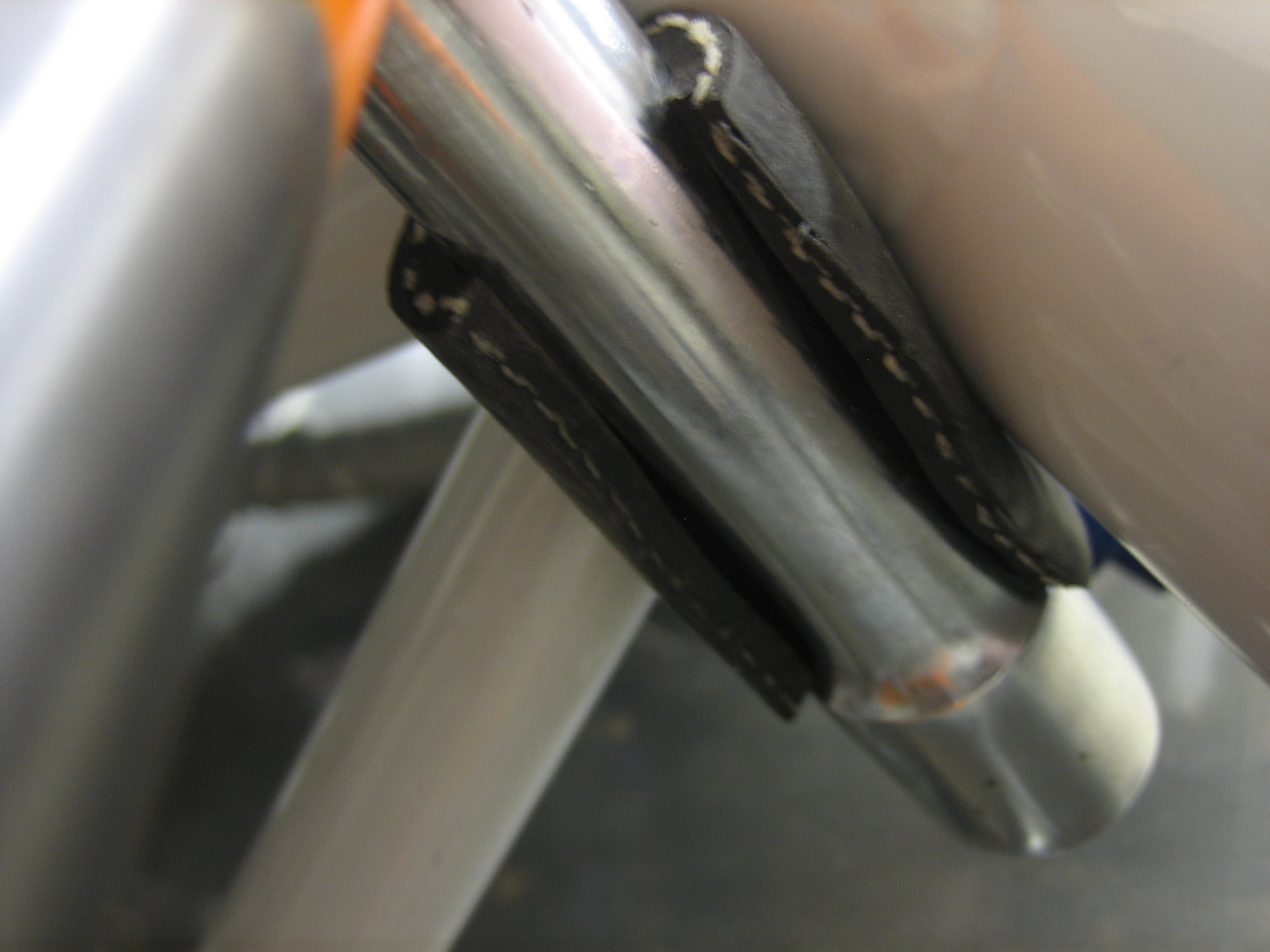
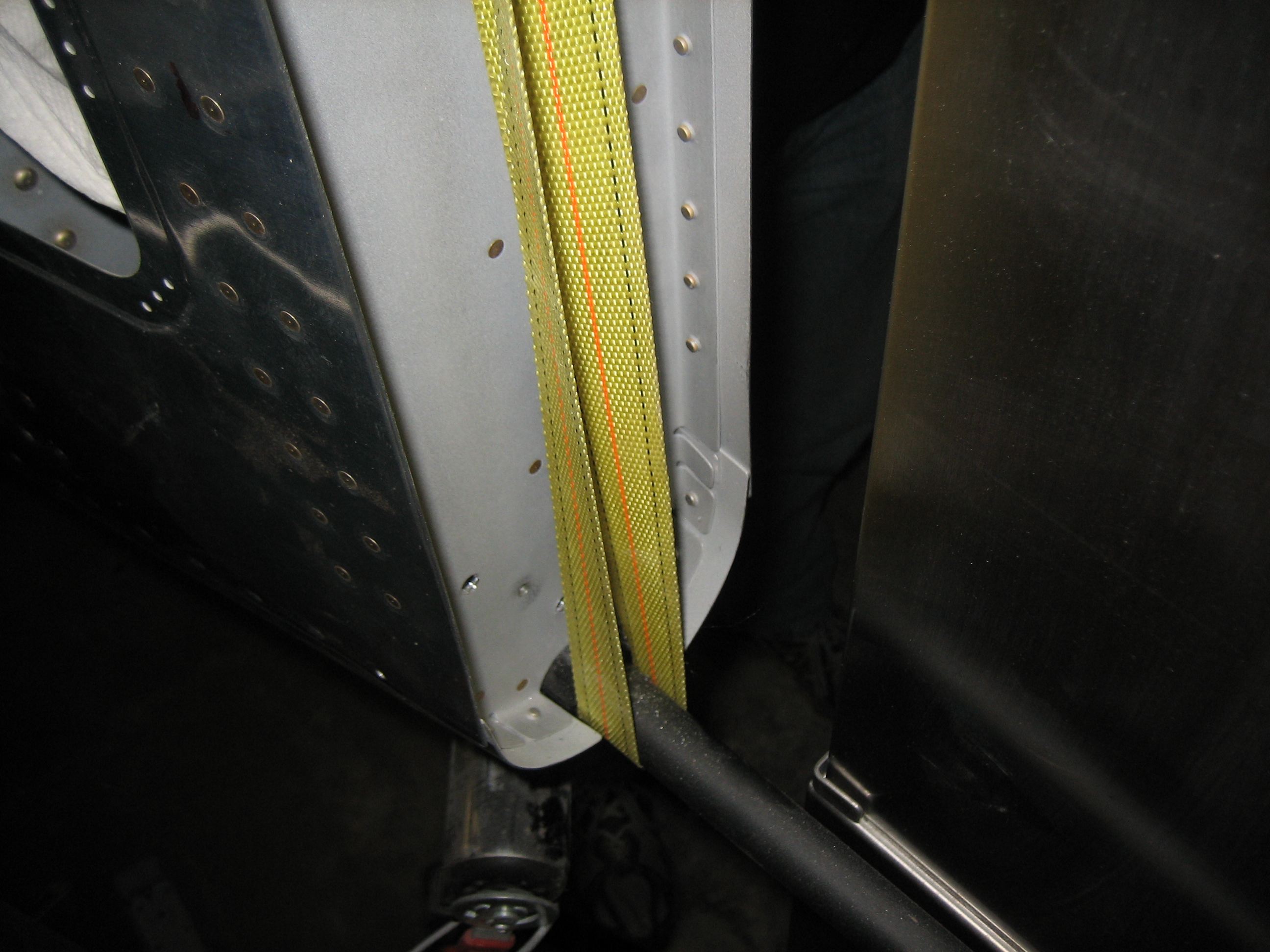
Here’s a shot looking up from underneath showing how the hose pads the jack point.
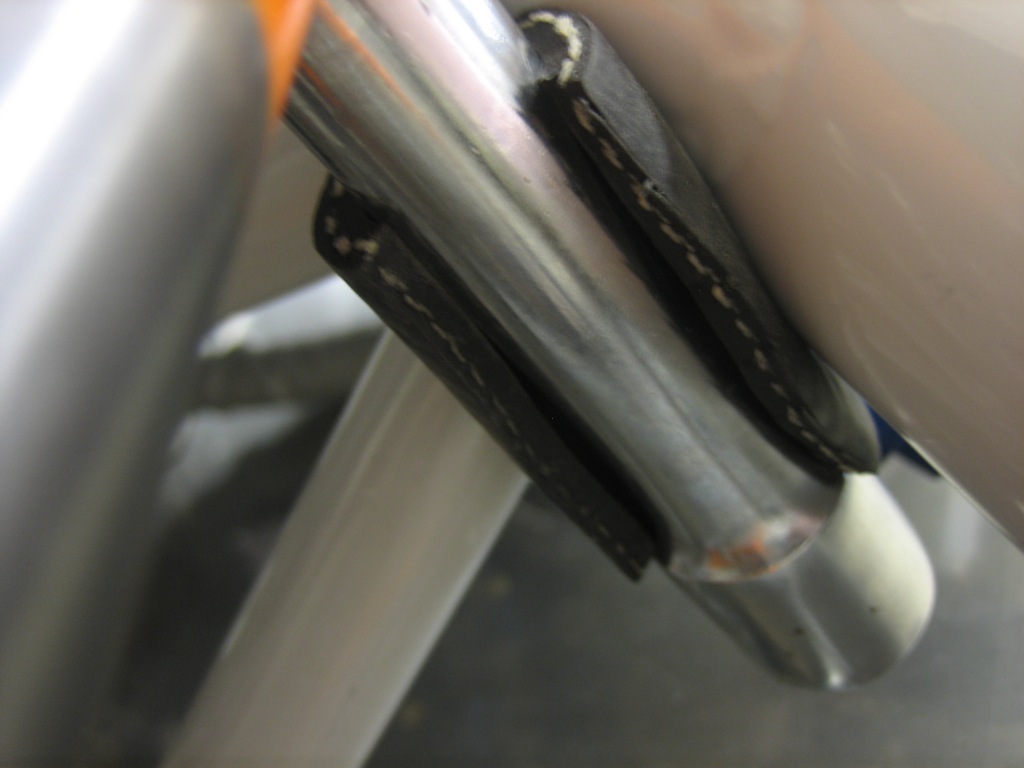
After jacking up the front, I raised the tail until the fuselage was level at the longerons.  I also confirmed it’s level laterally.
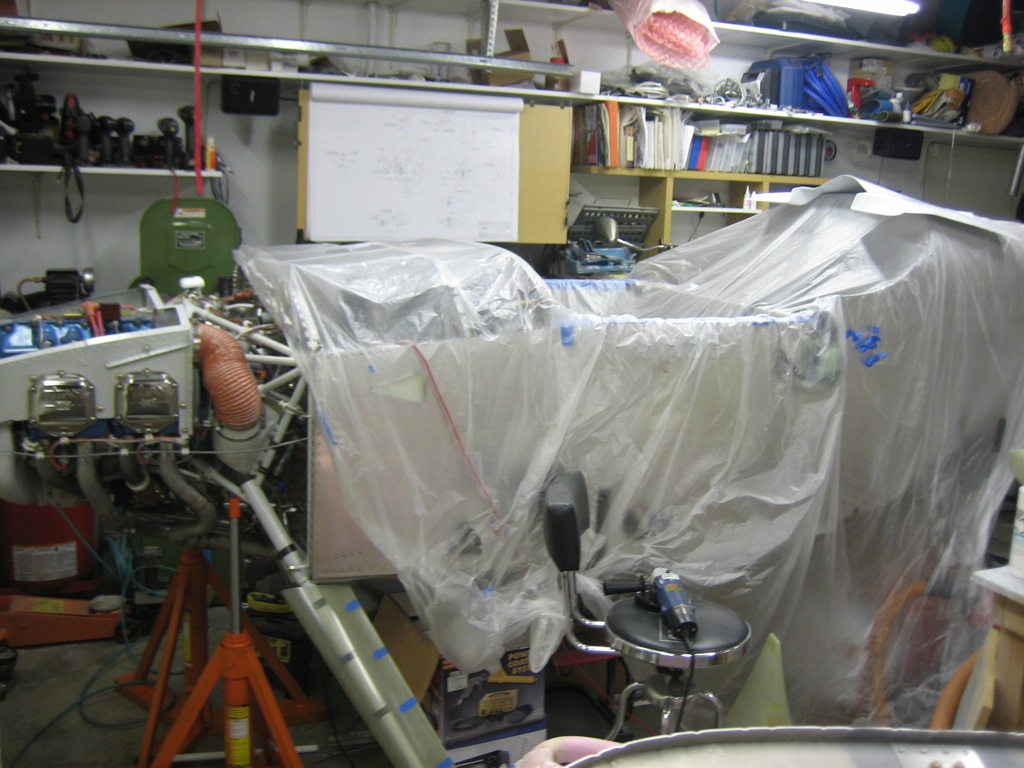
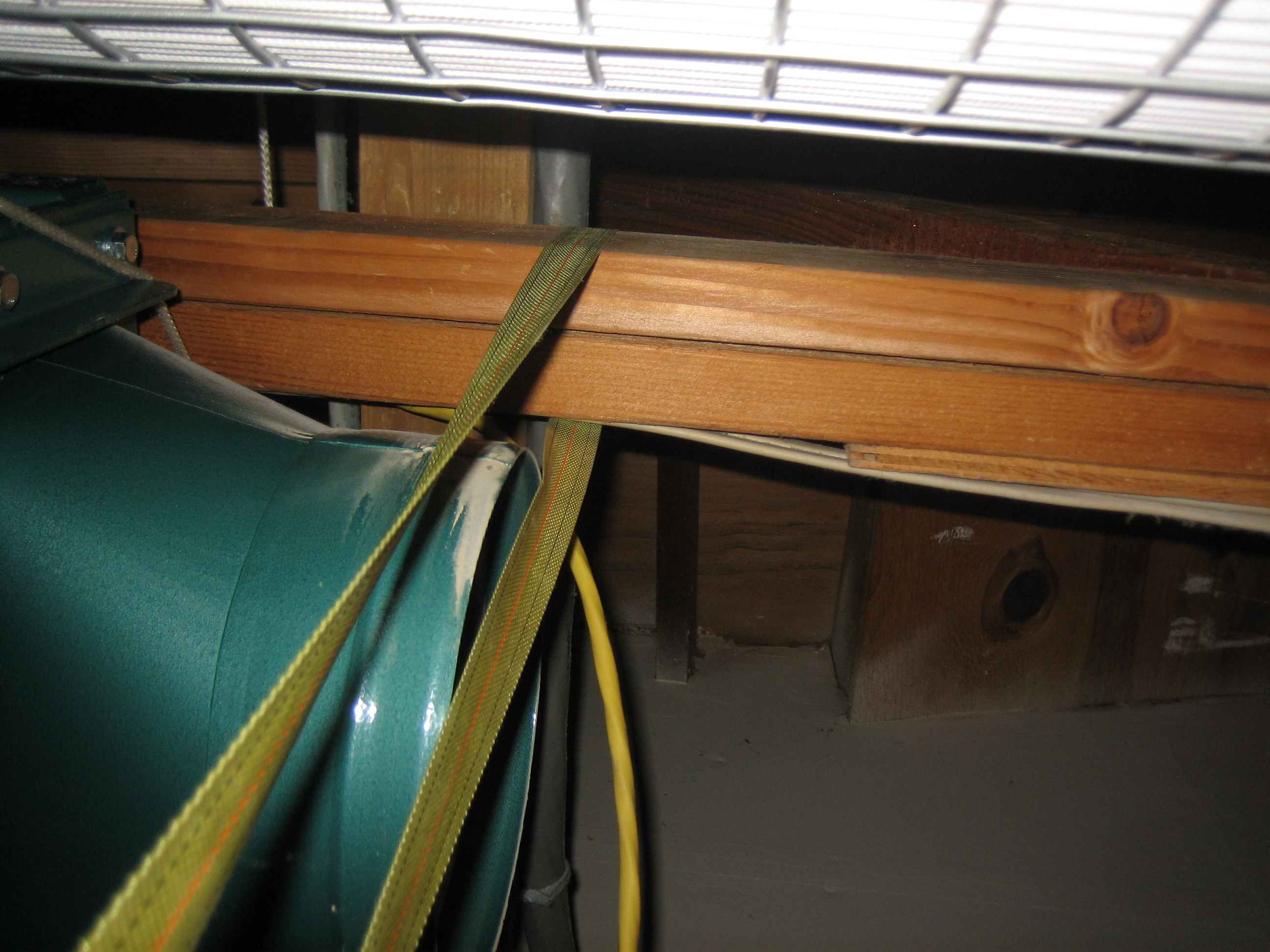
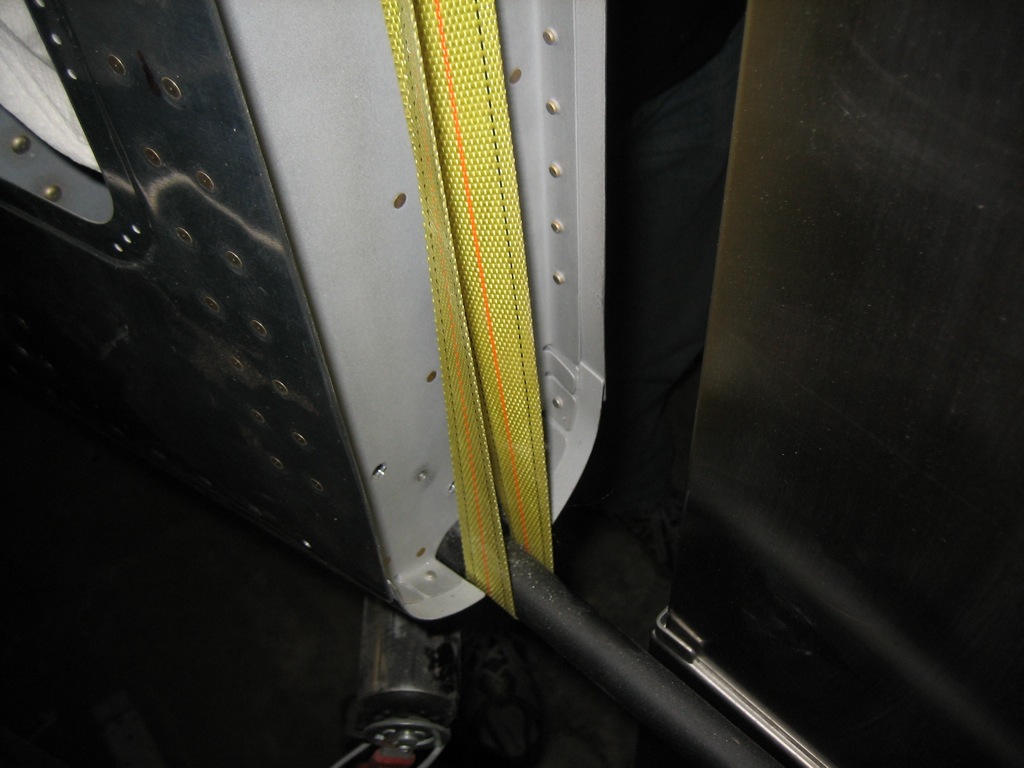
I’m holding the tail up using a strap around the tailwheel spring.
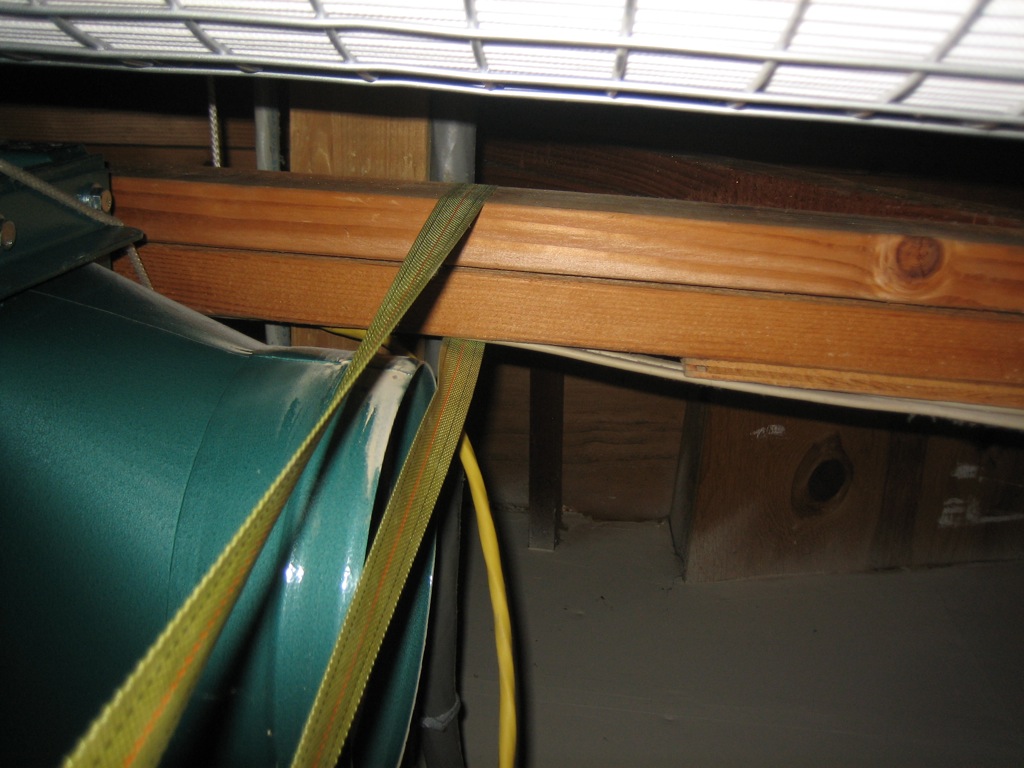
The other end is wrapped around one of the rafters in the ceiling.  The giant green thing is my cyclone dust collector from when the garage was a wood shop.
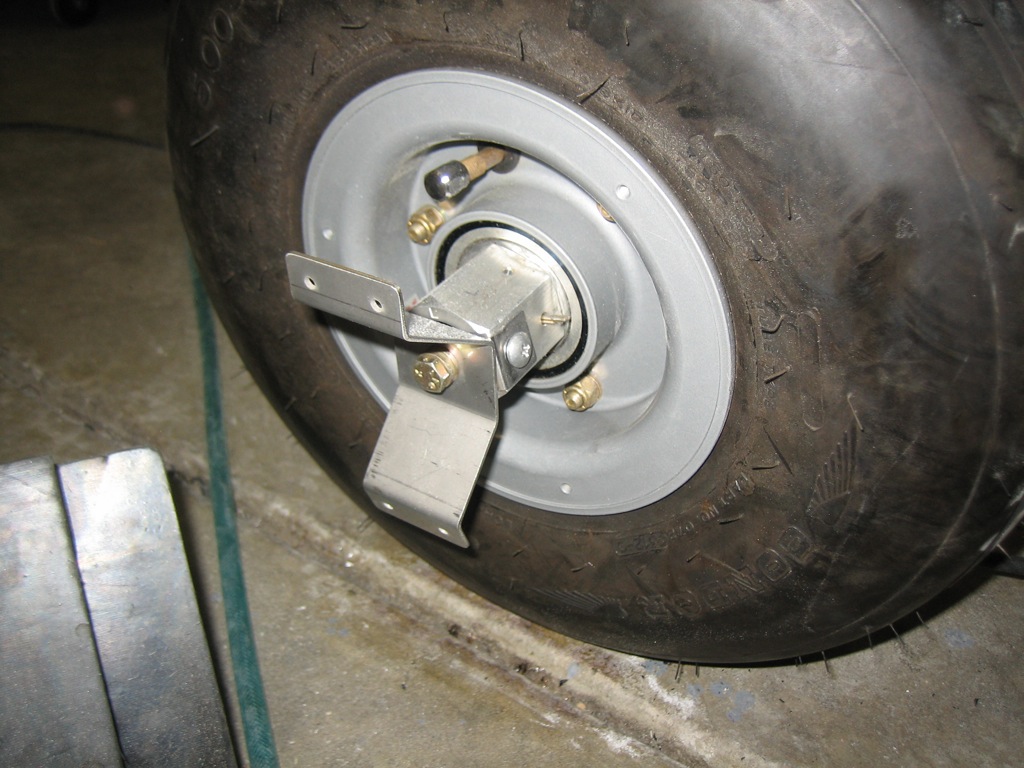
Next, I adjusted the outer wheel pant attach bracket to be perpendicular to the floor using a carpenter’s square.
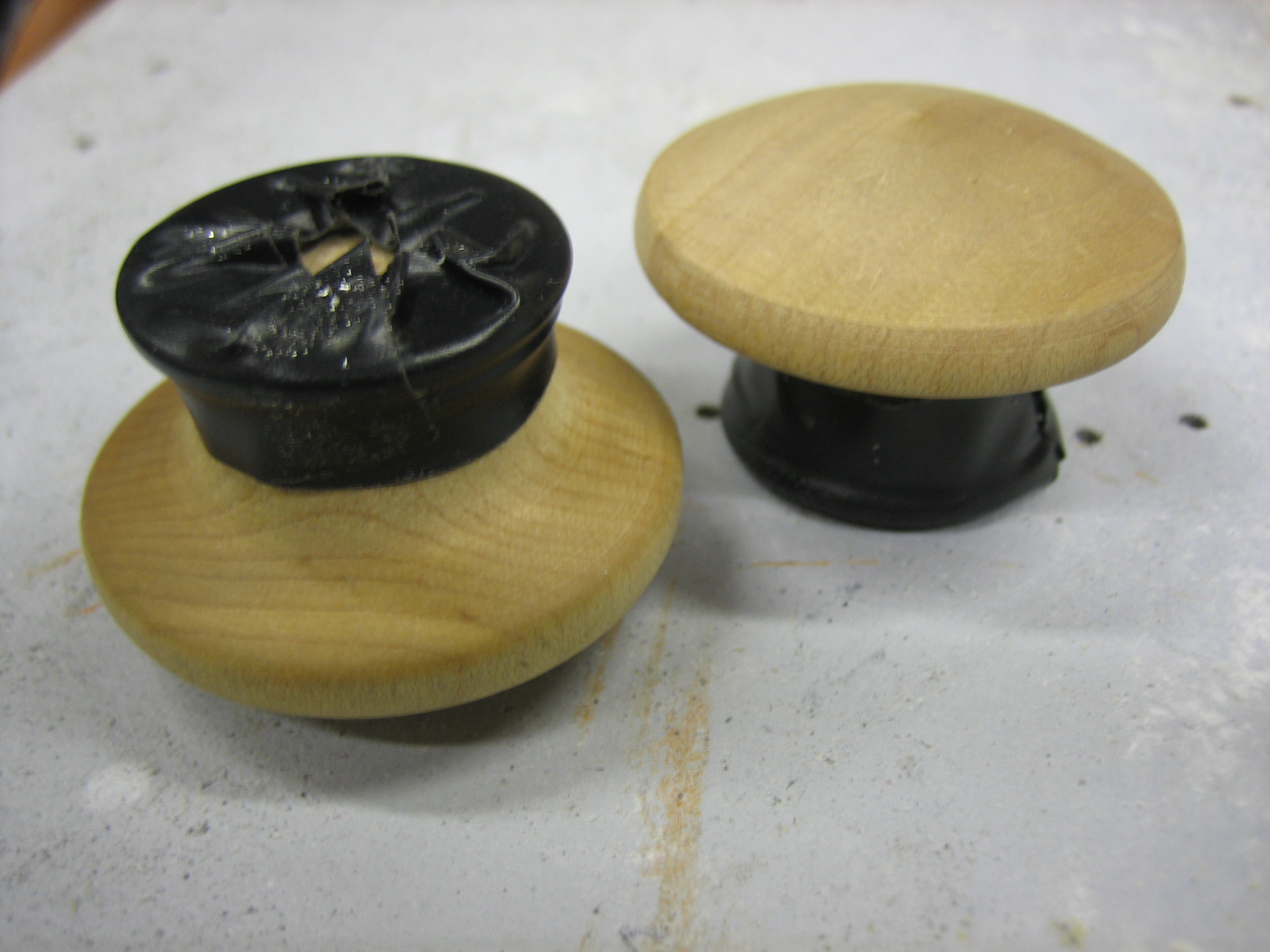
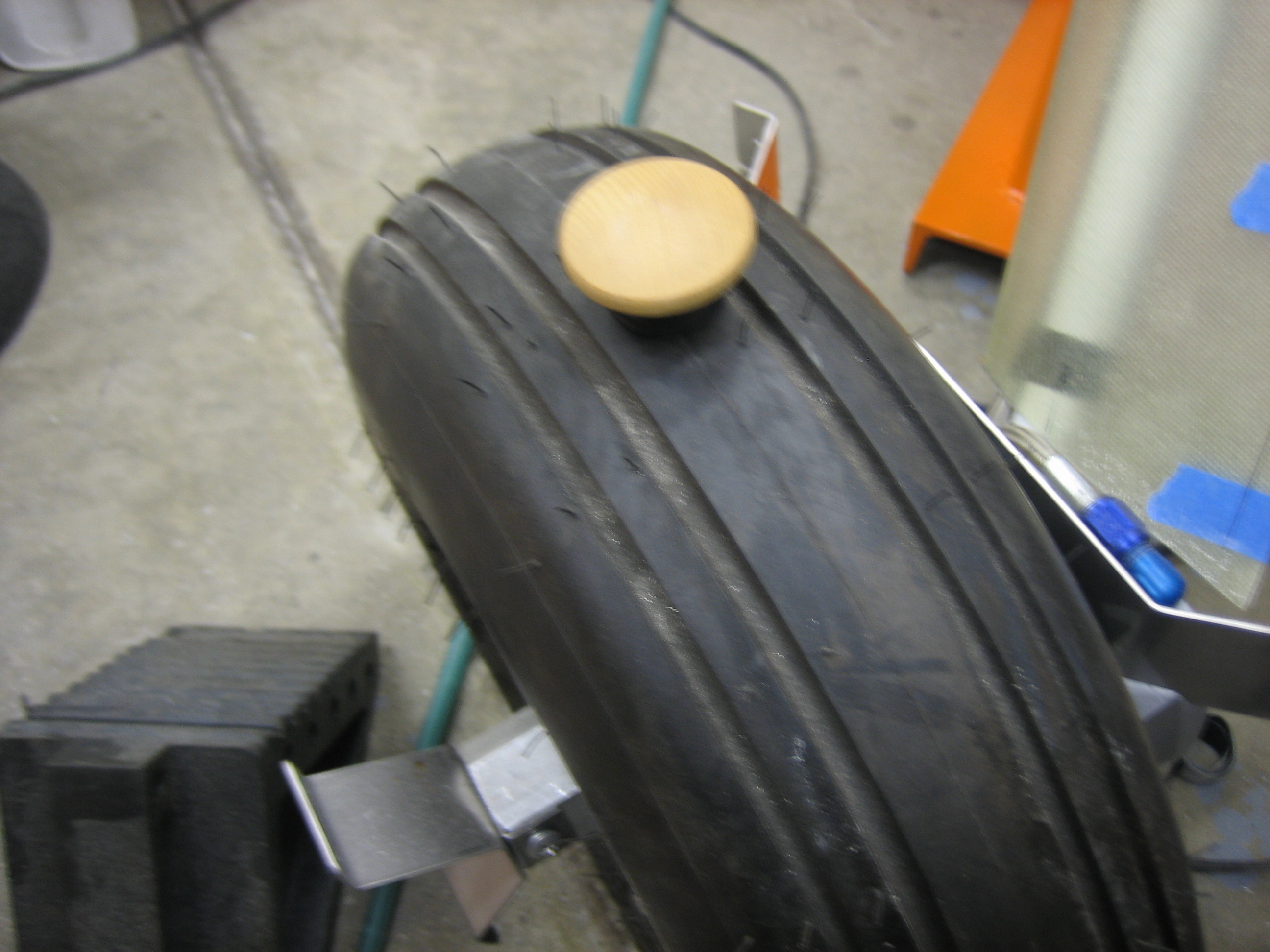
The wheel pant needs to be 1″ above the top of the wheel.  I hunted around the shop for a bit and found these old wooden knobs.  I taped a washer to the end to bring them up to exactly 1″ thick.
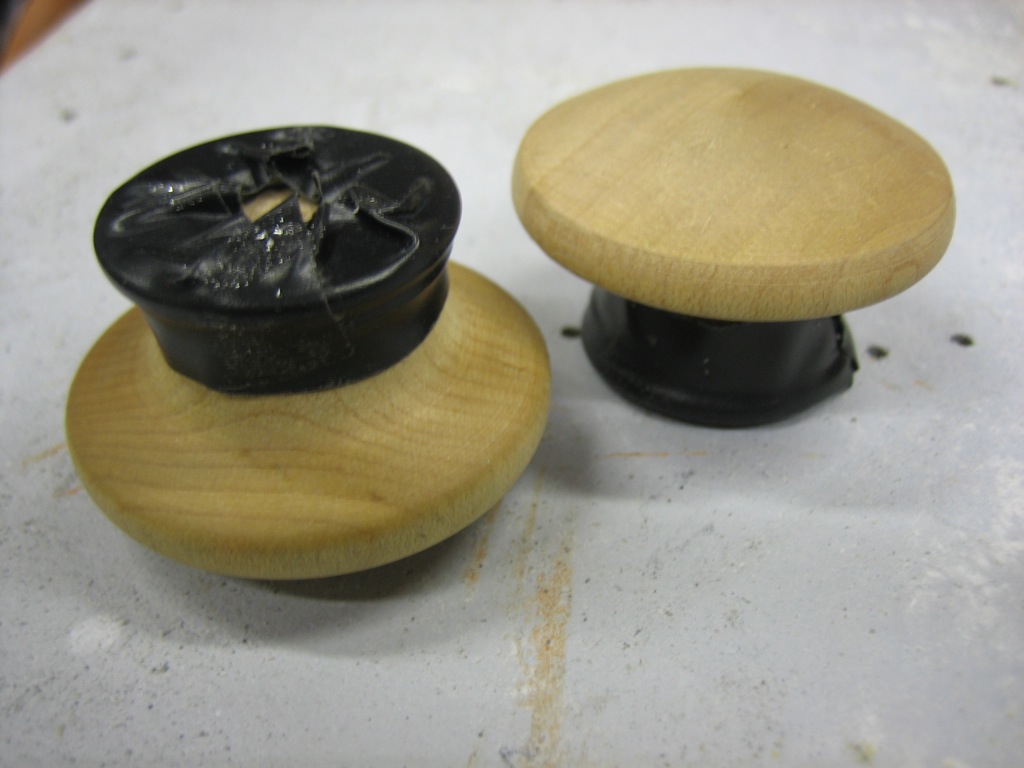
These will sit on the top of the tire to keep the wheel pant the appropriate distance away.  After this, I used a long piece of duct tape to temporarily attach the knob to the tire.
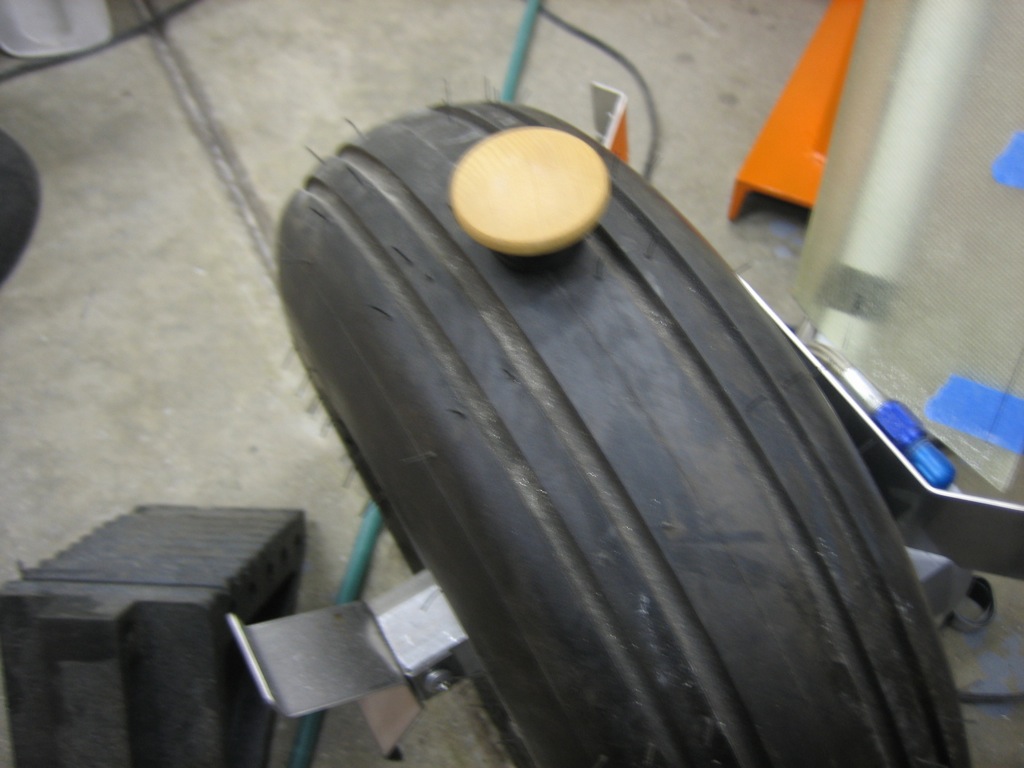
After opening up the hole on the bottom for the tire and trimming a relief on the inside for the gear leg, I fit the wheel pant for the first time.  This is going to require quite a bit of adjustment, but it’s approximately the right position here.
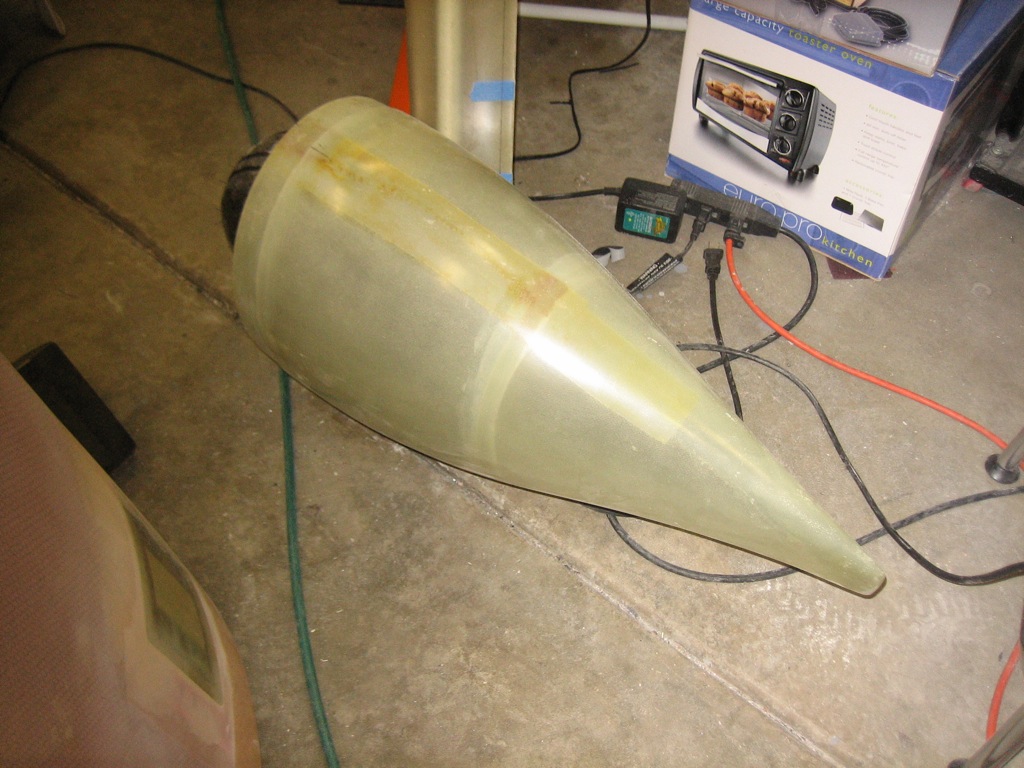
More Cowl Filling

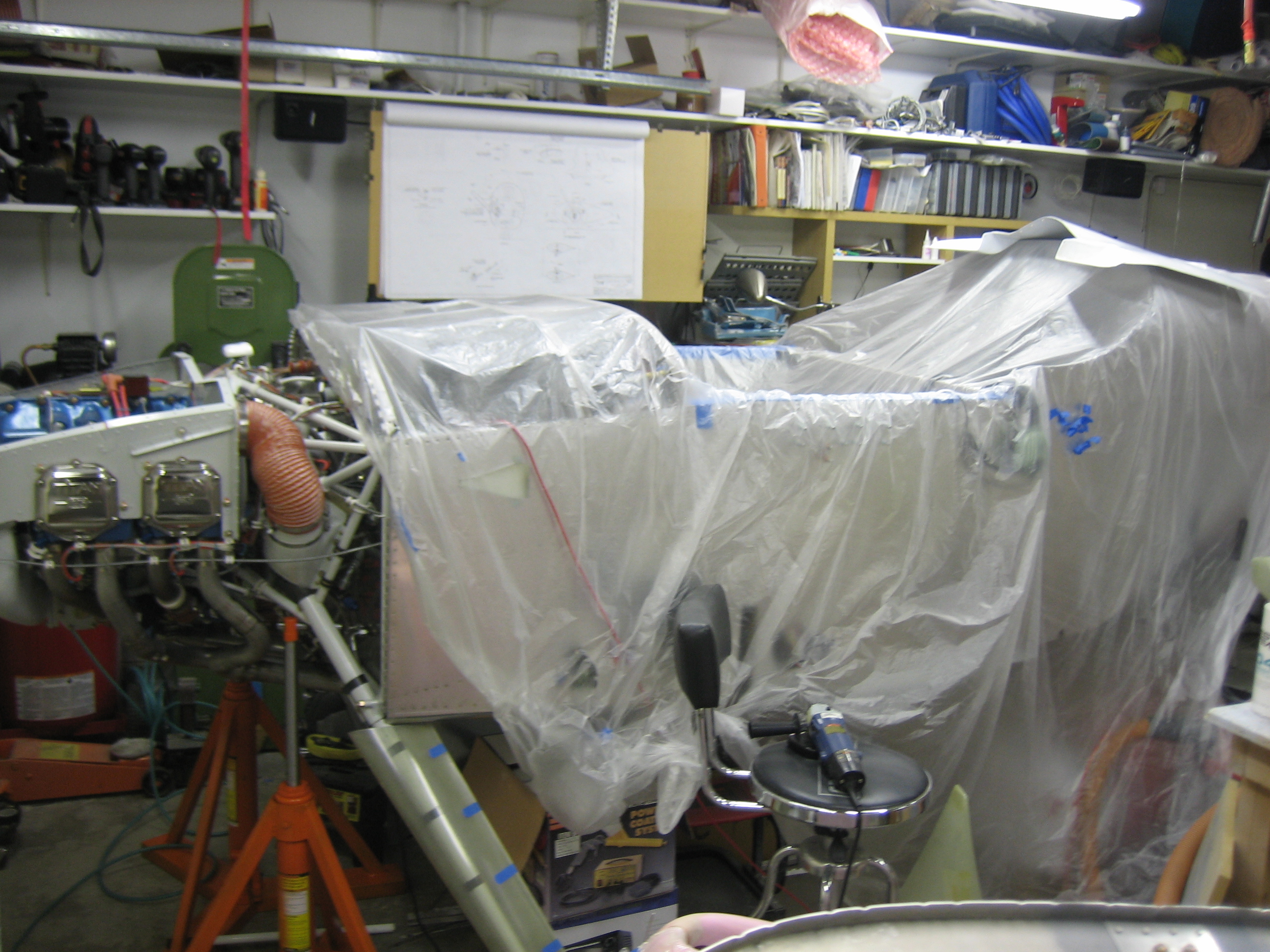
I had been planning on installing the wheel pants and gear leg fairings while the plane was on jacks, but I’m simply running out of room in my garage.  I needed to lay on the floor to align the left wheel pant, and I practically couldn’t do it.  I had really hoped to accomplish pretty much all the construction at home, but it looks like the gear fairings will have to wait until I’m at the hangar.
Anyway, I mixed up another coat of epoxy with microlight and built up a little bit more around the air inlets.  Here’s the upper cowl on the outside edge of the right inlet.  The electrical tape is preventing the filler from lapping over onto the lower cowl and will provide a nice reference when sanding this to shape.

I also applied a little more filler to the inside edges of the inlets to fill in a small step that I had.

Here’s the outside edge of the upper cowl next to the left air inlet.

I also sanded down the second coat of filler on the prop ring.  I still need to see how the gap looks with the prop on, but I’m pretty sure that the gap will be uniform all the way around.