Cabin Wiring, Paint and Air Vents

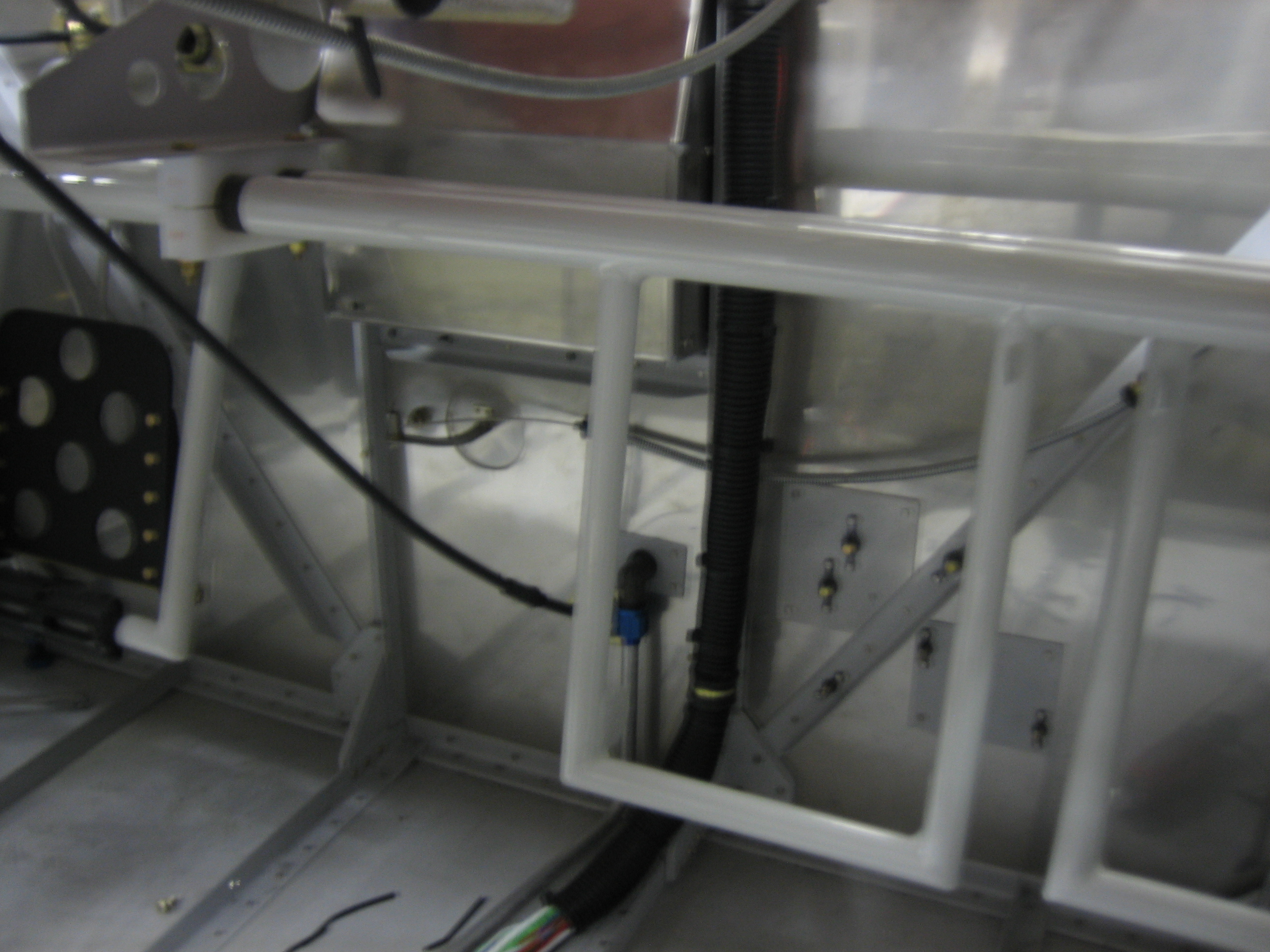
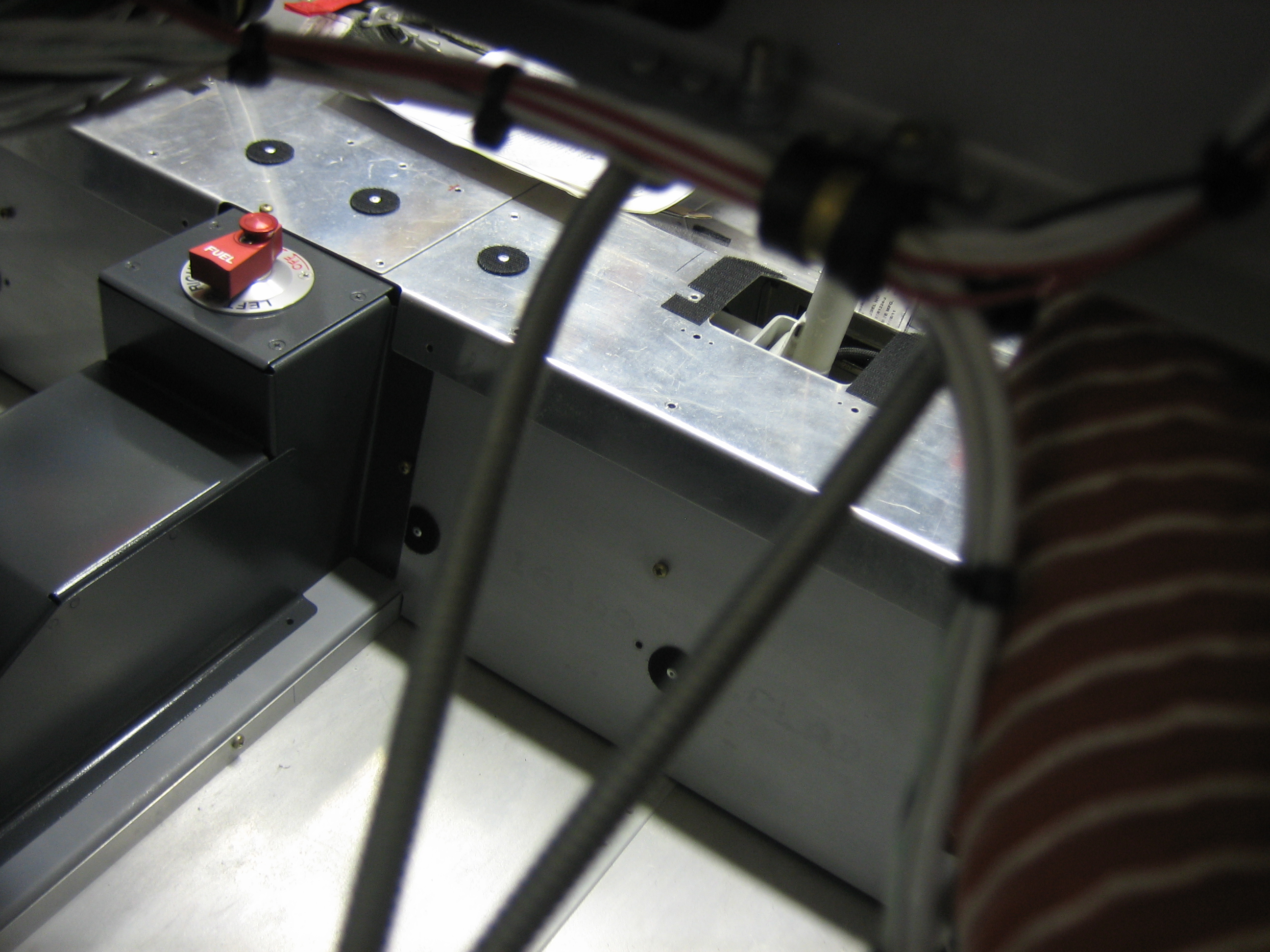
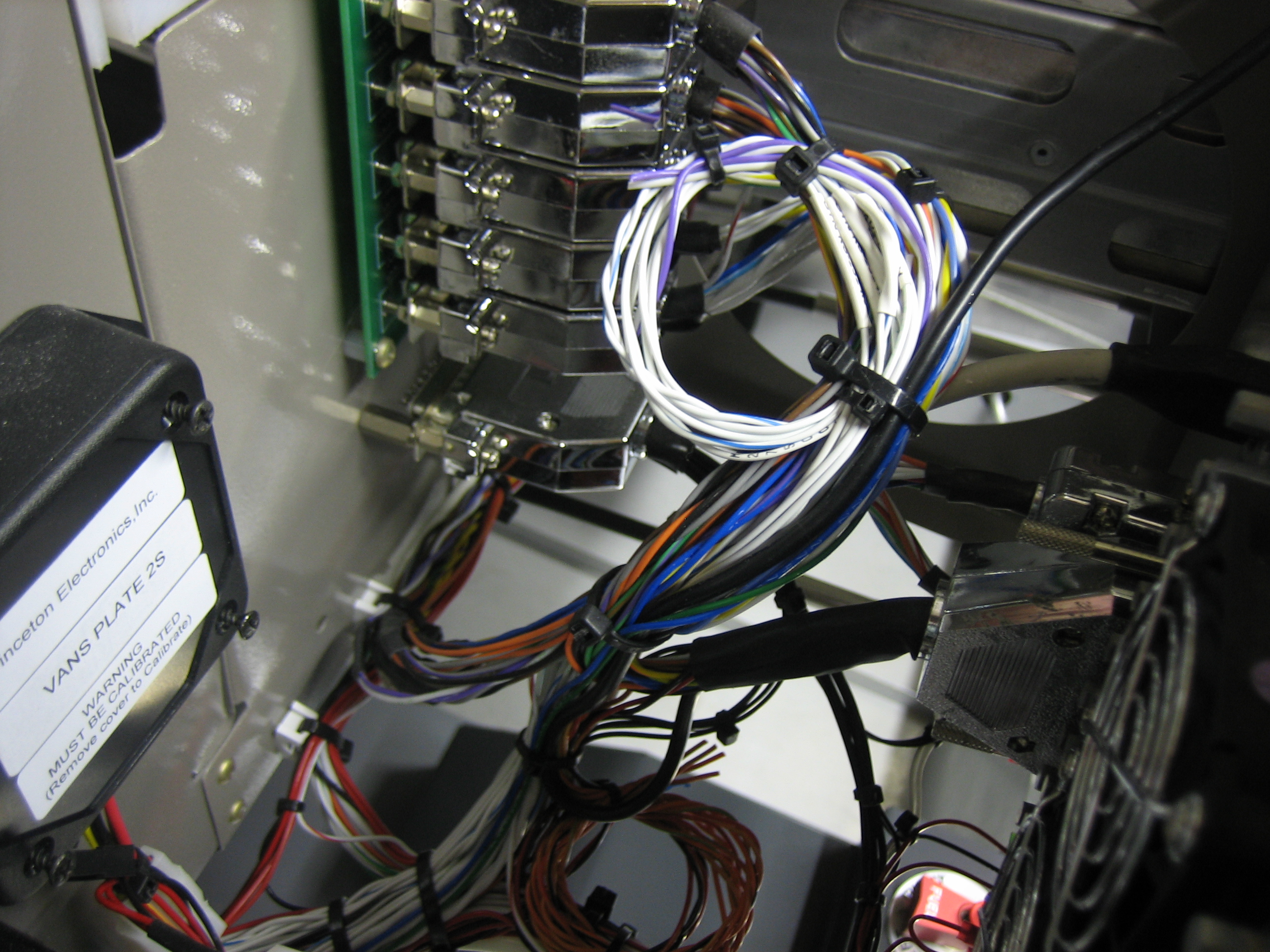
I installed some split conduit over the wiring bundle where it runs down the firewall.  This will keep it tidier and make it look better.

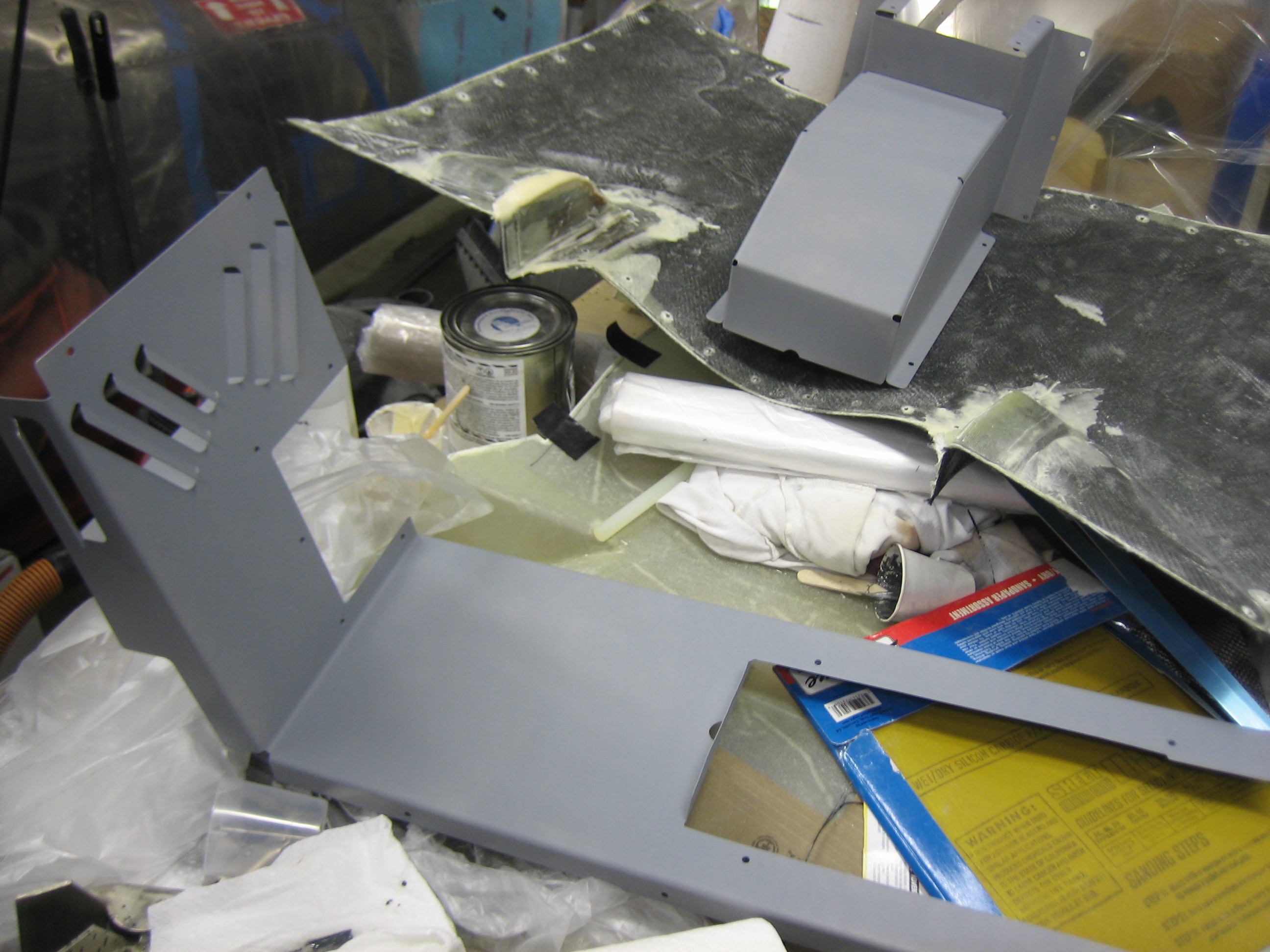
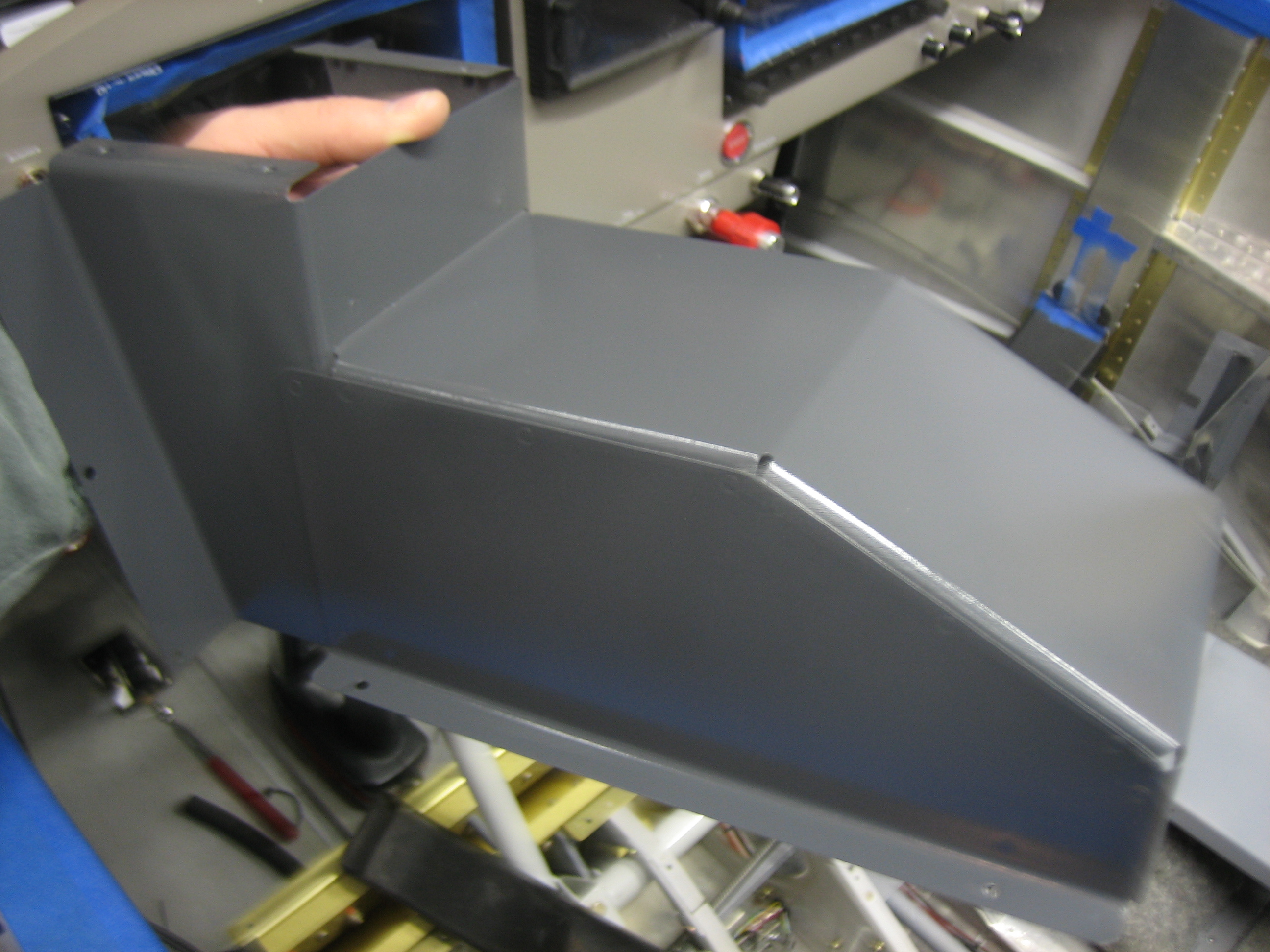
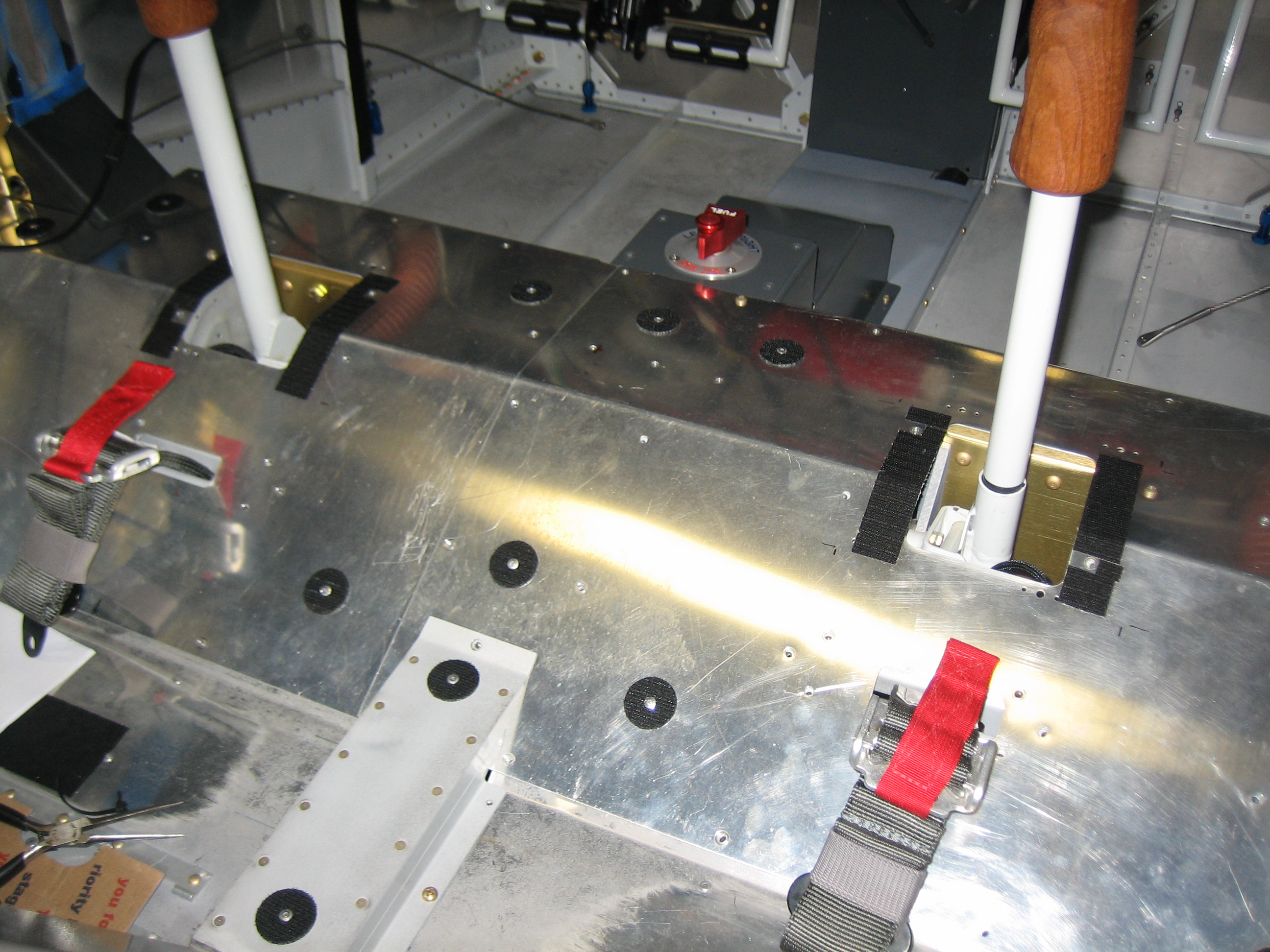
I also cleaned and primed all of the components to install forward of the spar to cover the center tunnel.

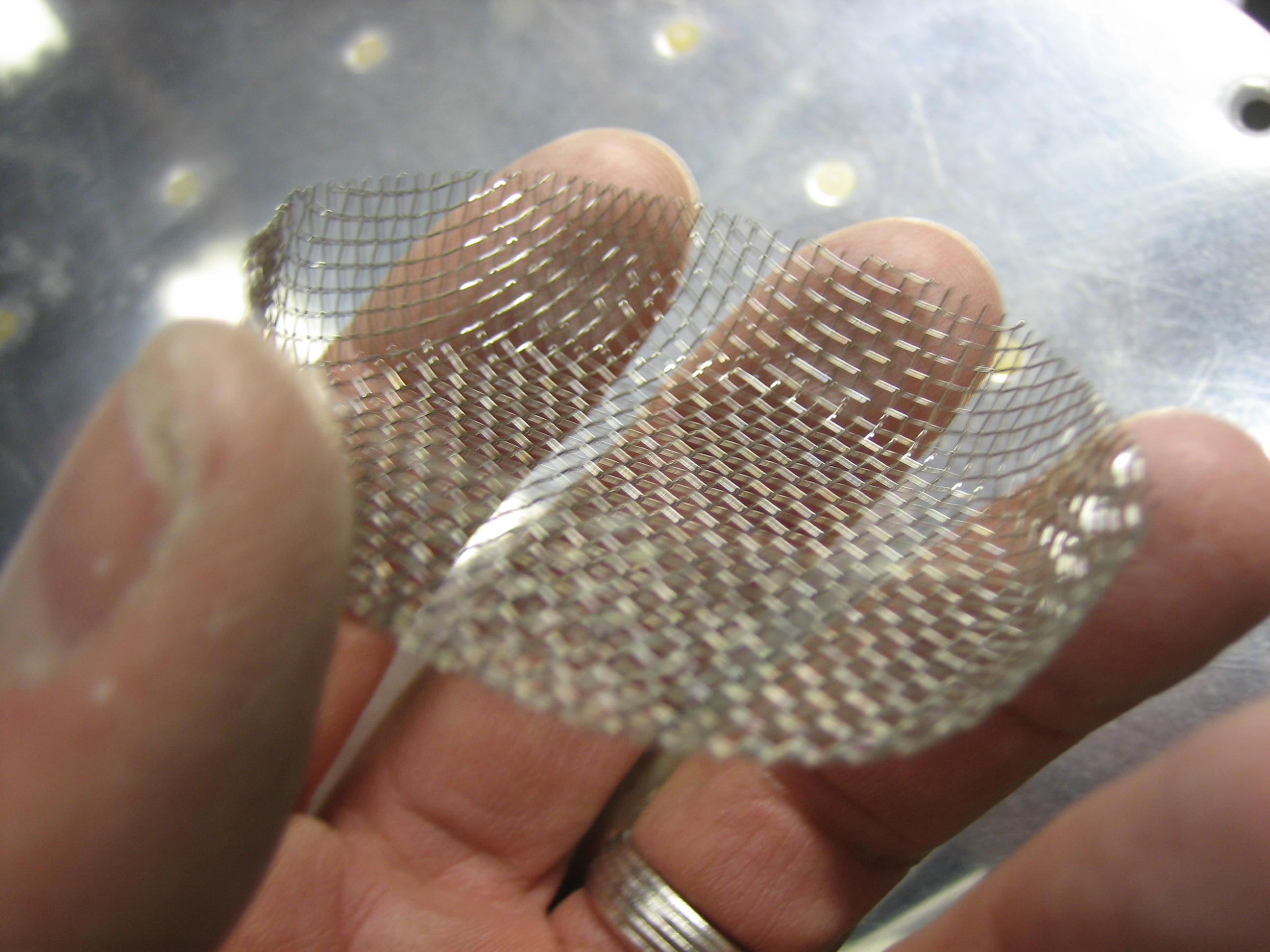
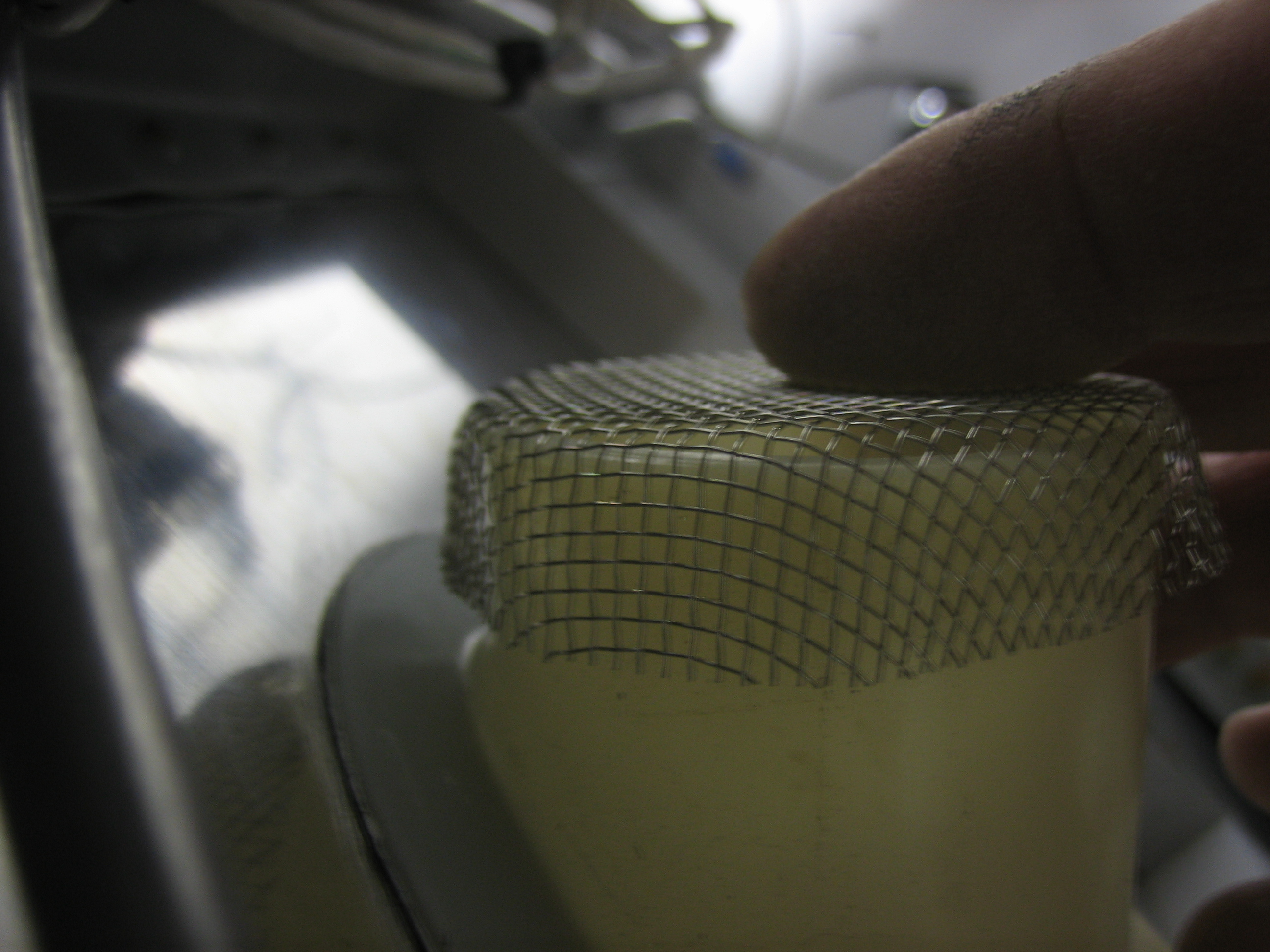
Finally, I formed some stainless steel mesh over the air inlet.

This will be installed here and the SCAT duct will hold it in place.  This will keep bugs and debris from getting pulled in through the air vents.

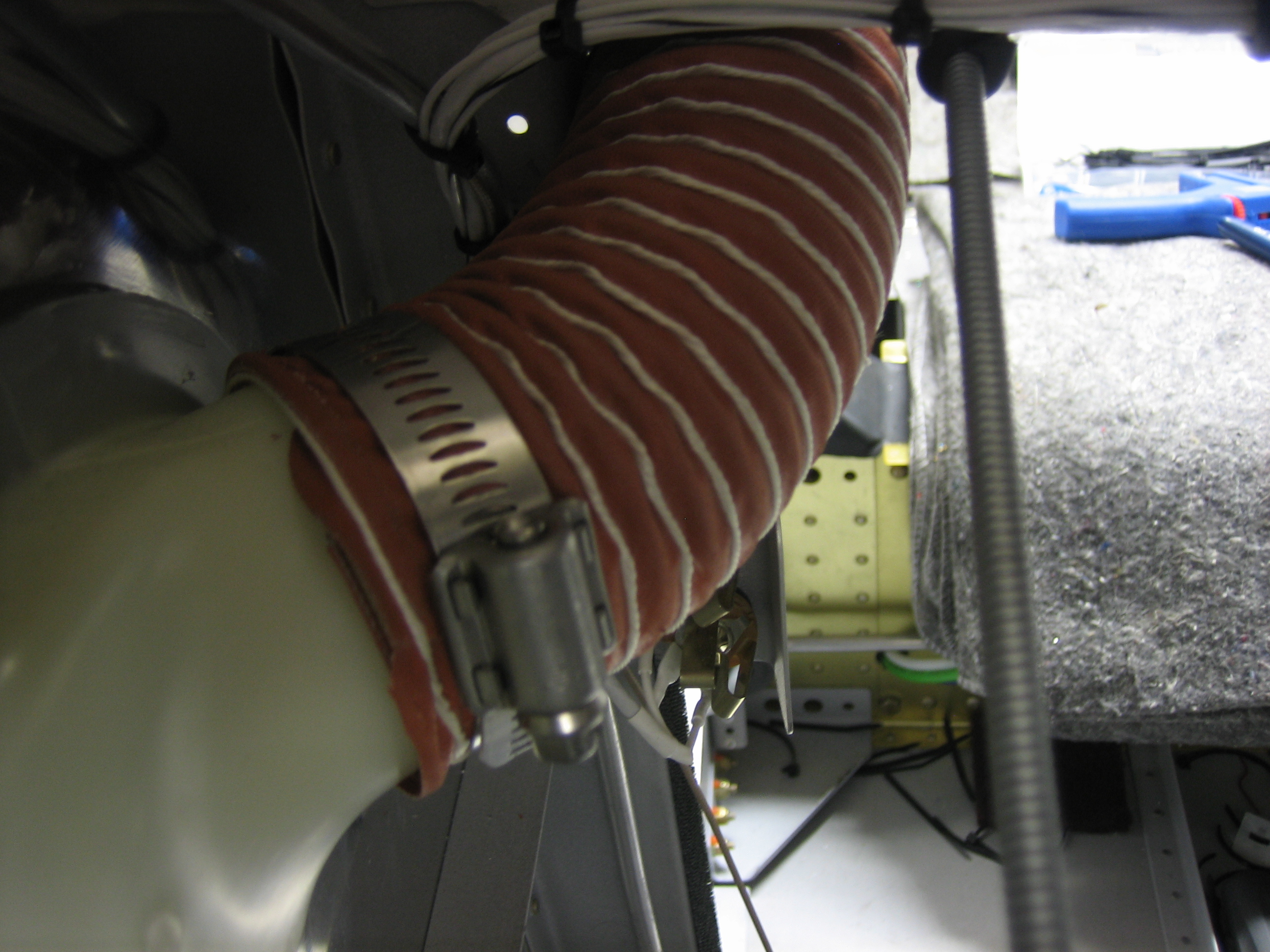
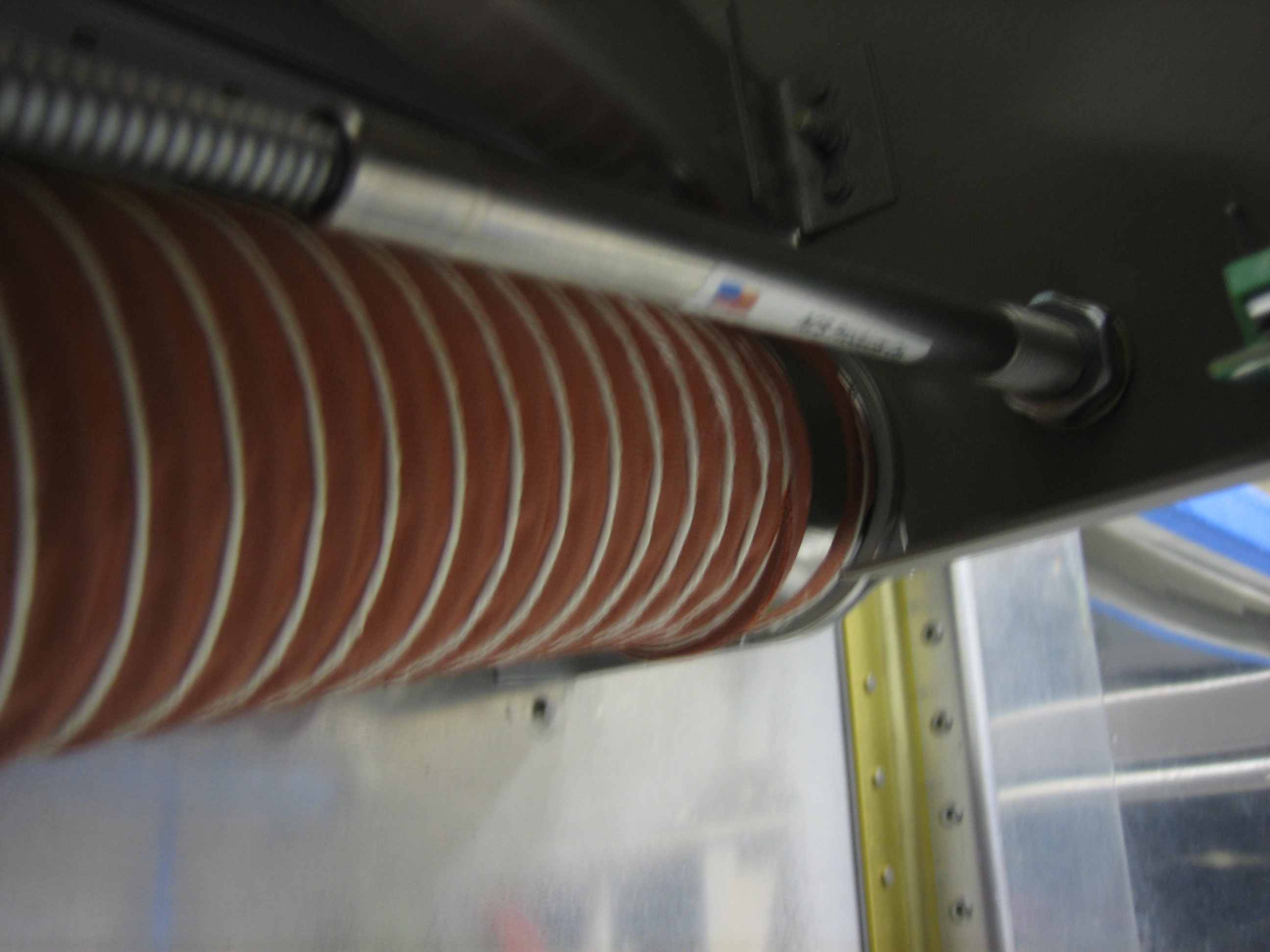
I then installed the SCAT tubing to the NACA duct…

…and to the air vent on the other end.

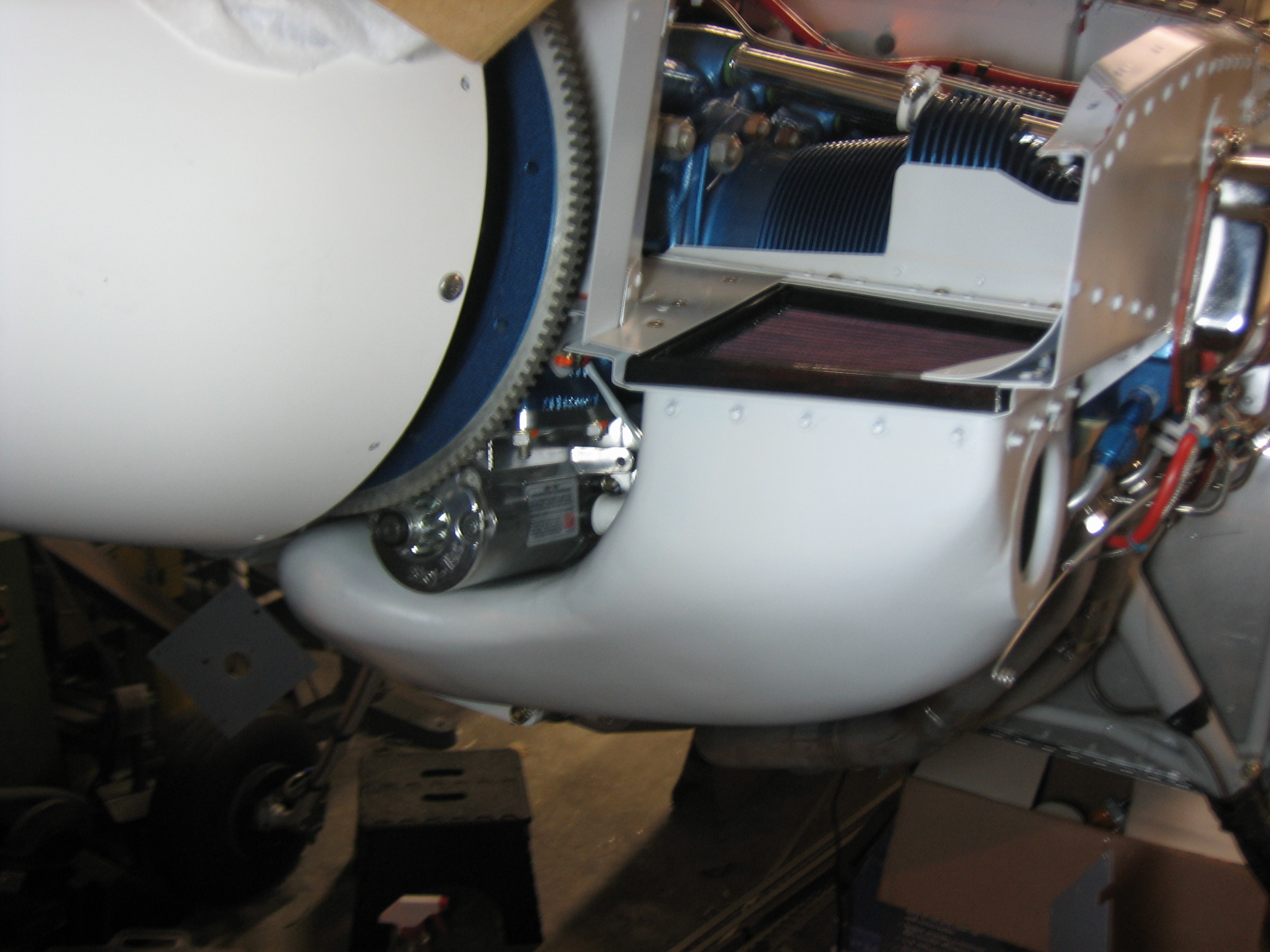
Installed Snorkel

With the snorkel painted, I installed it permanently.

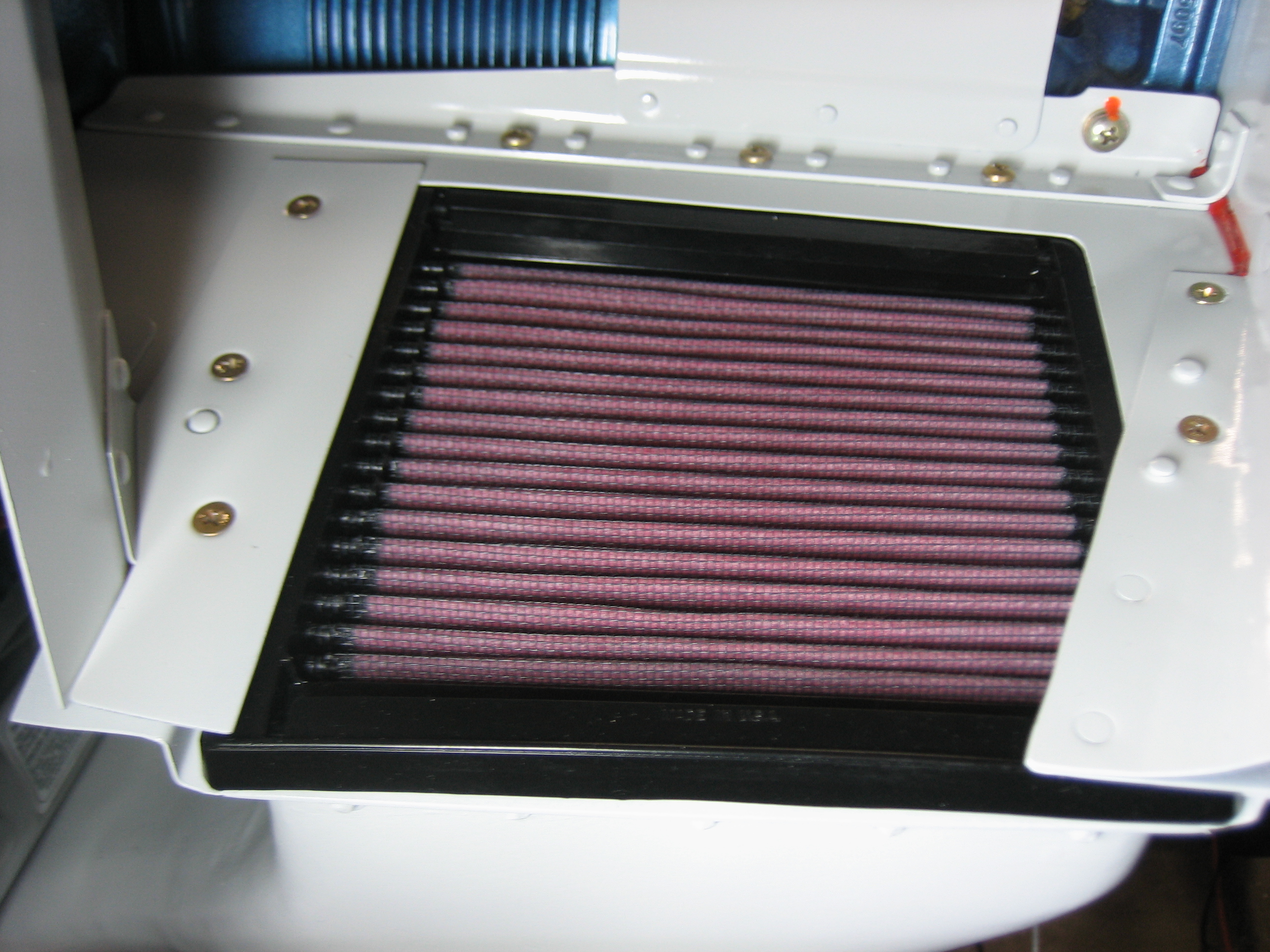
I took the plastic off of the filter and installed it for good as well.  Since I’m still a few months away from the first engine start, I’m going to cover this to keep dirt and metal shavings out.

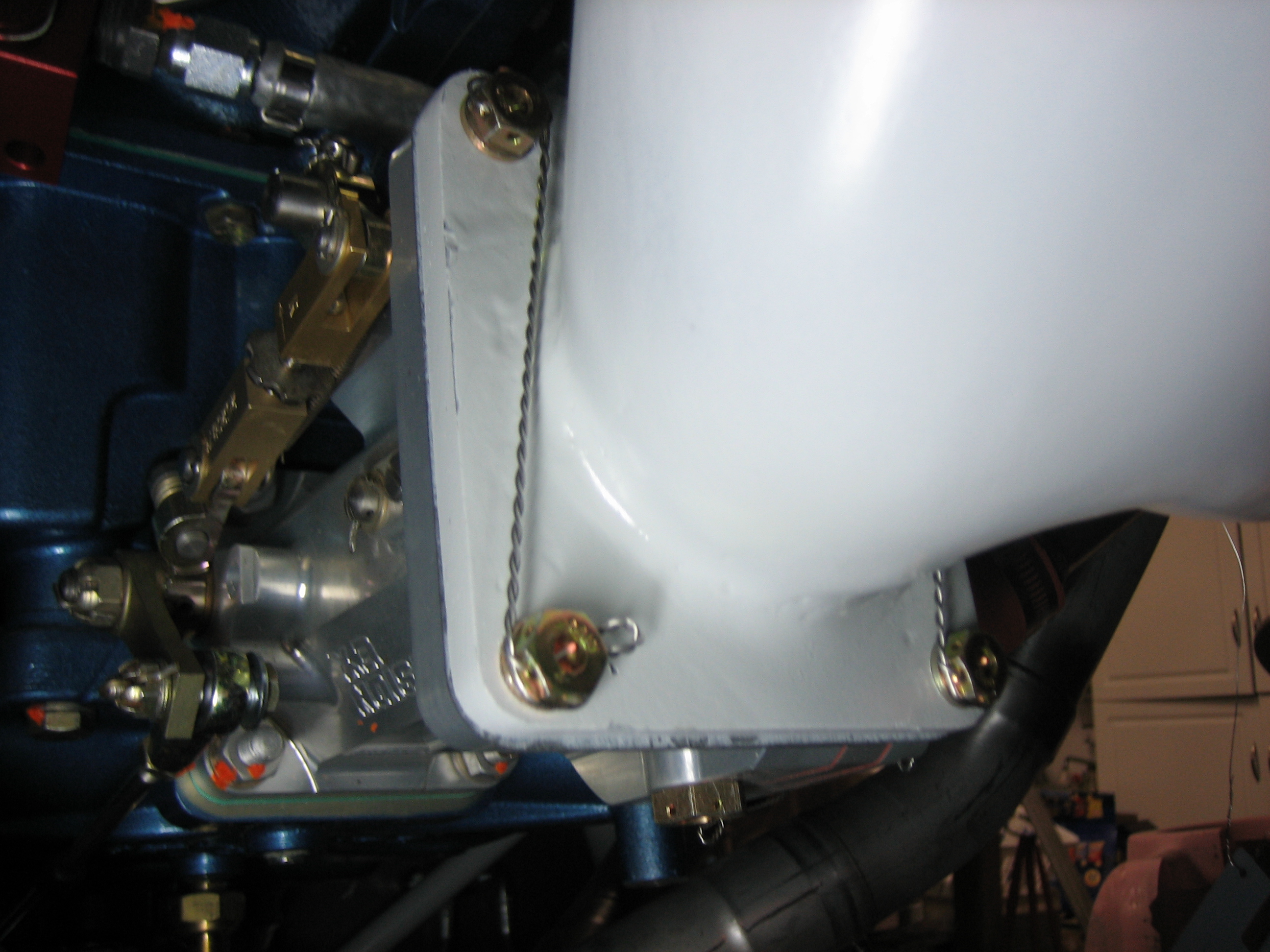
I torqued and safety wired the bolts that hold the snorkel to the throttle body.  The kit specifies lock washers here, but I feel more comfortable with safety wired bolts.

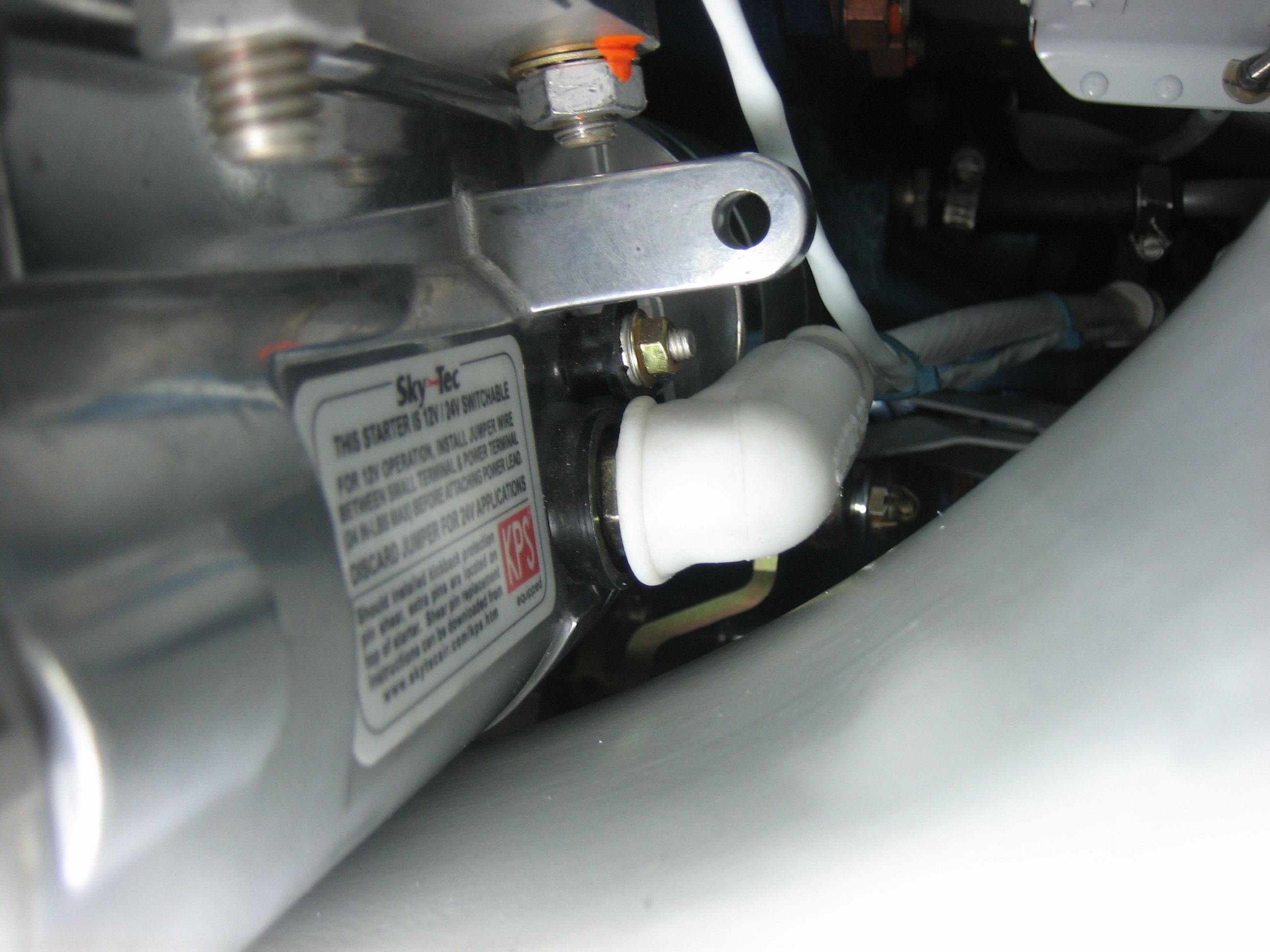
I didn’t get a picture of it before installing the snorkel, but I also installed the starter cable.  I’ve disabled the starter for now and won’t re-enable it until just before first engine start.

Installed Cabin Components and Finished Alt Air Control Cable

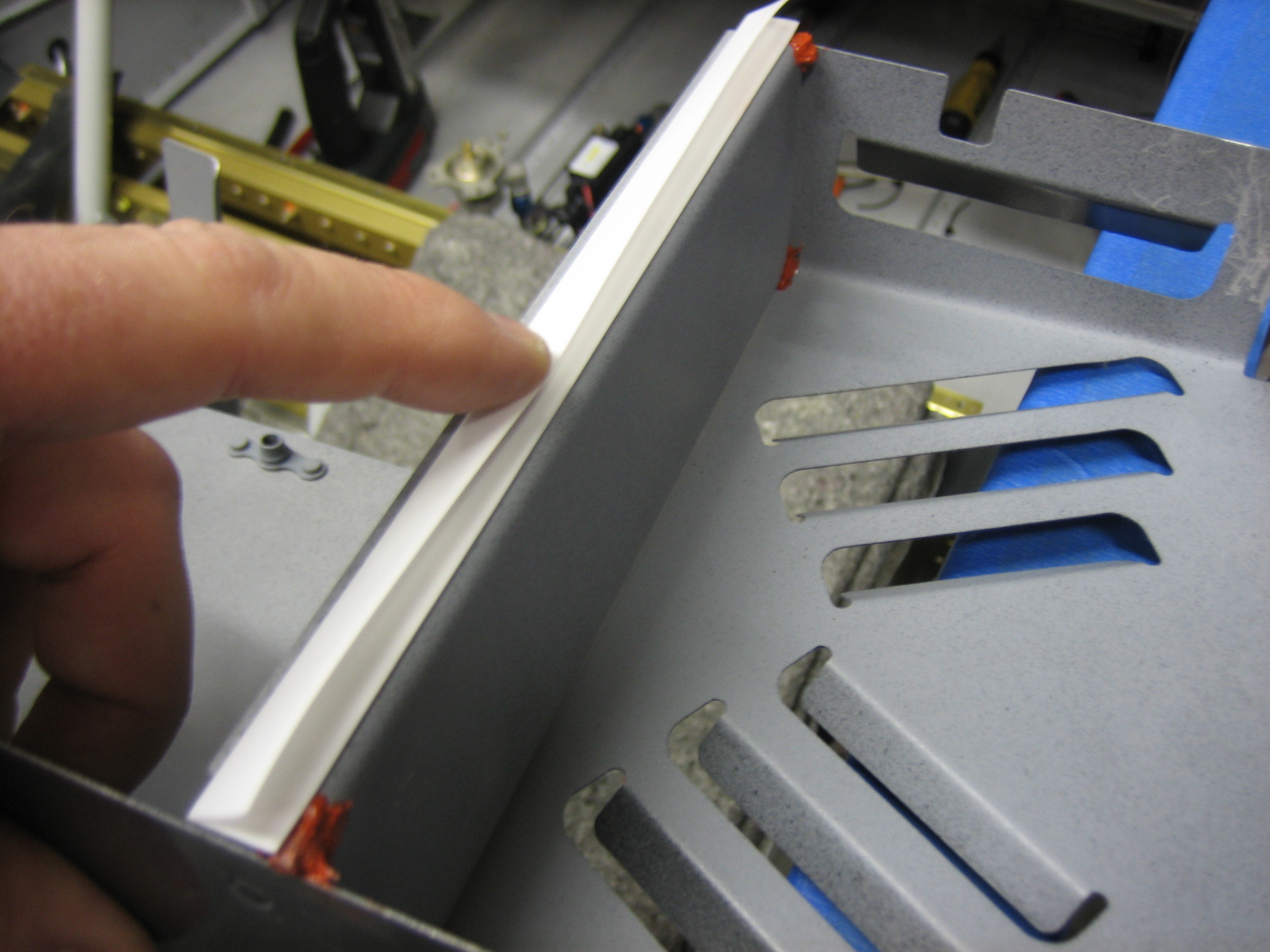
I sealed up the corners of the cabin heat distribution box to keep the heat from going down into the tunnel where the fuel pump is located.  I then put a strip of flexible weatherstripping to seal the back edge.

Here’s everything in the cabin installed.  Most of these things will be removed at the airport when I install the wings, but this keeps out all the crap and helped clean up my pile of spare parts.

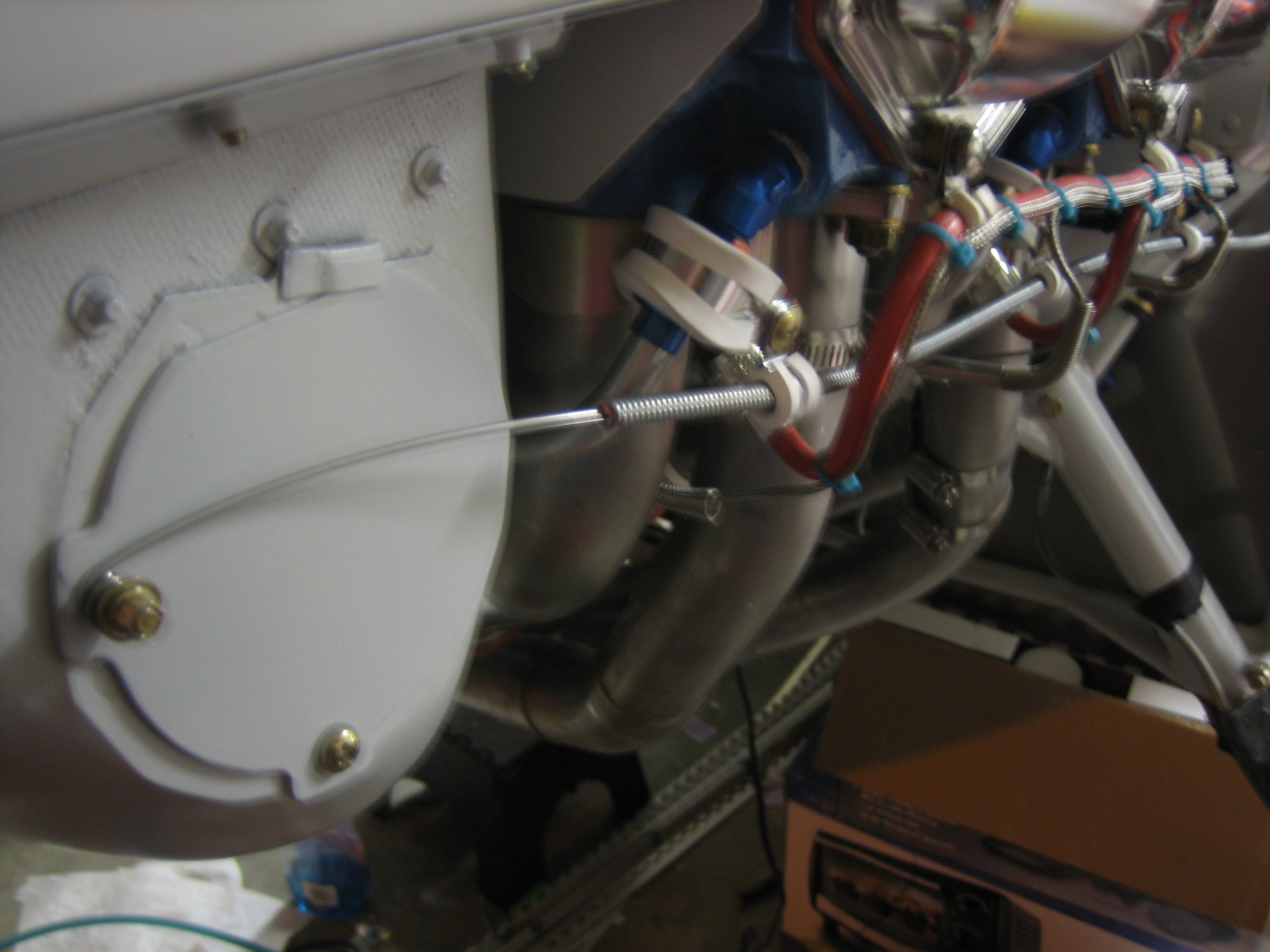
Finally, I wrapped up the alt air control cable installation by adding some adel clamps anchoring the cable to the oil drain lines.

Odds and Ends

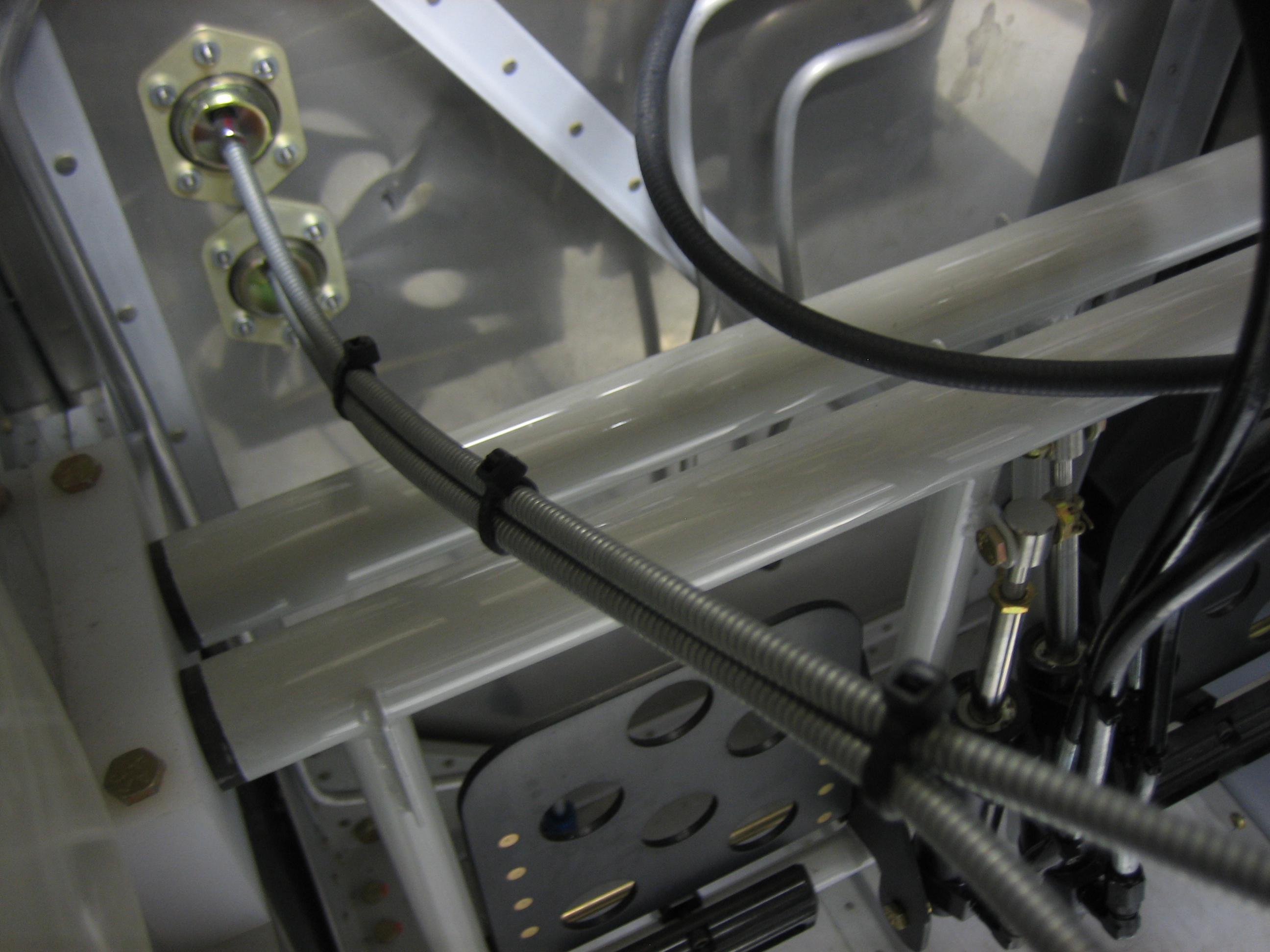
I started out the night sanding down the filler I added to the plenum and adding a bit more to fill in a couple of low spot.  Next, I decided to take care of a bunch of odds and ends on the plane.  I added some adel clamps to hold the alt air and oil cooler control cables to the subpanel.

I also zip-tied them together in a few spots which really stiffens them up.

I also cleaned up and secured all of the wiring bundles in the forward part of the cabin.  With that done, I think I’ve wrapped up virtually everything behind the panel and subpanel.

Added Lock to Canopy Latch

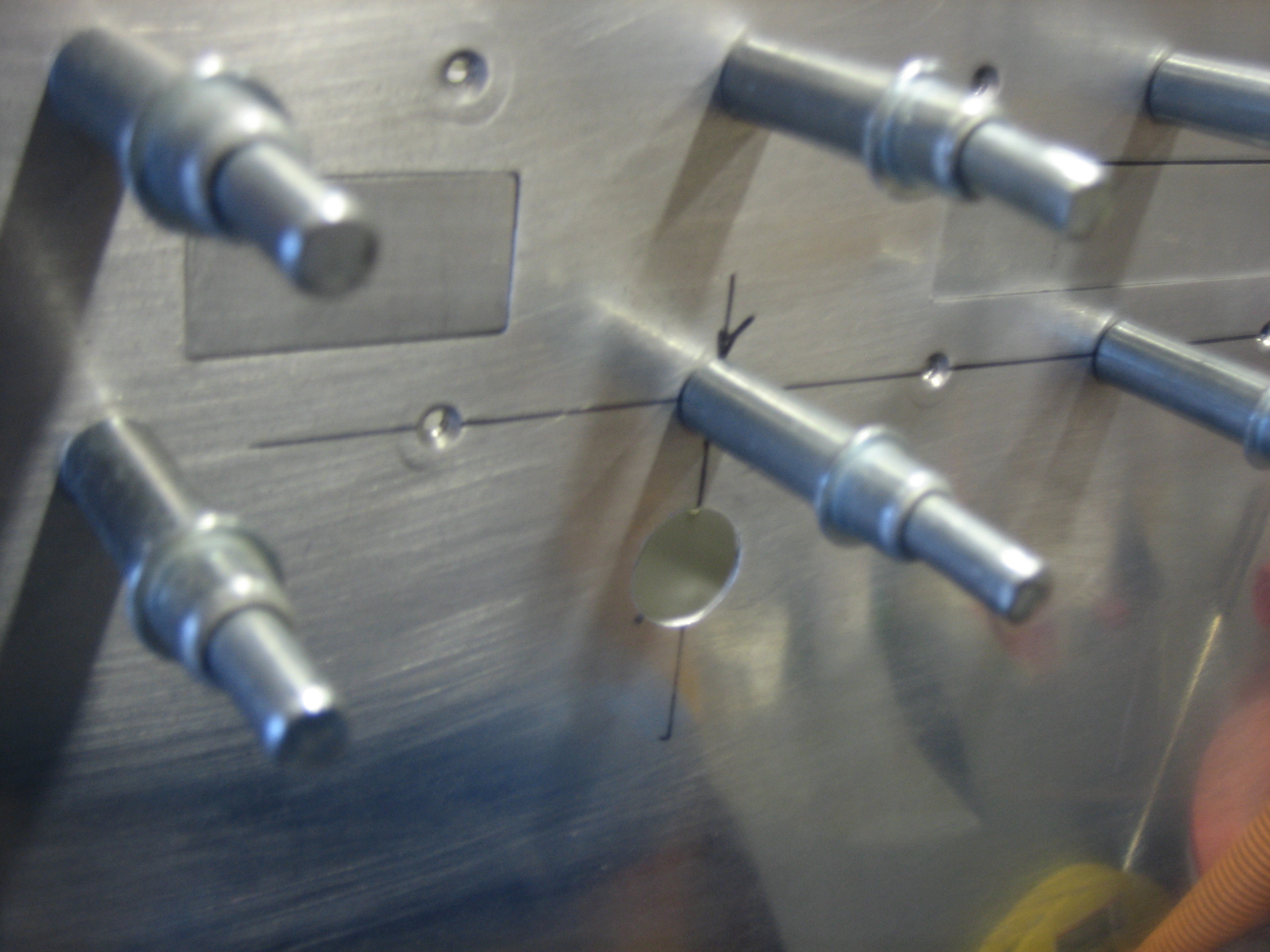
I drilled a hole in the side of the fuselage skin for the canopy latch lock.  Getting this hole positioned correctly required numerous measurements and calculations to ensure that the lock wouldn’t interfere with any part of the latch.
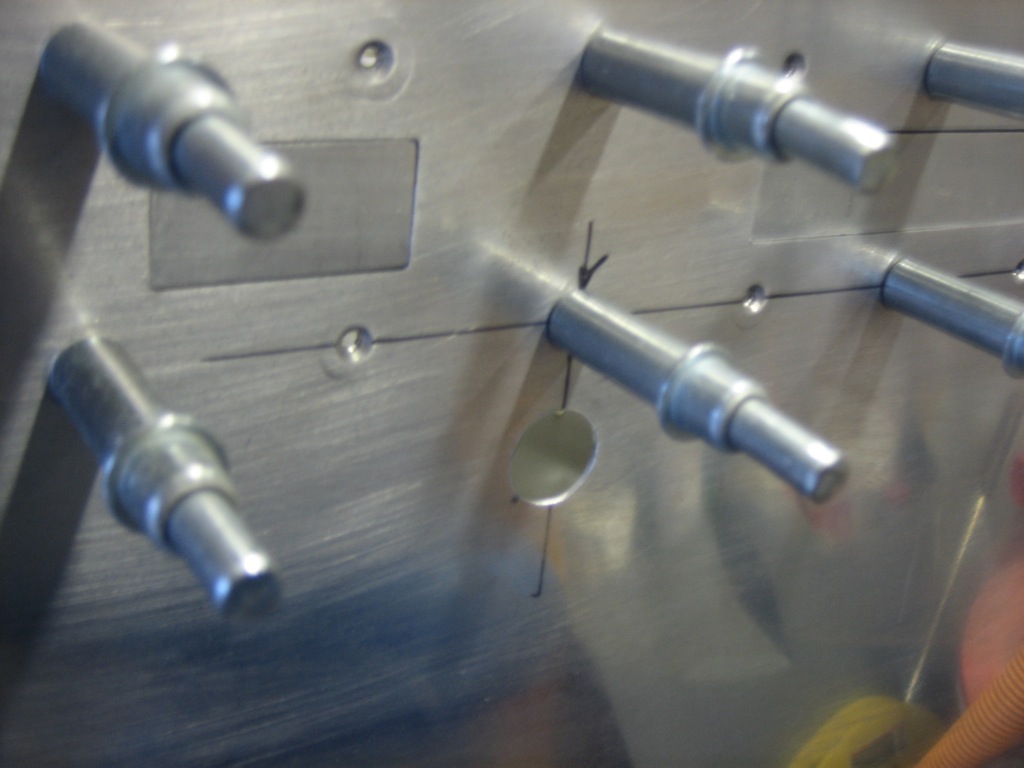
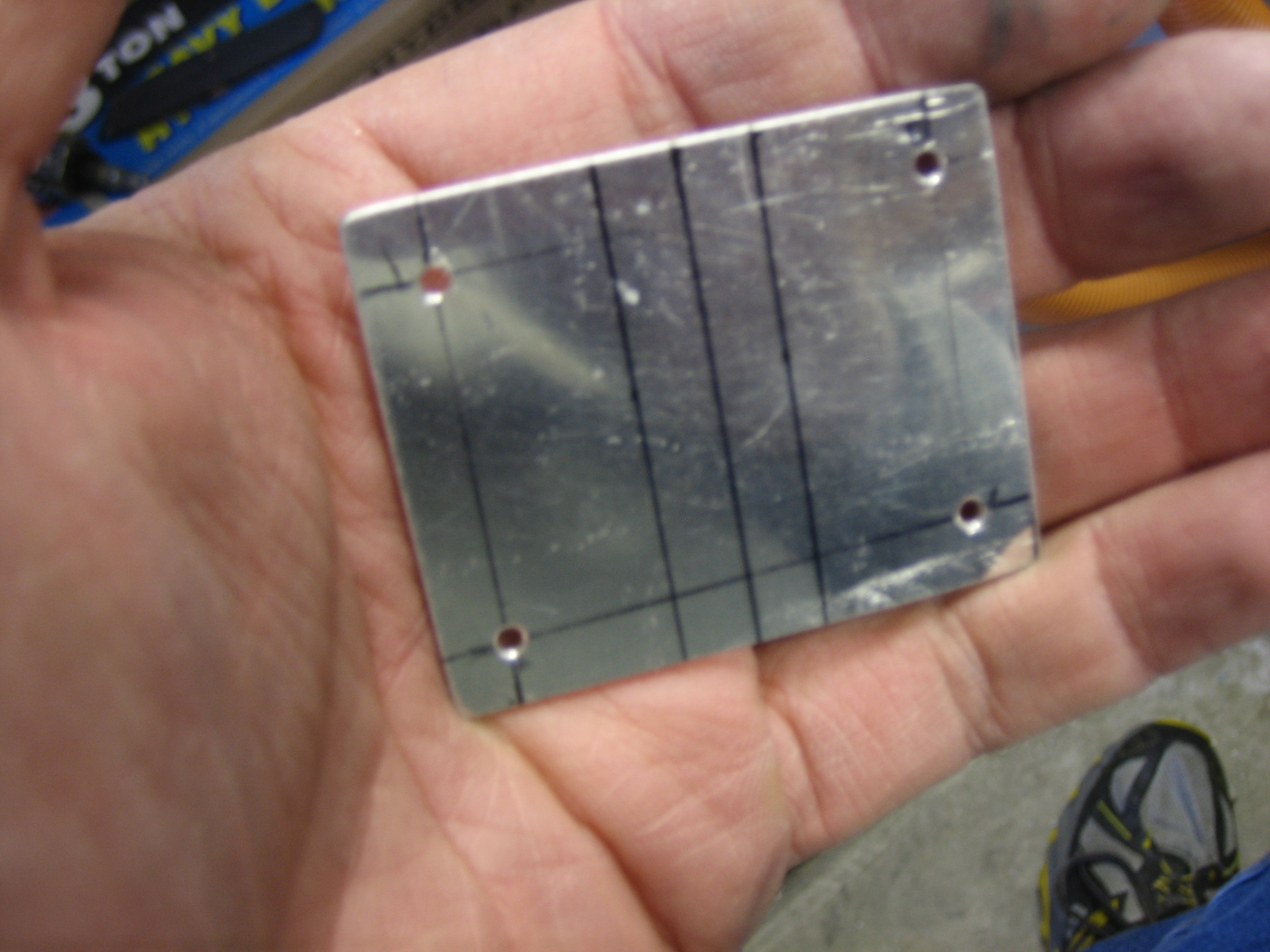
I fabricated a 0.063″ doubler plate to position the lock so that the face is flush with the skin.  The plate will be centered over the hole, so I added some layout marks to help center it.
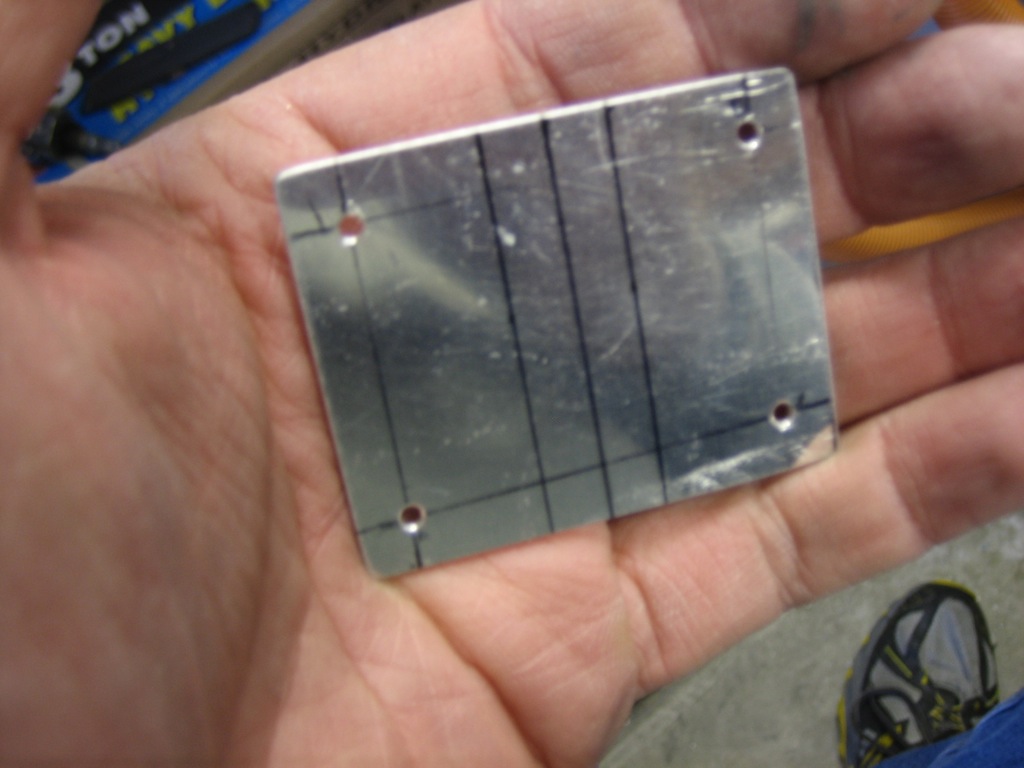
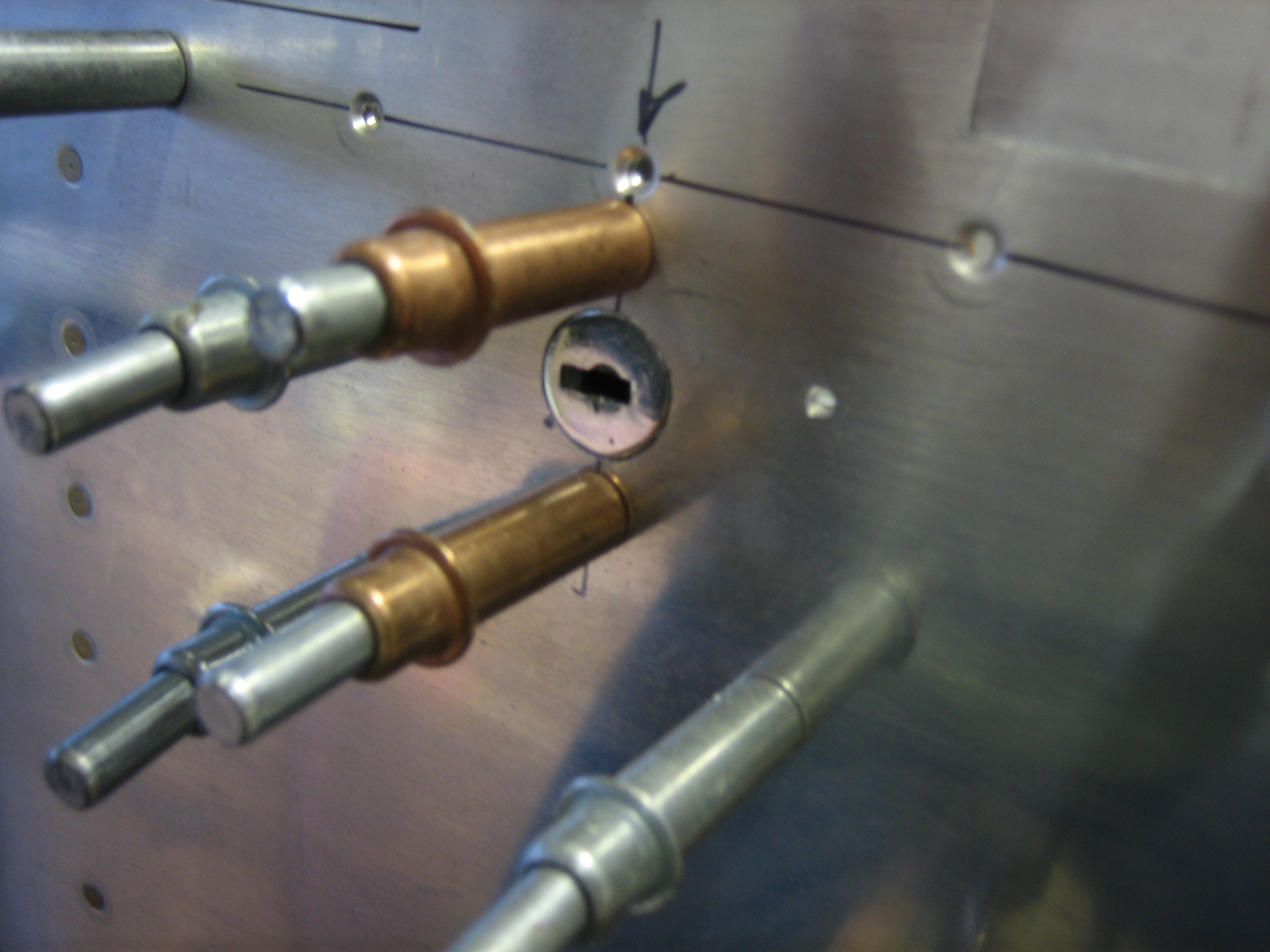
After drilling the plate to the skin and drilling out for the lock, I installed everything to see how well it lines up.  The lock is almost perfectly flush with the skin.
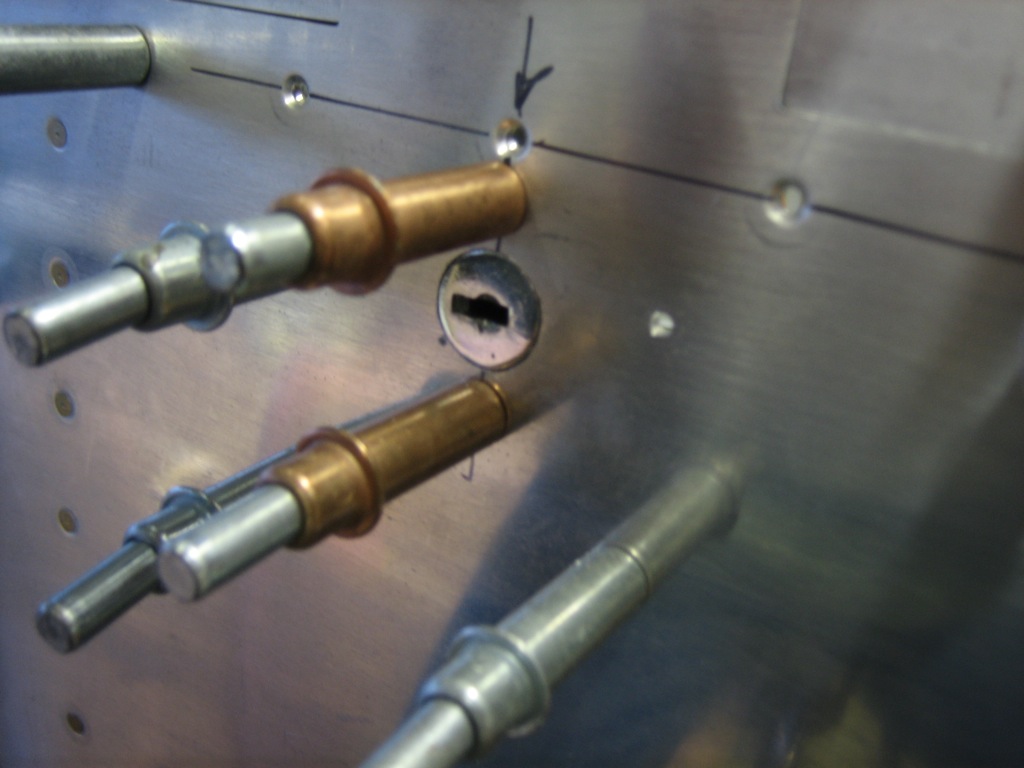
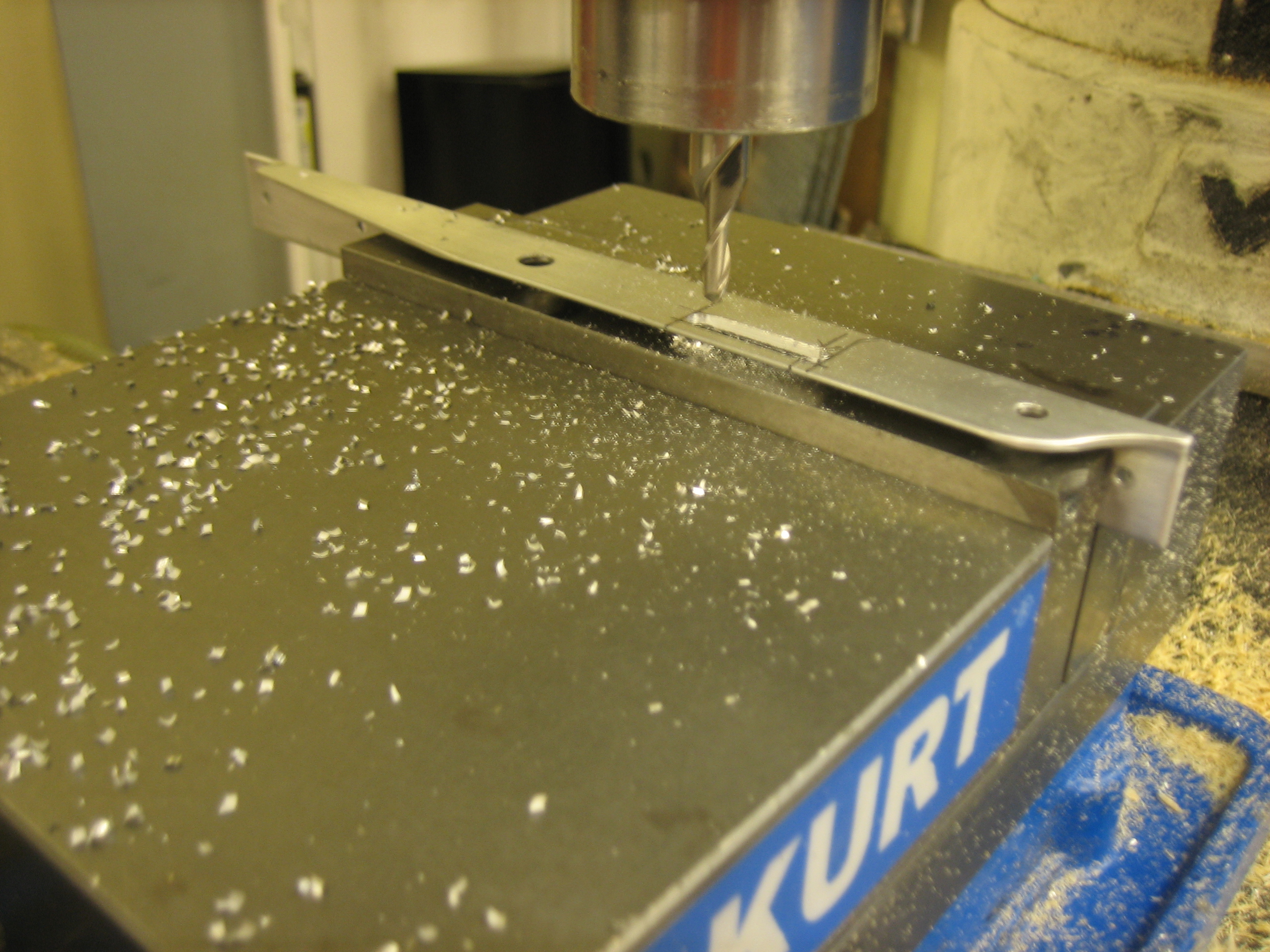
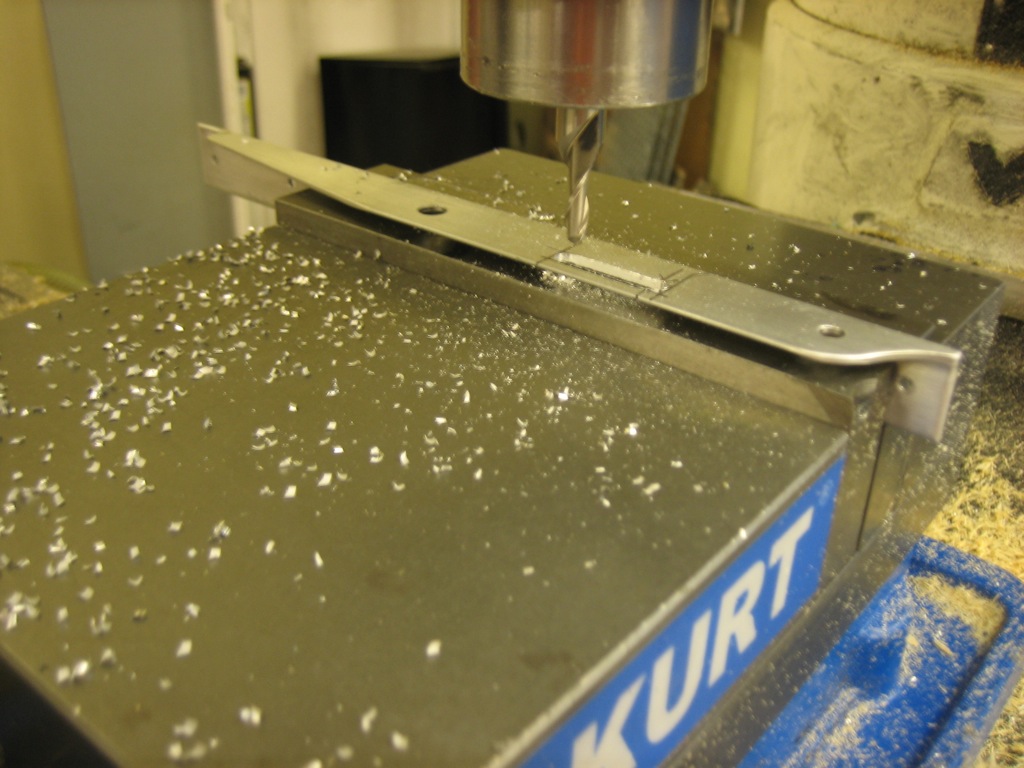
Next, I needed to mill out the slot for the cam.  I headed to the Tech Shop and quickly milled out a slot in the lower mounting angle.
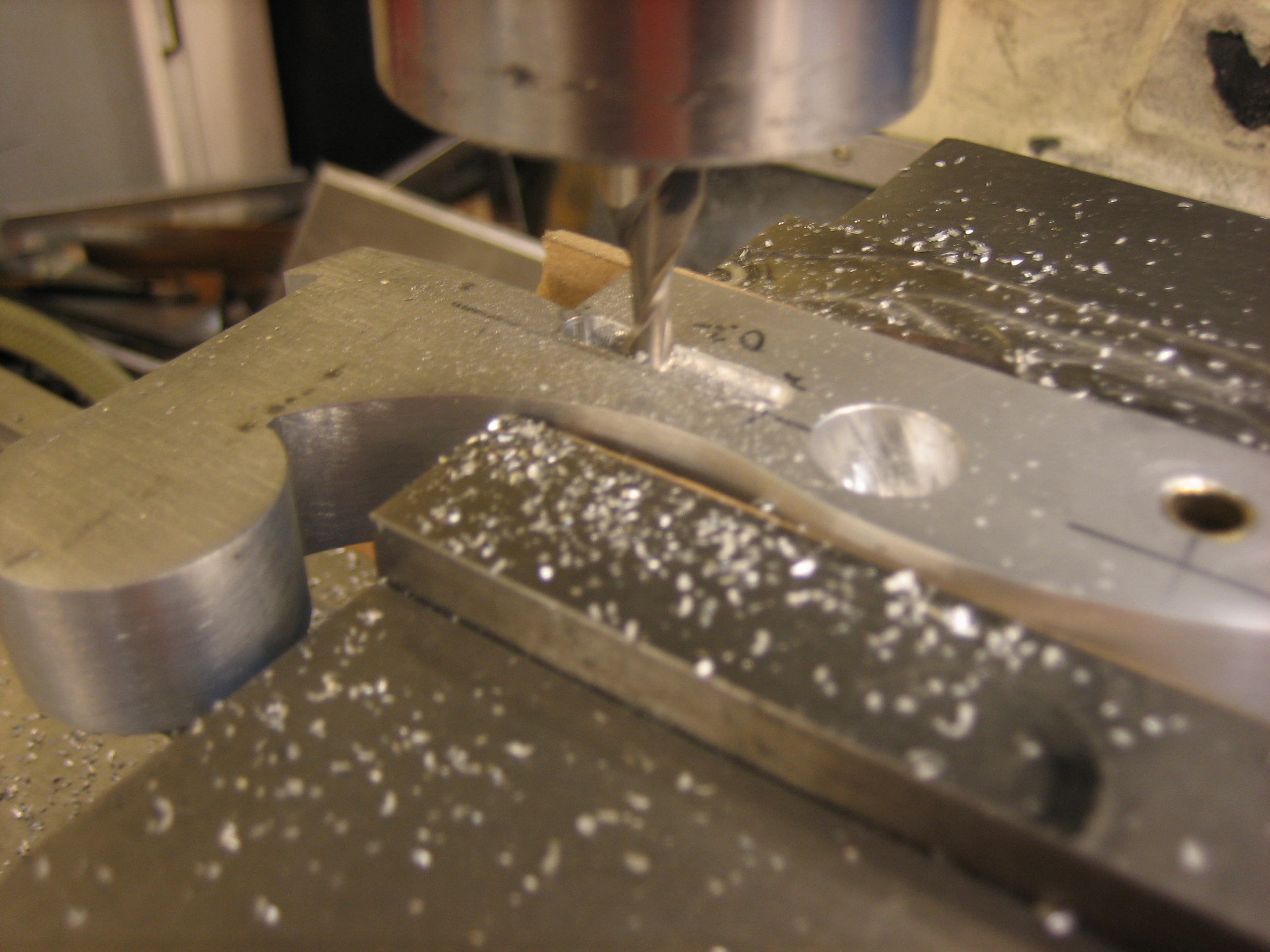
I then milled out a corresponding slot in the latch handle.
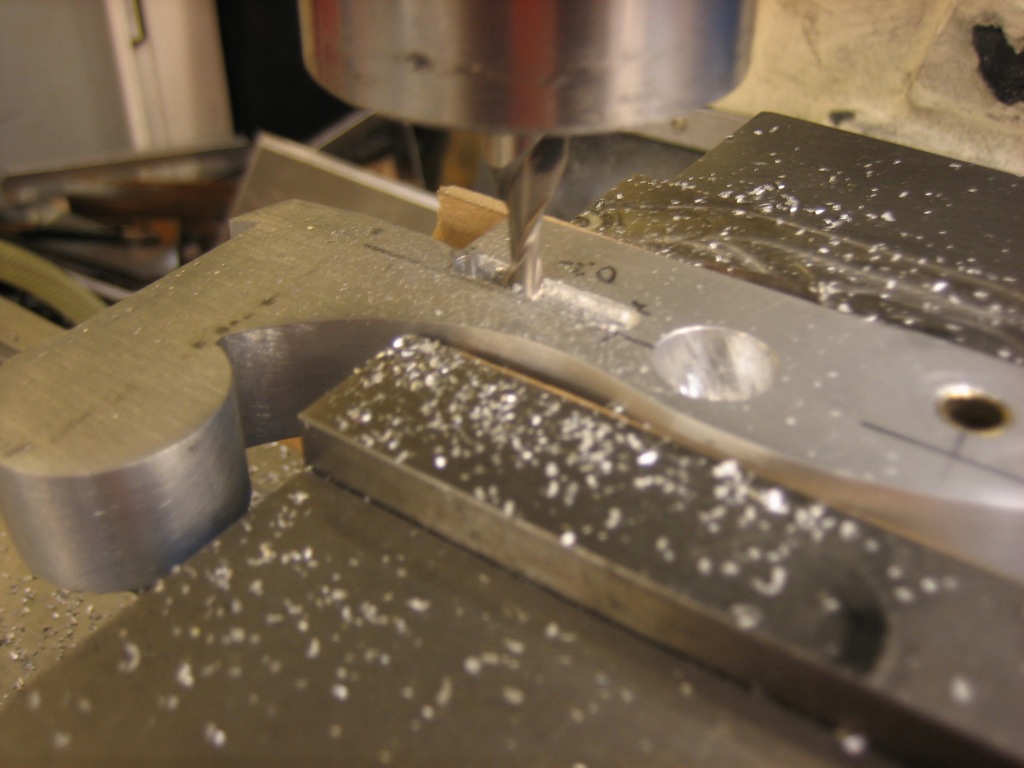
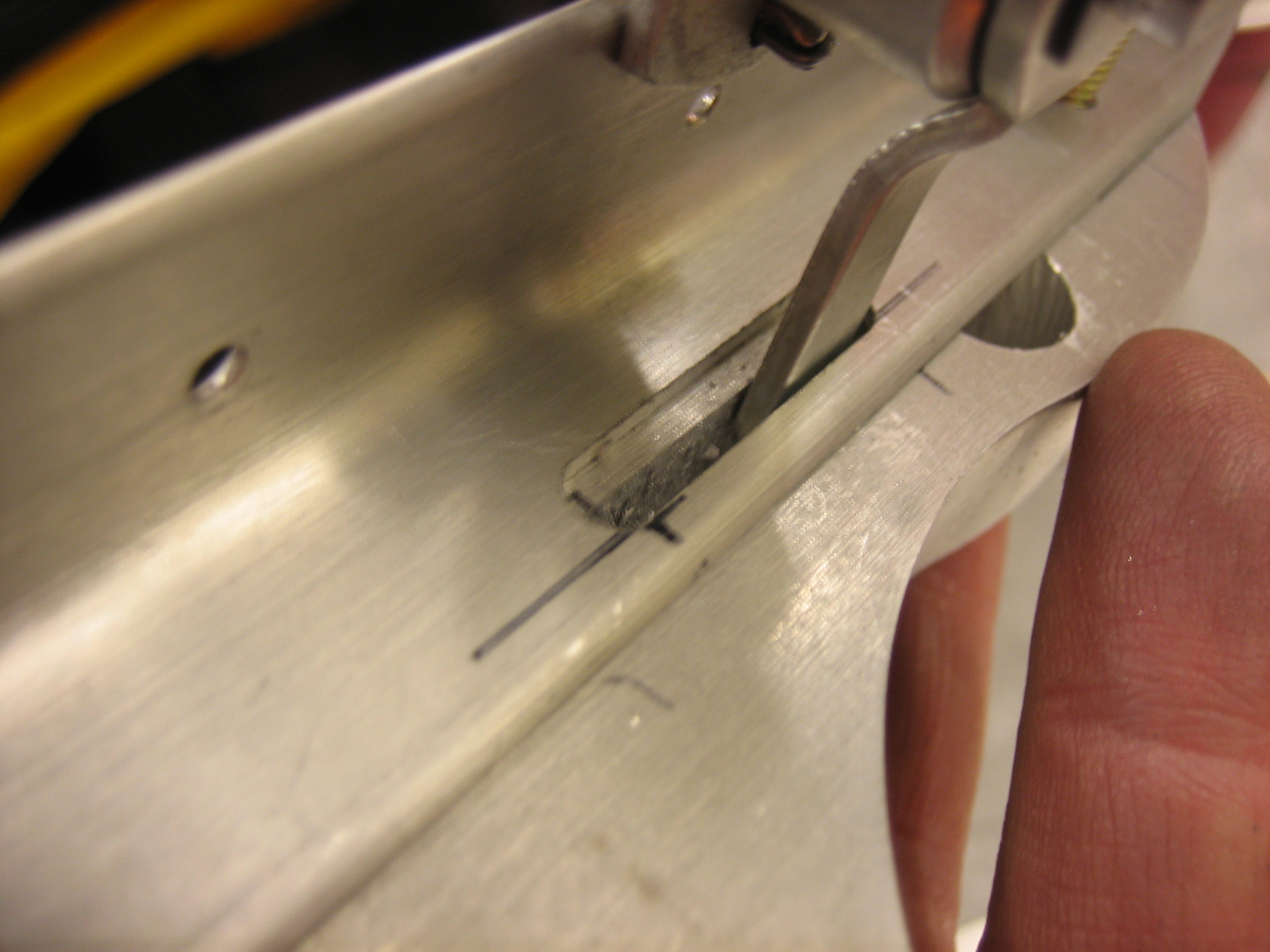
The cam is only about 0.080″ thick, but my smallest mill was 3/16″.  Because of this, I had to offset the slots so that the cam would just fit.
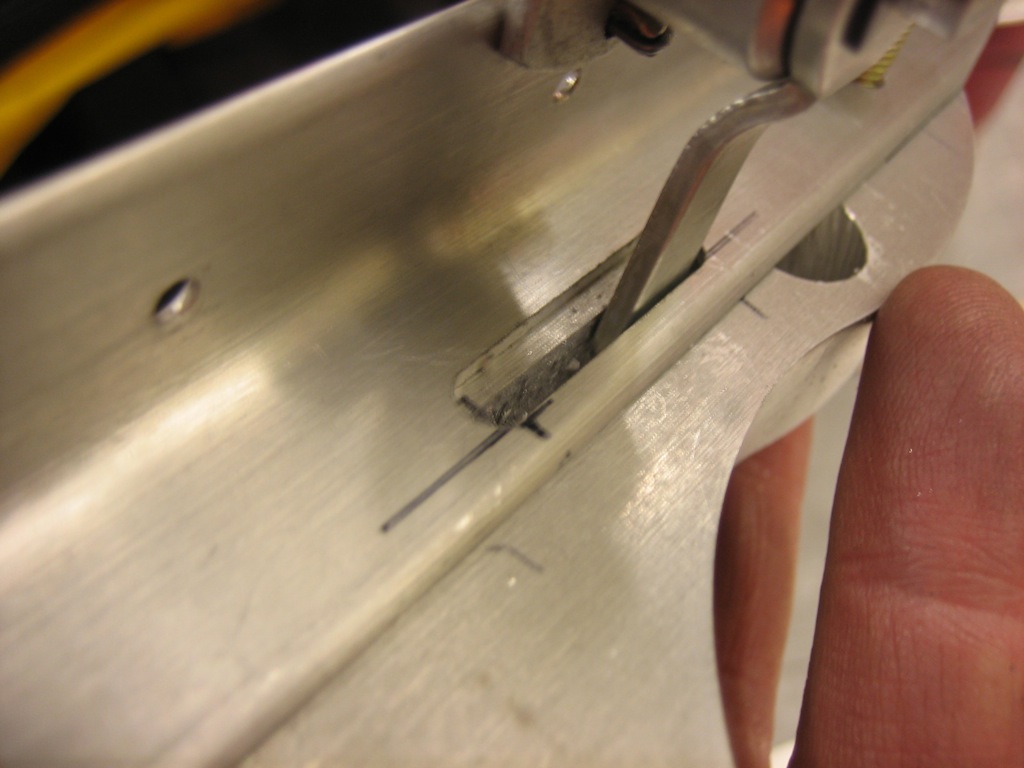
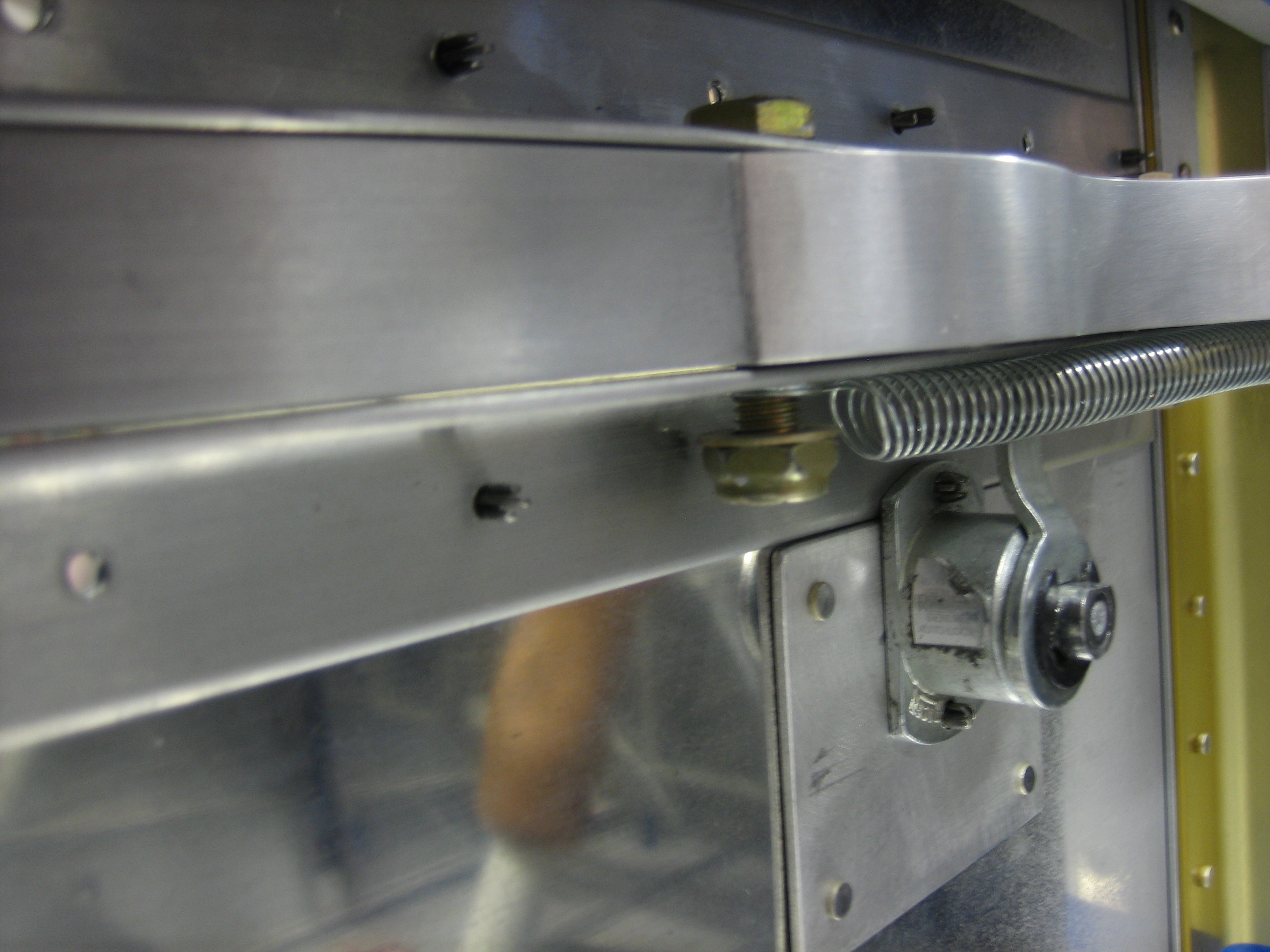
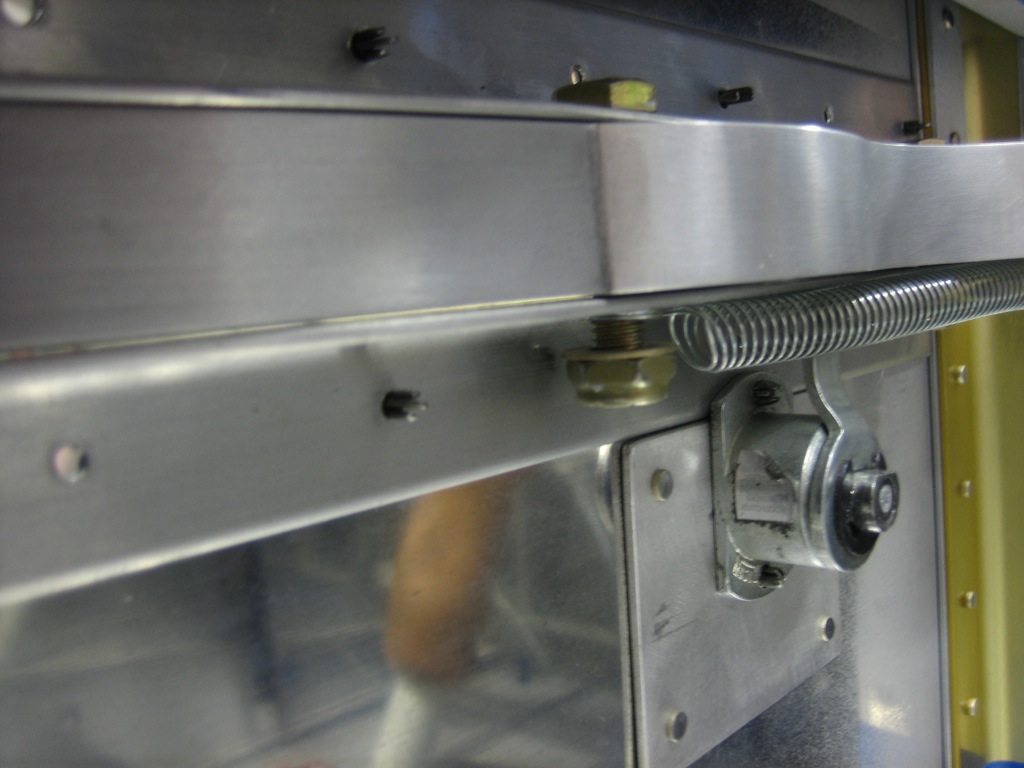
After reinstalling the components in the plane, I tested it out and everything works perfectly.  Here’s the latch in the unlocked state.
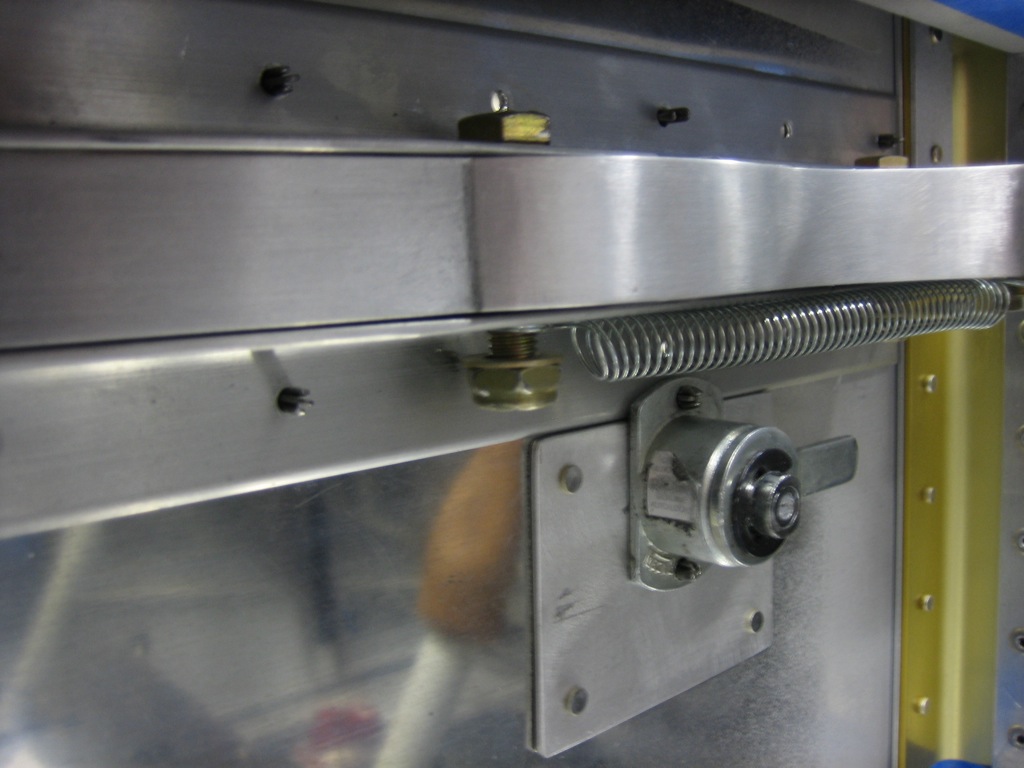
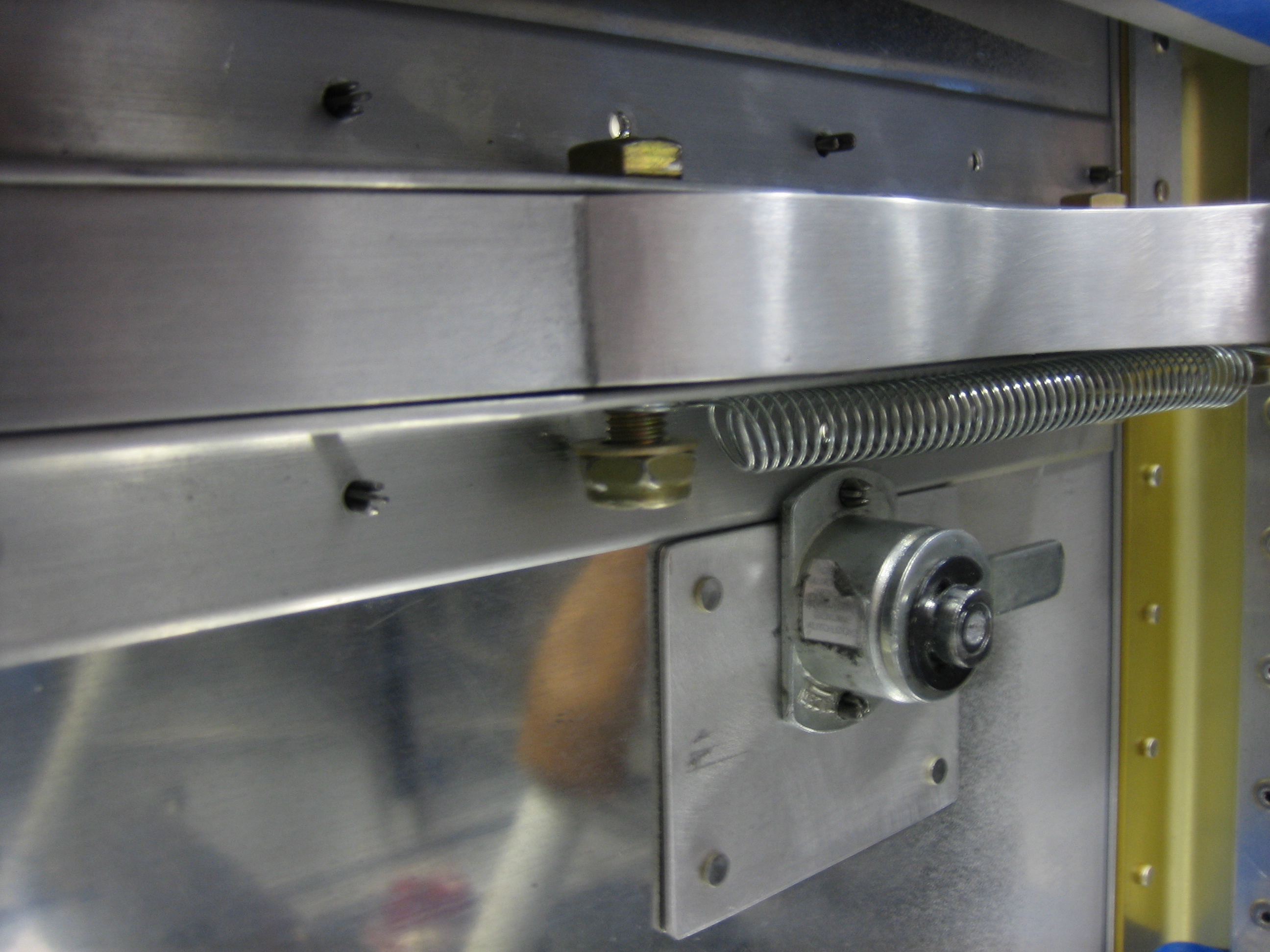
And here’s the locked state.  With the latch locked, the handle is completely immobilized.  I’m super happy with how this turned out.  Everything about the latch and lock is flush with the fuselage skin.  I’m sure I’ve picked up a huge amount of speed without the handle and cam lock sticking out from the fuselage :-).
Installed New Pushrod Shroud Retainers

A year or two ago, I became aware of an issue with the stock ECI pushrod shroud retainers.  These were made of heat treated carbon steel, and suffered from hydrogen embrittlement due to a manufacturing issue.  There have been a few instances of these breaking in service which causes the pushrod shroud to push out from the crankcase leading to a loss of engine oil.

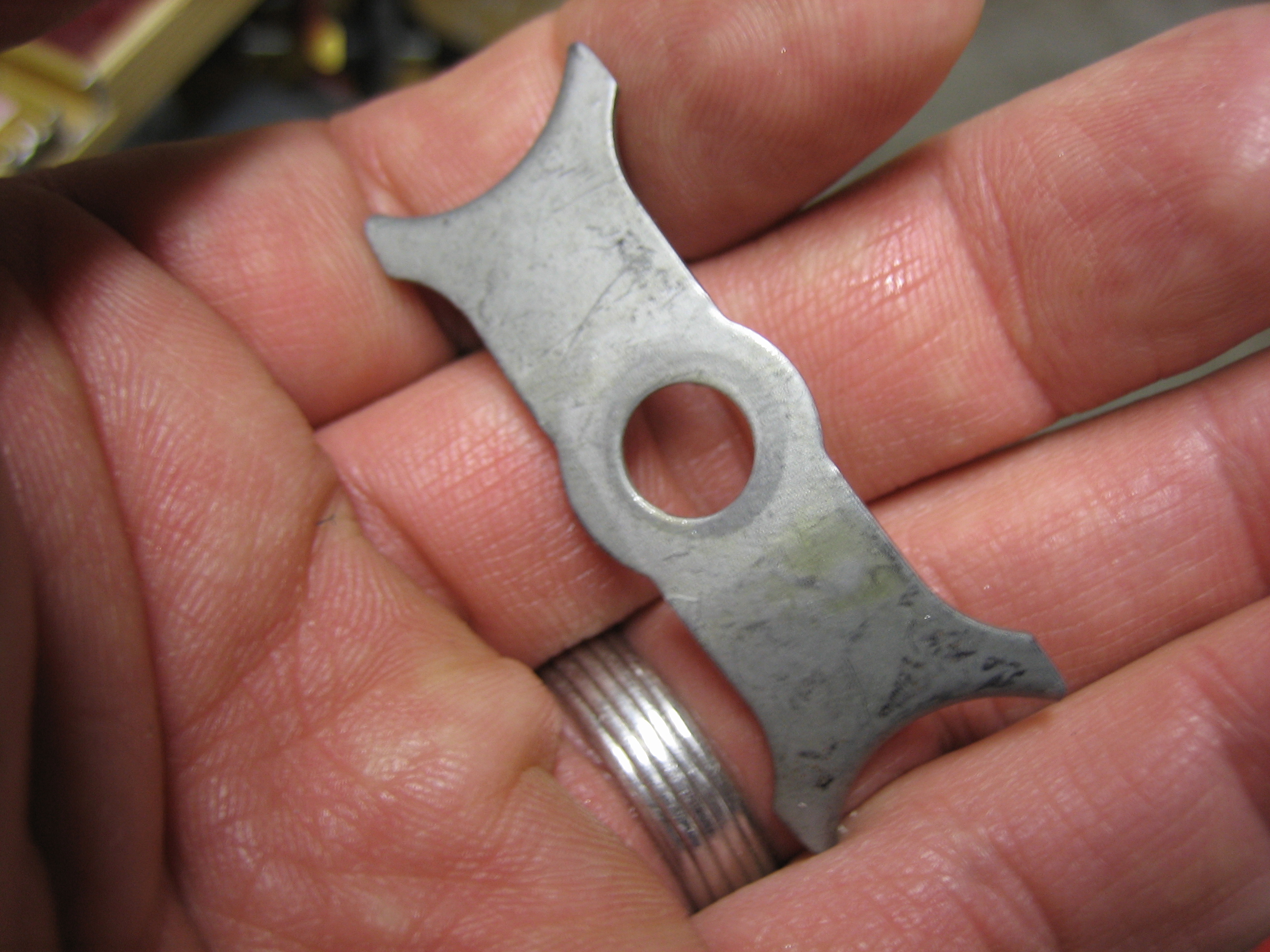
I had been planning on replacing these with Lycoming parts before my first flight, but ECI recently issued Service Bulletin 12-1 acknowledging the issue and offering free replacement parts.  I got the kit in the mail today and replaced all of the retainers.  Here’s the old one that I pulled out of the engine.  These are 0.032″ thick.

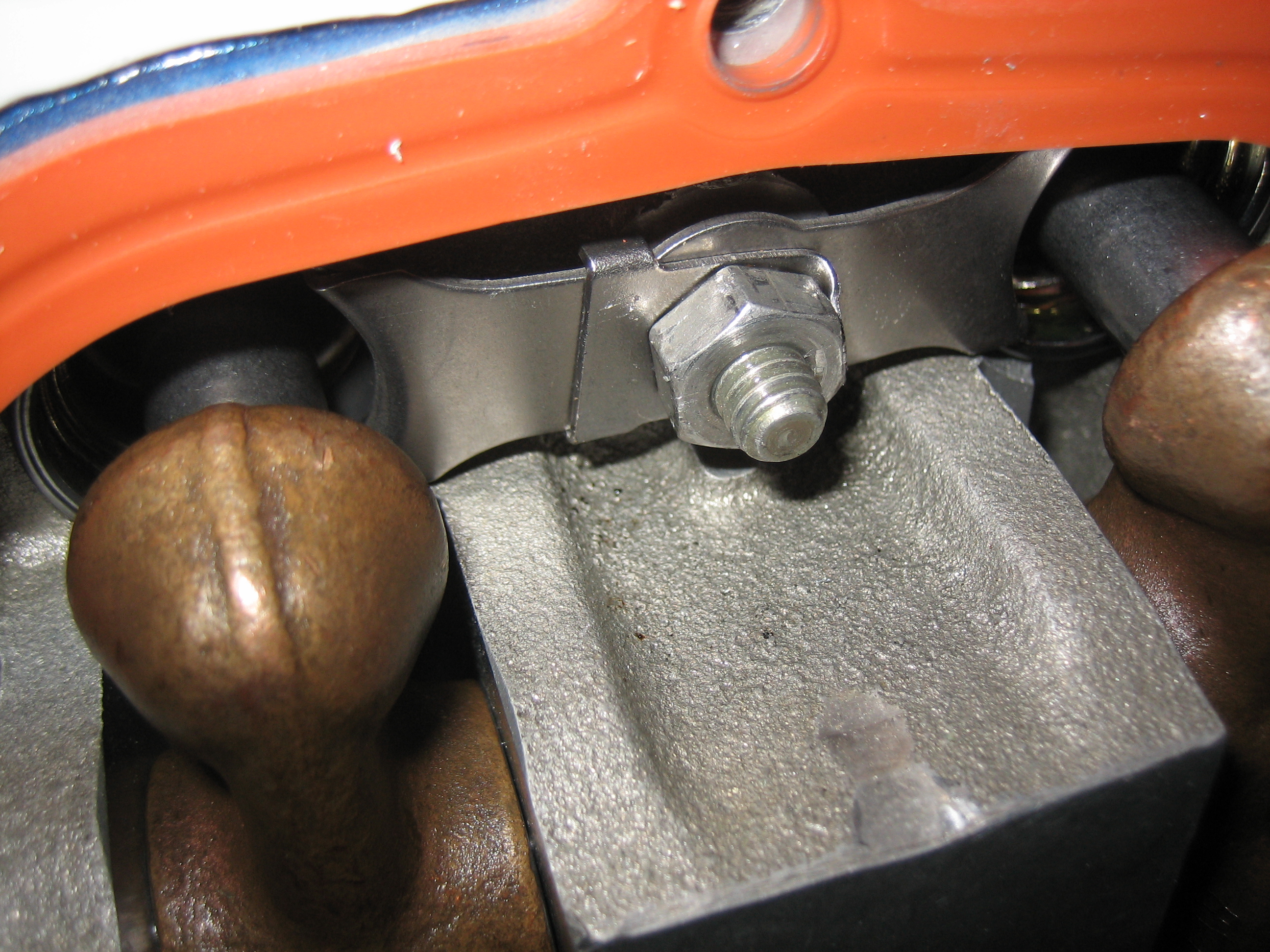
Here’s one of the new ones installed.  These are 0.040″ thick stainless that is not susceptible to hydrogen embrittlement.  The nuts are torqued to 96 in-lbs and then the safety clips are bent up to prevent the nut from turning.


Sanded and Trimmed Plenum

No pictures tonight, but I sanded the filler I applied to the plenum and then marked all the way around the edge to trim it flush with the baffles.  I did part of the trimming, but I think I’m going to try and fully cure the plenum before finishing.

Started Fitting Upper Cowl Inlet Seals

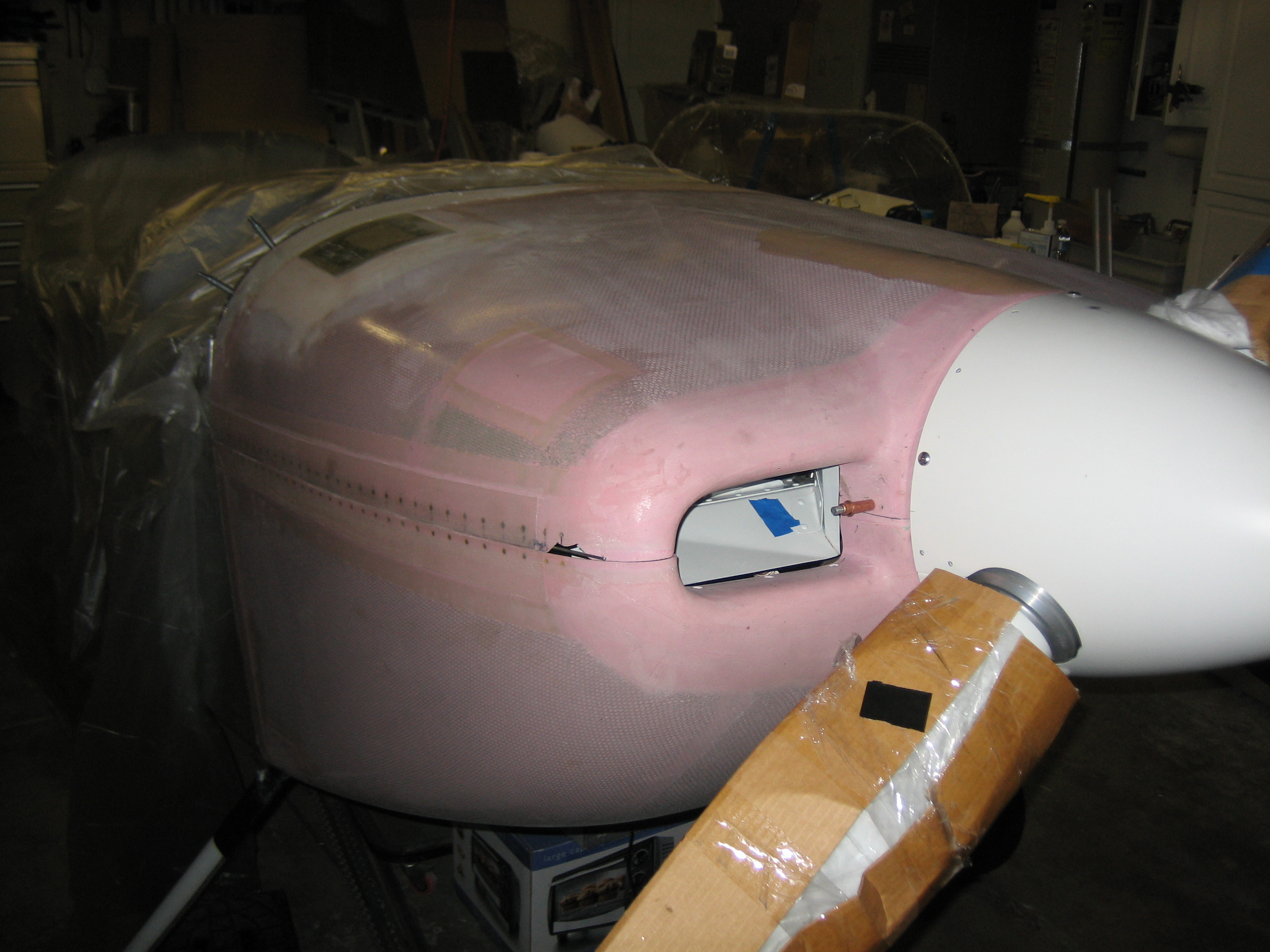
I finished trimmed the front edge of the plenum so that it’s flush with the baffles, then reinstalled it on the plane.  I then reinstalled the cowl and began fitting the upper cowl inlet seals.  We’ve been having a cold snap here, so it became too uncomfortable to work in the garage with the door open, so I called it an early night.

Finished Trimming Plenum

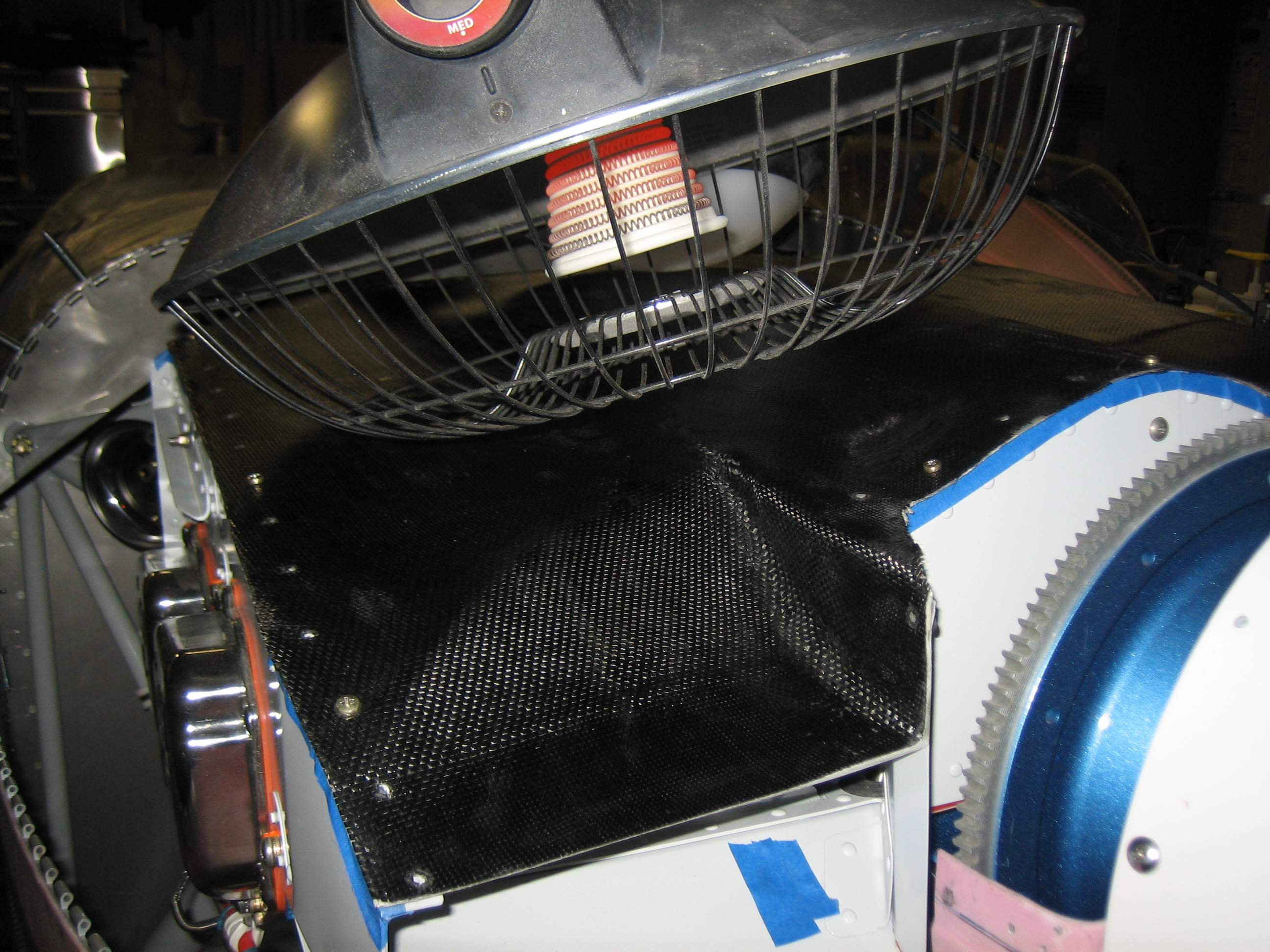
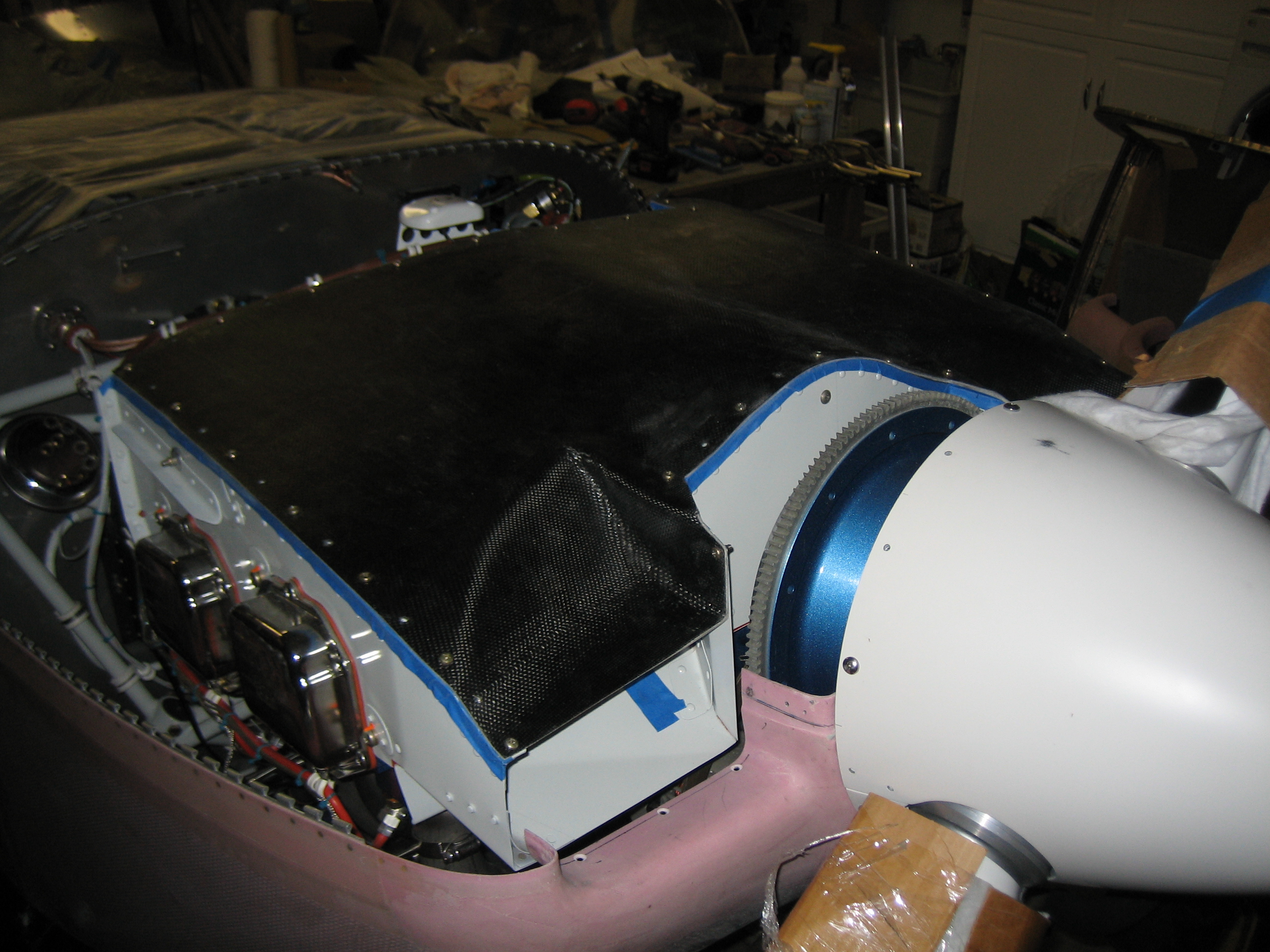
The high-temp epoxy that I used on the plenum needs to be post-cured in order to withstand the high temperatures it will be exposed to after engine shutdown.  I took it down to the Tech Shop and used their large powder coating over to cure it at 150º for three hours.  The heat substantially softened it and it flattened out a bit in the oven.  After I brought it home, it didn’t really fit the baffles correctly and would have cracked if I tried to force it into position.  I set up my space heater over each side and heated the plenum past 150º and it softened right up.  I then pushed it into position and screwed it down.  This worked beautifully, and the plenum now fits the baffles really well.

I finished trimming around the edge and then sanded the plenum flush with the baffles.  I still need to sand and fill the plenum in preparation for paint, but I think the fabrication is finally done.