Engine Fittings, Firewall Pass-Throughs

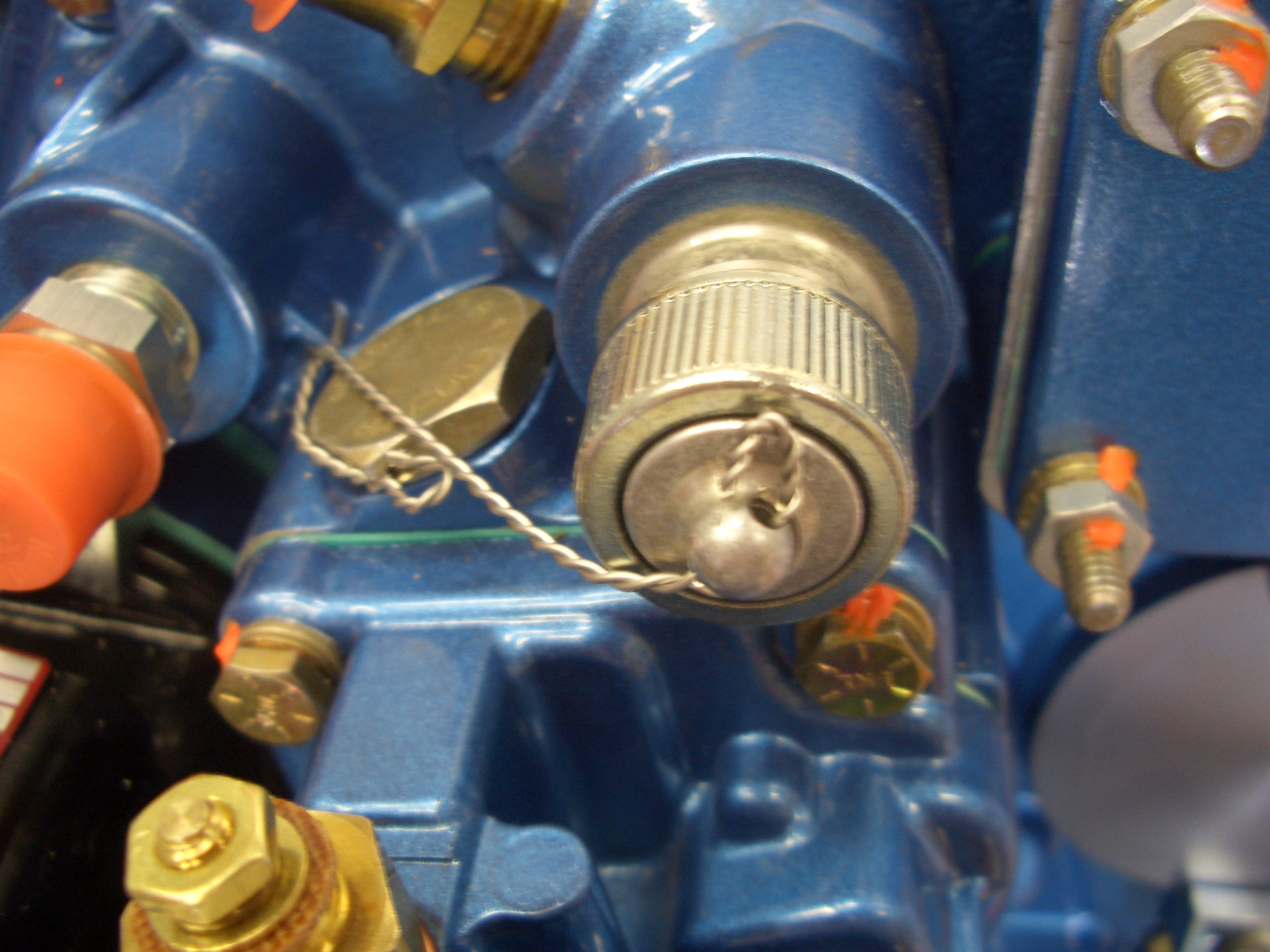
My order from Avery Tools showed up today. One of the items was a cover for the tach port. This is used for a tach cable if you have a mechanical tachometer. The Dynon will get its RPM information from the Light Speed Engineering electronic ignition box. I safety wired this, but it really can’t prevent this from unscrewing since the center part of the cap is separate from the outer part. At least it would prevent it from falling off though.

I don’t know if the high pressure fuel screen will need to be cleaned frequently or not. If so, I might want to find another place to safety wire this to so that it doesn’t run across the fitting.
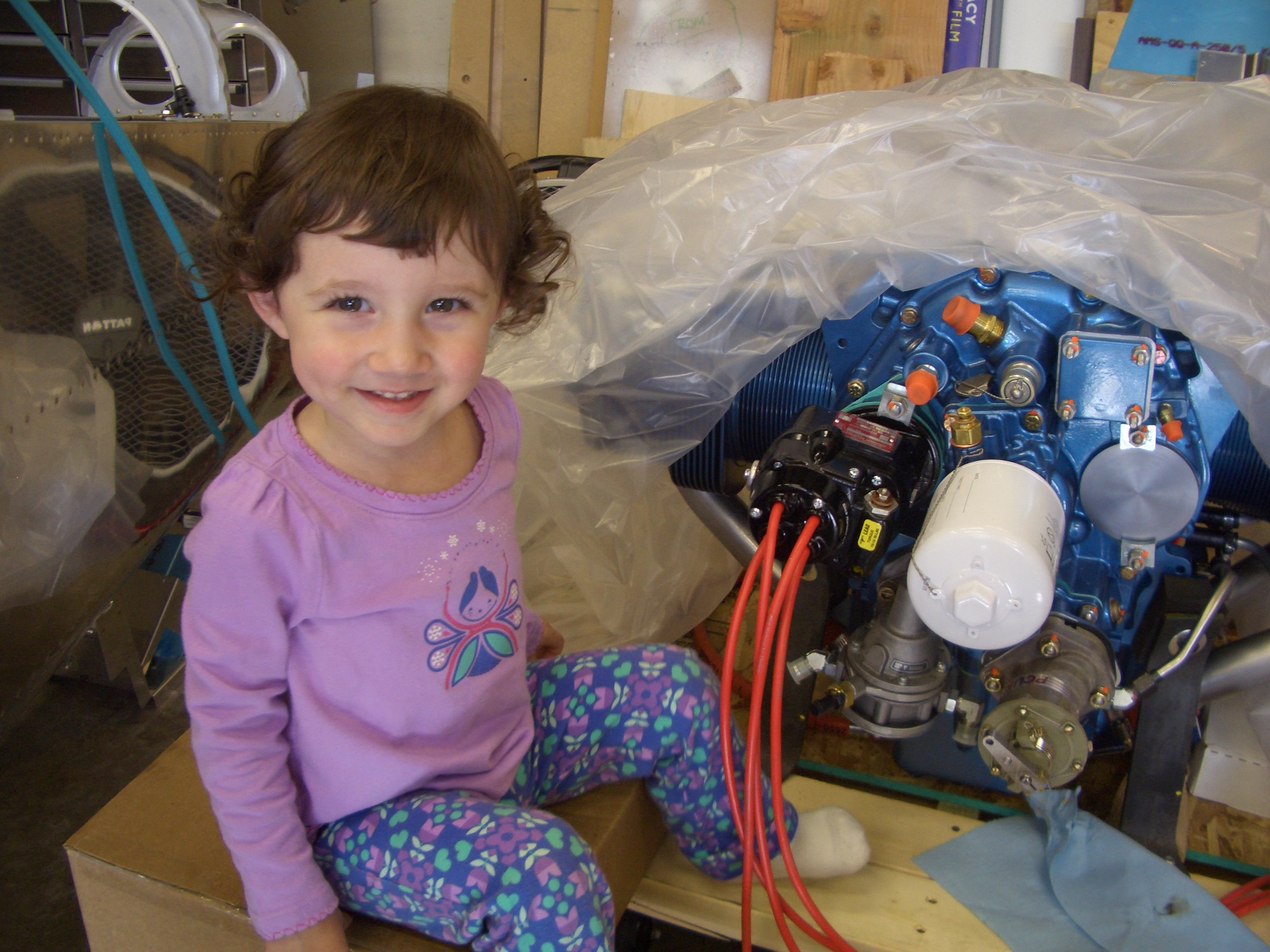
My daughter was a big help with this. She kept pointing to parts on the engine and asking “what’s that?”
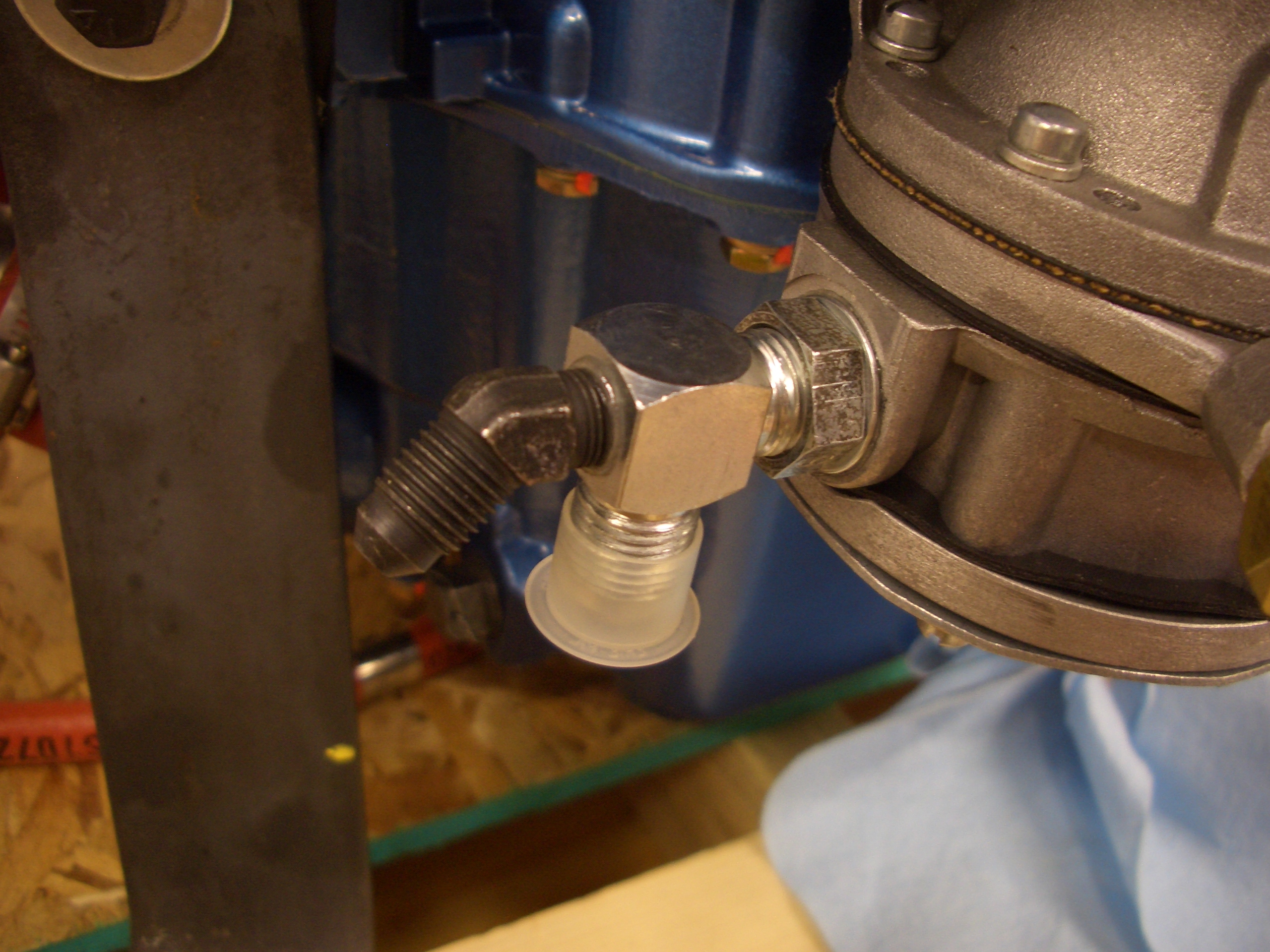
I also removed the regular 45º fuel outlet fitting and installed a 90º tee fitting. The bottom silver part of the fitting will connect to the fuel injection system. The black fitting has a restrictor inside and will tie into the fuel pressure transducer.
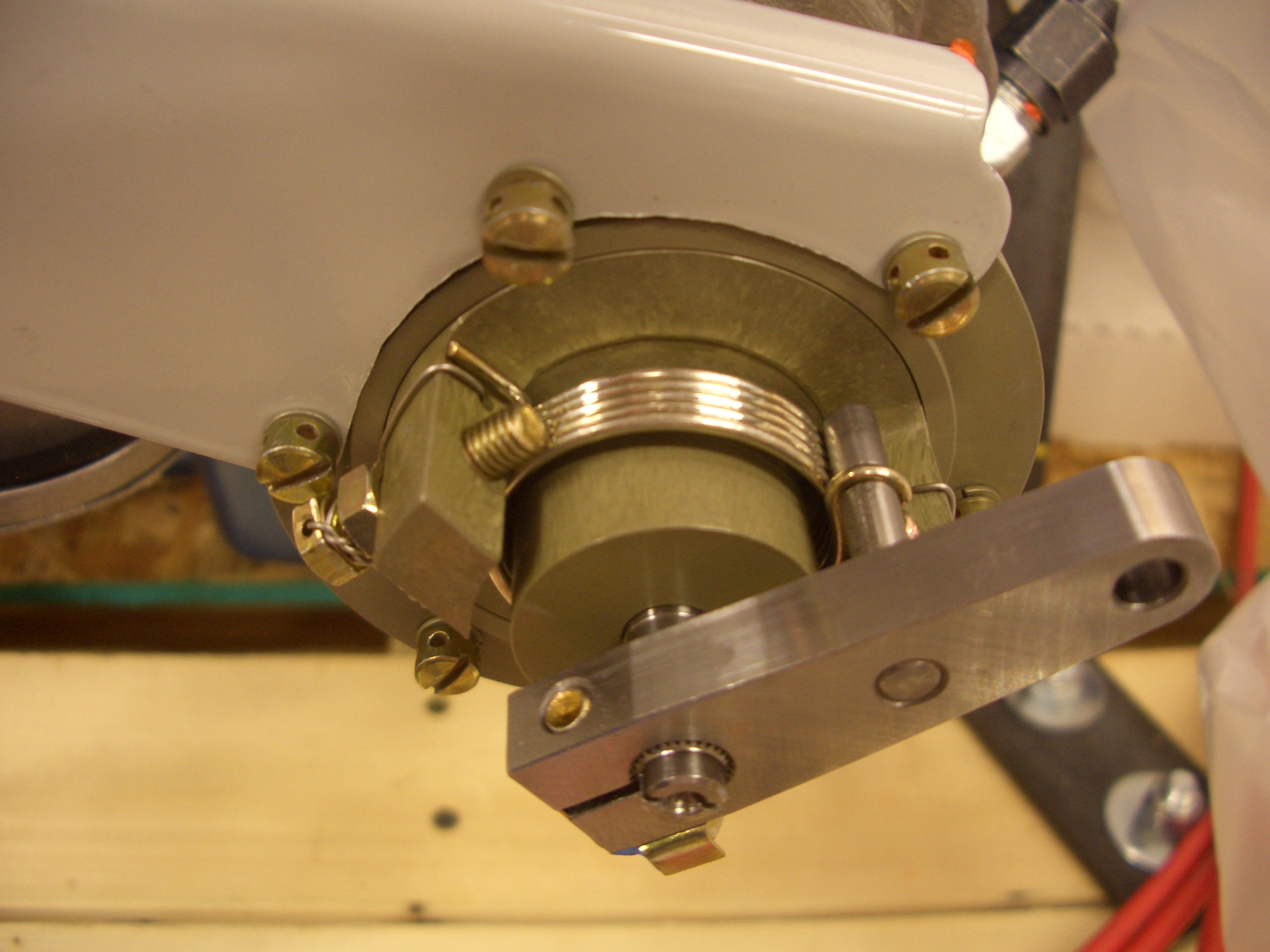
I also got an order from Van’s that included the prop governor cable bracket. After some grinding of the inner radius and elongating a couple of the holes slightly, it fits quite well. I had to cut off the safety wire for all six screw holding this ring on so that I could rotate the head and control arm. I can’t determine the final position of the control head until my prop cable shows up next week.
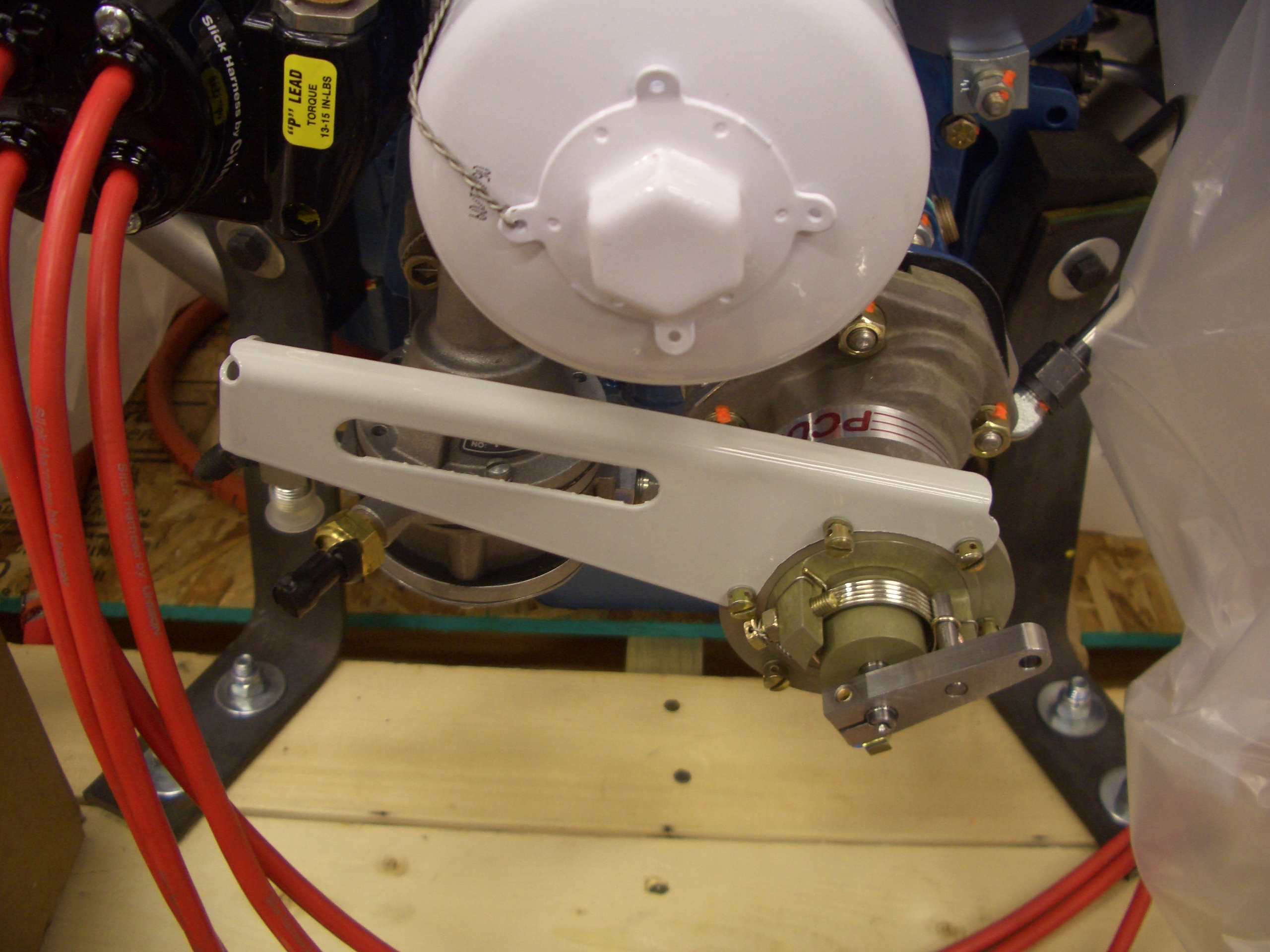
Here’s the entire bracket. The cable housing attaches to a hole on the left side and the cable passes through the slot in the bracket.
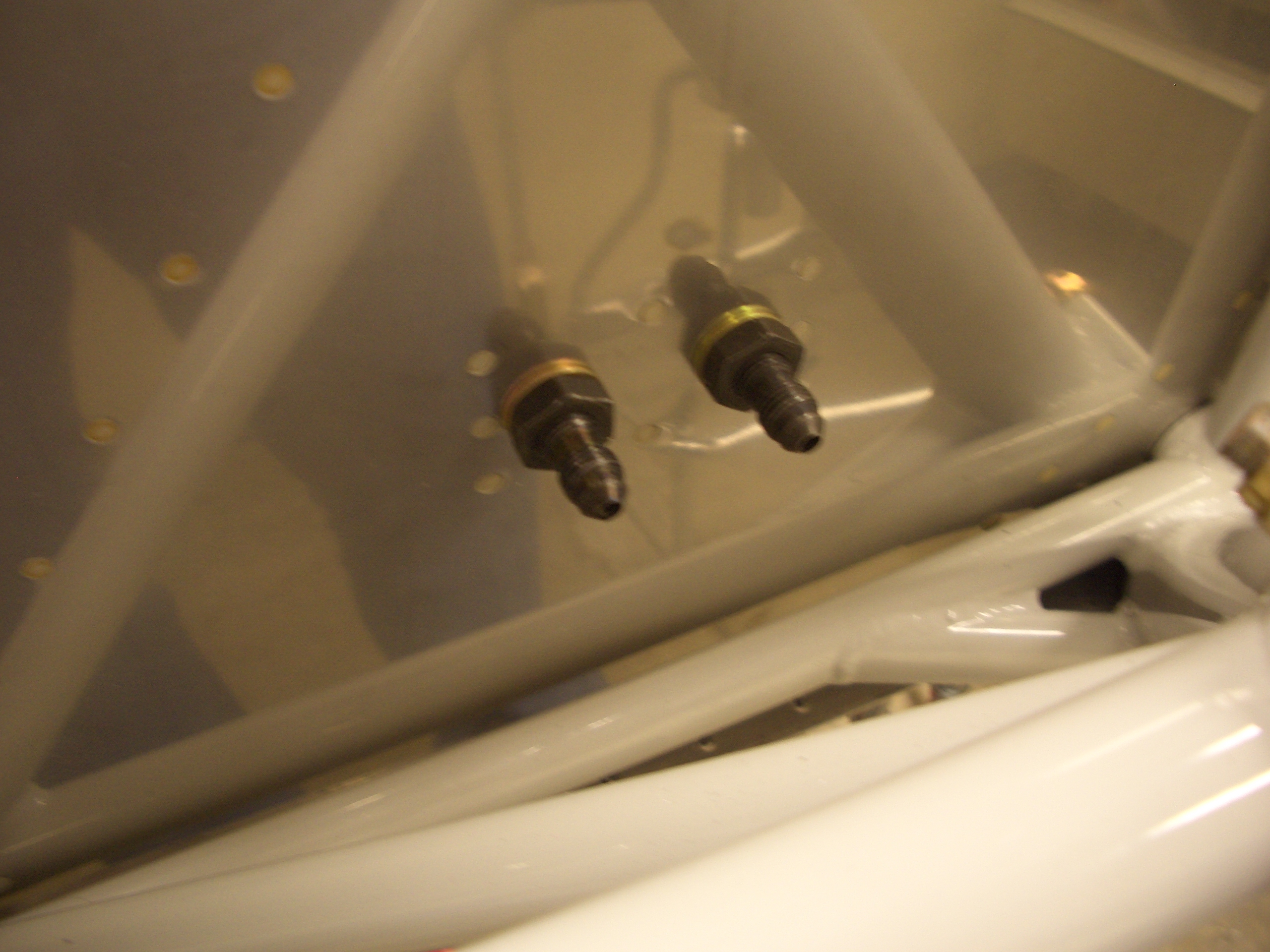
I also got an order from Aircraft Spruce that included some steel fittings to replace the aluminum ones I had installed for the brake lines. I’m trying to use steel fittings for all firewall penetrations if possible.
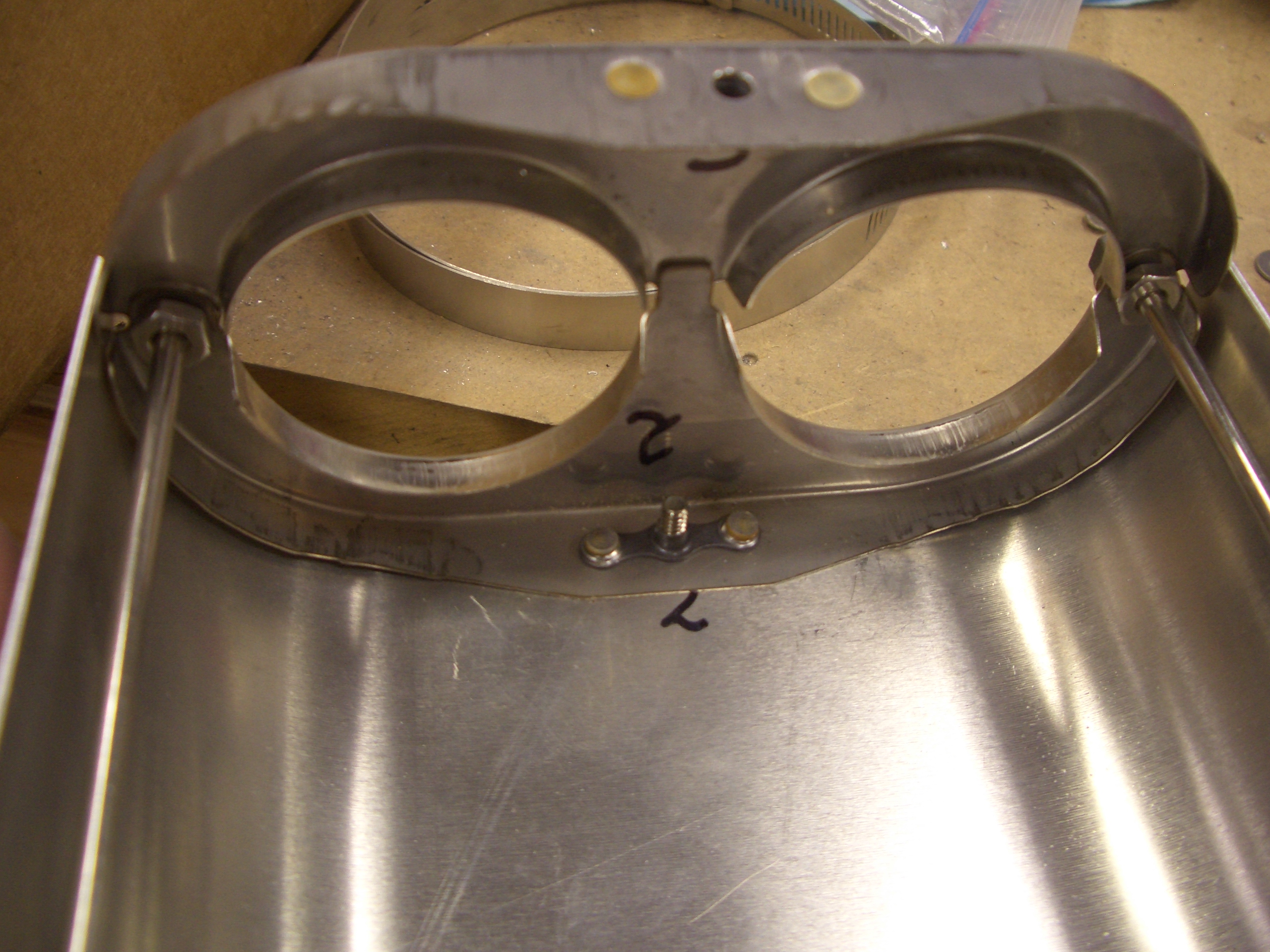
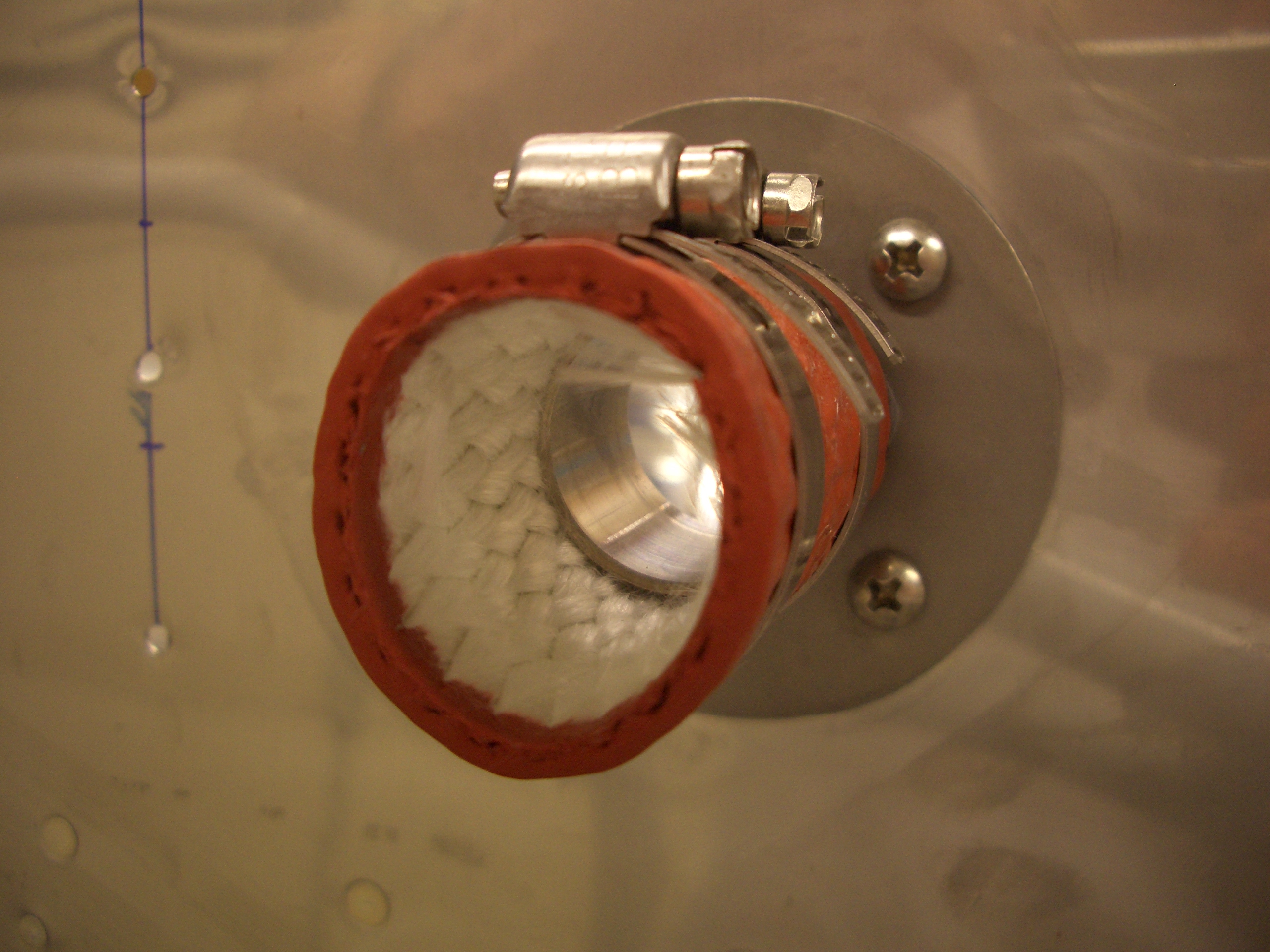
My order from Avery Tools included a couple of firewall pass-throughs from SafeAir1. These have a stainless steel tube with a spun flange so there are no sharp edges. I installed them with some 2000º fireproof sealant and then installed the outer fire sleeve and clamps.
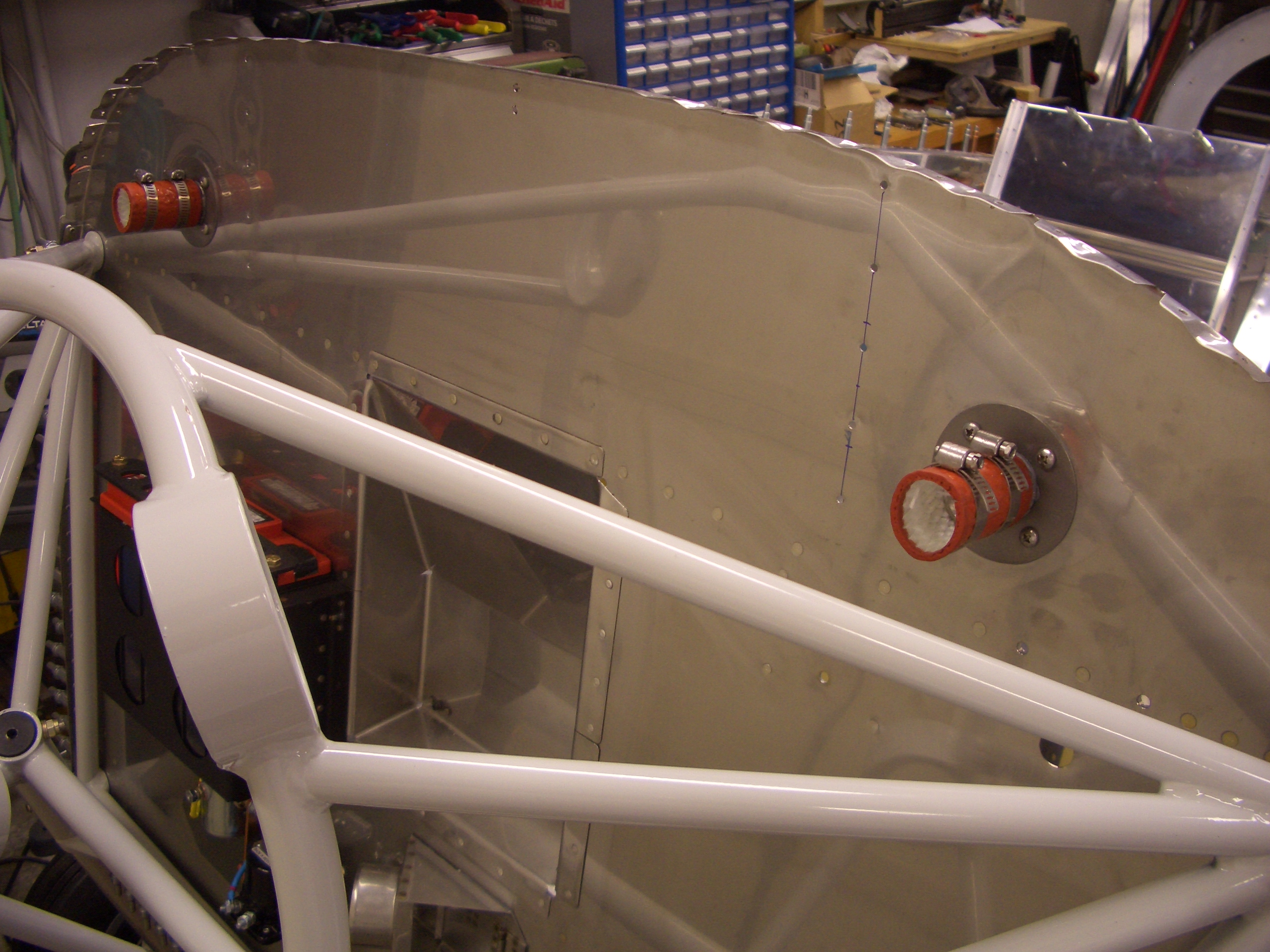
Here you can see through the pass-through. These each provide a 1″ opening for all of the wires that need to penetrate the firewall. I’ll use the one on the right side for all of the large power wires and the one of the left for all of the engine sensors. After the wires are installed, they’re wrapped tight with another piece of fire sleeving and some silicone tape and then pushed into the tube. The outer piece of fire sleeve is then slipped in place and the clamps are tightened.
Seats, Oil Temperature Sensor

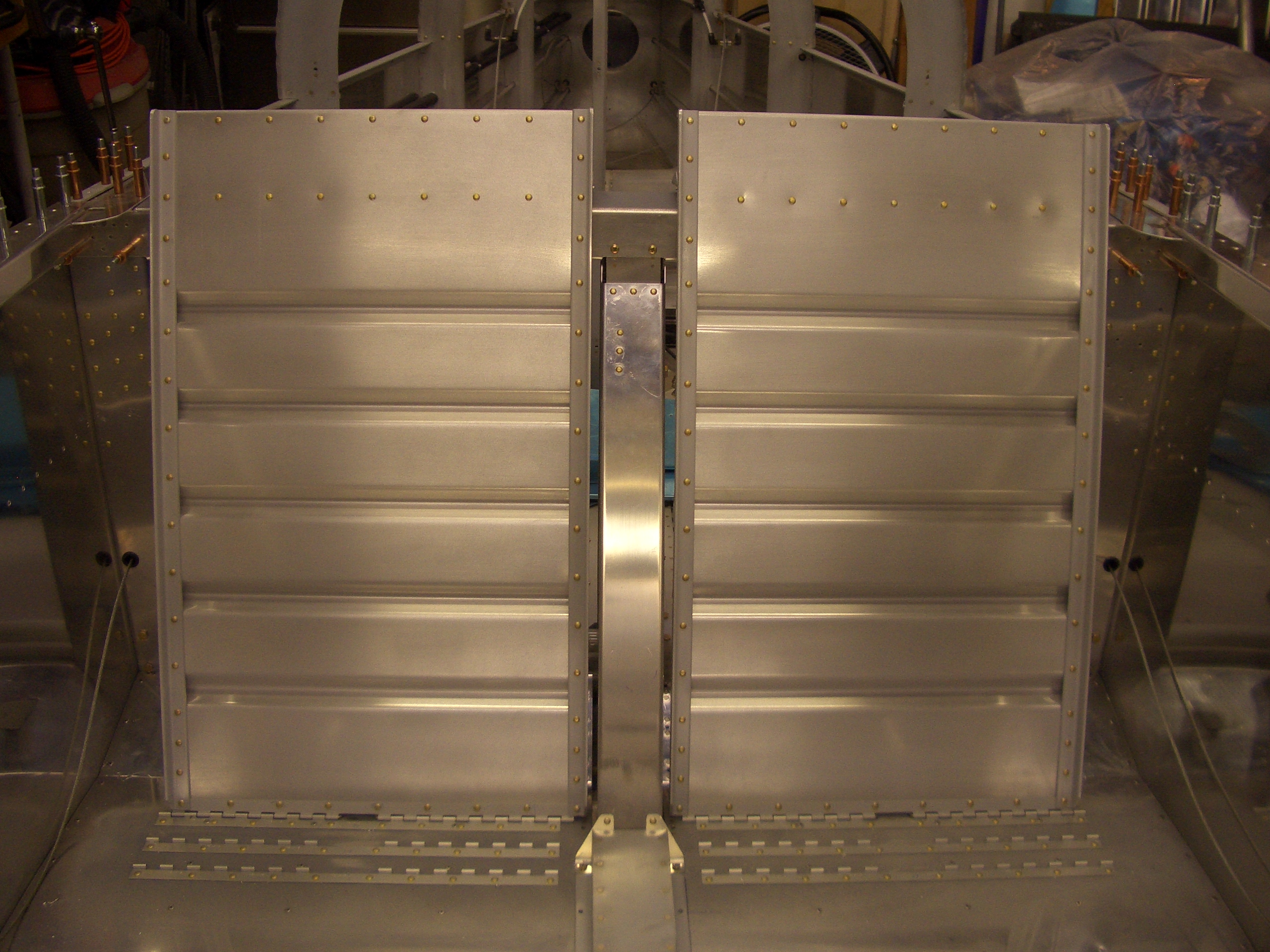
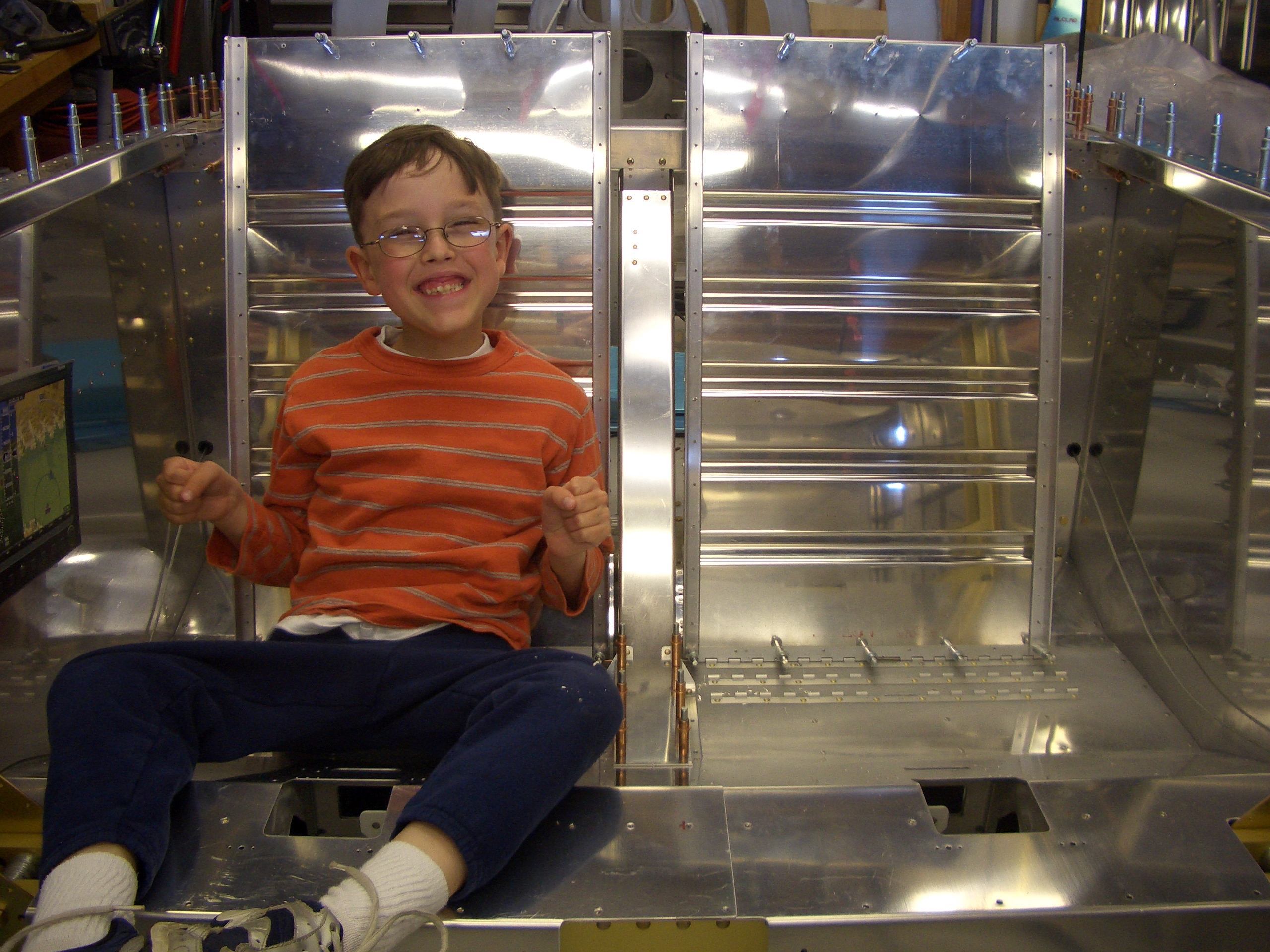
I finished fabricating the seat backs.  I still need to drill all the holes out to #30, but at least all of the fabrication is done.  My son just had to try it out.

I had to increase the angle of the bend for the upper seat adjustment mechanism so that it would slip into either of the slots in the upper seat support.  Here you can see the two different adjustment positions.  The seats can also be leaned all the way back so that the seats simply rest against the upper seat support.

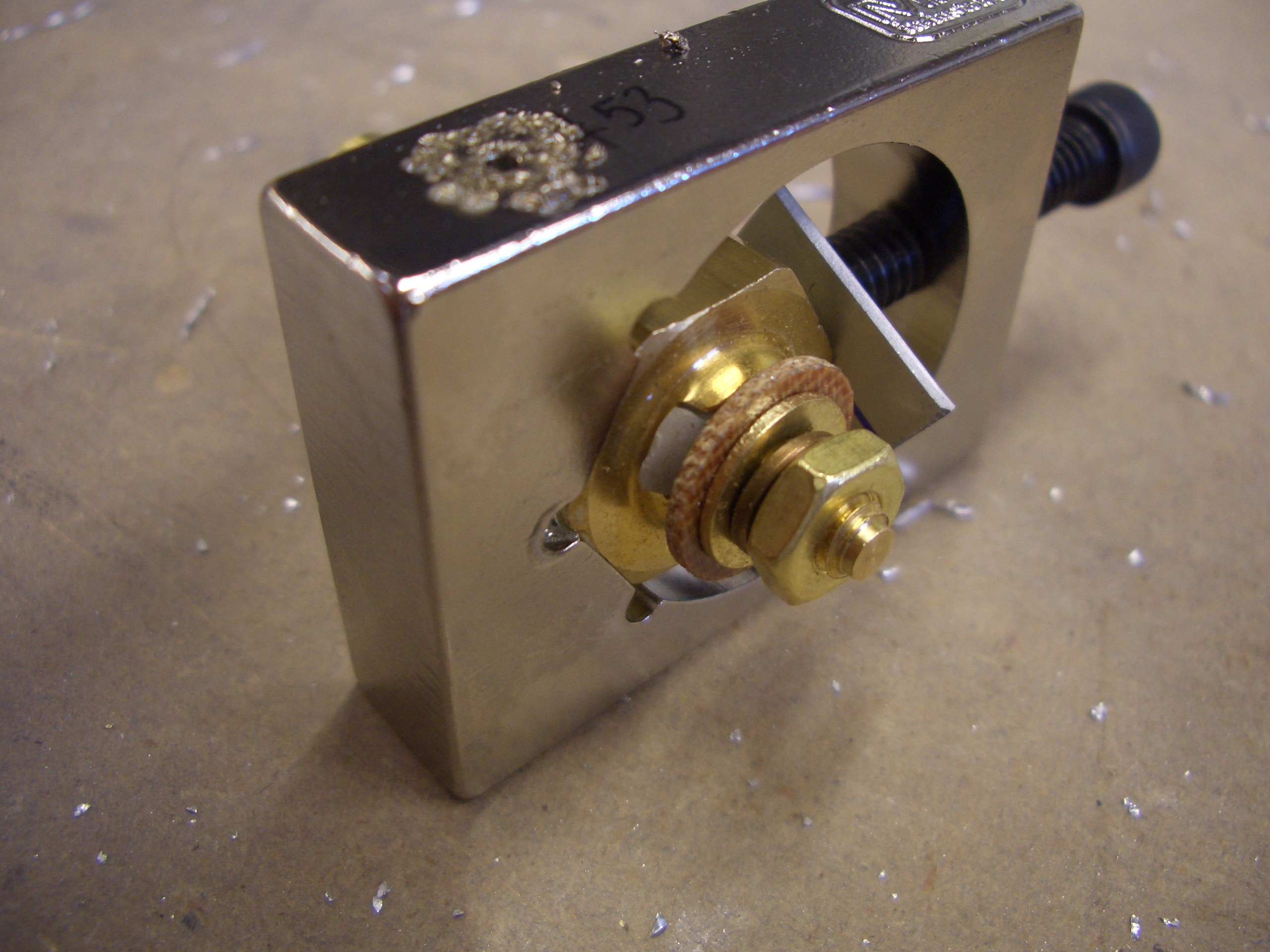
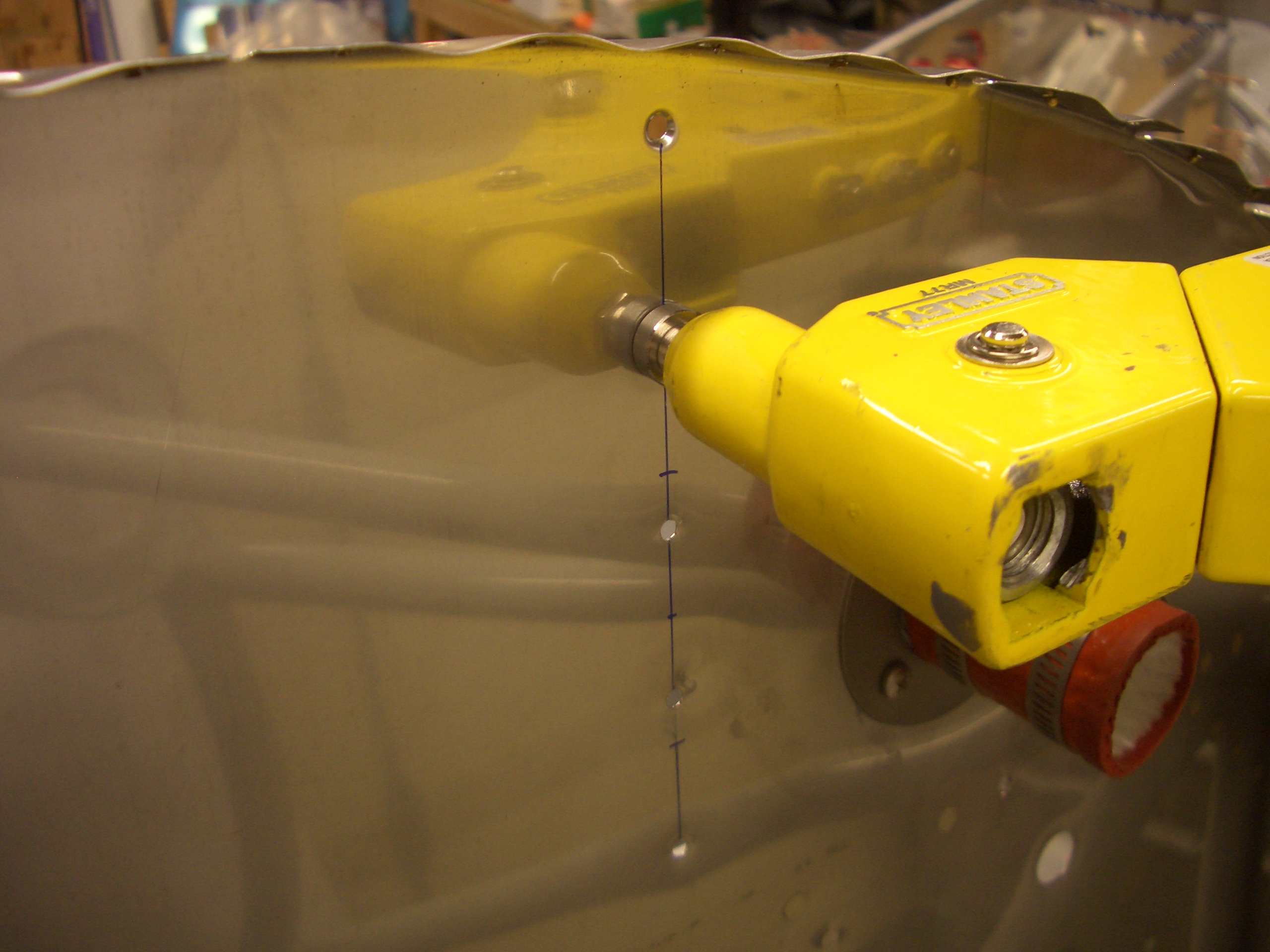
I was not comfortable that the Dynon oil temperature sensor had no provision for safety wiring it to prevent it from backing out.  I purchased this tool to drill a hole in the sensor.  The sensor fits inside and is clamped in place with the black bolt on the right.  I drill is then run through the small hole on the top (the one surrounded by metal chips).

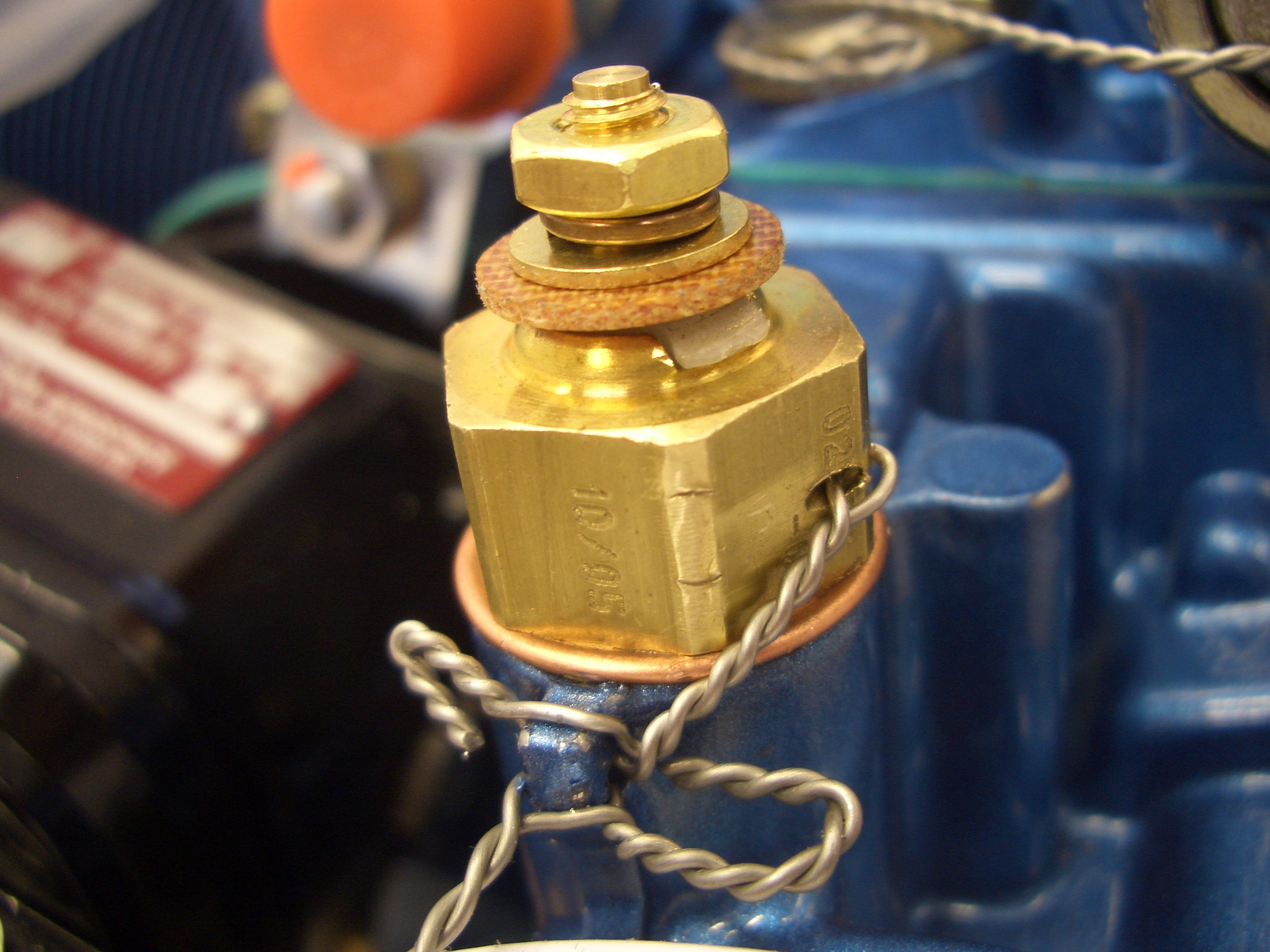
Here is the oil temp sensor fully torqued down and safety wired

Prepped Seats for Riveting, Canopy Seal Supports

My buddy Andre stopped by today and we drilled all of the seat back rivets out to #30 and then deburred all of the seat components.  We also deburred the forward ribs.

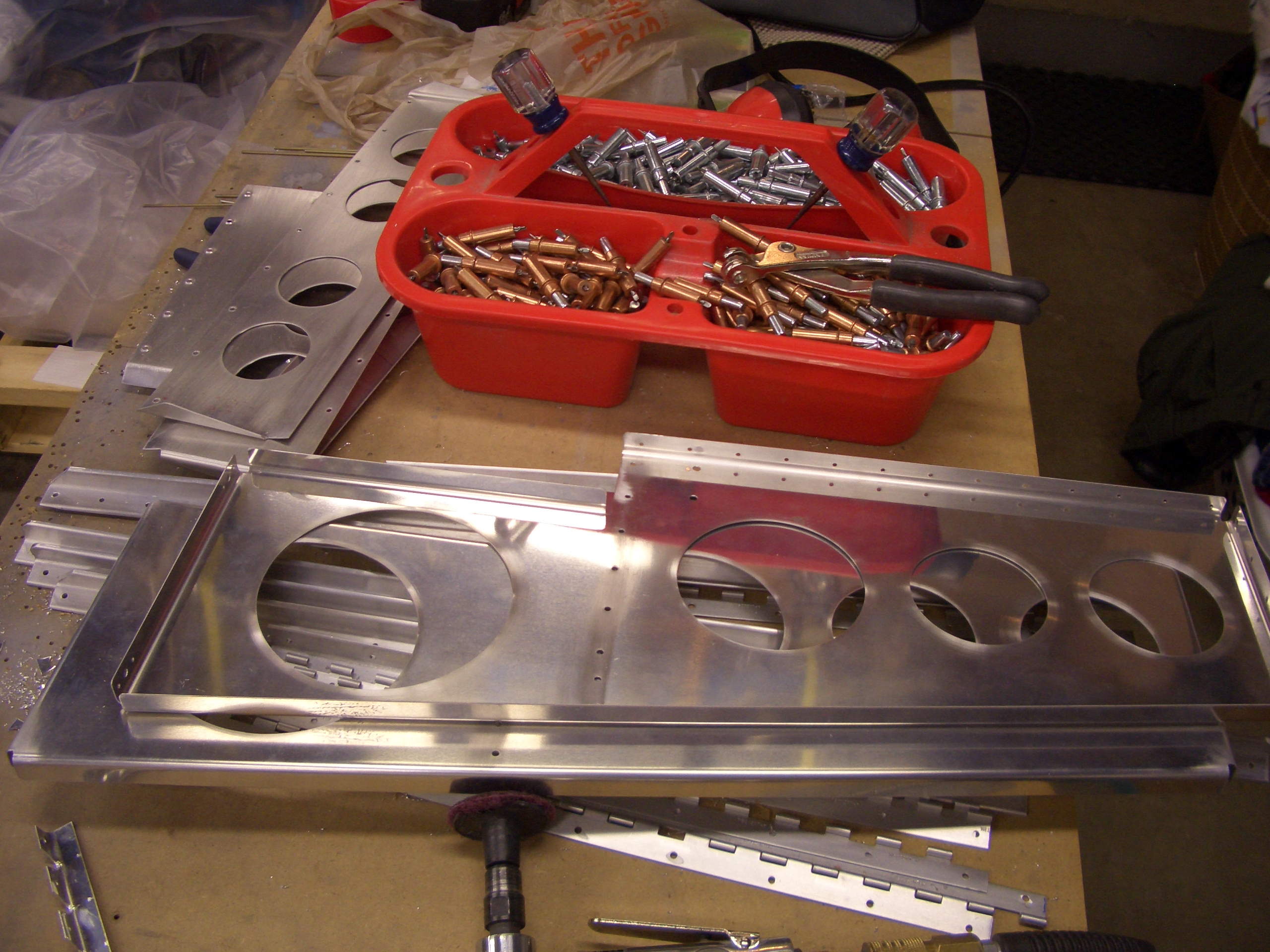
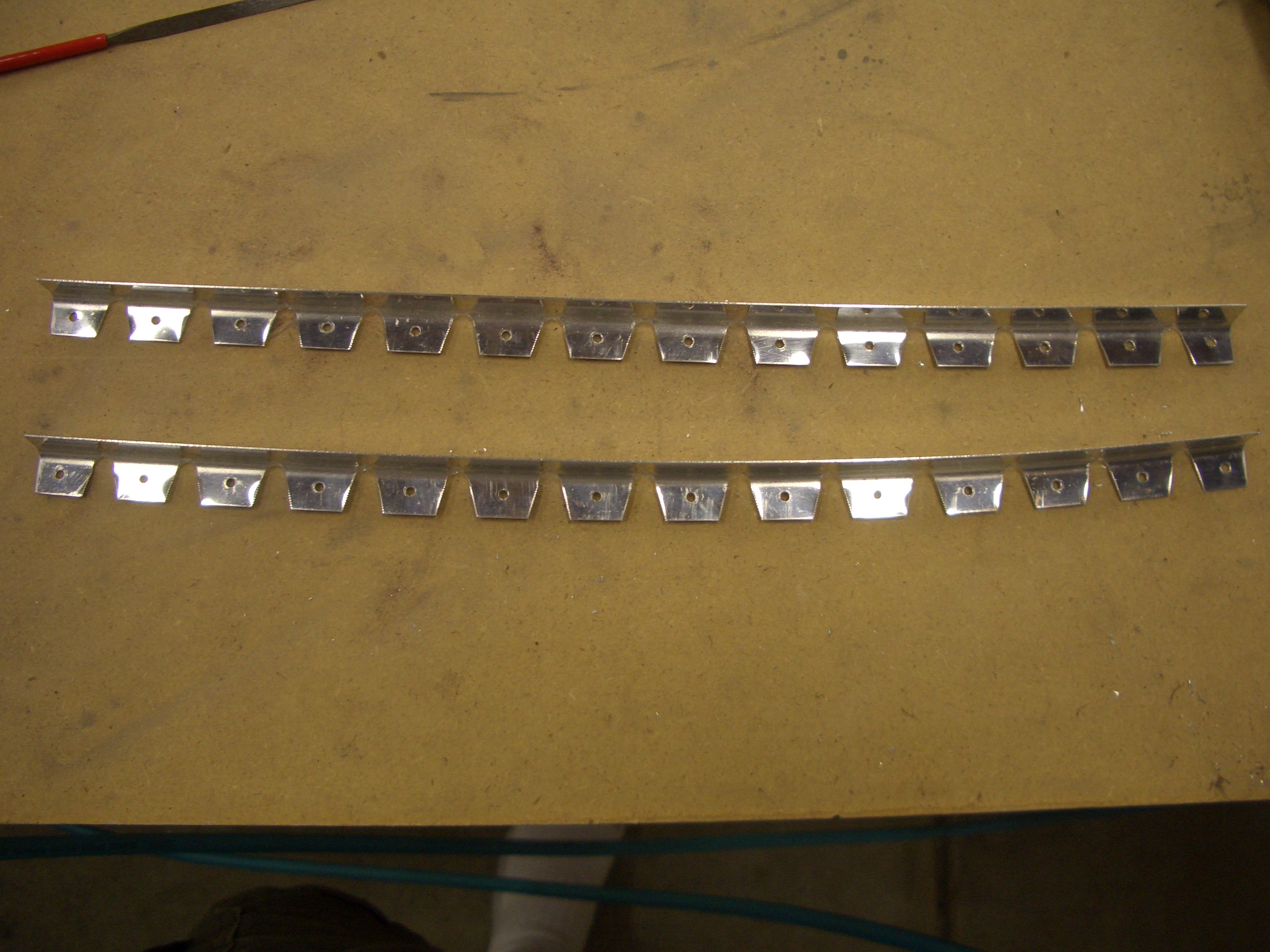
I got started fabricating the outboard canopy seal supports.  These require laying out for rivet holes and cutting notches so that these can be curved to follow the curve of the forward edge of the canopy.

Canopy Seal Support Angles

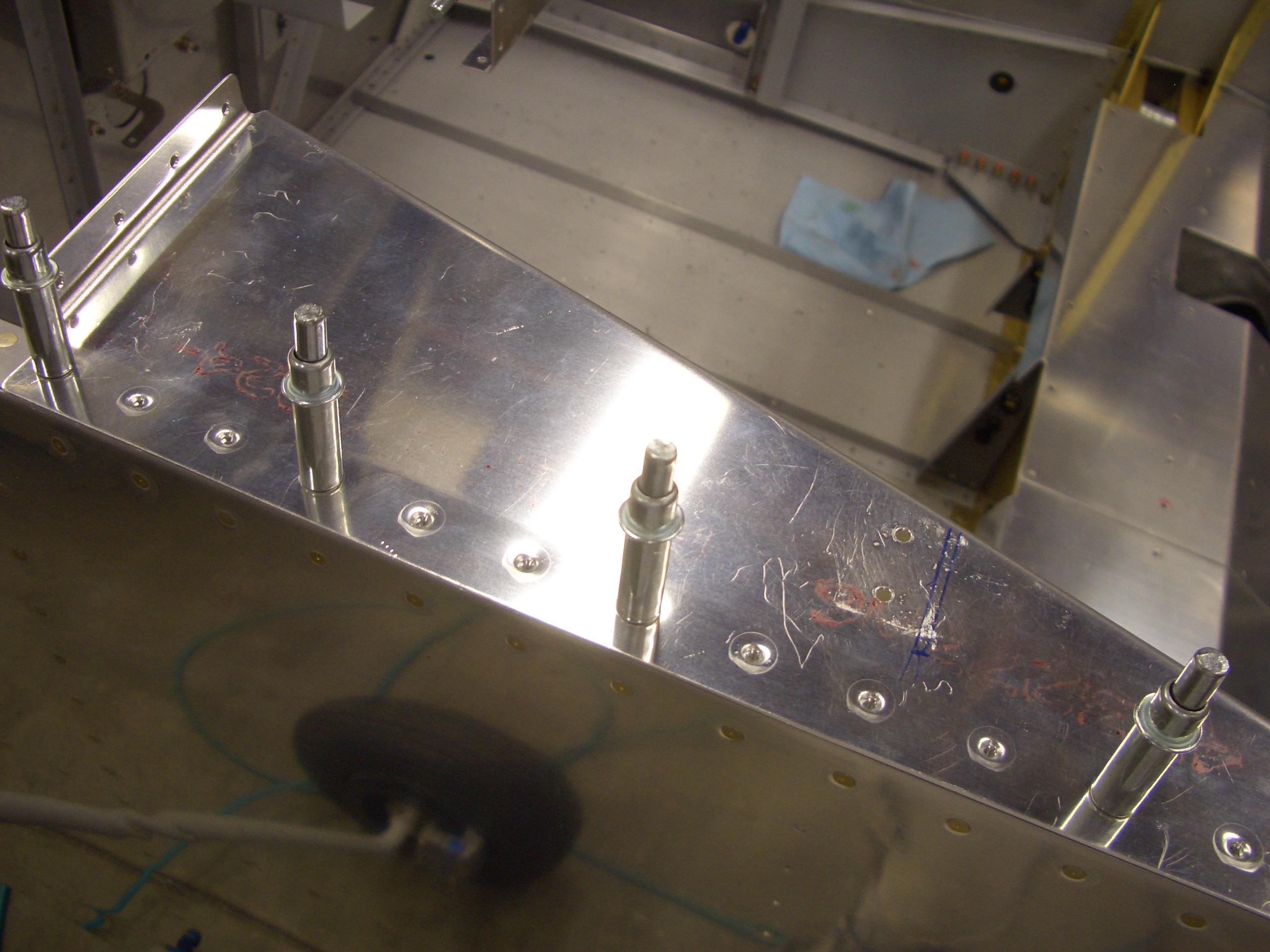
I finished fabricating and drilling the outboard canopy seal support angles.  These will support pieces of weatherstripping that the front edge of the canopy will close down against.

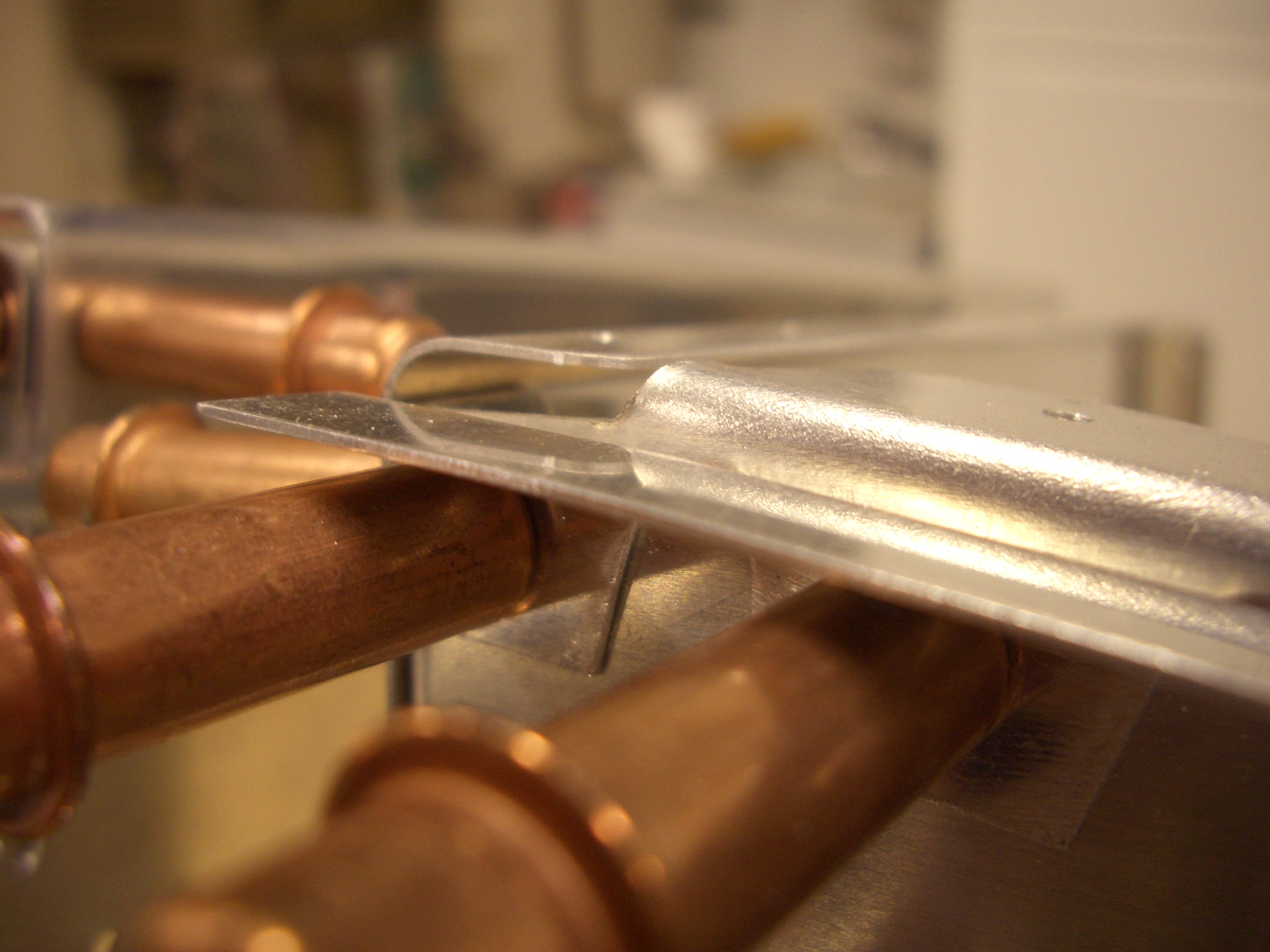
Here you can see that the seal support angle sits 1/8″ below the flange of the subpanel.  This provides a gap for the weatherstipping.

Worked on Forward Fuselage and Canopy Decks

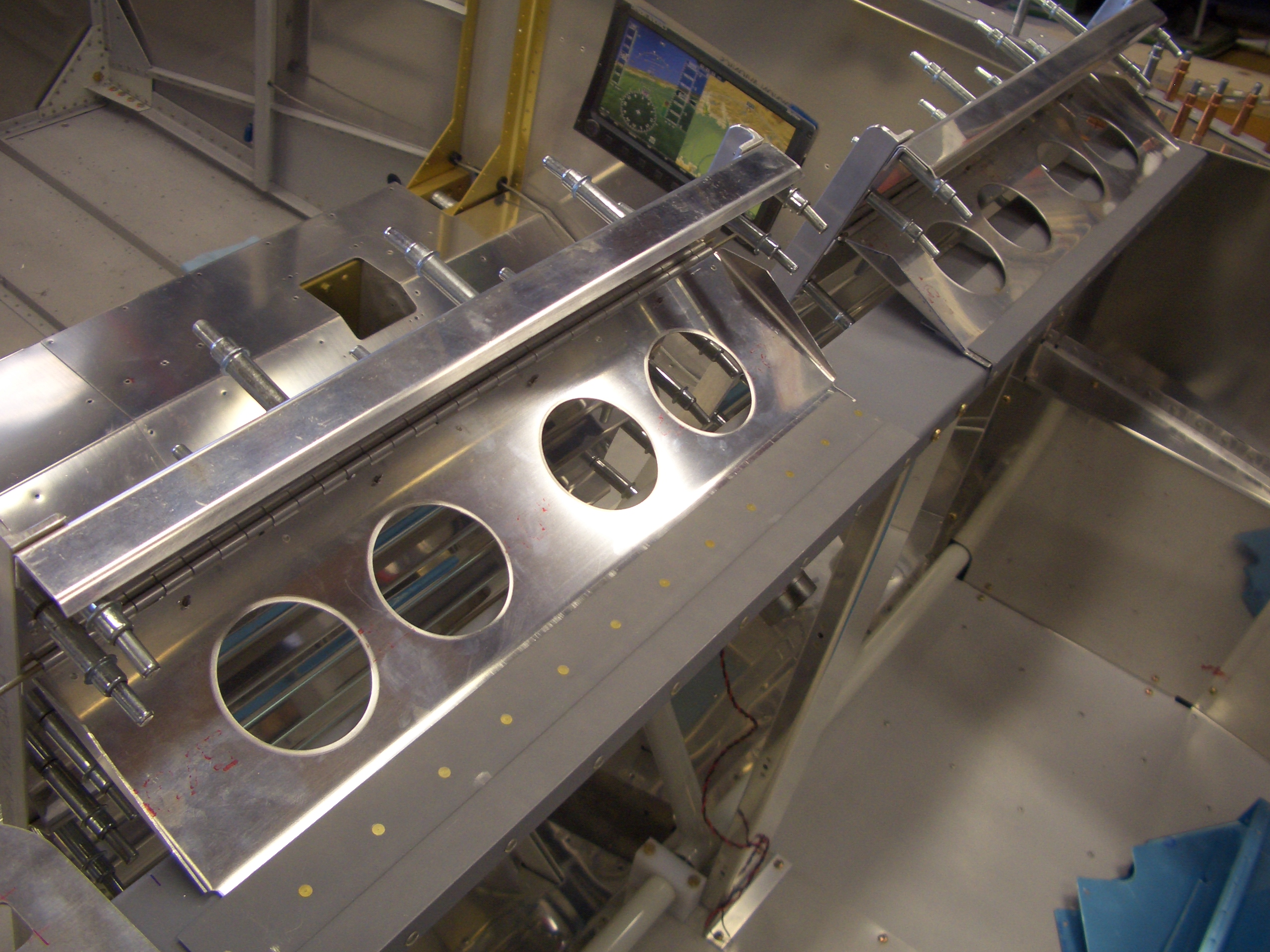
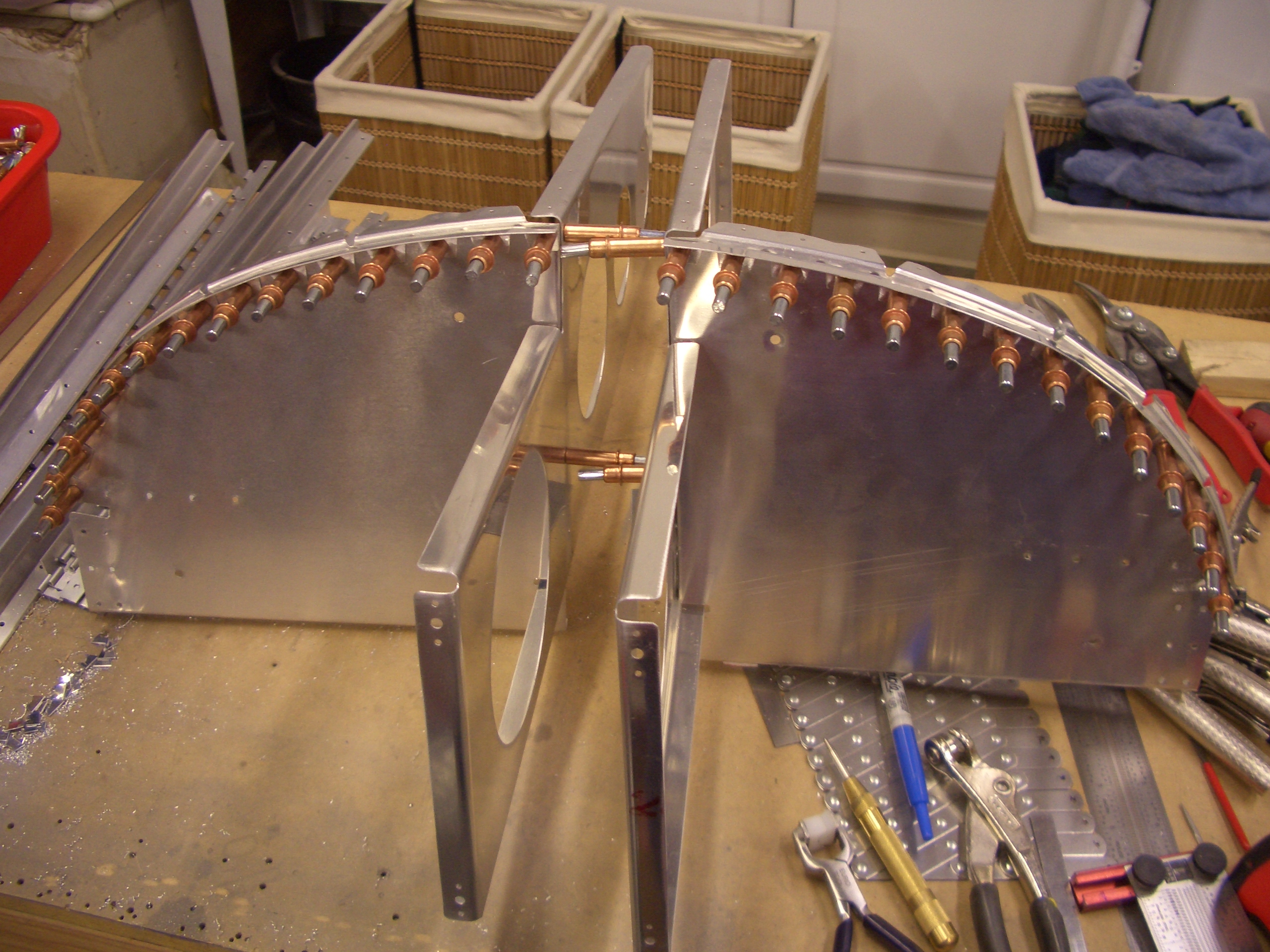
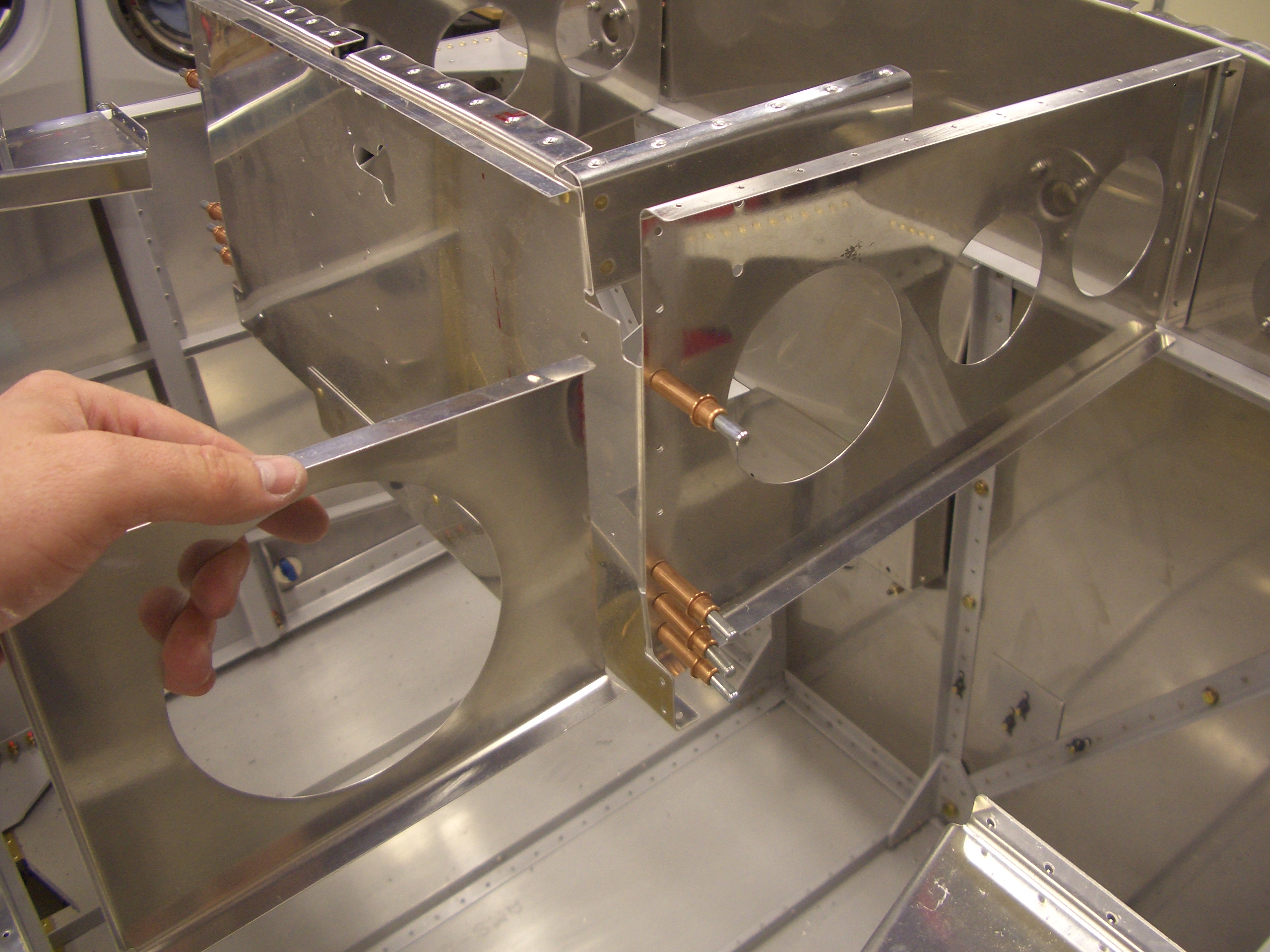
Because I’m going with the Dynon SkyView system, the aft end of the forward fuselage ribs need to be cut off.  I will move these over a bit and mount them between the SkyView screens and the radio stack.

I deburred and dimpled the holes in the firewall that attach these ribs using my pop rivet dimple dies.

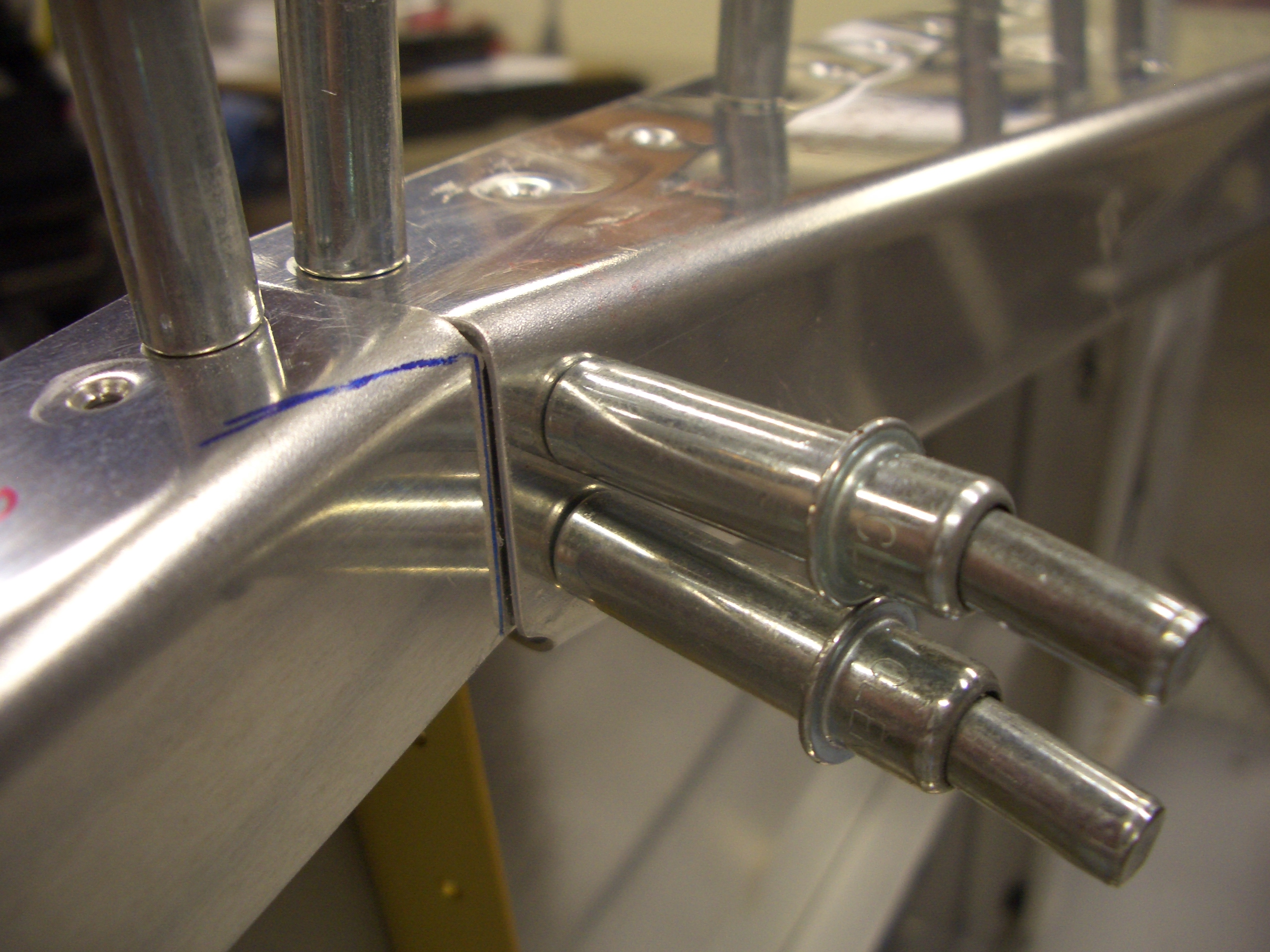
Finally, I deburred and dimpled the forward canopy decks and countersunk the longerons.

The forward and aft canopy decks are tied together using rivets in these two holes.

Received Exhaust

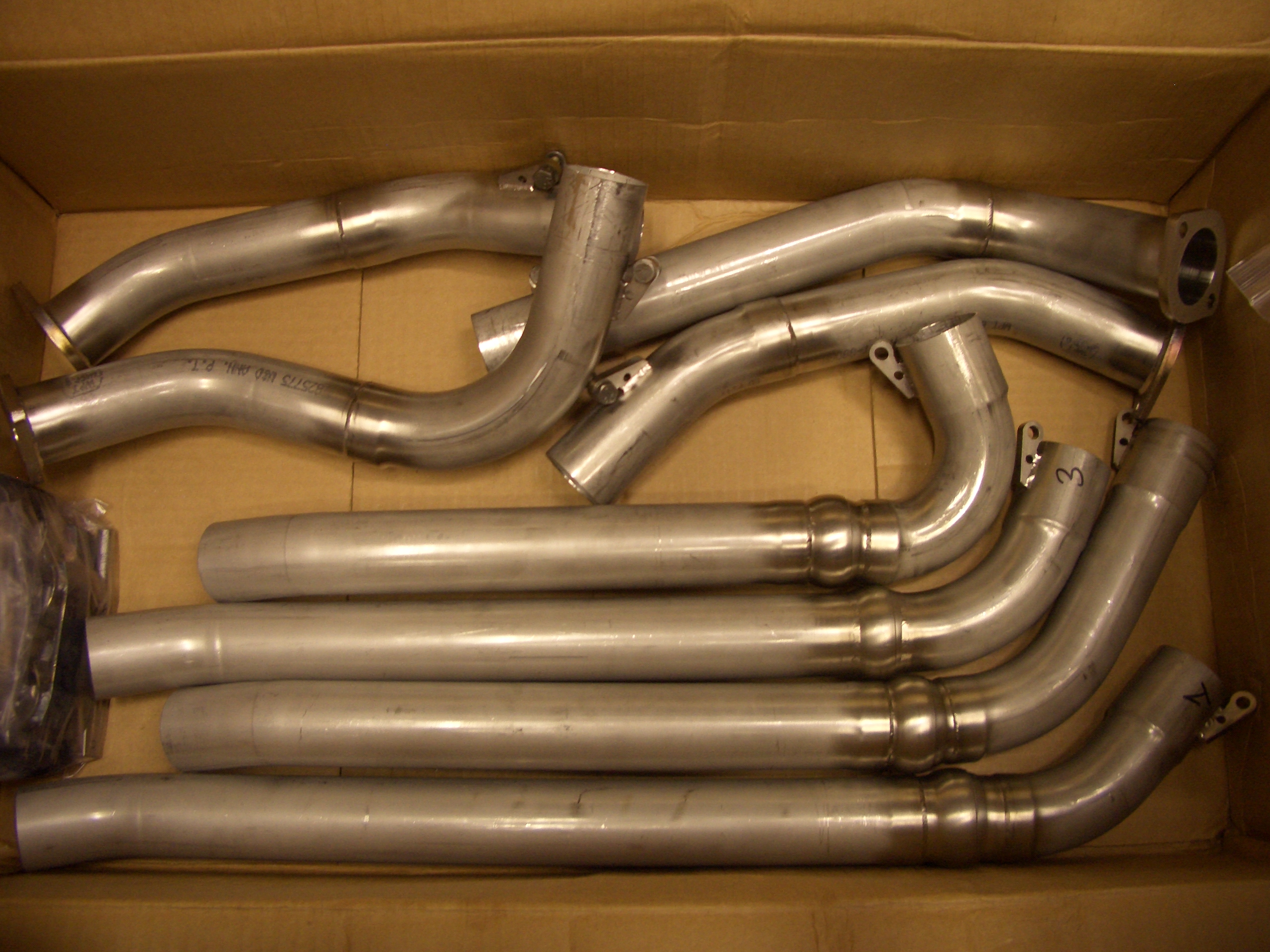
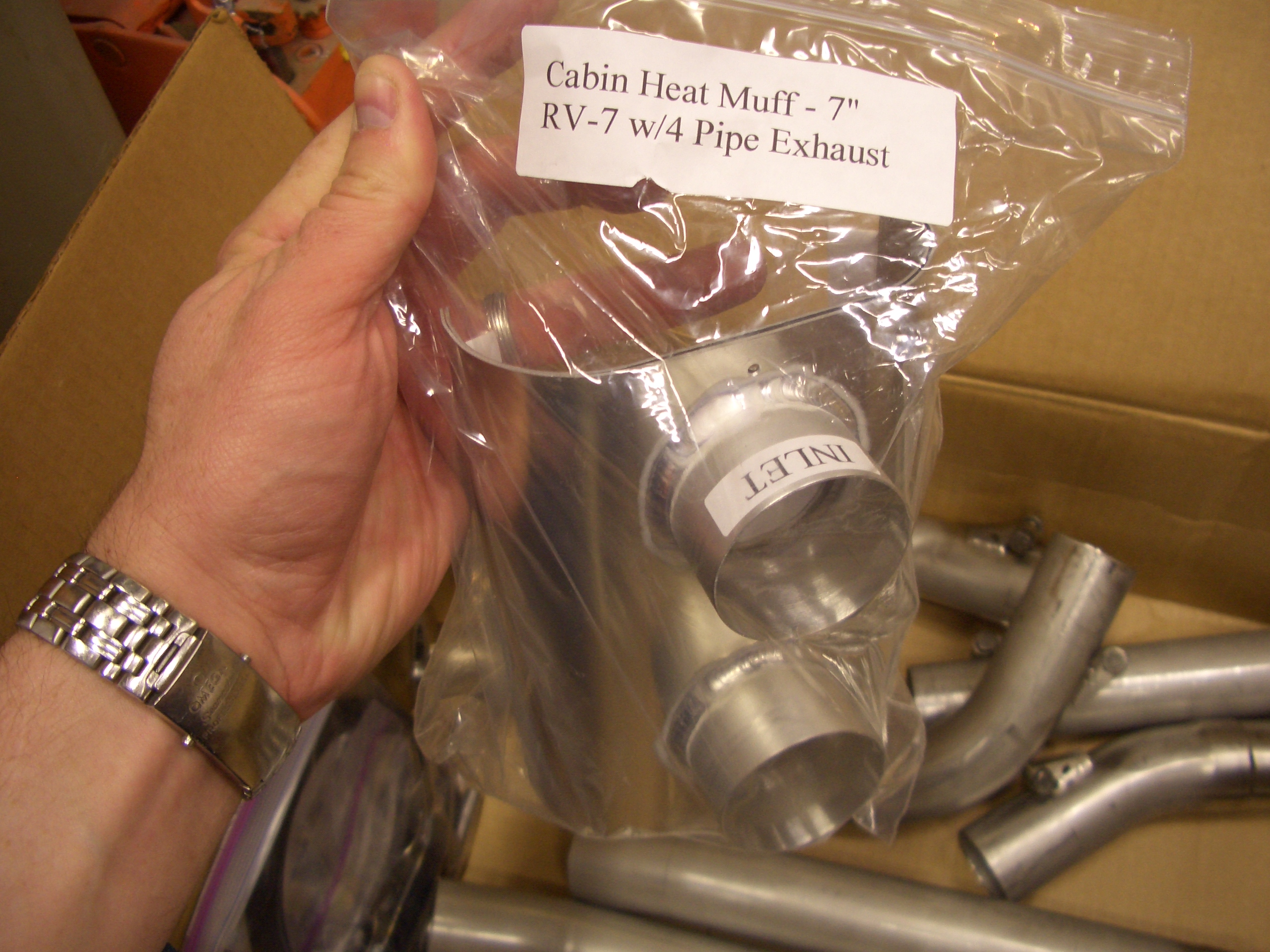
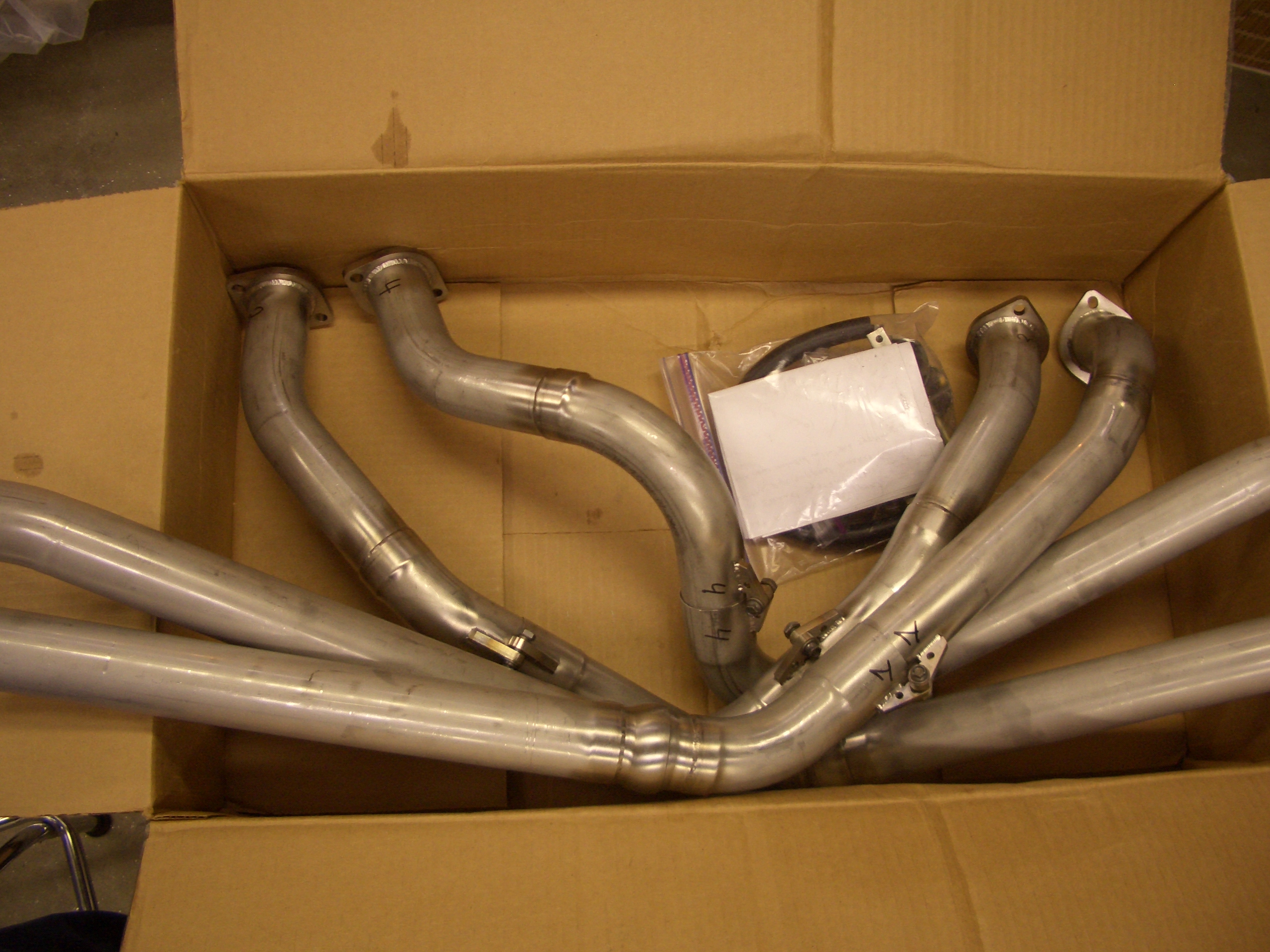
I got my exhaust from Larry Vetterman today.  On Larry’s recommendation based on my engine and sump, I went with the four pipe system.  This is a little unusual for RV’s as it seems that most people go with the crossover exhaust which ties cylinders 1 and 2 together as well as cylinders 3 and 4 together resulting in two pipes exiting the cowl.  I’m glad I went with this system for a couple of reasons.  First, I just think it looks better with four pipes exiting the cowl.  Second, the cabin heat muff for the four pipe system passes the air over two pipes instead of one, so Larry claims that you get much more heat out of this system.  Here are the pipes as received from Larry.  The upper four pipes have the flanges on them which mount to the cylinders.  The lower four pipes have ball joints which gives the exhaust system some flexibility to prevent cracking.

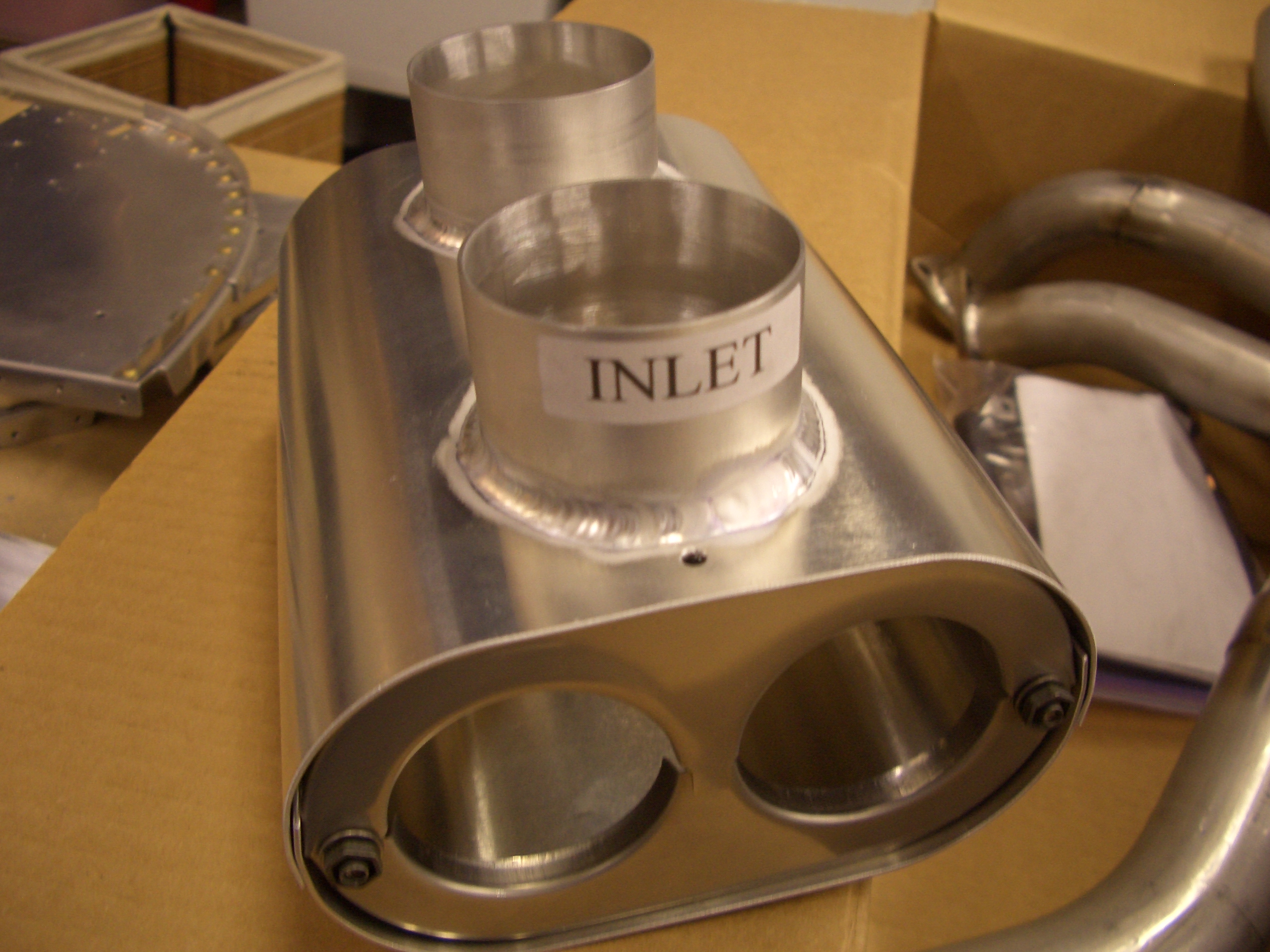
Here is the cabin heat muff.

I loosely assembled the upper and lower sections for each cylinder.

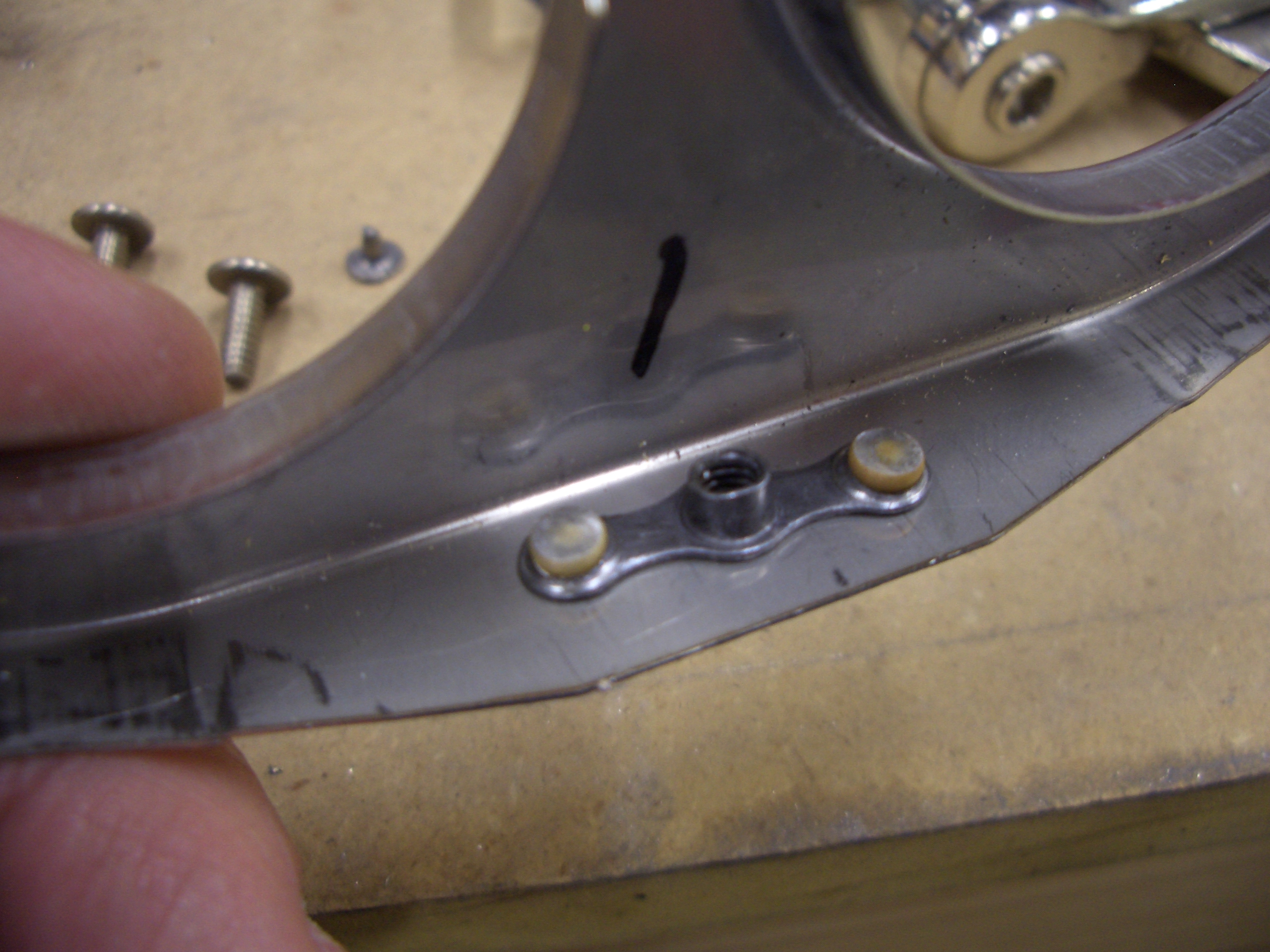
The instructions call for using sheet metal screws to hole some of the parts together in the cabin heat muff.  The heat muff in our Cardinal is assembled this way and every time we open the cowl, there are a couple of screws missing.  The plans specify that you can optionally install nutplates, so I installed some K1000-06 nutplates and ordered some extra AN526C632-6 screws.

Here is the temporarily assembled heat muff.  The muff will surround the exhaust pipes from cylinders 1 and 3, and the air inlet and outlet are on the top.

Here’s the inside of the muff showing the nutplates on the top and bottom of the end caps and showing the rods that connect the two ends of the muff.  I’ll assemble this permanently once the exhaust is installed on the engine.

Finished Seat Backs

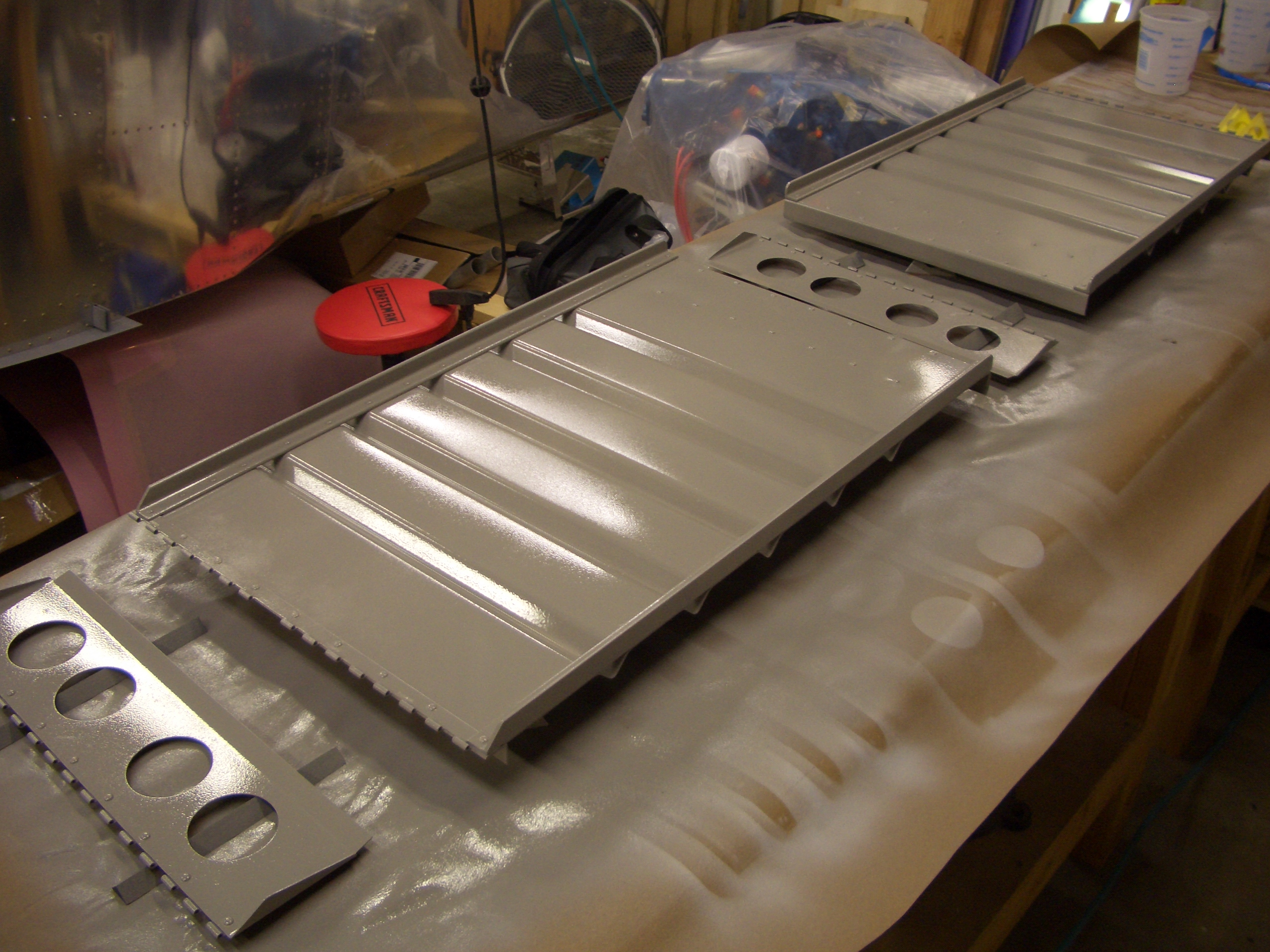
I primed and riveted together the seat backs today.  I’ll probably shoot this with the lighter of the two interior colors I’m using, but I only plan on using these when I have on chutes, so I’m not sure.  For the regular interior, I’ll be going with the Classic Aero Designs Aviator Seat Package which has an integrated seat back.

I also primed and riveted the center tunnel cover.  This will be covered by carpet, so I’ll just leave this primed.

High Altitude Training

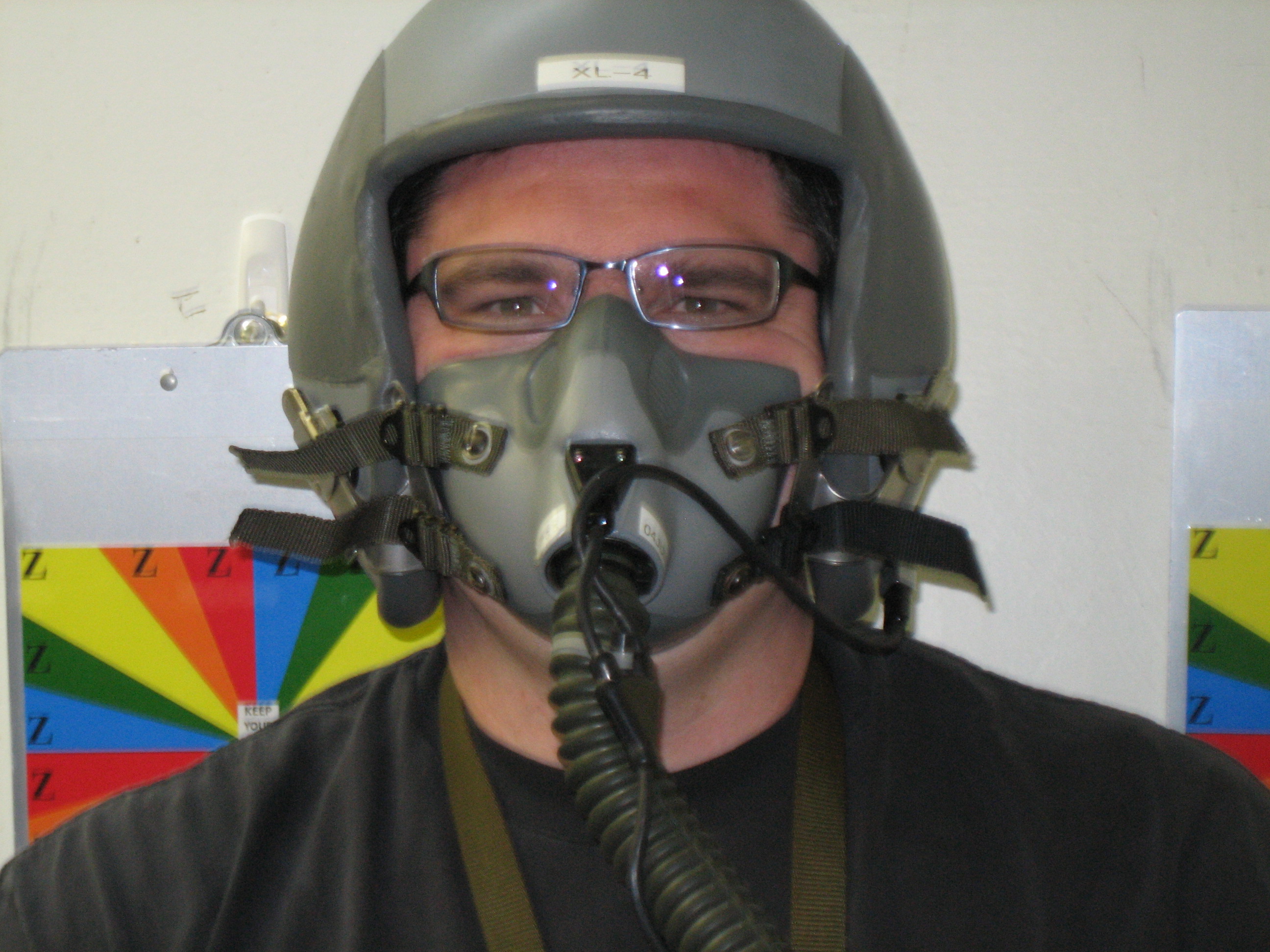
My buddy Dan and I flew up to Beale Air Force Base today to go through their high altitude training program.  The five painful hours we spent in ground classes was made up for by the one hour we got to spend in the altitude chamber.

They first took us up to 5k ft and back down to ensure everyone could clear their ears successfully.  We then spent 30 minutes at sea level breathing 100% oxygen to purge some of the nitrogen from our blood.  After a quick mask seal check (which one unfortunate person failed and had to be pulled from the chamber), we started our ascent.  We climbed at about 3k fpm to 8k ft and then leveled off briefly.  We then climbed at 10k fpm to FL180 where we removed our masks for a couple of minutes.  After replacing our masks, we climbed again at 3k fpm to FL250.  We took off our masks and they had us perform a quiz with a few simple questions and a maze.  They told us to start the quiz right after taking off our masks, but I completed it before I really felt anything, so it didn’t really show how your brain starts malfunctioning.  After a couple of minutes, I started having a couple of minor symptoms including euphoria and skin tingling, so I turned on the emergency oxygen and put the mask back on.  Finally, we dropped by to FL180 and took off the masks one last time to check our night vision.  I really didn’t notice much of a difference in my vision with and without the oxygen at this altitude, but most people did.  Finally, we dropped back to sea level and did a debrief.

Overall, I think the experience was worthwhile, but I was really hoping to experience more loss of mental ability.  No one in the chamber really did anything odd or even appeared to lose their ability to think clearly.  Some people did lose their color or get blue lips, but that was about it.

Fuel Vent, Brake Pedals, Brake Fluid Reservoir

Now that the proseal has cured, I trimmed the excess screen and mounted the fuel vents through the floor just behind the firewall.

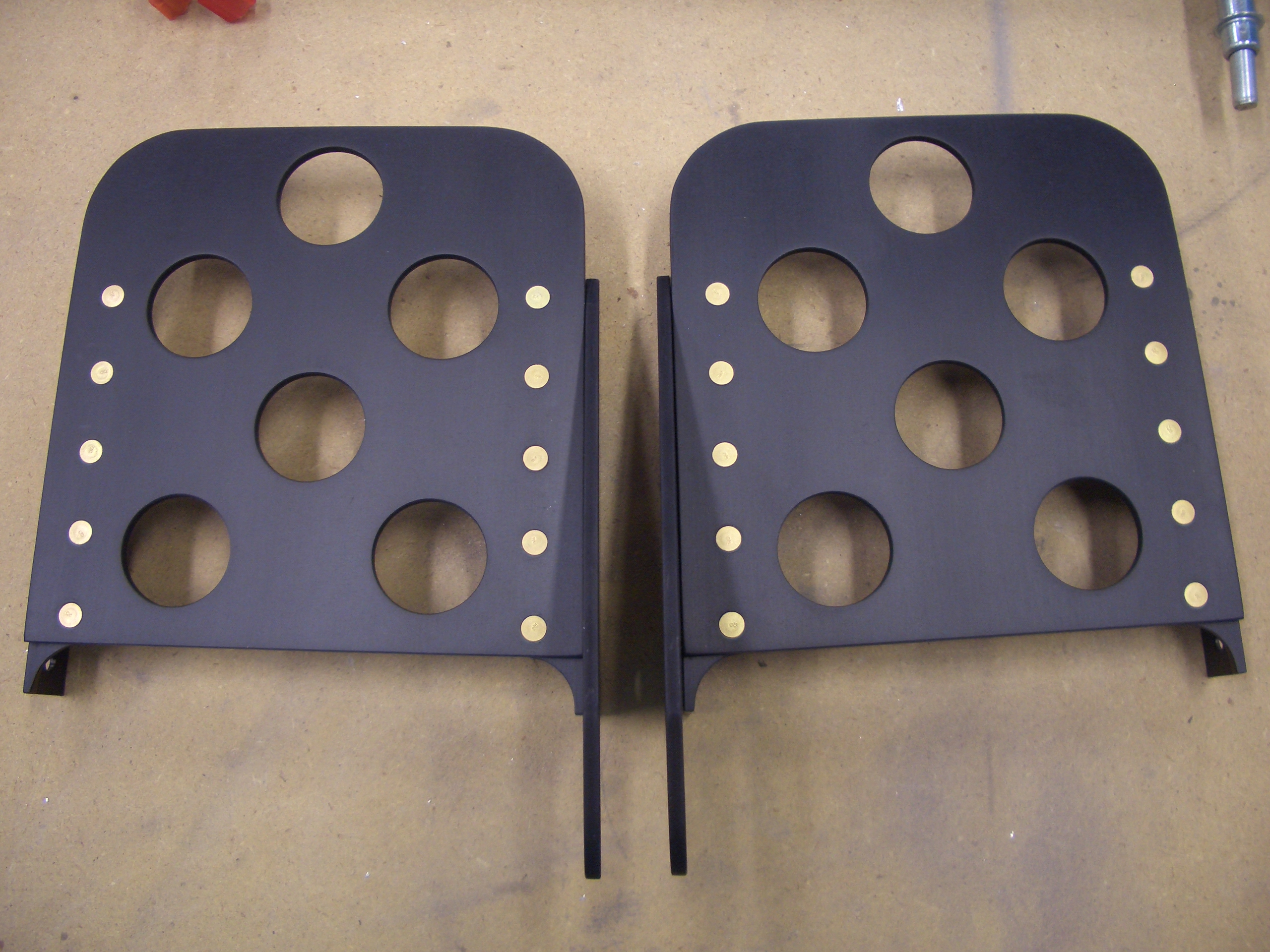
I got some parts back from the metal finisher where I had them black anodized.  The primary components were the parts for the brake pedals.  I quickly riveted them together.  The brake pedals will get a lot of wear over the years, and this should keep them looking like new.

Since I was already paying the minimum shop fee, I threw in a couple of other components.  This is the brake fluid reservoir and transducer manifold.

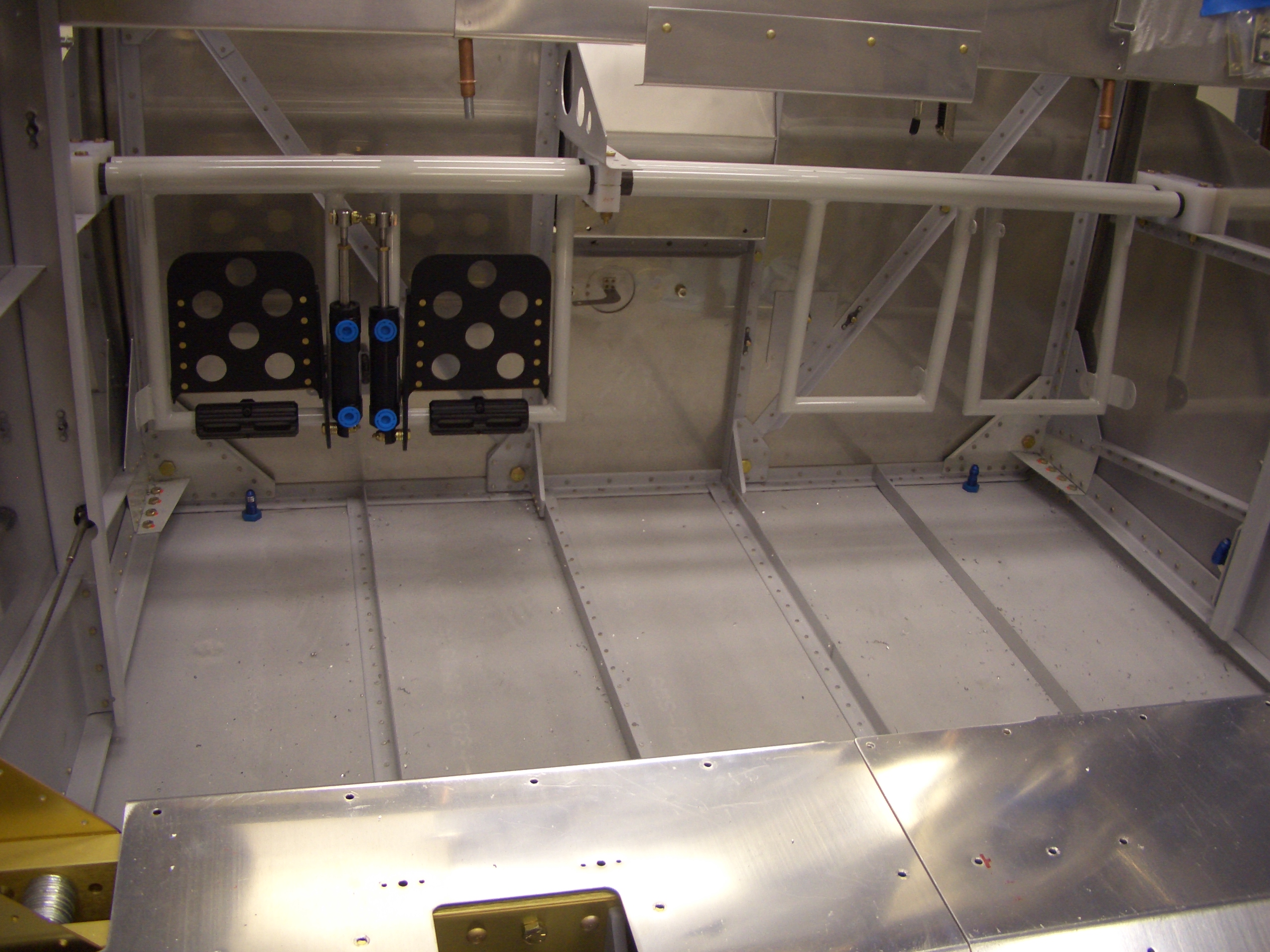
I mounted the brake pedals as well as the master cylinders and some rudder pedal extensions from JD Air Parts.  These parts are all black anodized, so they look great together.

Finally, I mounted the rudder pedals in the plane and torqued all of the bolts.

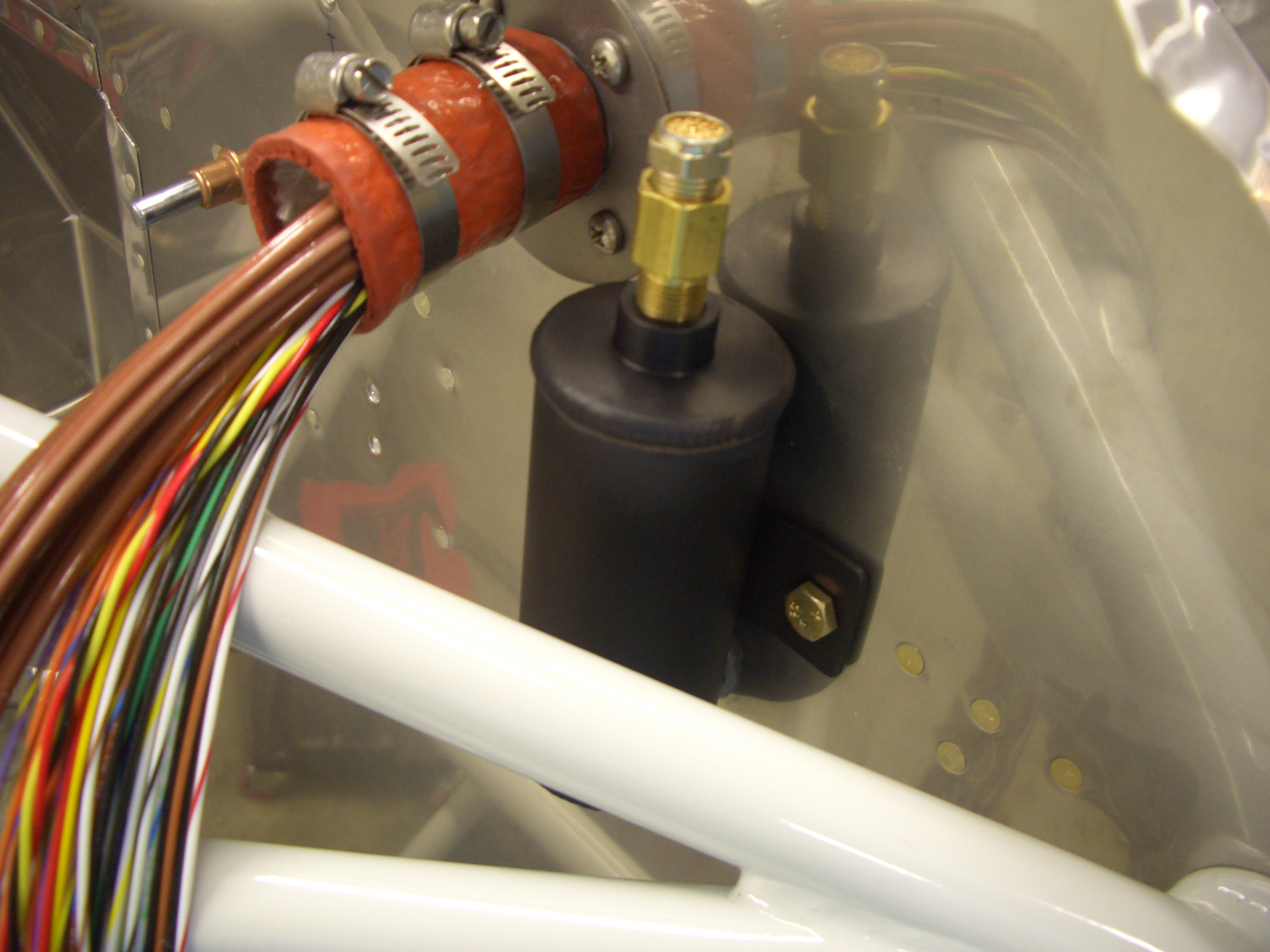
The last thing I did for the night was to install the brake fluid reservoir on the firewall.

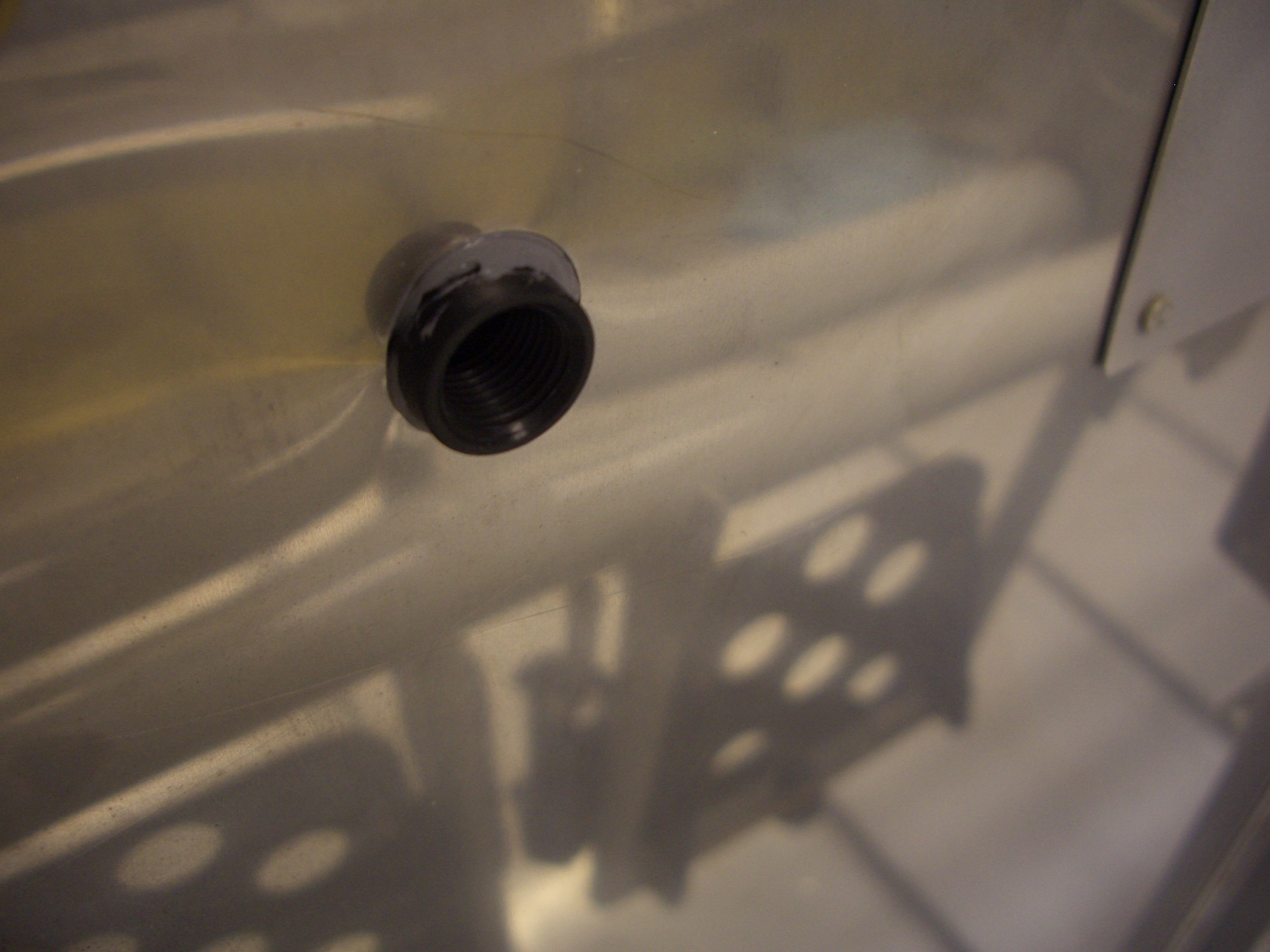
You can see on the inside that I used some firewall sealant around the hole through the firewall.