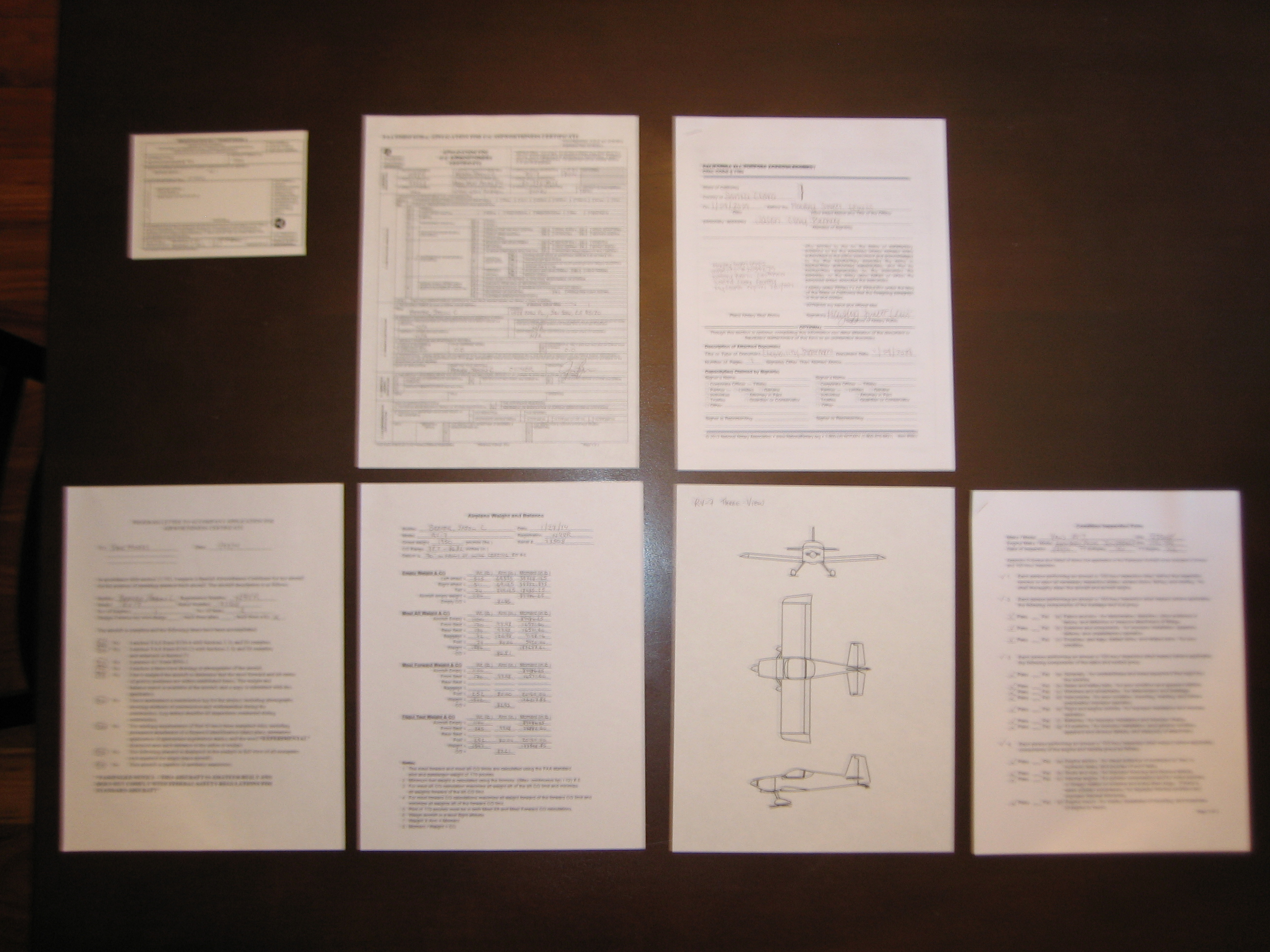
Put Together Paperwork for DAR

I spent a little time tonight wrapping up the paperwork for the DAR who will be inspecting my airplane.  From the upper left, we have the registration, 8130-6, notarized 8130-12, program letter, weight & balance, three-view and condition inspection.  I emailed everything to him tonight and am planning on meeting with him this Sunday.

Prepping Plane for DAR Visit

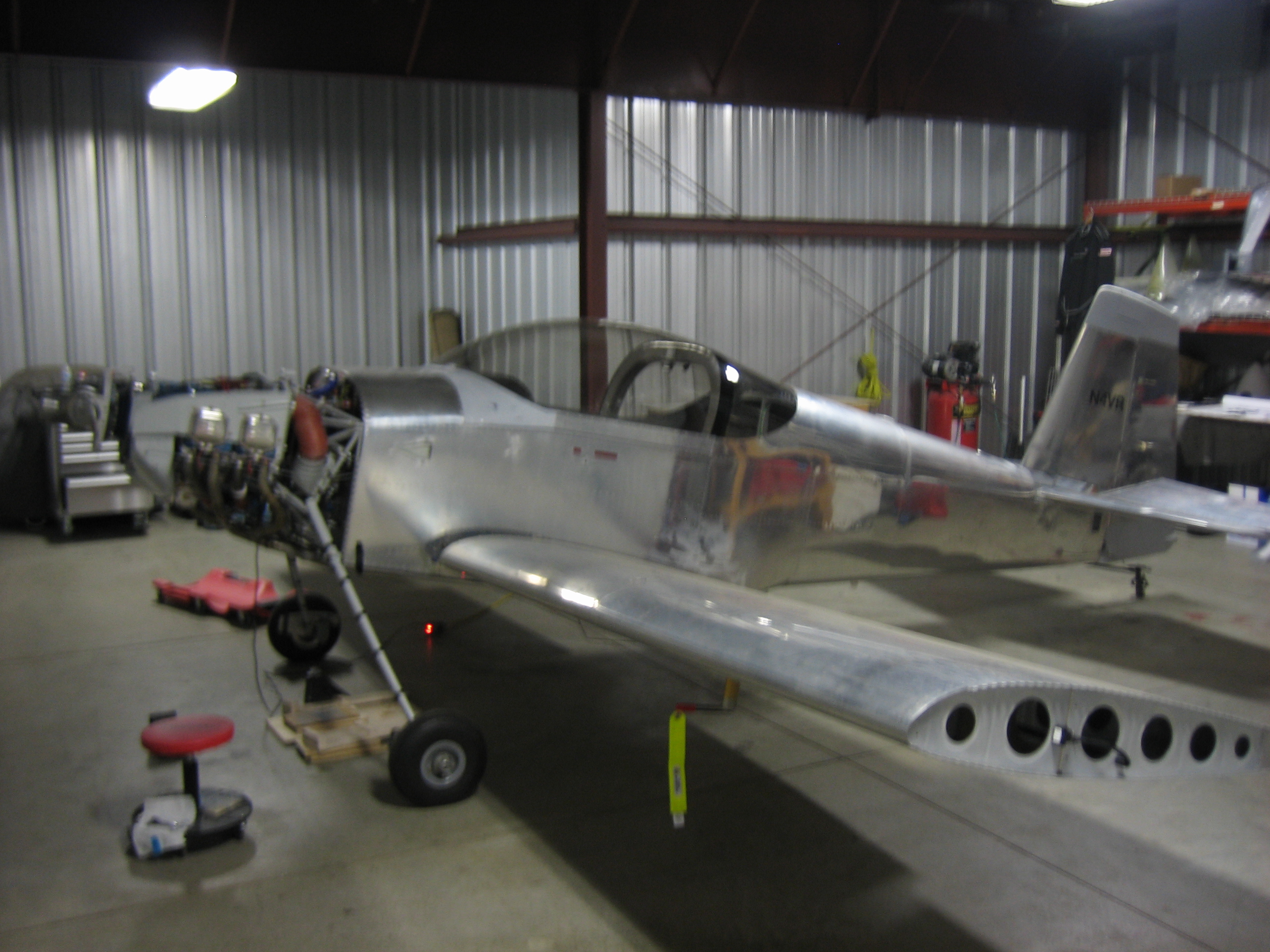
I got started tonight by taking a couple of more weight and balance measurements.  I had forgotten to include the plenum, but I decided to also throw the wheel pants and gear leg fairings on at their approximate position.  All of that helped move the CG forward 0.22″, but increased my empty weight to 1110.  After that, I took a measurement with me in the plane to find out exactly where my CG is.  Unfortunately, I’m 0.24″ aft of where Van’s says the pilot’s CG should be.  This had the effect of moving the plane’s CG back by 0.05″.  The net result is that the CG will be roughly 0.17″ forward of where I calculated on Sunday.  That still puts me 2.48″ aft of the forward CG limit, so I’ll still have to add some weight up front.

Afterward, I pulled everything off or out of the plane to get it ready for inspection.  I’ve still got a fair number of items to knock off the list before that happens though.

Left Wingtip Lens and Cowl Prep

I couldn’t go down to the hangar tonight, so I worked on some of the pieces I brought home.  I finished trimming and sanding the left wingtip lens and drilled it to the wingtip.  I’ll have to install the nutplates at the hangar where the rest of my tools are, but other than that the wingtips are ready for flight.  There is still a bunch of finish work before I’ll be happy with these, but I want to put that off until the landing lights are aimed right, then I can do all of the fiberglass finish work and put a coat of primer on the wingtip.

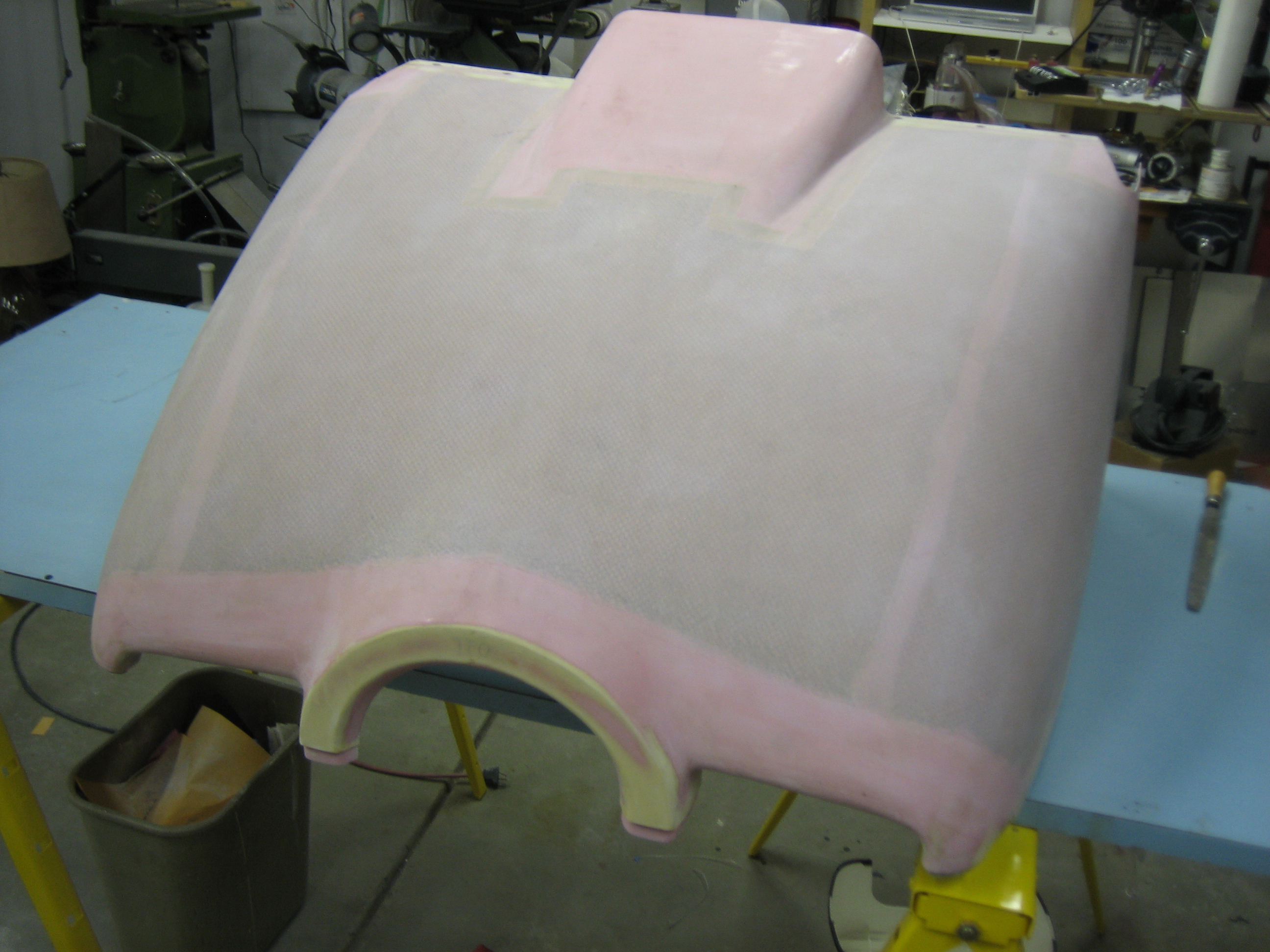
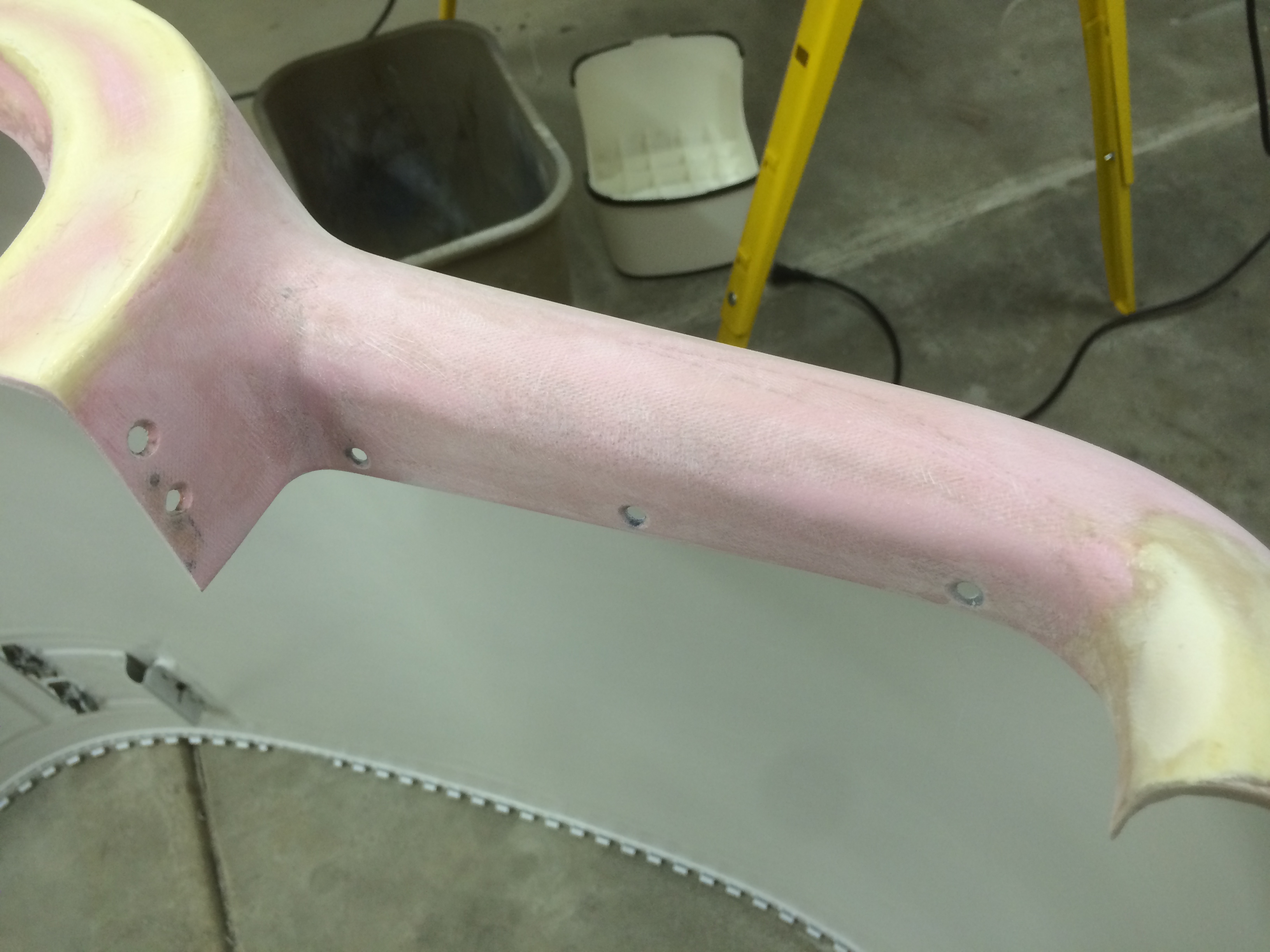
Speaking of fiberglass finish work, I resumed work on the cowl to get it ready for a coat of primer.  There are still a few spots that have pinholes, so I’ll be doing a little epoxy work before priming.  I spent a little time first with a file smoothing out little high spots and fixing a couple of epoxy runs.

Padded Fuel Line Under Forward Cover

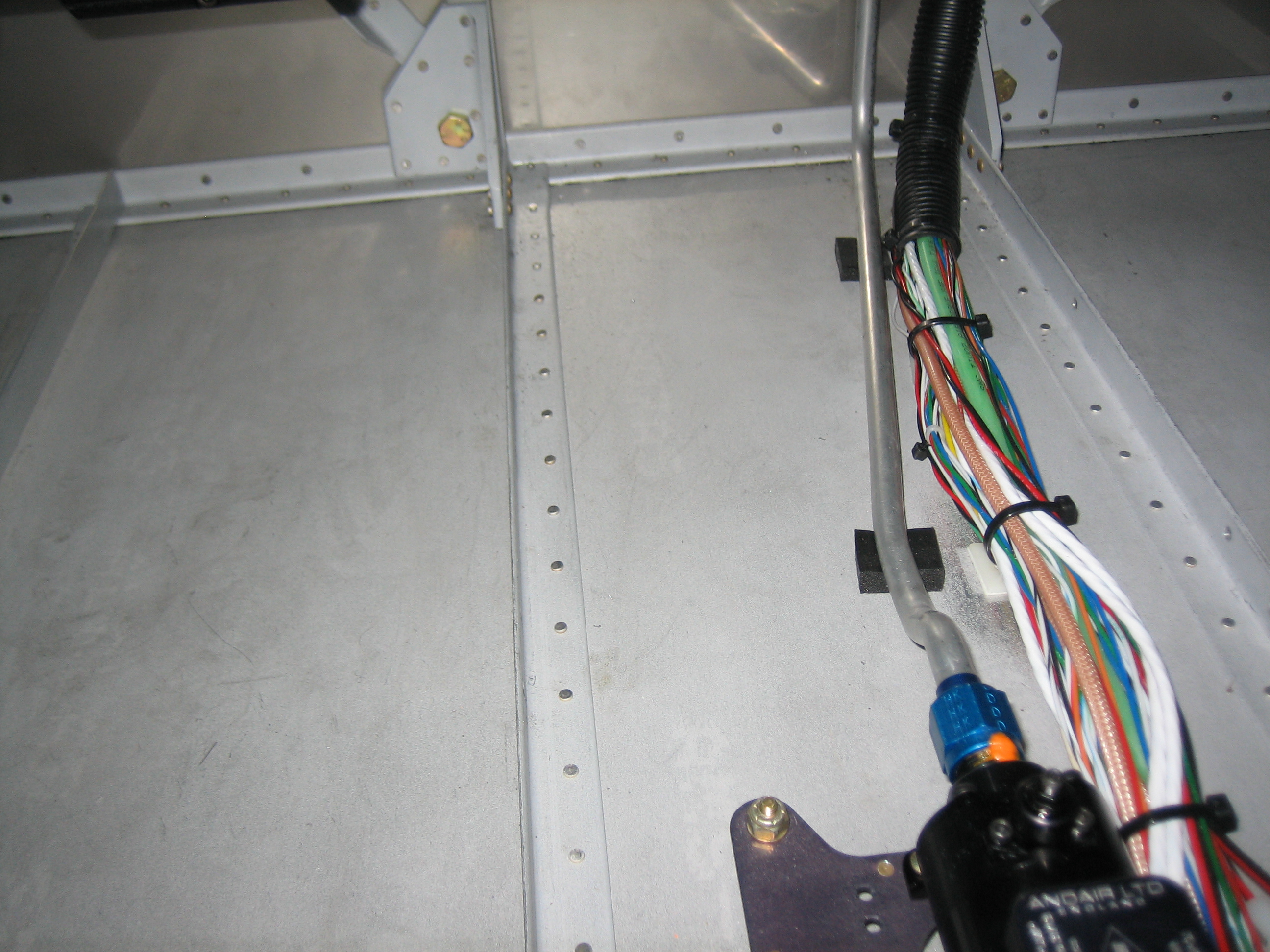
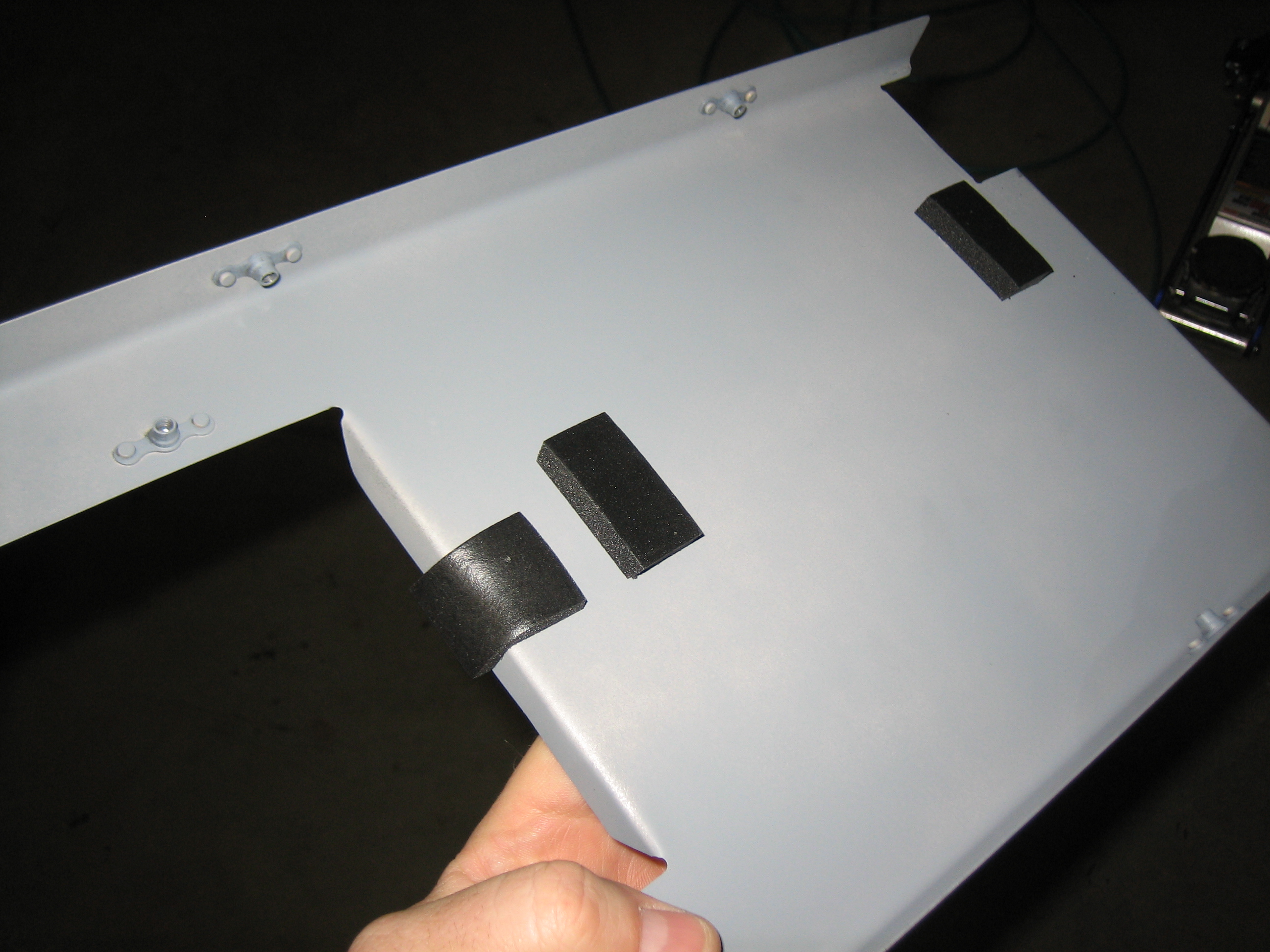
The plans specify that the fuel lines are wrapped in foam where they pass under the forward center cover.  I used some adhesive weatherstripping under a couple of spots between the fuel line and the floor.

I also put some foam on the underside of the cover in the same spots to sandwich the fuel line when the cover is installed.  I also put a small piece where the aft angle is relieved just in case vibration would allow it to contact the fuel line.

Calibrated Fuel Tank Senders

I calibrated the fuel tank senders today.  I’m using the Princeton two-point capacitive senders which are pretty straightforward to calibrate.  Here are the basic steps:

  1. Empty the tank (I had already done this when determining unusable fuel for the W&B).
  2. Power on the sender.
  3. Hit the set button to set the empty point.
  4. Fill the tank.
  5. Hit the set button again to set the full point.

The sender then puts out the full 0-5V range from empty to full.  This is much better than the Dynon capacitive senders which can’t be calibrated and generally put out a small fraction of that voltage range across the whole tank capacity.  The Princeton senders solve the dynamic range problem, but the voltage still doesn’t necessarily follow the fuel volume in a linear way.  The SkyView system solves that by including a separate calibration mechanism where you add fuel 2 gallons at a time.  Each time fuel is added, a button is hit on the SkyView to correlate that particular voltage reading from the sender with that fuel volume.  Unfortunately, this means that I need to start over with an empty tank to do the SkyView calibration.  Since I don’t have any interest in draining that much fuel out of the tanks, I’ll have to wait until I’m flying and can burn down the fuel.

I did this for the left tank by pouring fuel from gas cans into the tank, but it was very time consuming and I ended up spilling some gas.  Since I hadn’t run the engine in a month, I taxied the plane down to the pump to calibrate the right tank.  I used that as an opportunity to break in the brakes a bit more too.

Using the capacitive probes with the Princeton senders should result in a nearly perfectly linear fuel gauge reading across the entire tank capacity.  This is quite a bit better than the resistive senders which read empty when there is still a fair amount of fuel in the tanks and reads full well below the full capacity of the tank…
Repaired Cowl Damage From Spinner Screws

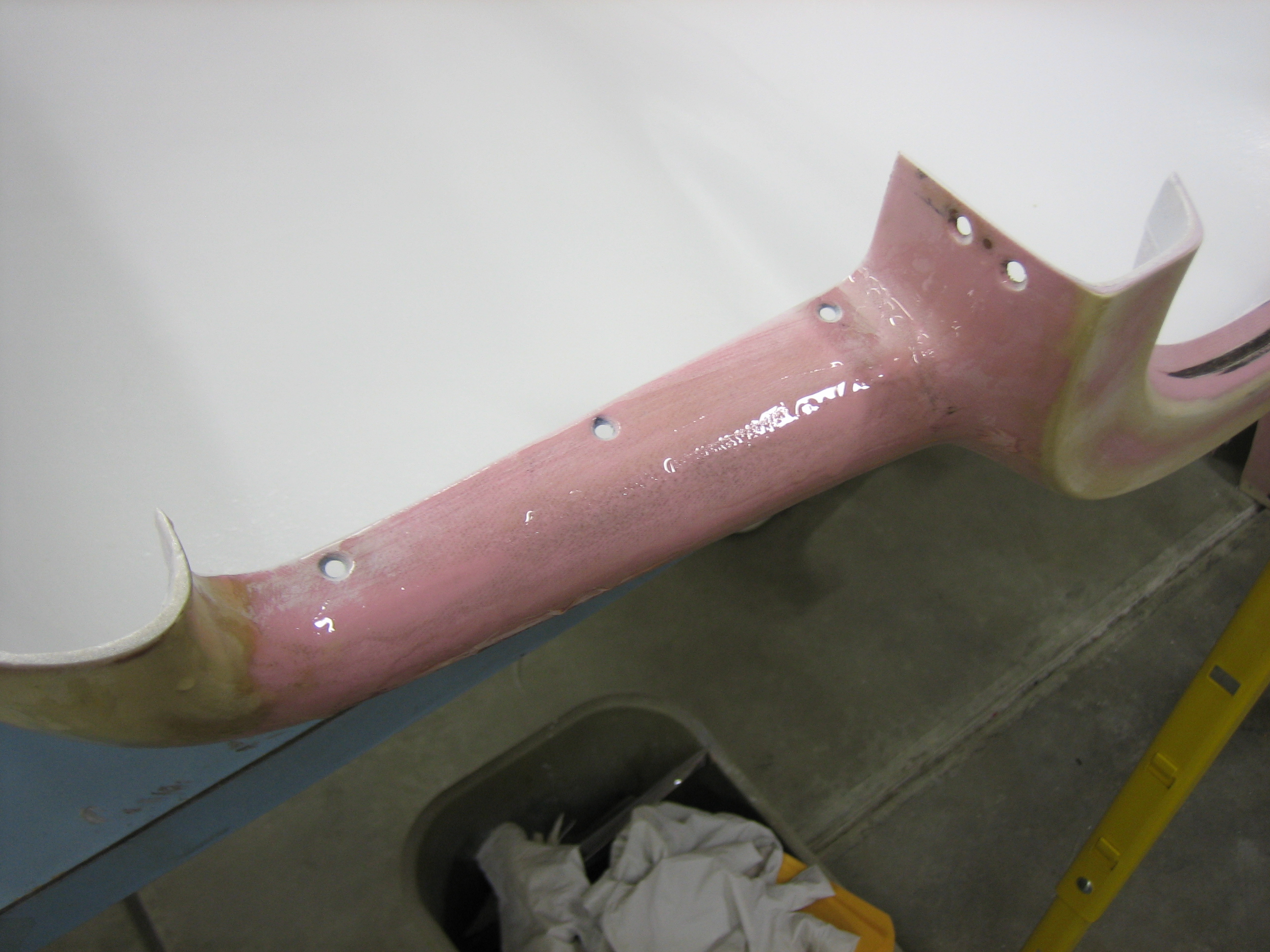
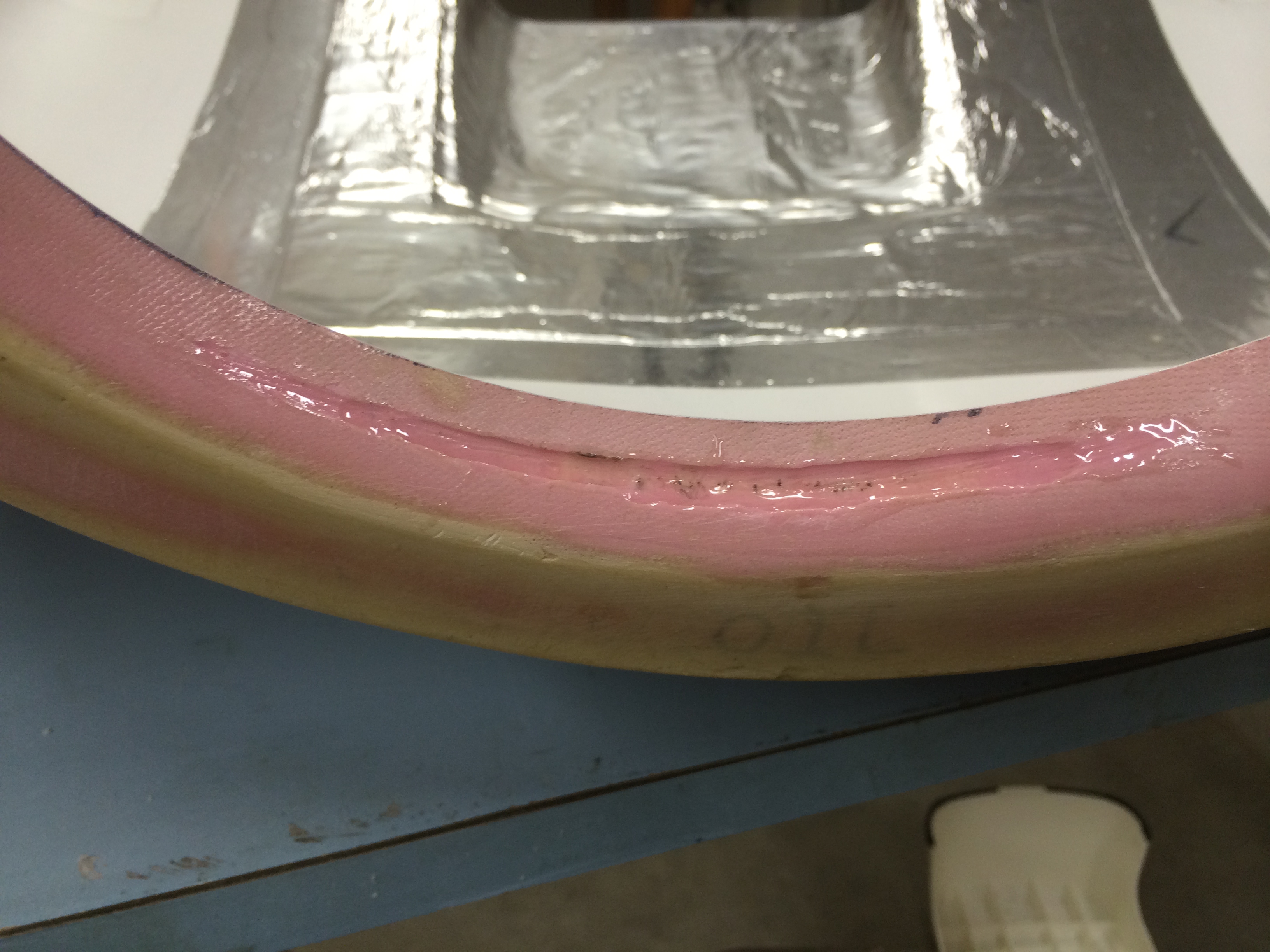
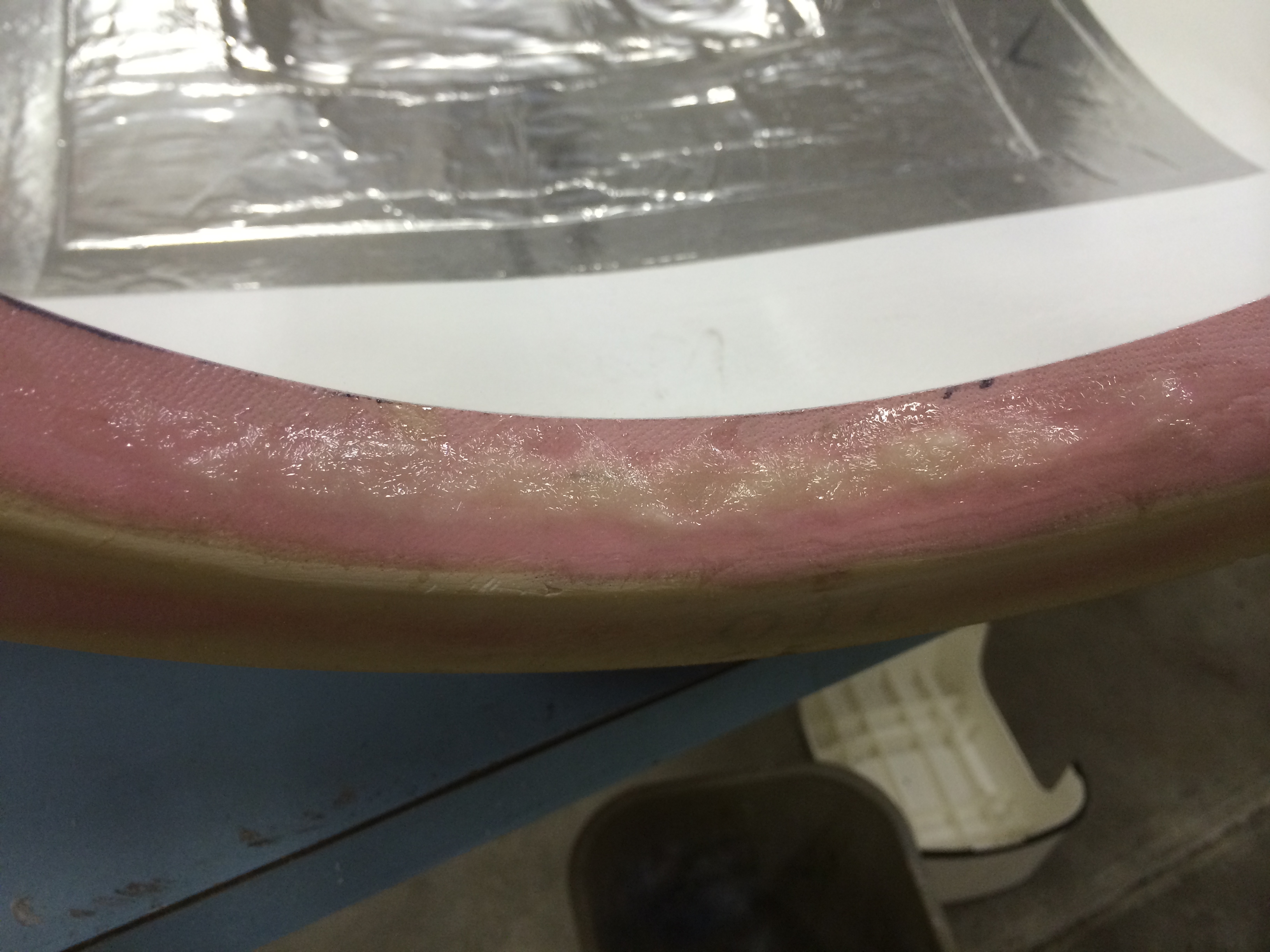
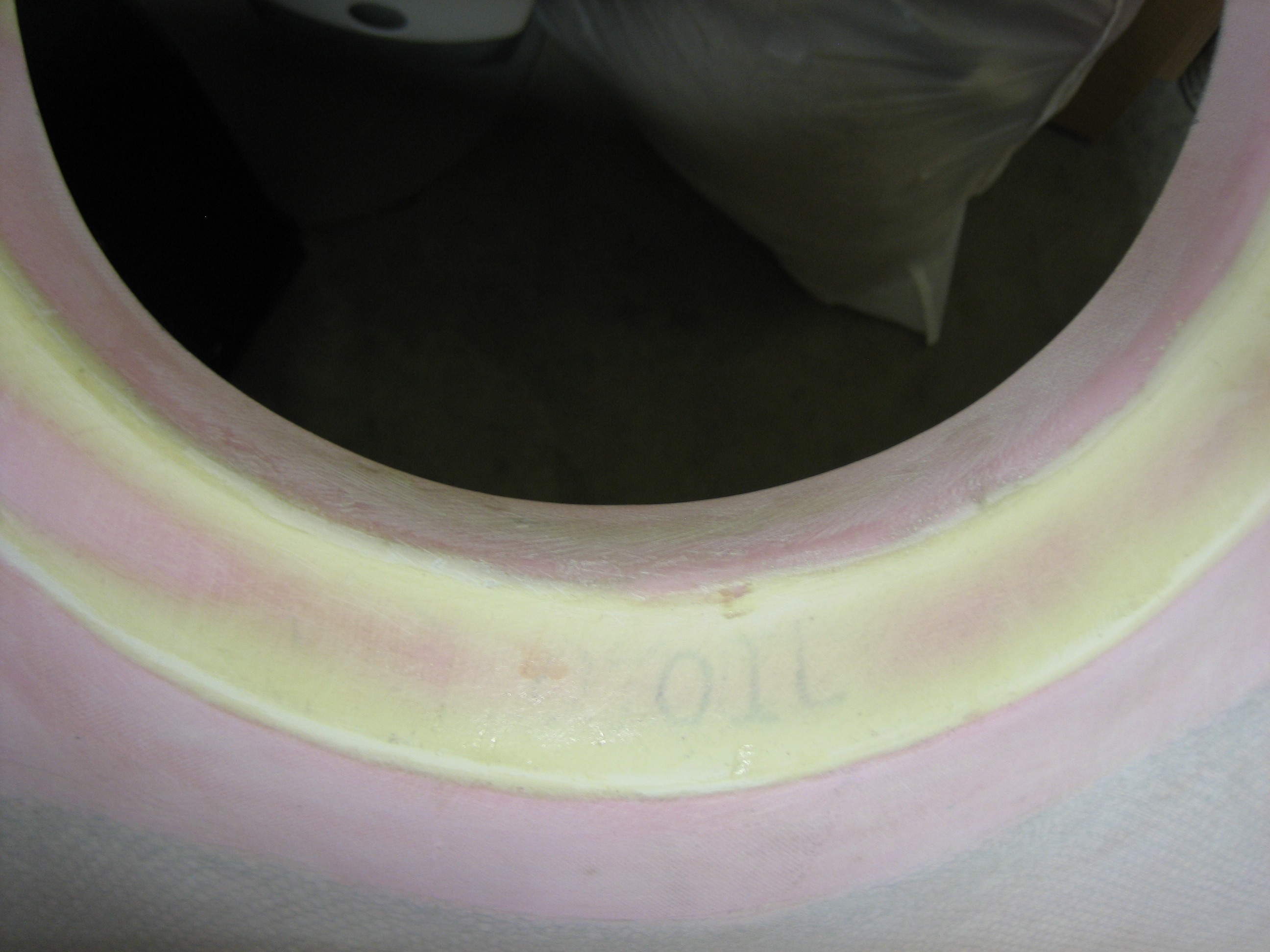
When I did the first taxi test, I had incorrectly installed the screws that tie the conical section of the spinner backplate halves together.  I forgot that there was a note in the installation manual that the screw heads needed to be on the aft side to provide clearance between the spinner and cowl. I installed the nut on the aft side, and the ends of the screws cut into the cowl flange a bit.  I ground all of the damaged material out of the cowl and then applied a thin layer of raw epoxy to coat the inside of the cut.  In addition to reversing the screws, I switched from AN515 to AN525 screws to further reduce the height of the head.

My flox is down at the hangar, so I cut up a small piece of fiberglass cloth into tiny pieces and mixed it into some epoxy.  I filled the gap with this and left it a little proud of the surface.  I’ll grind this flat once the epoxy cures.

While the epoxy was curing, I sanded both cowl air inlet on the top and bottom.  The cowl is very close to getting the first coat of primer.

Alternator Pulley Alignment and Wing Root Fairing Seals

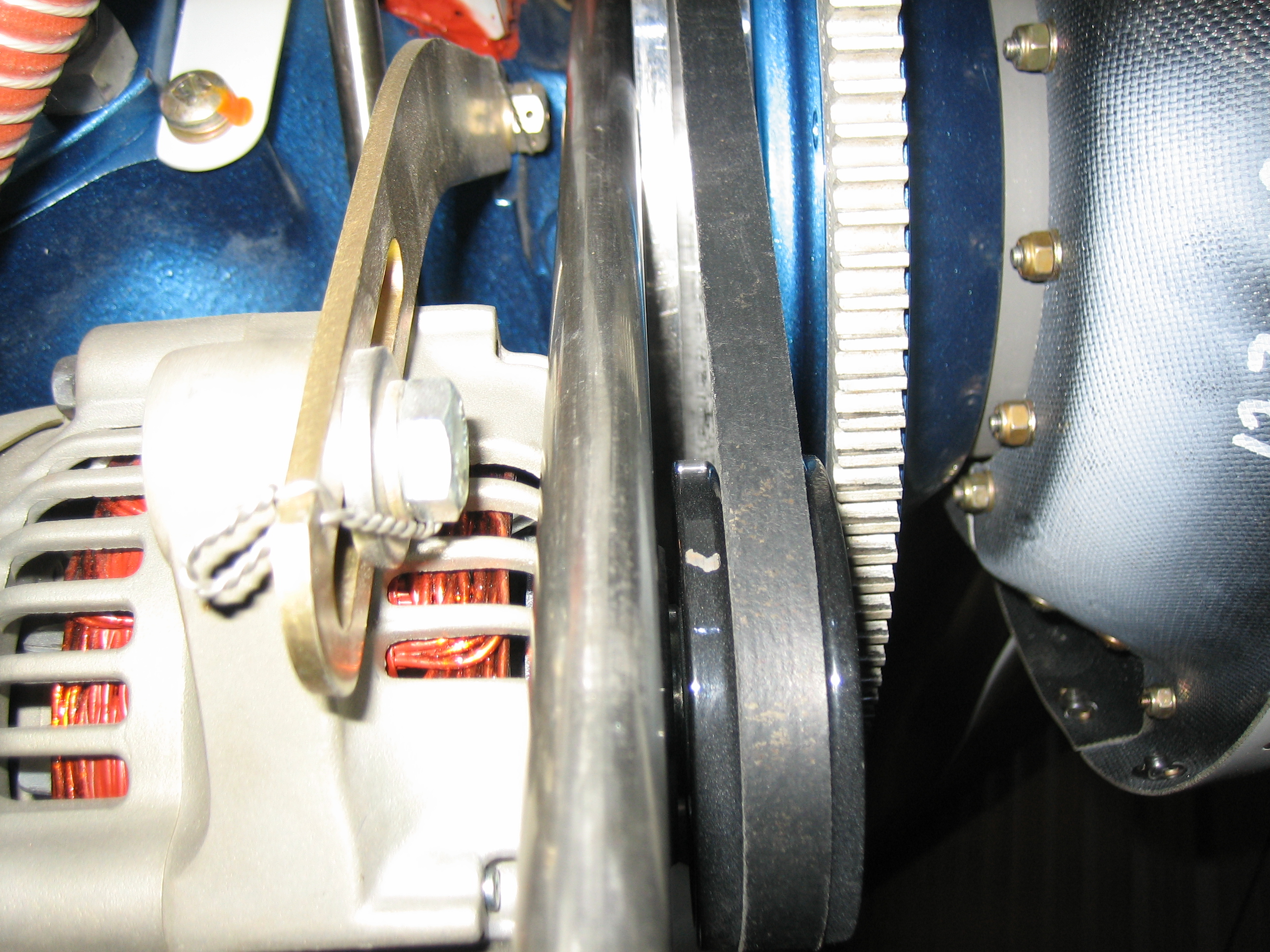
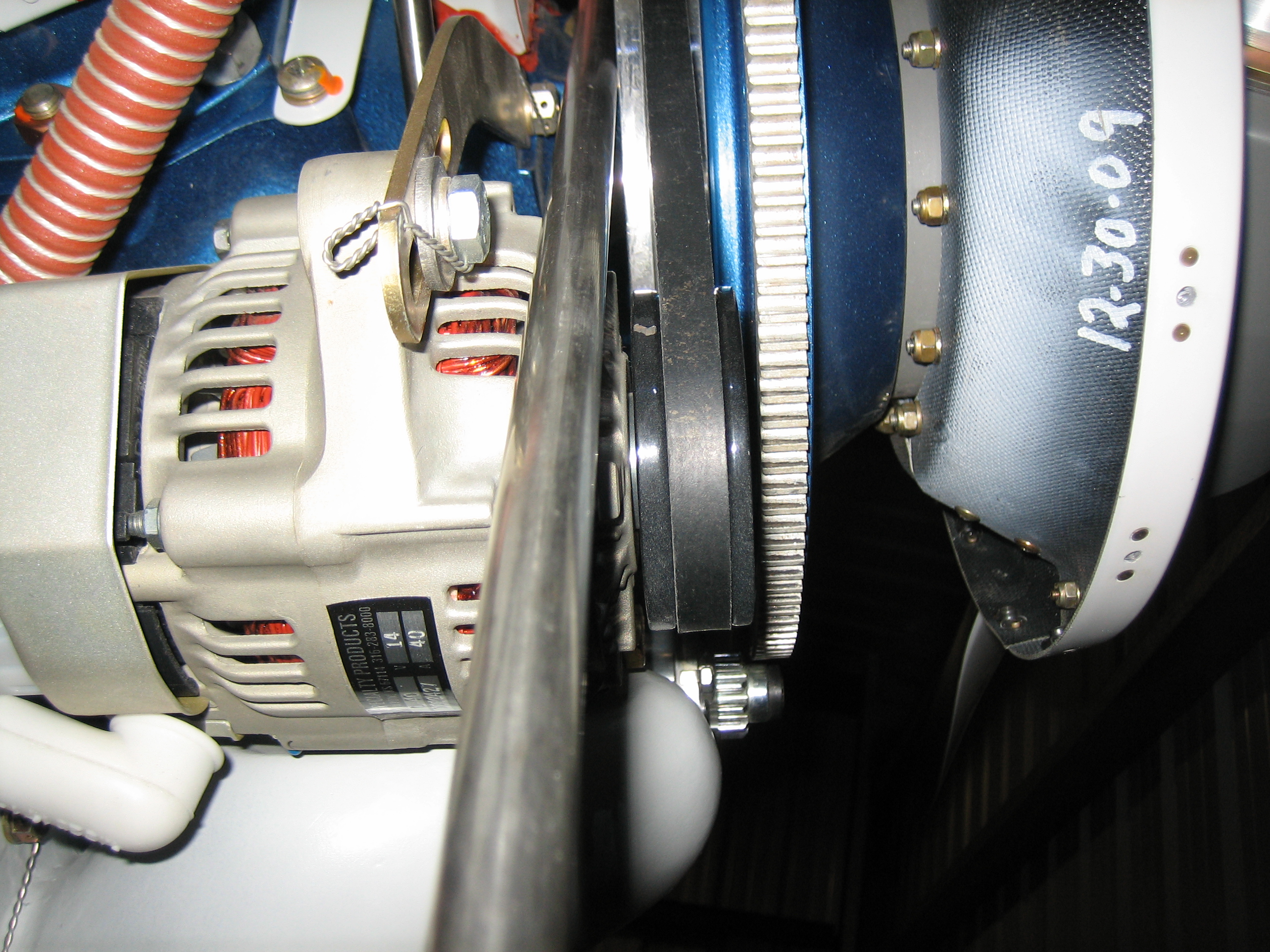
I spoke with AeroSport Power today about the alternator pulley misalignment.  Since I’ve never adjusted the alternator since receiving the engine from them, it must have been misaligned from the beginning.  They wanted me to check and make sure the flywheel tracked true, so I used a piece of stainless tubing against the back of the flywheel while rotating the prop.  I also aligned the tubing to the tip of the prop and checked the blade-to-blade tracking.  In both cases, everything looks perfect.

I tried taking pictures from a couple of angles to capture the misalignment, but the perspective of the camera makes it really hard to see.

In the end, I determined that the pulley is 3/32″ forward of the flywheel.  After speaking with AeroSport again, they determined I’m going to have to shift the alternator back by adjusting the spacers in front of and behind the pivot shaft on the alternator.

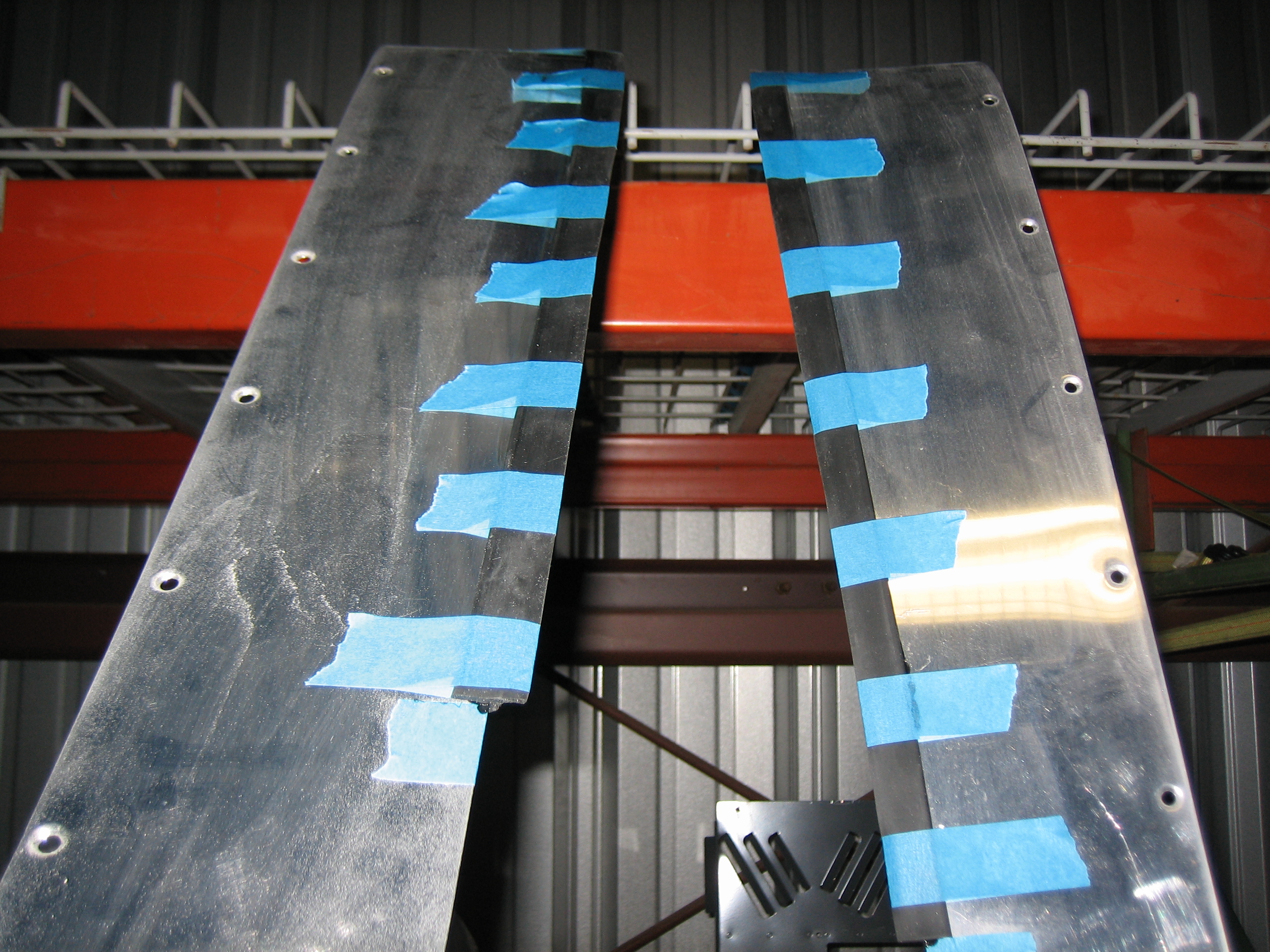
Afterward, I decided to glue on the wing root fairing seals.  I used 3M Super Weatherstrip Adhesive to glue these on.

More Work on Cowling

I ground down the fiberglass filler I applied a couple of days ago.  After a coat of primer, you won’t even be able to tell it was damaged.

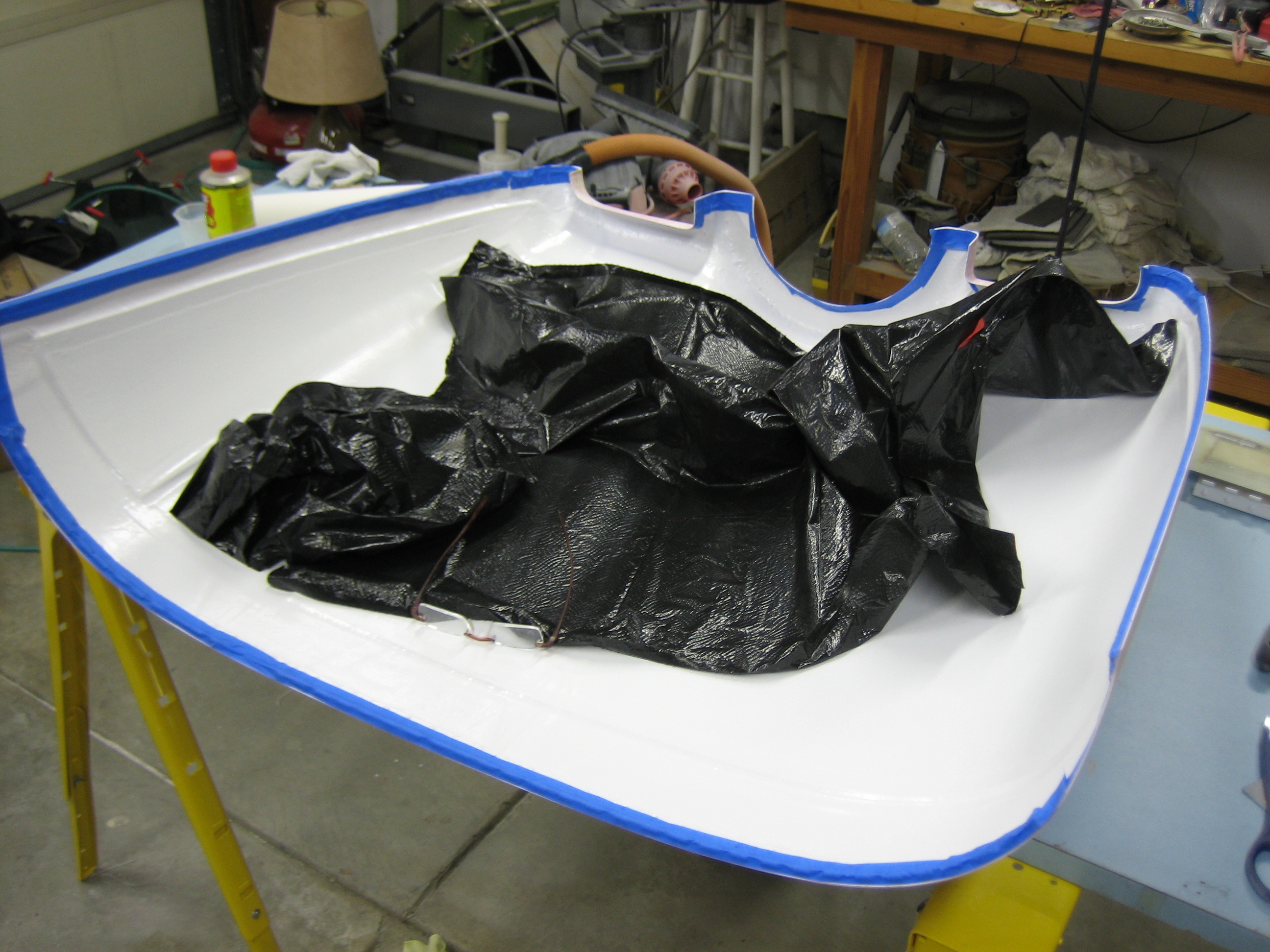
I started prepping the cowling for paint by masking off the inside so I don’t get overspray on the white paint, but I ran out of tape.  I’ll pick up some more tape tomorrow so I can wrap this up.