Installed Anti Splat Aero Oil Separator

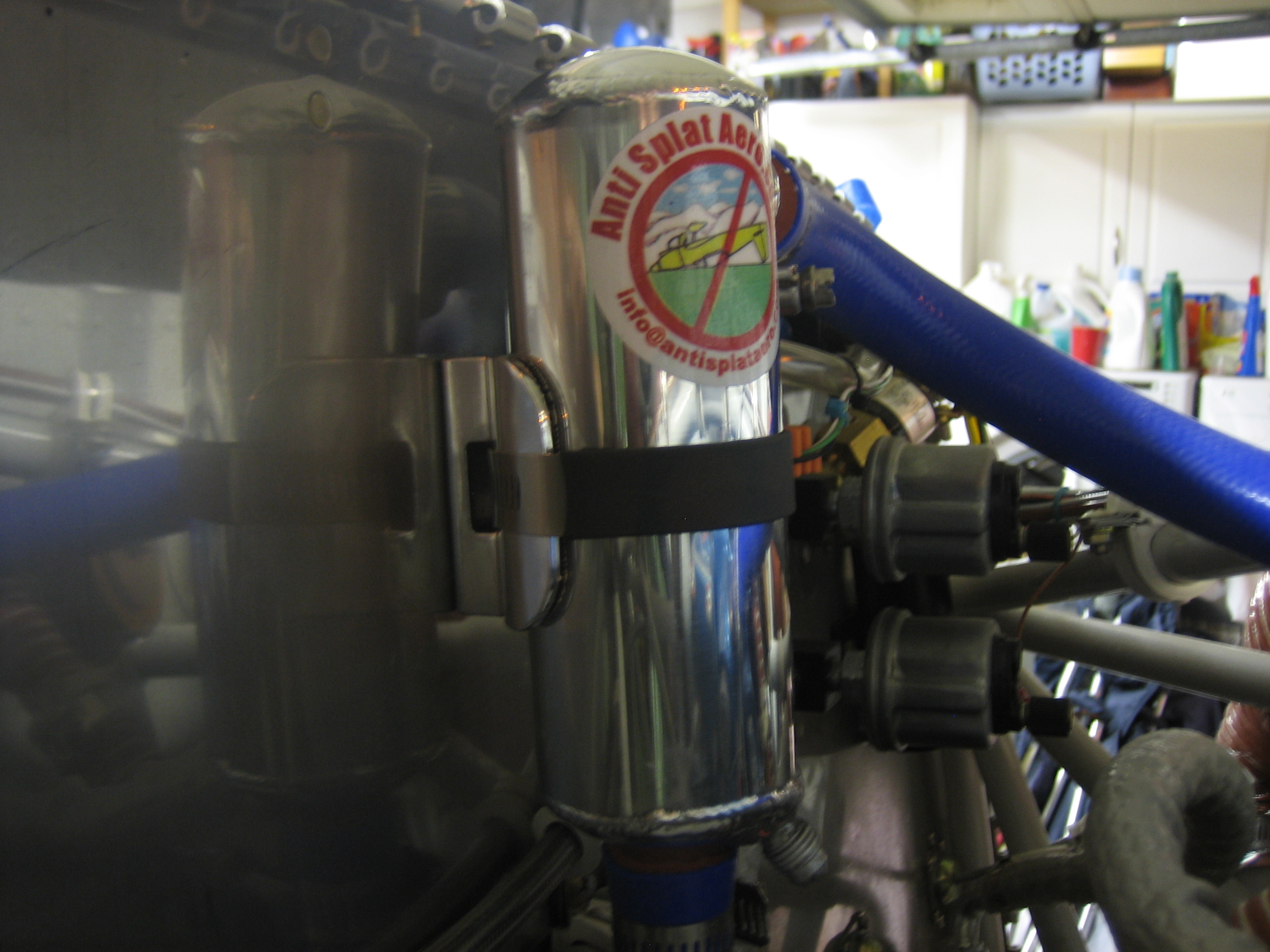
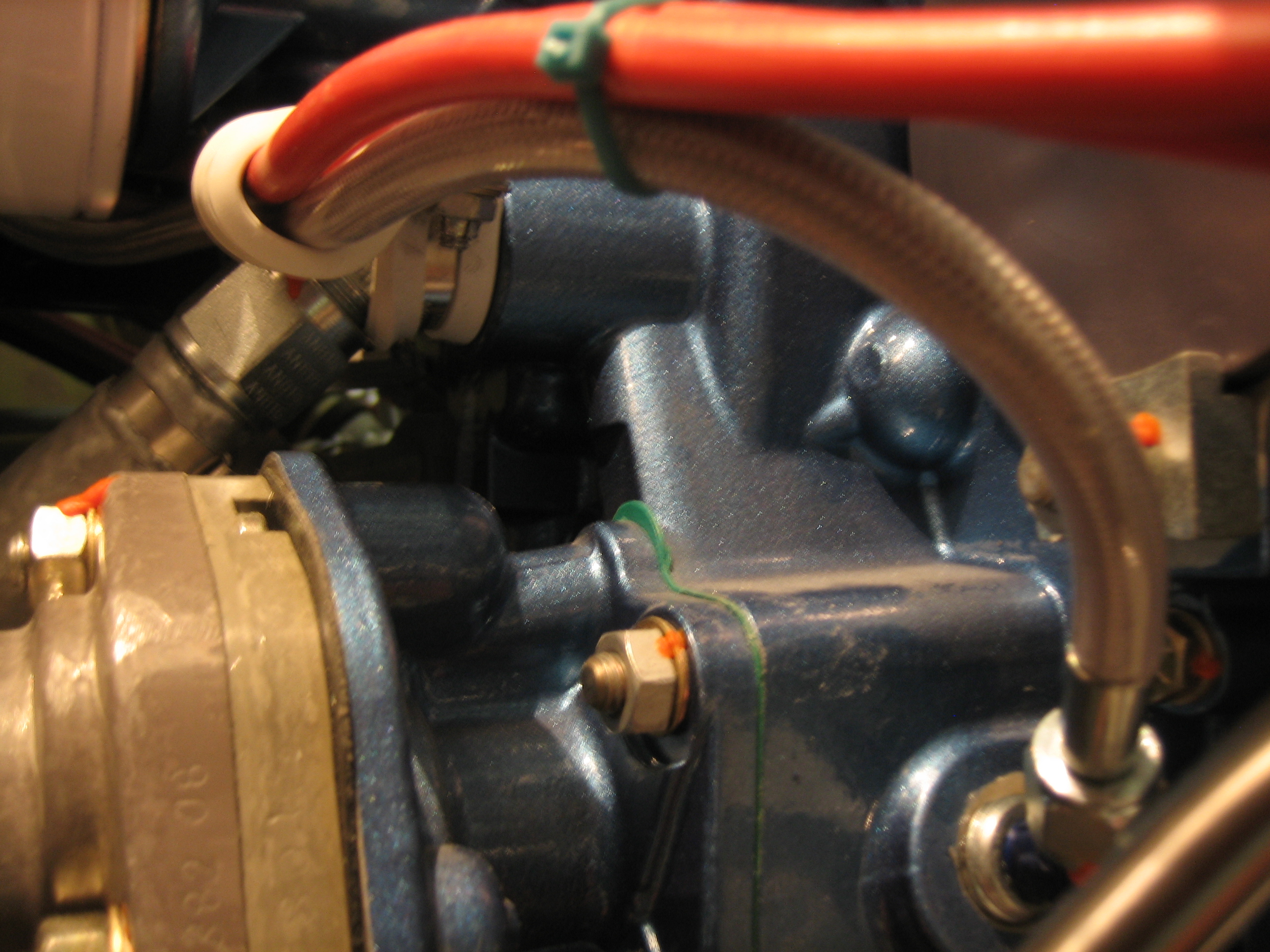
I decided to install an oil separator to keep oil off the belly, and the unit from Anti Splat Aero seems to be the best unit on the market.  I ordered their install kit which comes with everything needed except a couple of bolts.  I first removed the plug in the side of the engine just in front of the propeller governor pad.  I installed a reducer then an AN823 elbow.  The kit comes with an AN822 elbow, but there isn’t enough clearance from the engine mount to install that.
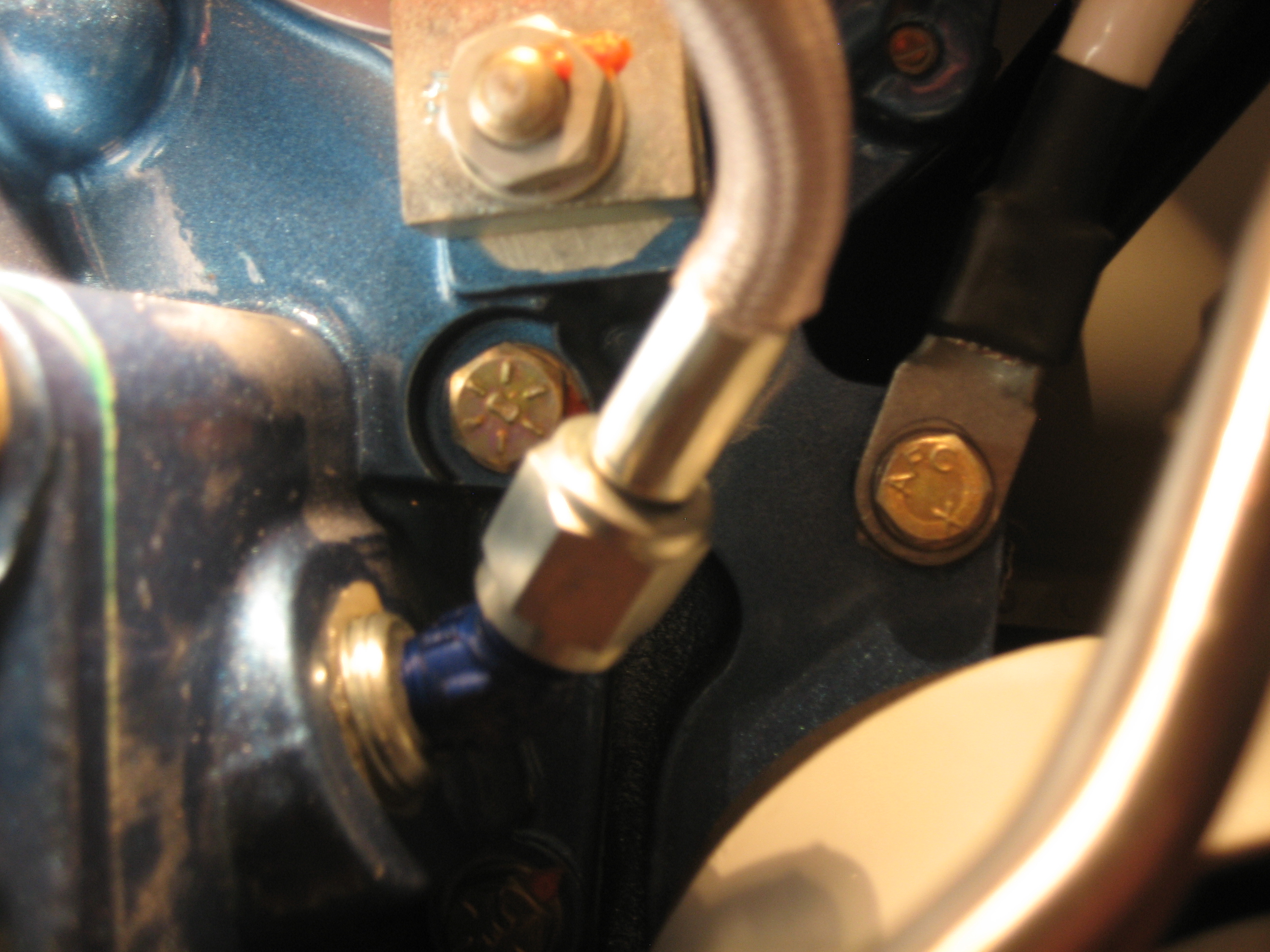
I ordered the polished aluminum oil separator, but the aluminum mounting bracket looks pretty rough next to it.
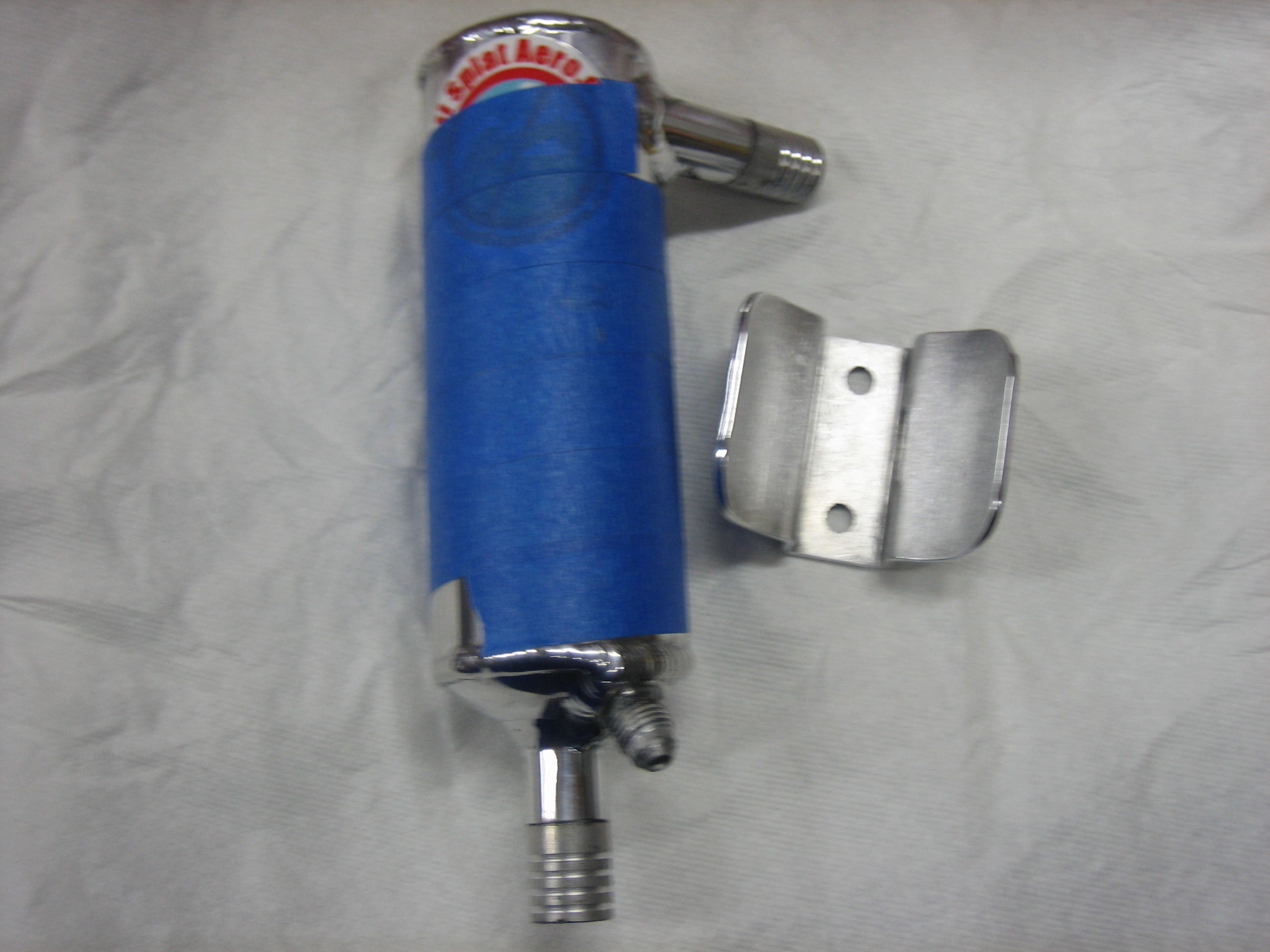
I purchased an aluminum polishing kit from Harbor Freight a while back, so I broke that out and polished up the visible parts of the bracket.  The picture is pretty crappy, but this looks really nice.
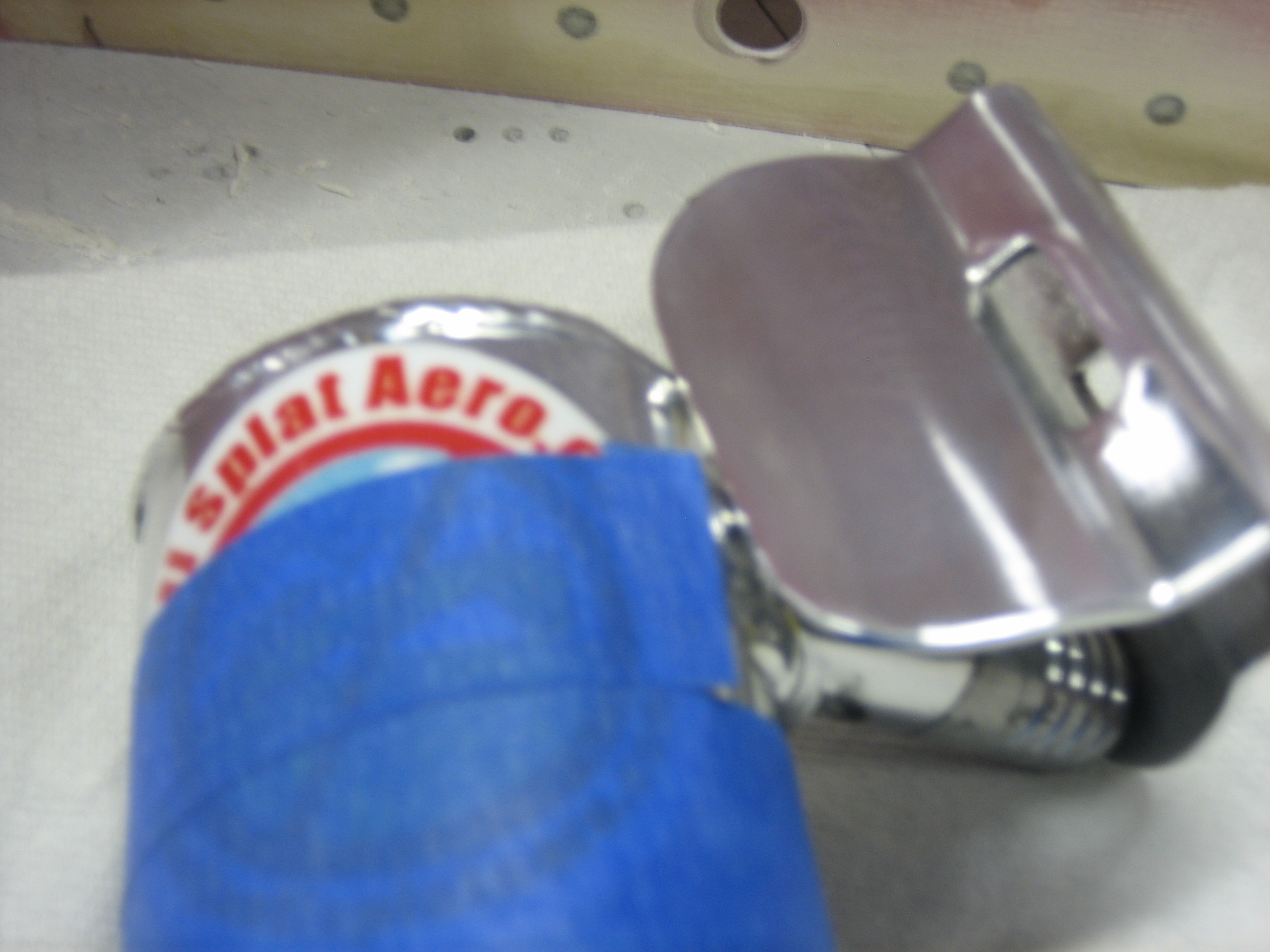
I drilled the bracket to the firewall and Jenn helped me bolt it in place.  I then fit a short section of the included silicone hose from the breather fitting up to the intake on the oil separator.
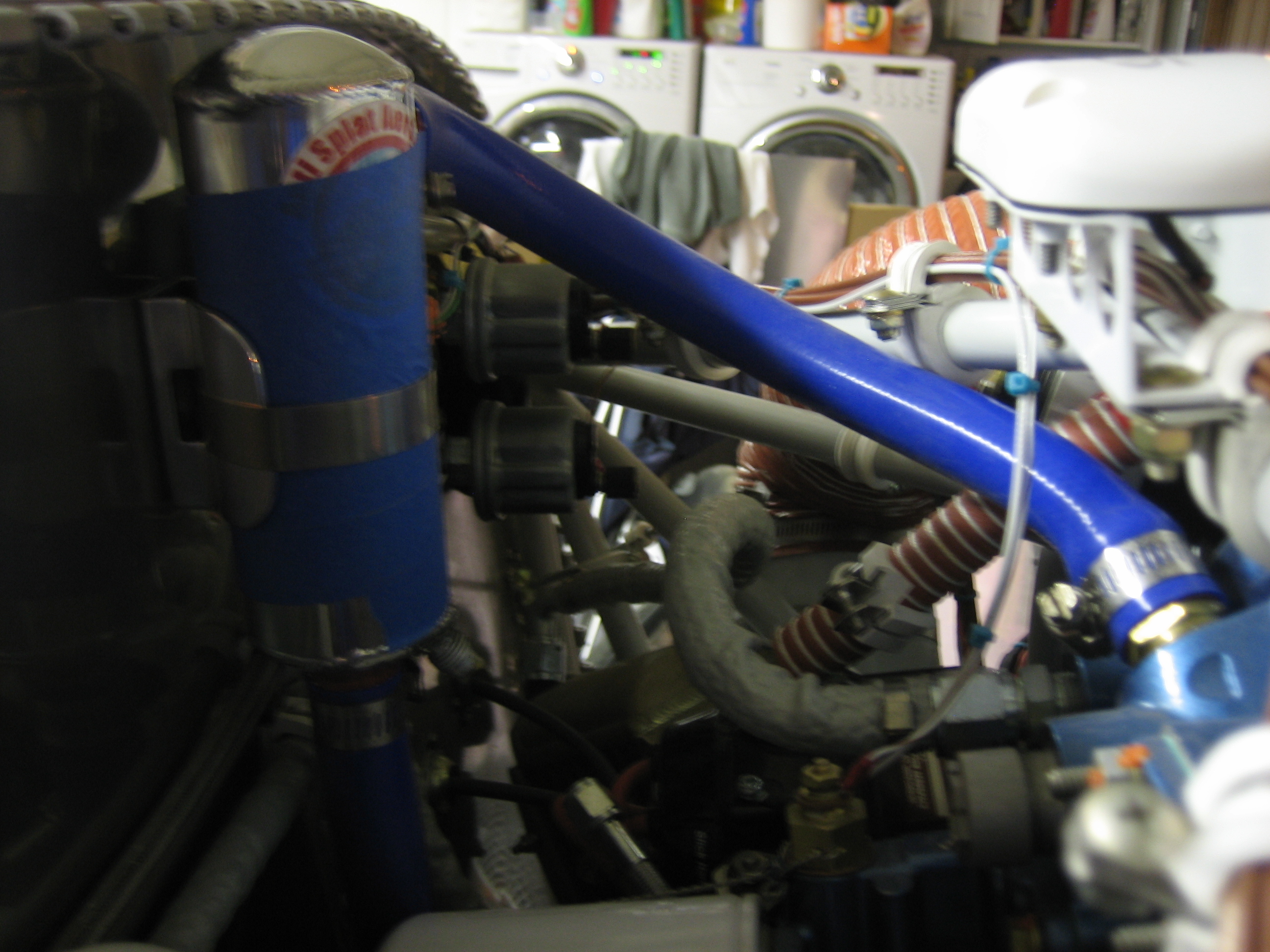
I mounted the separator as high and as far to the right as I could so that it clears the oil filter and it won’t interfere with installing and removing the top hinge pin.  Unfortunately, that plus the wrong elbow means the included oil return line is too short.  I’ll call them tomorrow and see if they can send me a longer hose.
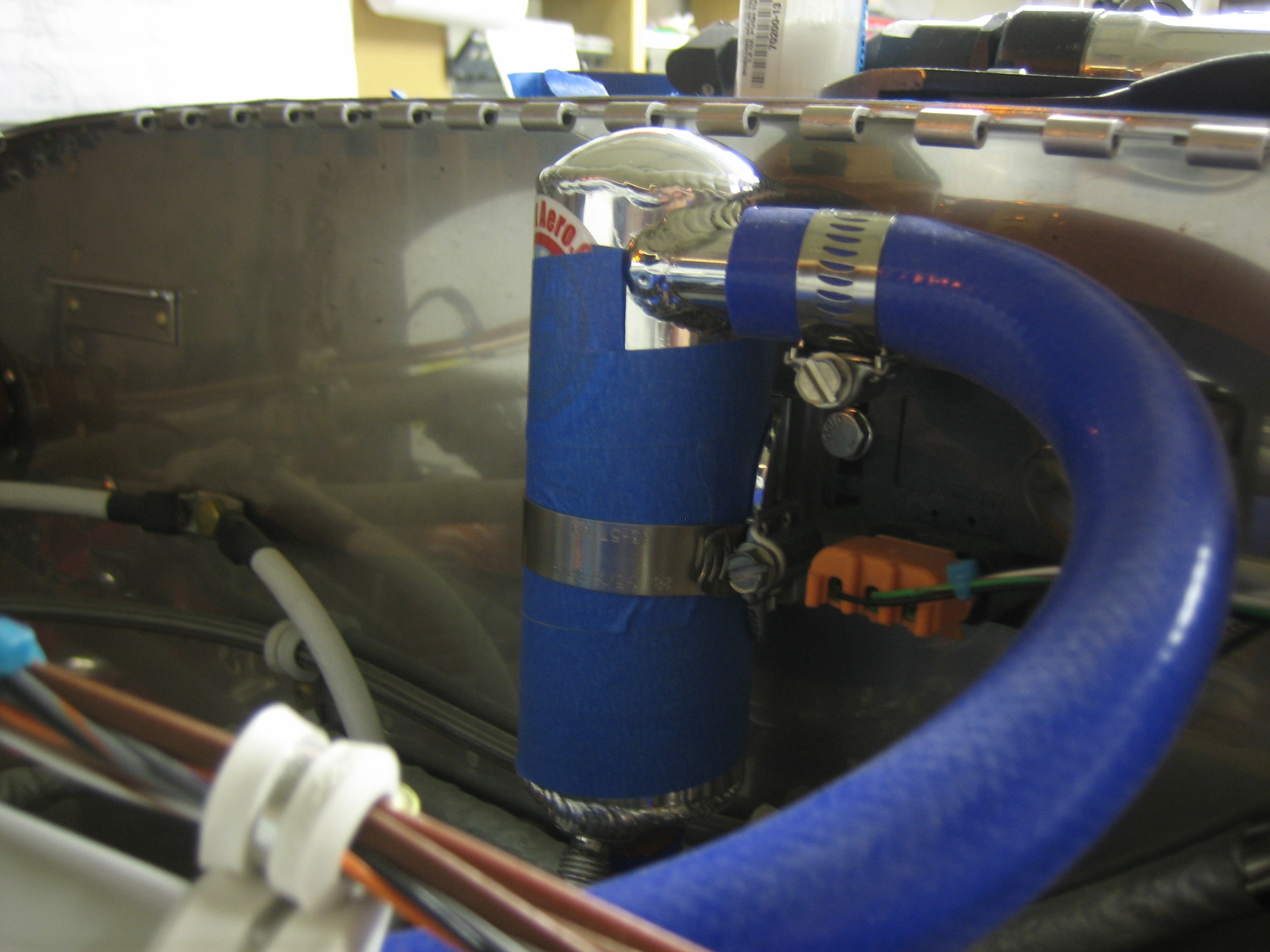
I pulled off the #2 exhaust pipe and drilled a 3/4″ hole in the top.
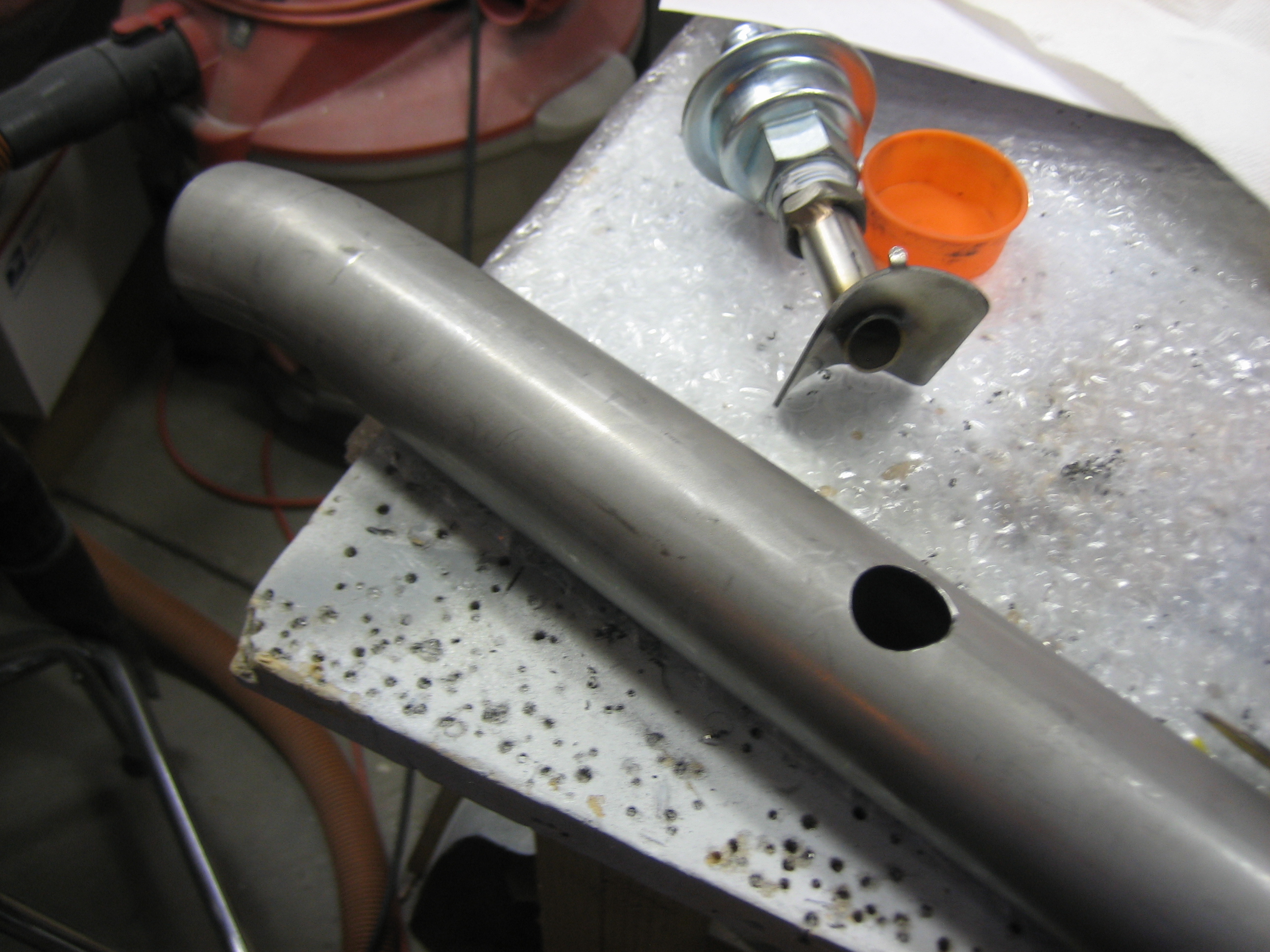
The vacuum valve mounts on the exhaust pipe like this.  The slight angle pressurizes the line so that only higher pressure from the crankcase will push gases into the exhaust pipe.  This has a reed valve inside that only allows flow from the crankcase into the exhaust pipe and not the other way.

Update: This is backward; the opening should face towards the tail end of the exhaust pipe.  This was fixed long before first flight.  As always, please read the directions and don’t assume I know what the hell I’m doing :-), yada yada yada…
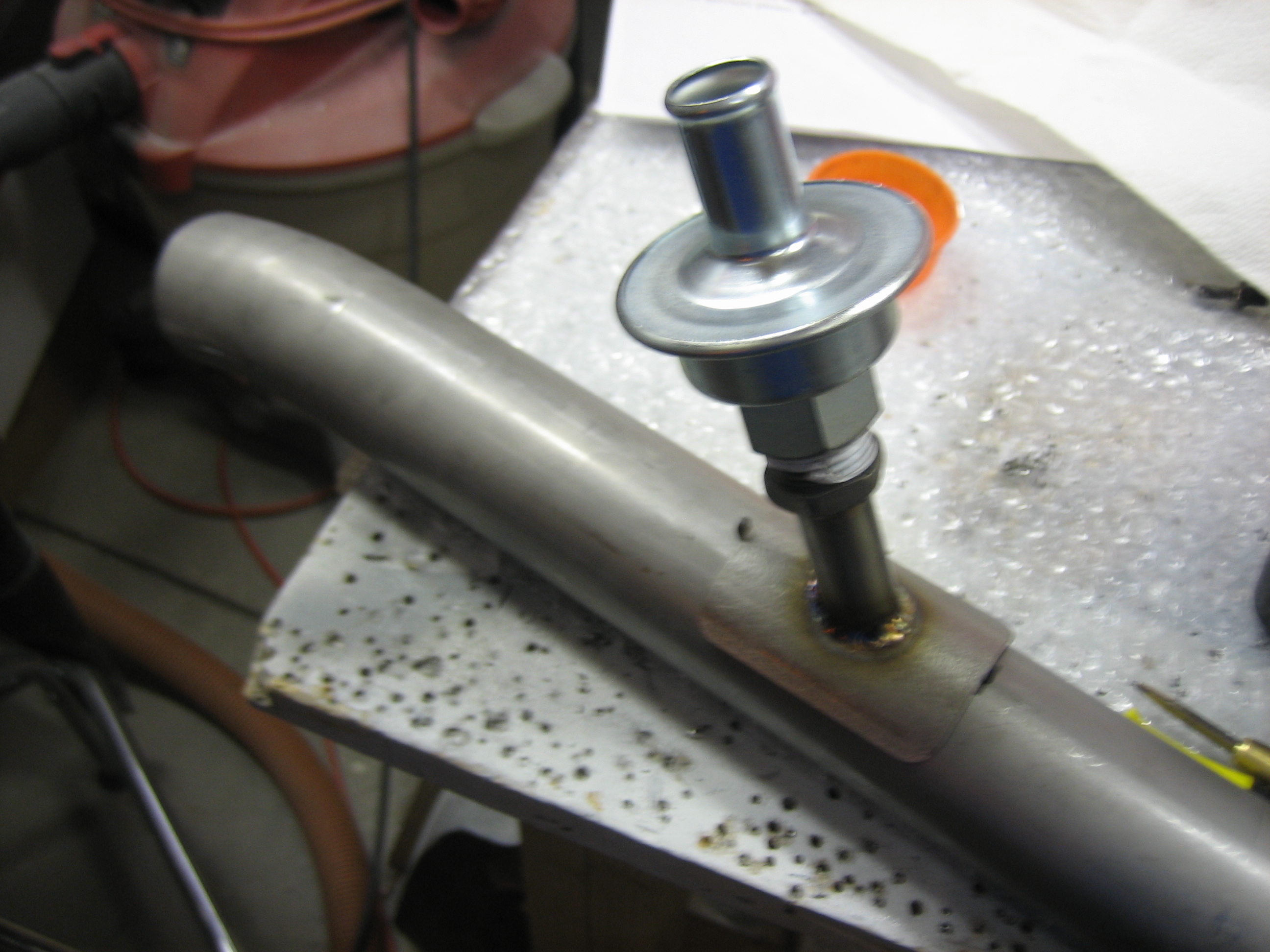
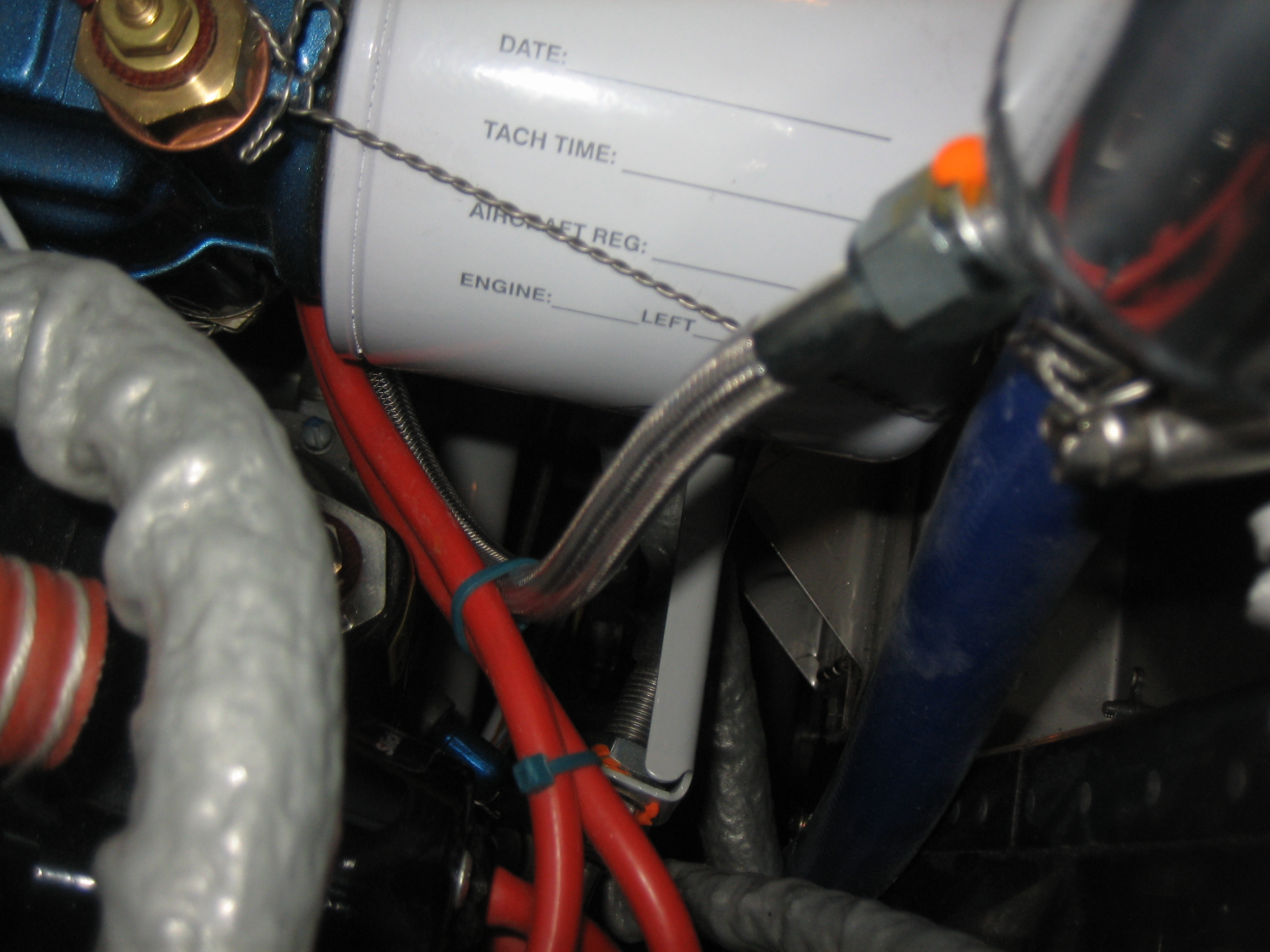
The output of the oil separator goes straight down the firewall.  You can see that it just clears the oil filter.
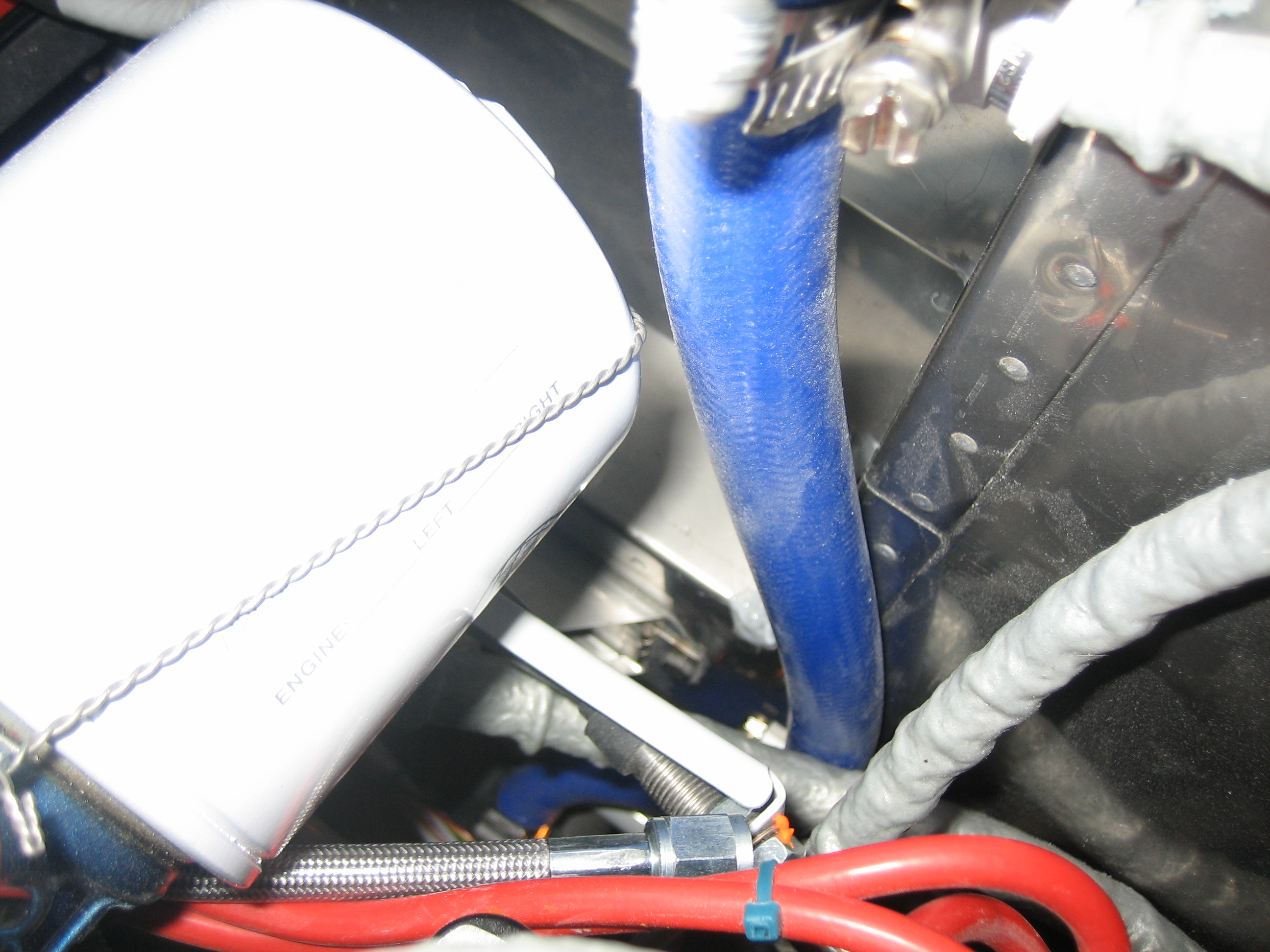
The drain line goes through a clamp on the firewall and then into the vacuum valve.
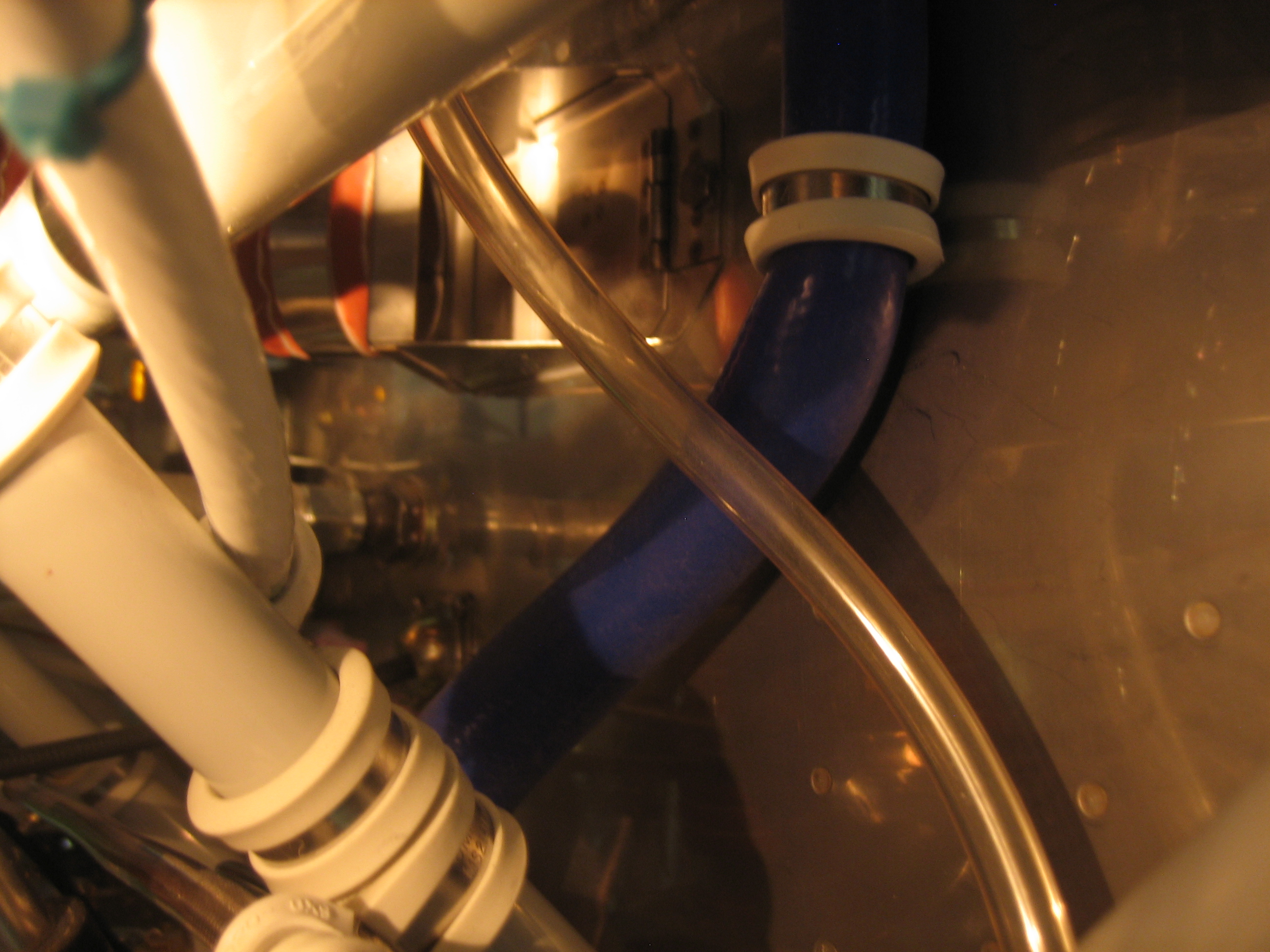
This location for the vacuum valve easily clears the engine mount, exhaust support straps, brake line and starter cable.
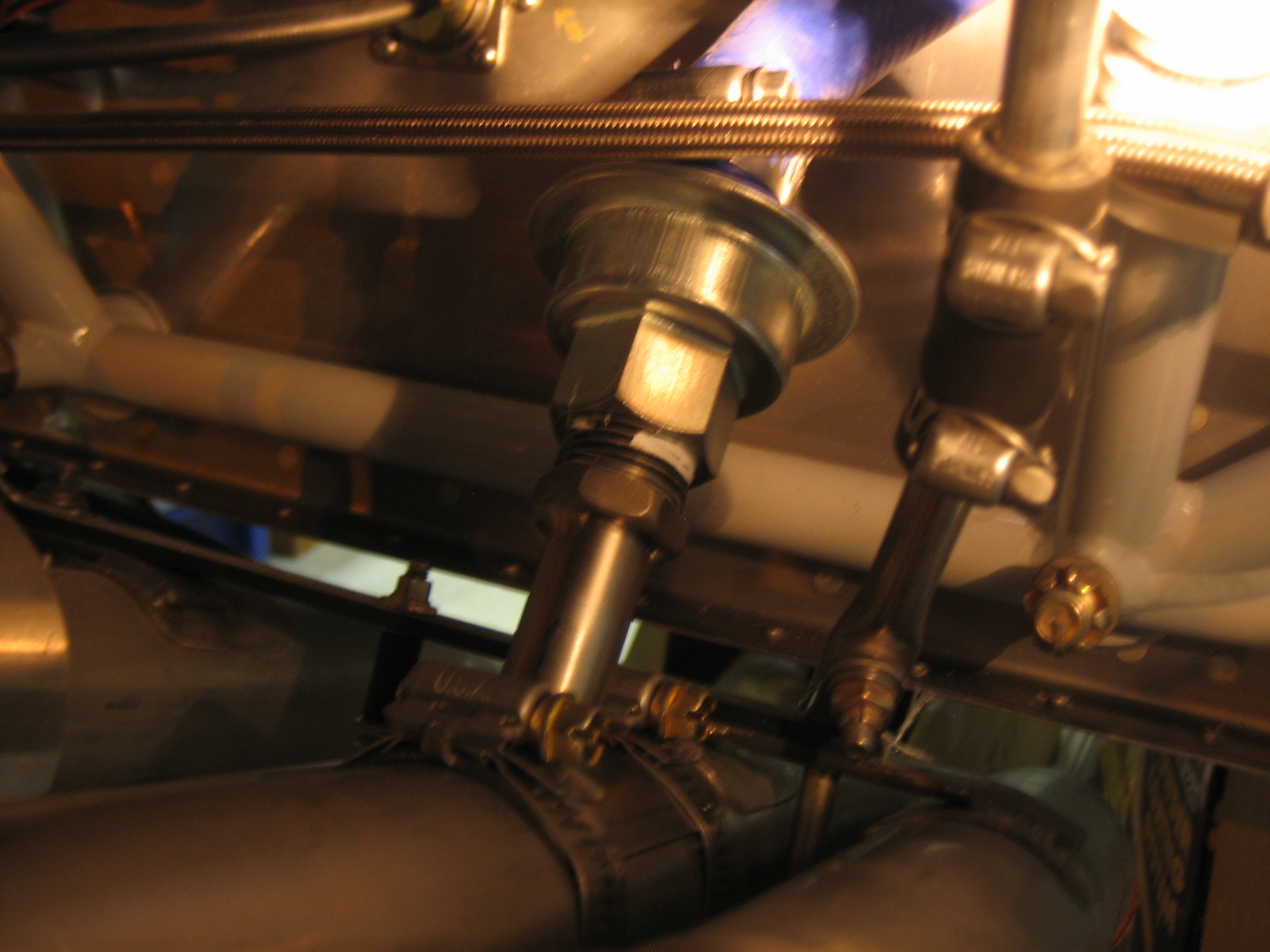
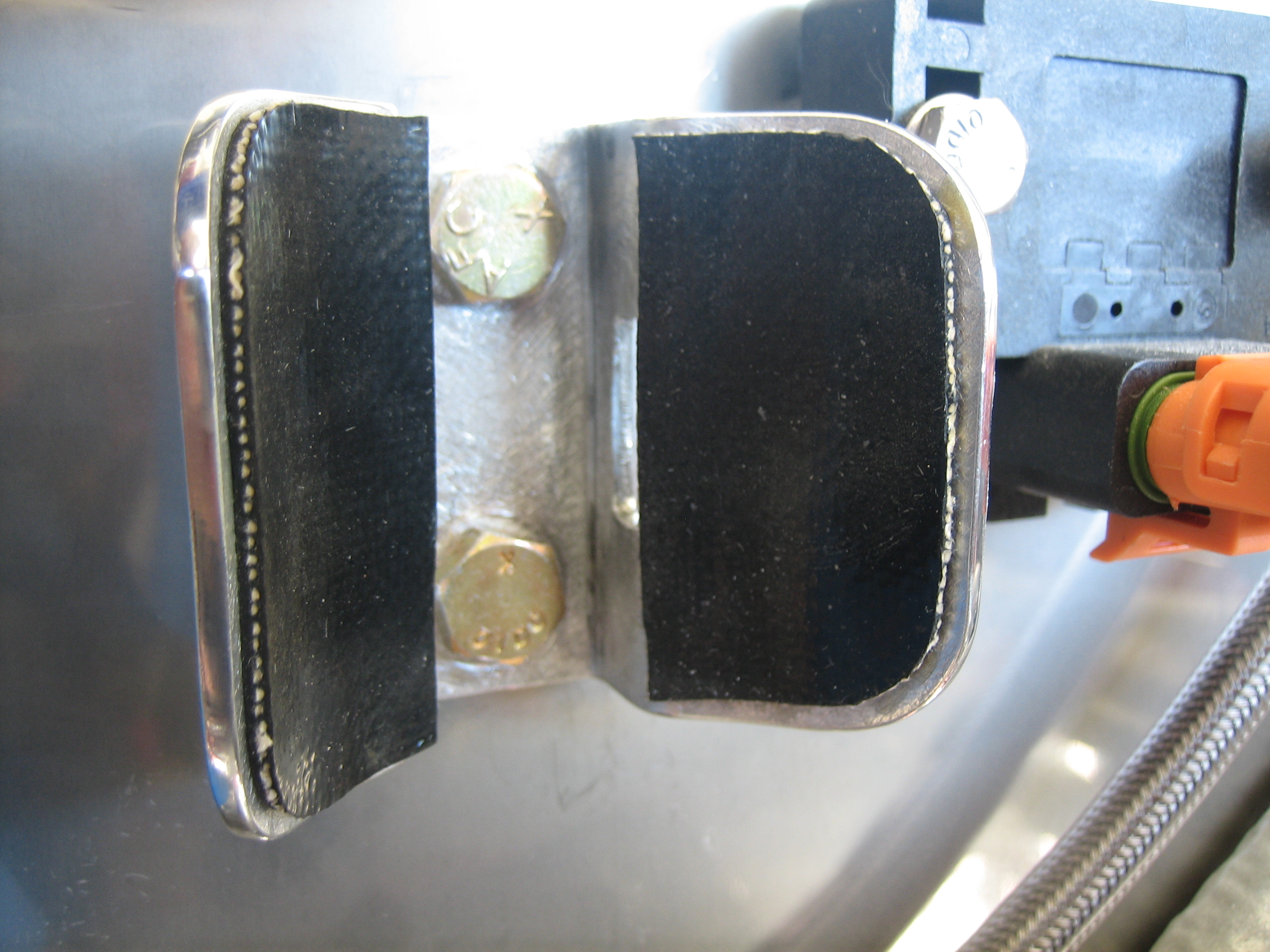
Finished Oil Separator Mount

I’ve felt like crap most of the weekend, but I wanted to wrap up the oil separator mount.  I used some contact cement to glue some pieces of baffle material on the mount.

I then used a piece of heat shrink tubing to cover the band on the clamp to keep it from scratching the soft aluminum on the separator.  After this, I used some safety wire on all of the worm clamps.  I should have the longer oil return line from Anti Splat Aero this week and then this will be wrapped up.

Installed Oil Return Line from Oil Separator

Anti Splat Aero sent me a longer oil return line that worked out perfectly.  I replaced the adel clamp that was holding the two ignition lines with a larger one that could also hold the oil return line.  I shaped it slightly to better hold the lines.  The oil return line goes under the oil filter mount…

…and comes out near the mag and then goes up to the oil separator.

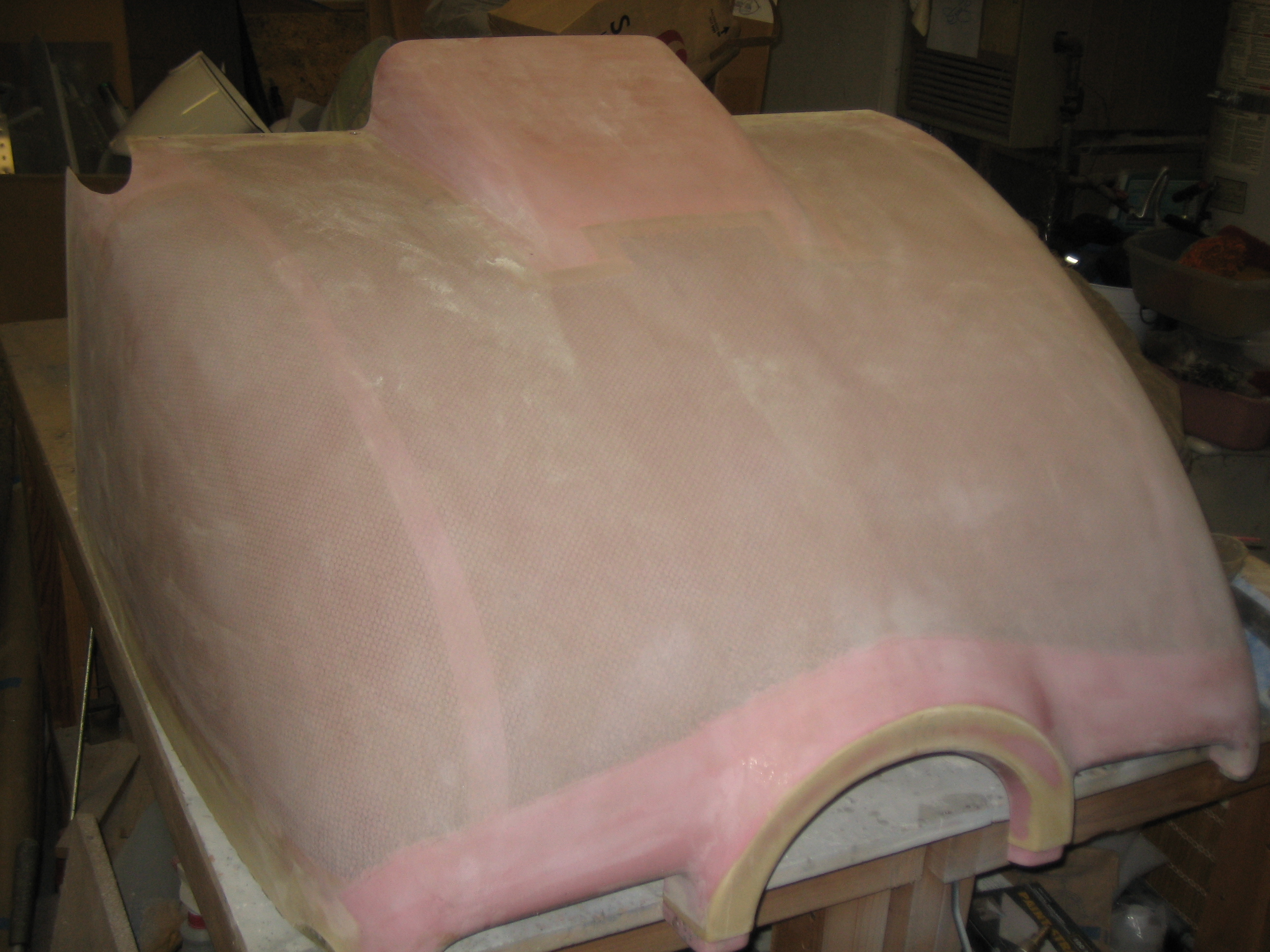
I also finished sanding the bulk of the lower cowl.

Inspected Firewall Forward Area

I buttoned back up the magneto blast tube that I had previous clamped to the old breather tube. Since that was removed when I installed the oil separator, I had to find a new place to clamp it.  The return line from the oil cooler was right next to the old breather tube, so I clamped it there which worked out great.

After that, I spent a solid hour inspecting the entire firewall forward area to make sure it’s done.  Other than the cowl finish work, I think the firewall forward is complete.  I’ll have a builder inspection party before the DAR takes a look at it, but I don’t think I have anything to do in this area before then.

Insulated Lower Cowl

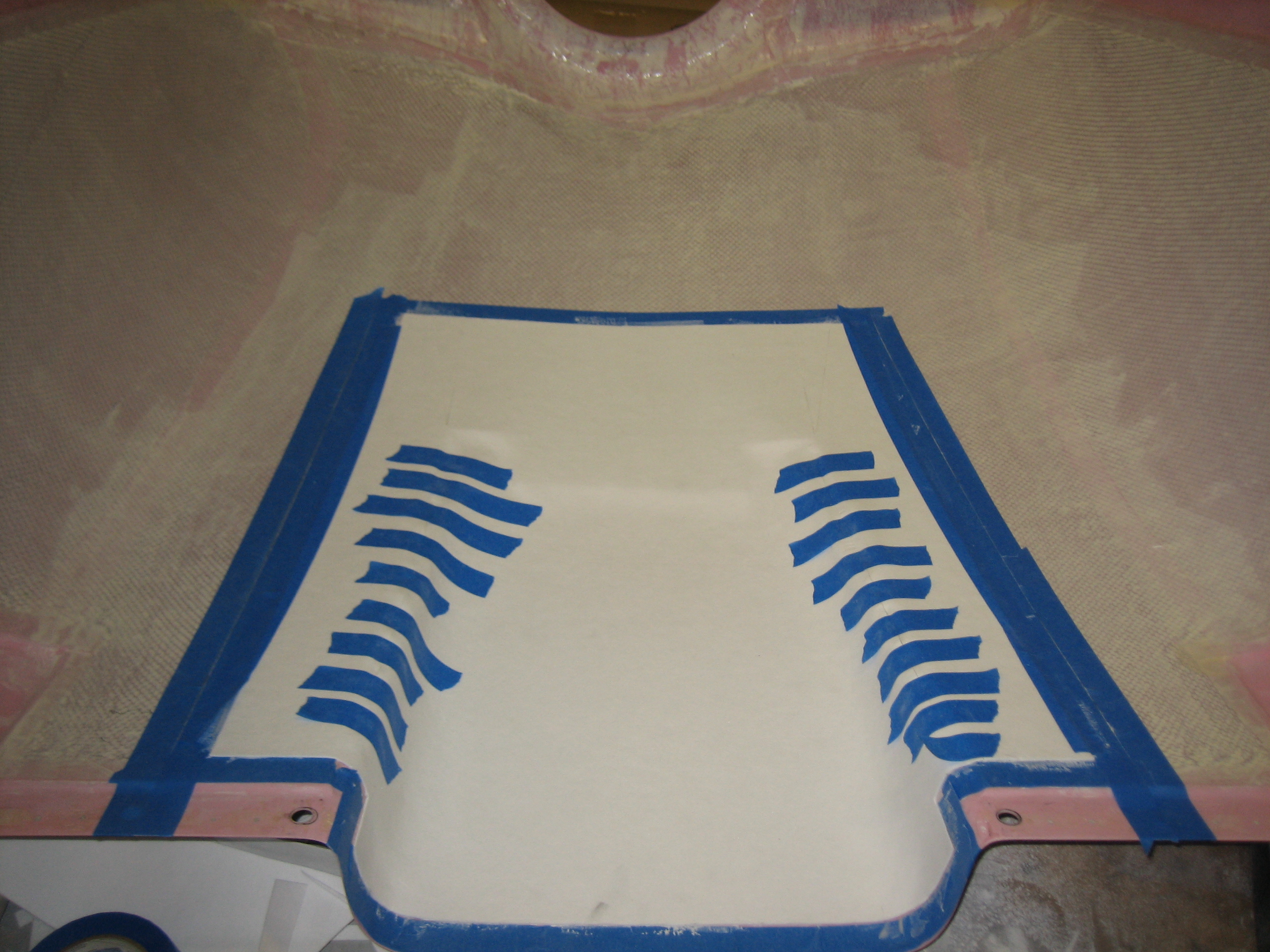
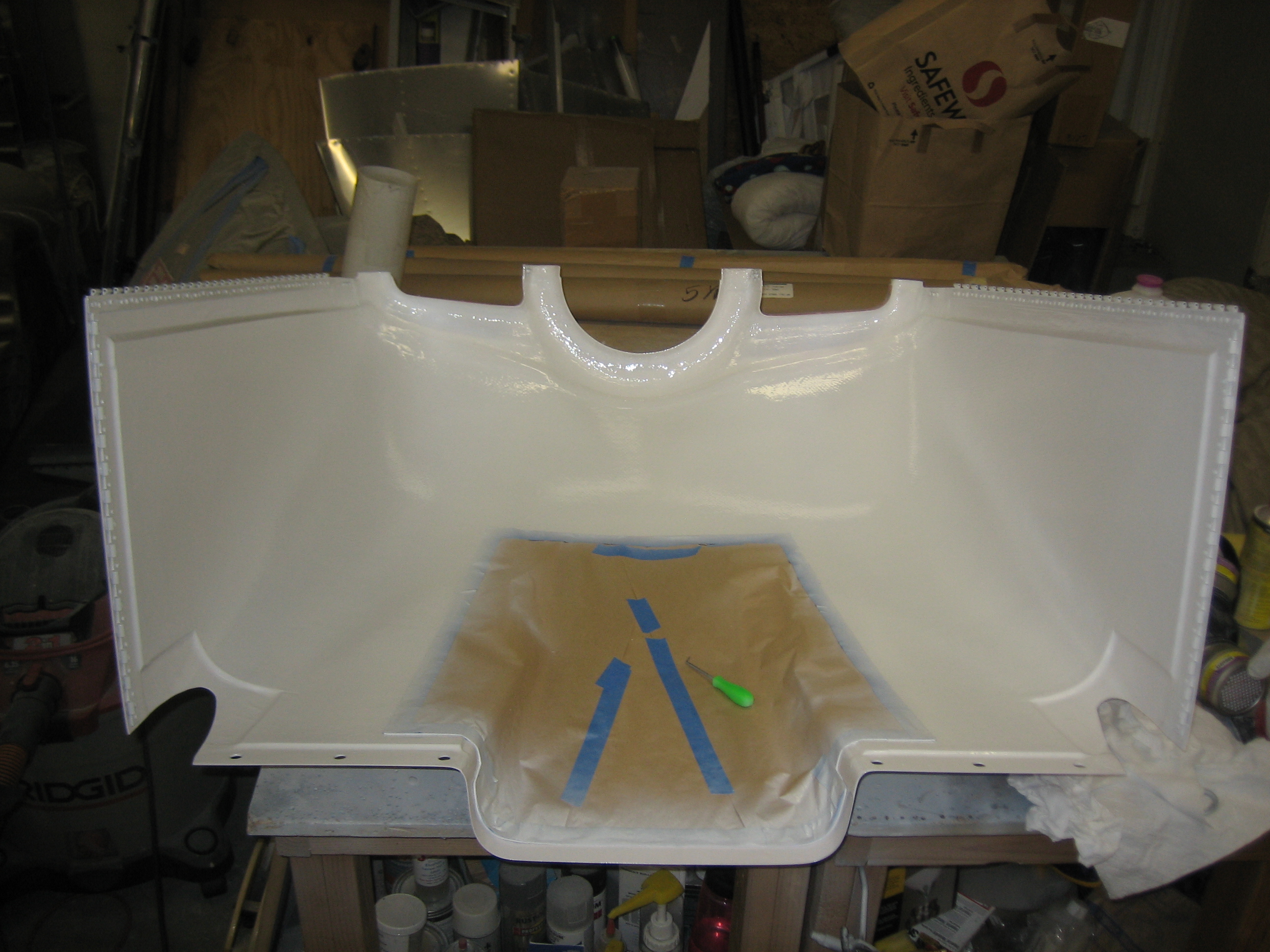
I added a layer of 1/16″ thick Fiberfrax insulation where the exhaust pipes come within a few inches of the cowl and glued it down with Carborundum glue.  Both are capable of withstanding 2300ºF.  I’ll cover this with a layer of adhesive-backed foil to seal it from oil and fluids as well as act as a heat reflector.  I used the blue tape to define keep glue from going beyond the edge of the Fiberfrax as well as to hold down the edges while the glue dries.  The rest of inside of the cowl will be painted white to make it easy to spot leaks and keep it clean.

Added Reflective Foil to Lower Cowl

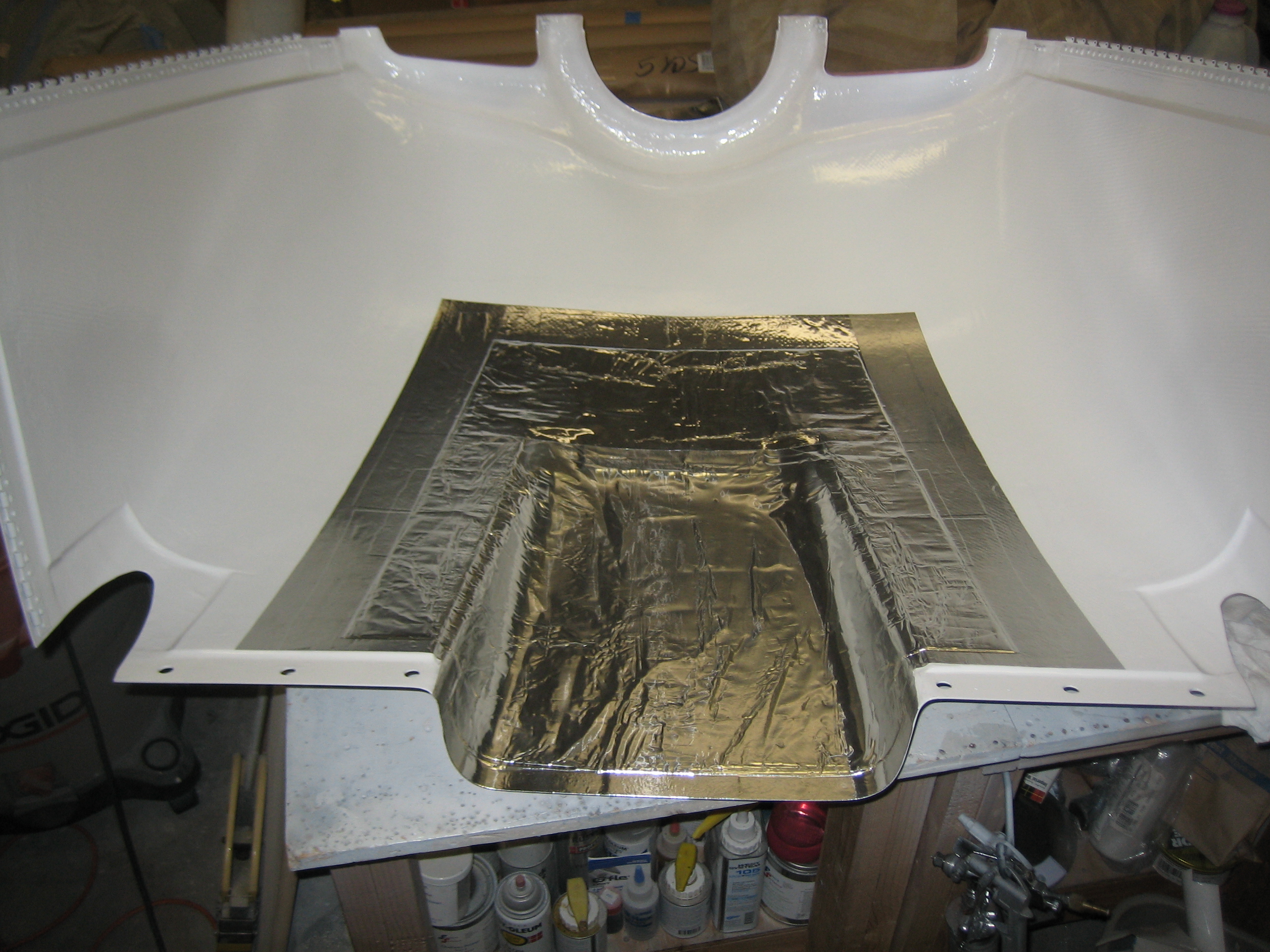
With the paint cured, I added the reflective foil.  The foil sticks amazingly well to the painted surface, so I’m not going to do anything else to this.  If the edges start lifting, I may add a thin coat of epoxy to seal them, but I’m going to wait and see if it is necessary.

Painted Inside of Upper Cowl

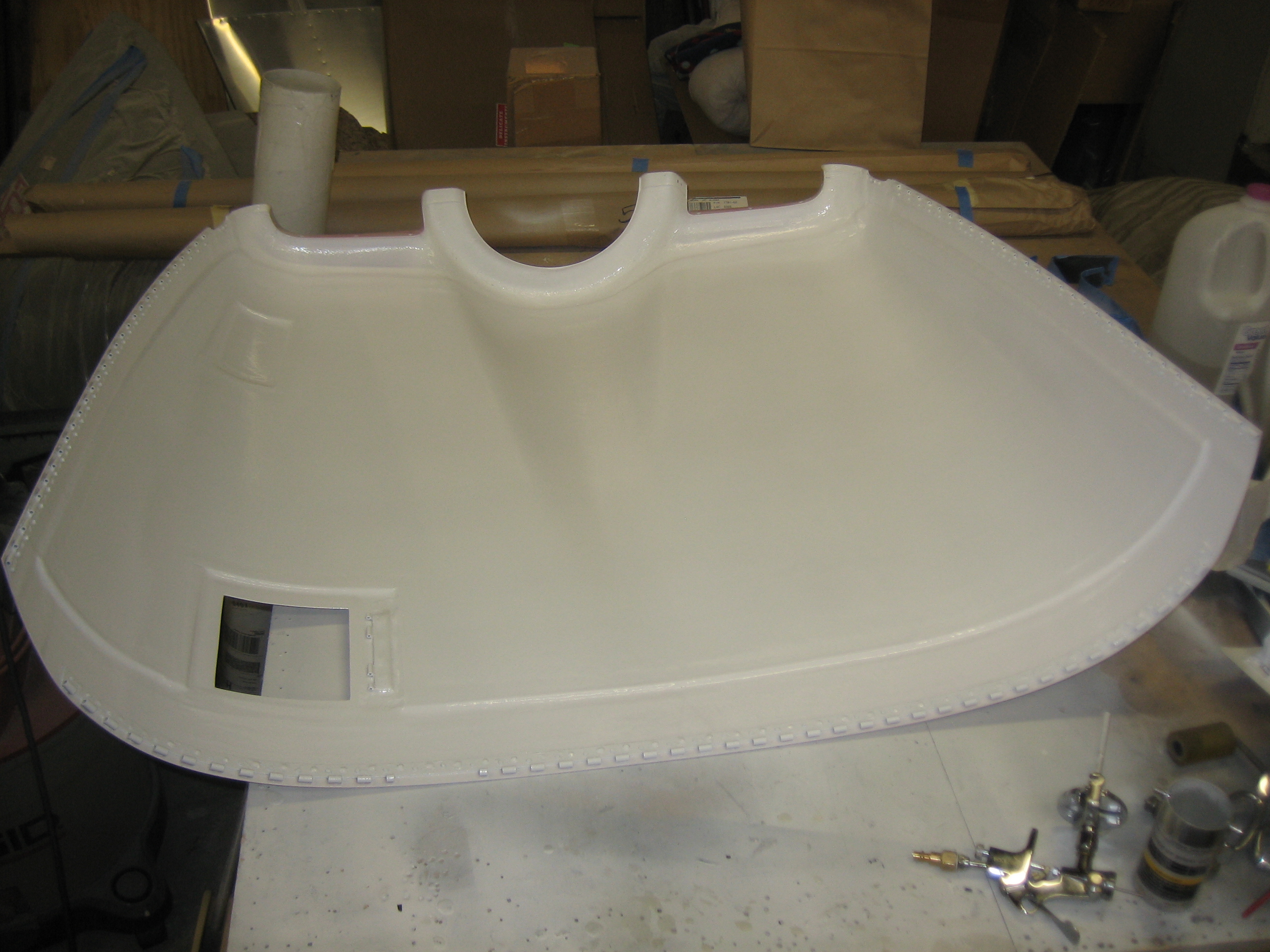
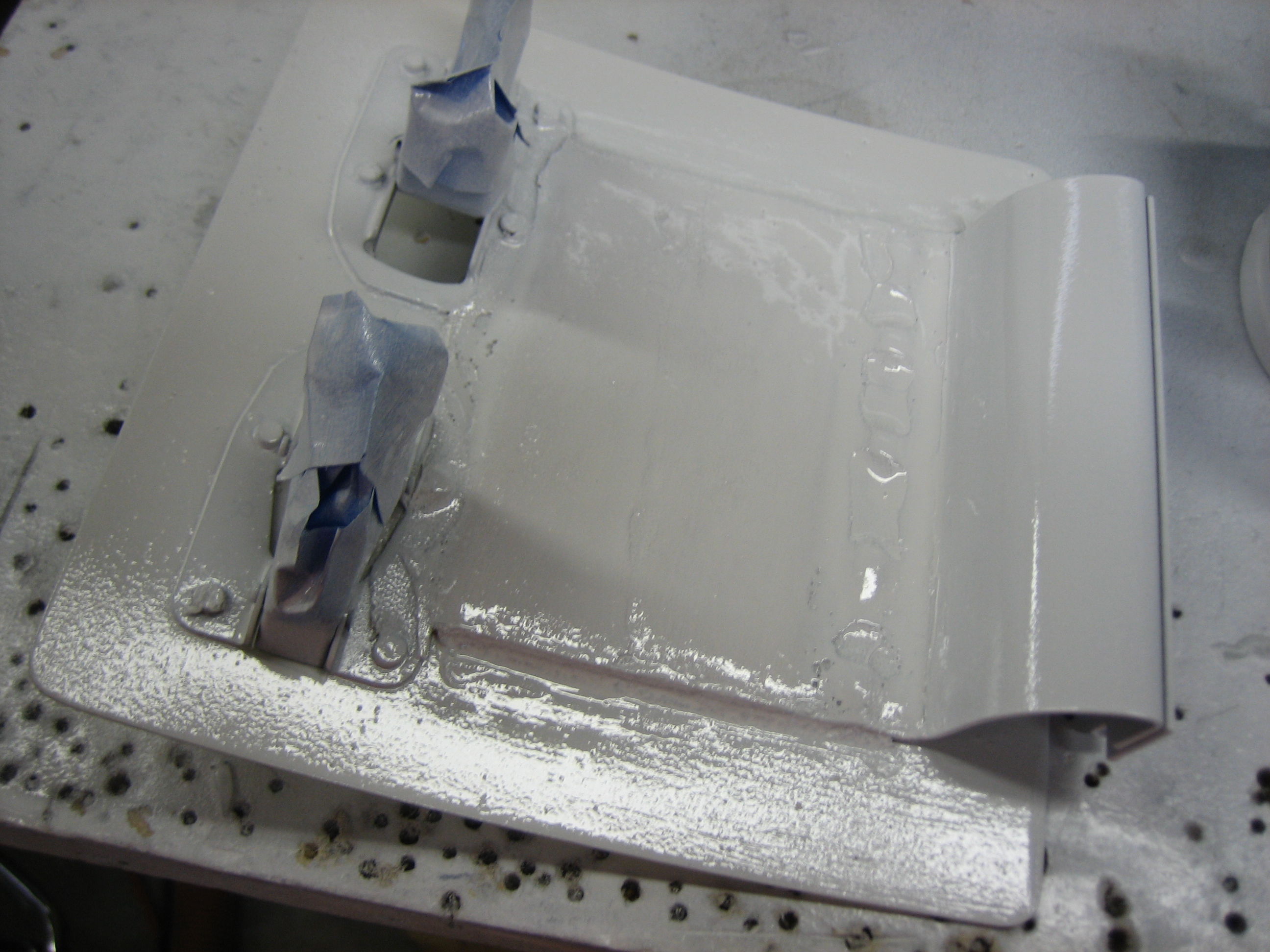
I painted the inside of upper cowl with the same two-part epoxy paint I used on the lower cowl.  The finish isn’t perfect, but it’s fine for the inside of the cowl and should be sufficient to seal the surface and make it easy to clean.

I also painted the inside of the oil door.

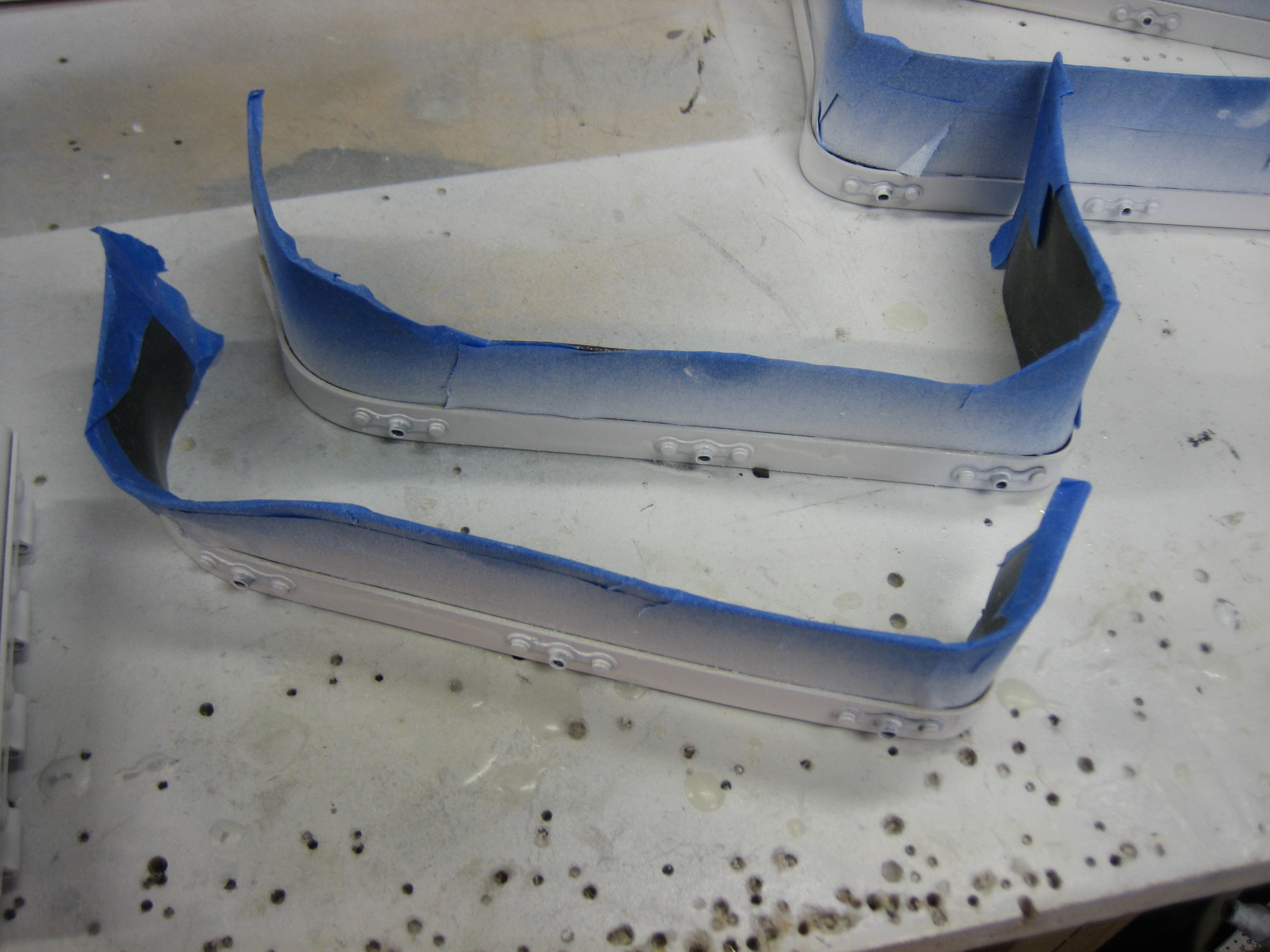
I also painted the metal strips that hold the cowl inlet baffle seals.

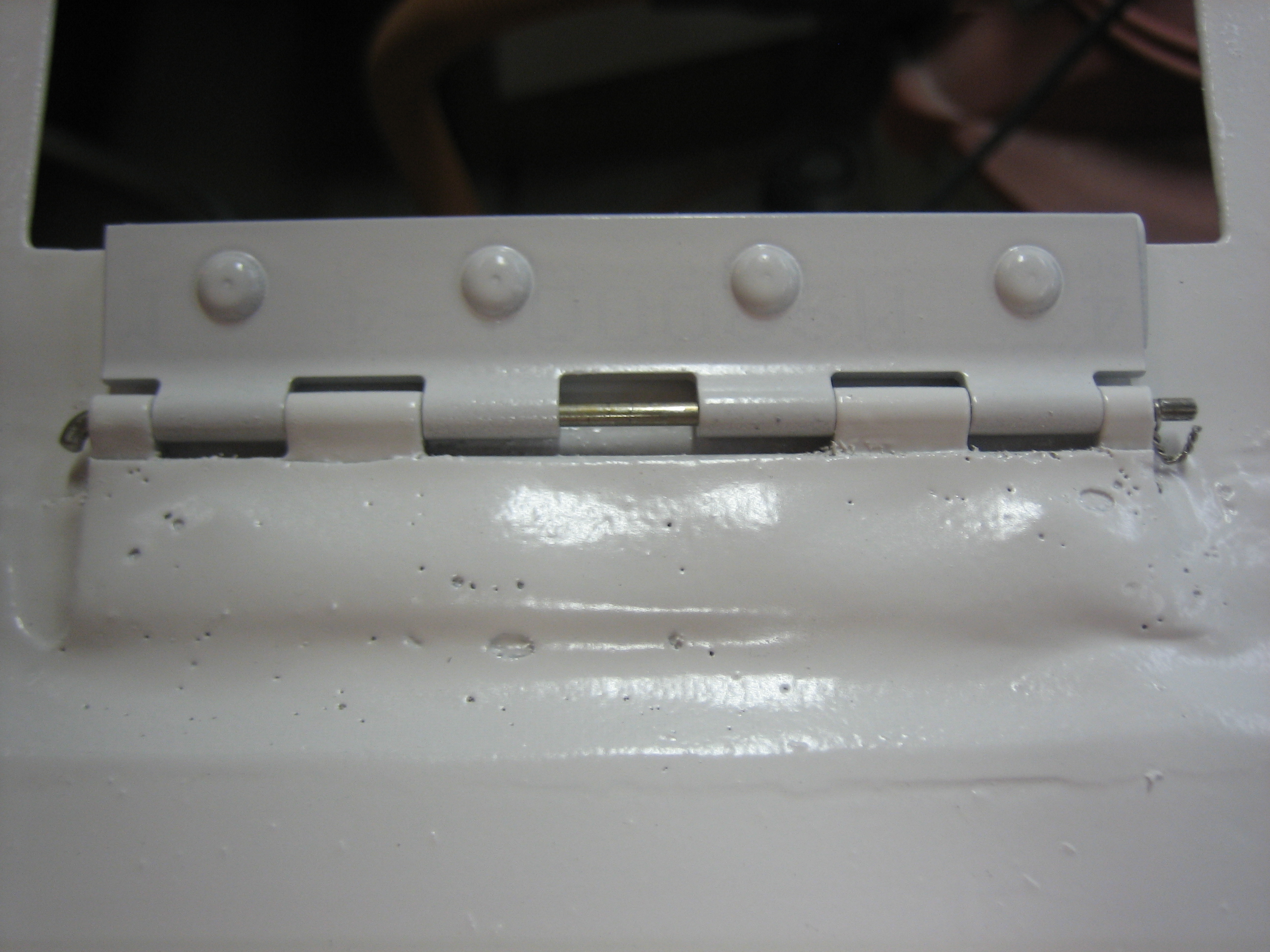
Fabricated Oil Door Hinge Pin

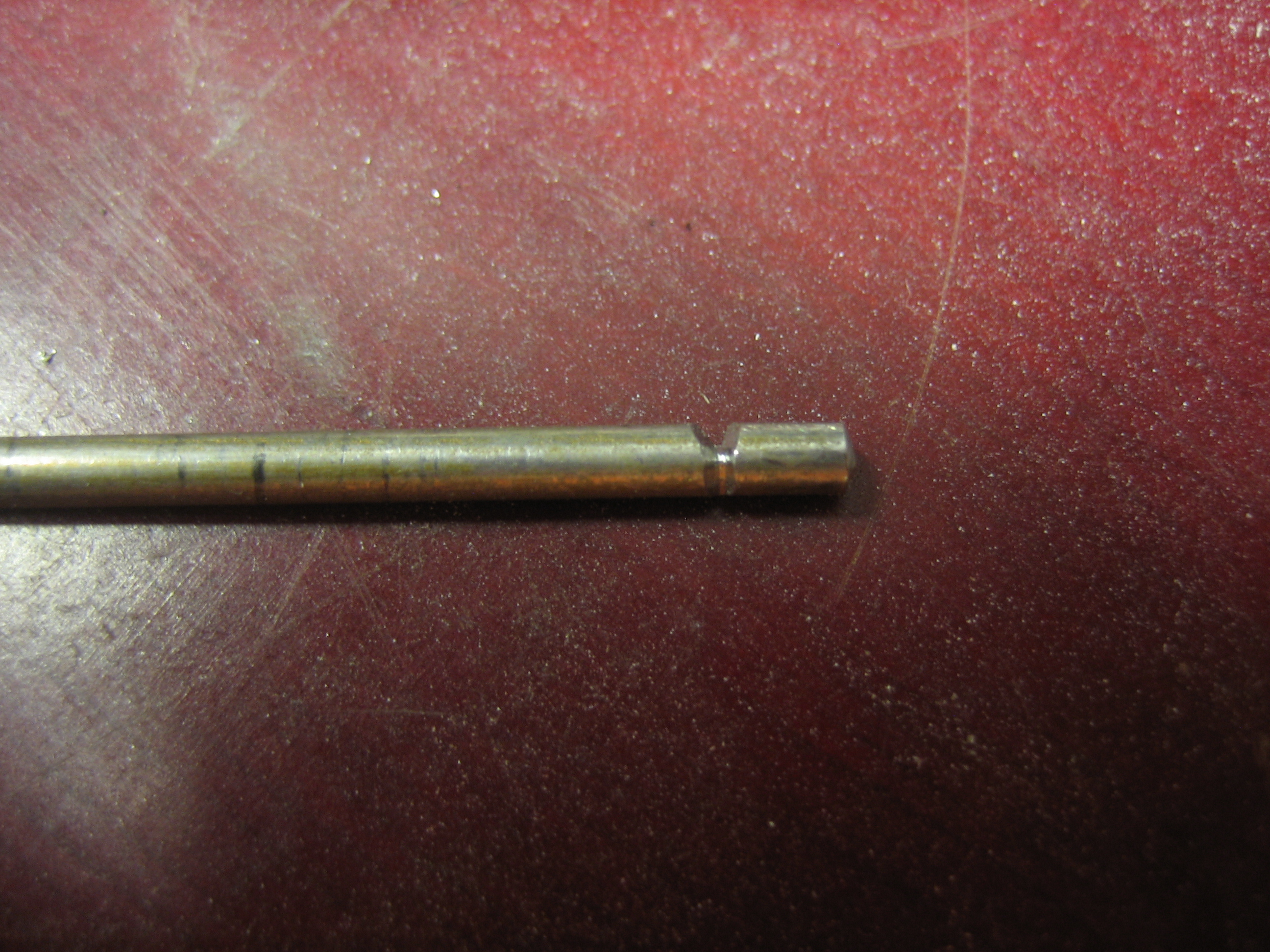
I have been giving some thought to how to secure the hinge pin for the oil door.  Many builders just insert the pin and bend both ends, but then you can never remove the pin without destroying it.  I decided to bend only one end and use some safety wire to prevent the pin from sliding out.  I filed a groove in the end of the pin that goes about 3/4 of the way around the circumference.

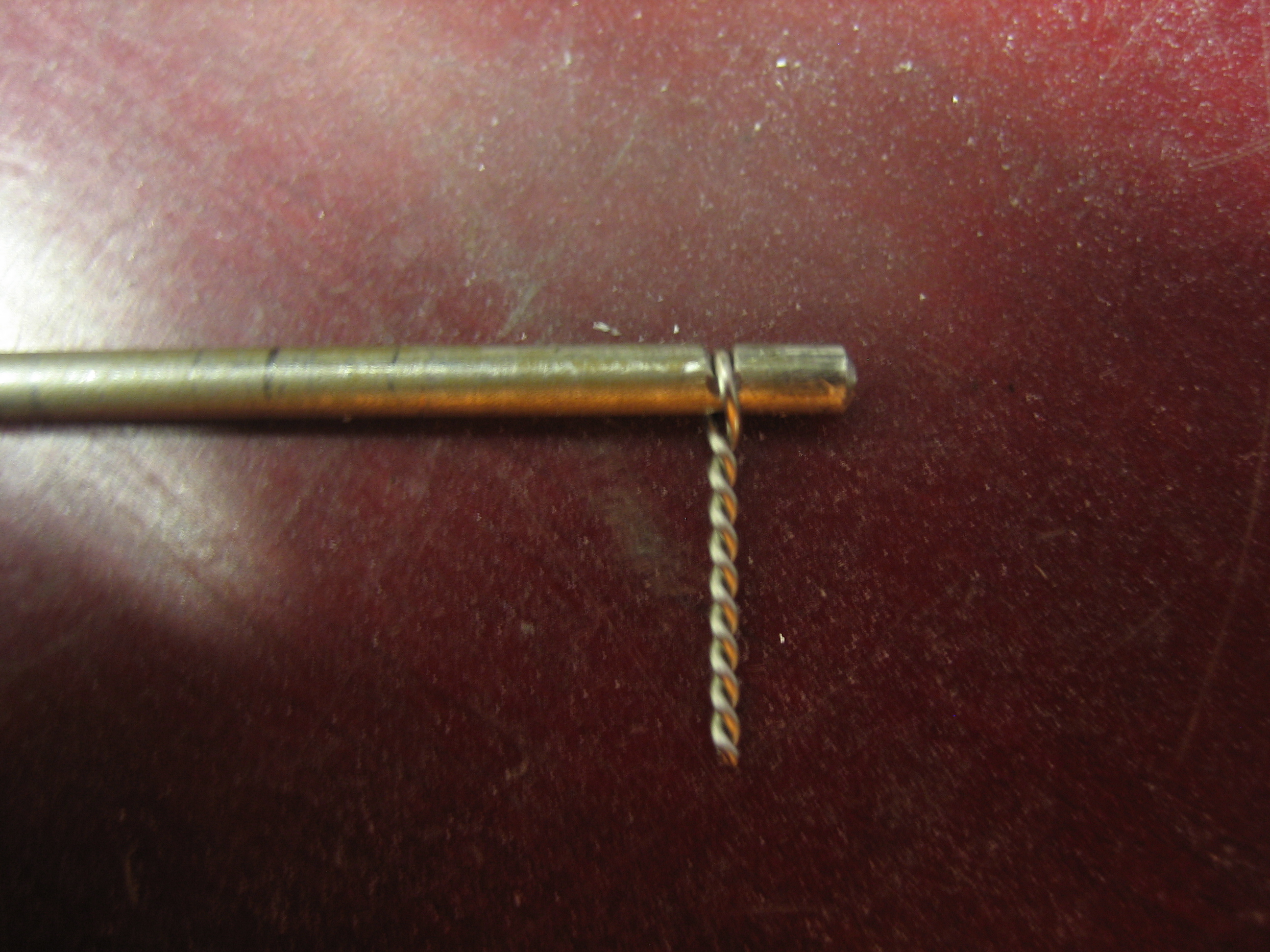
This allows me to wrap a piece of safety wire around the pin to lock it in place.

Here’s what the pin looks like installed in the cowl.  The bend is on the left and the safety wire is on the right.

Miscellaneous Work on Empennage

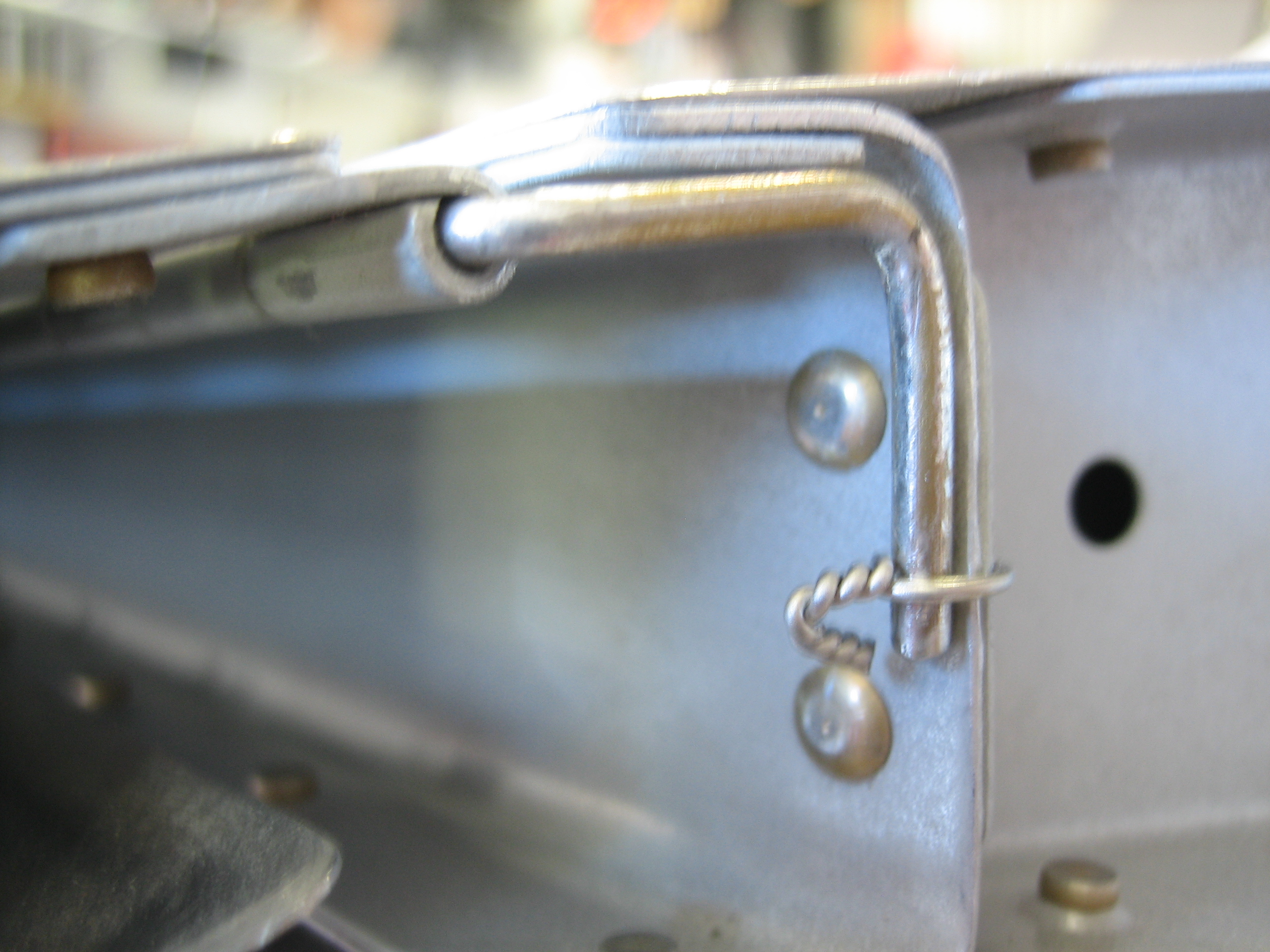
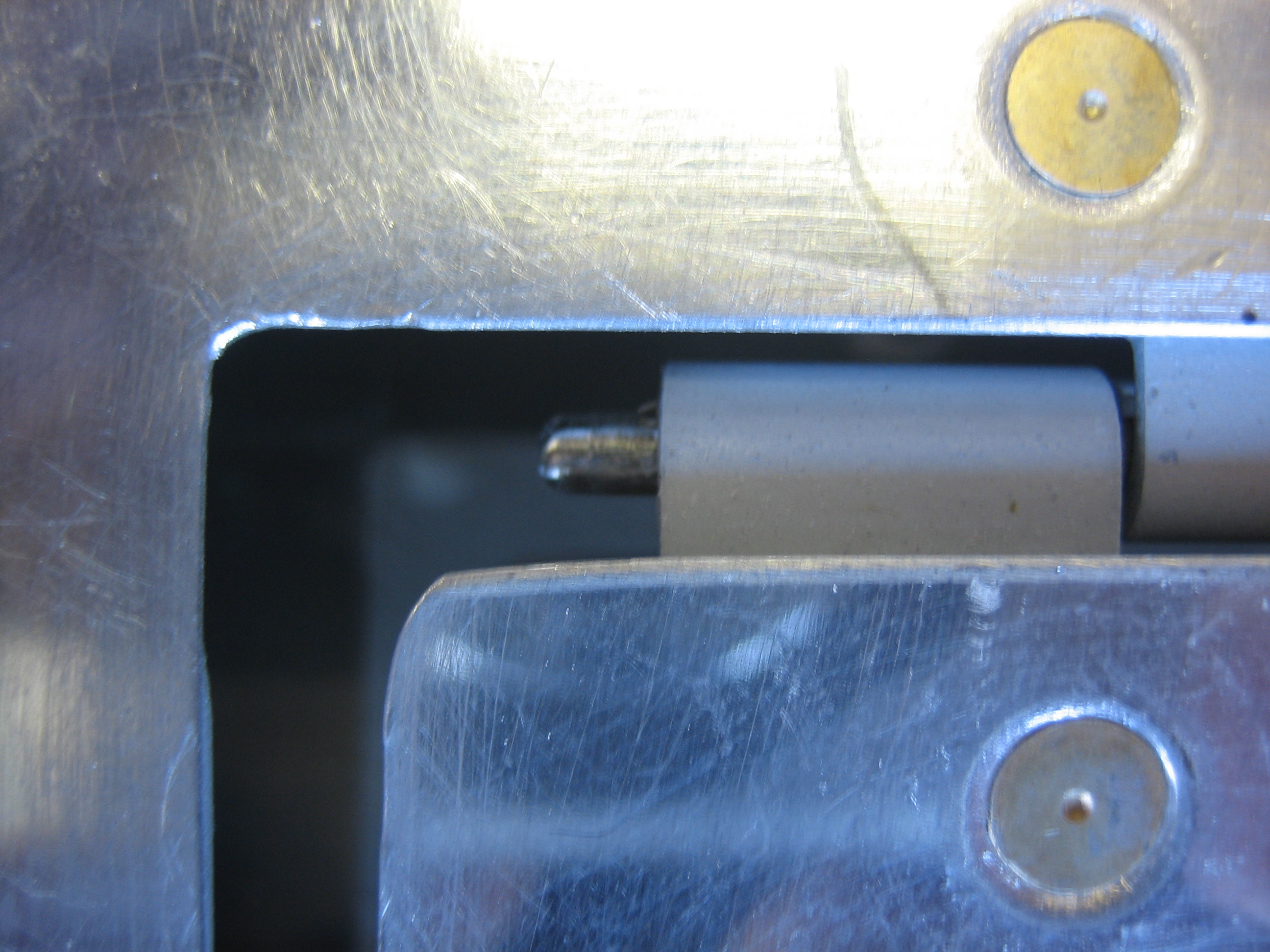
I drilled a hole in the aft spar of the left elevator so I could use a loop of safety wire to secure the trim tab hinge pin.

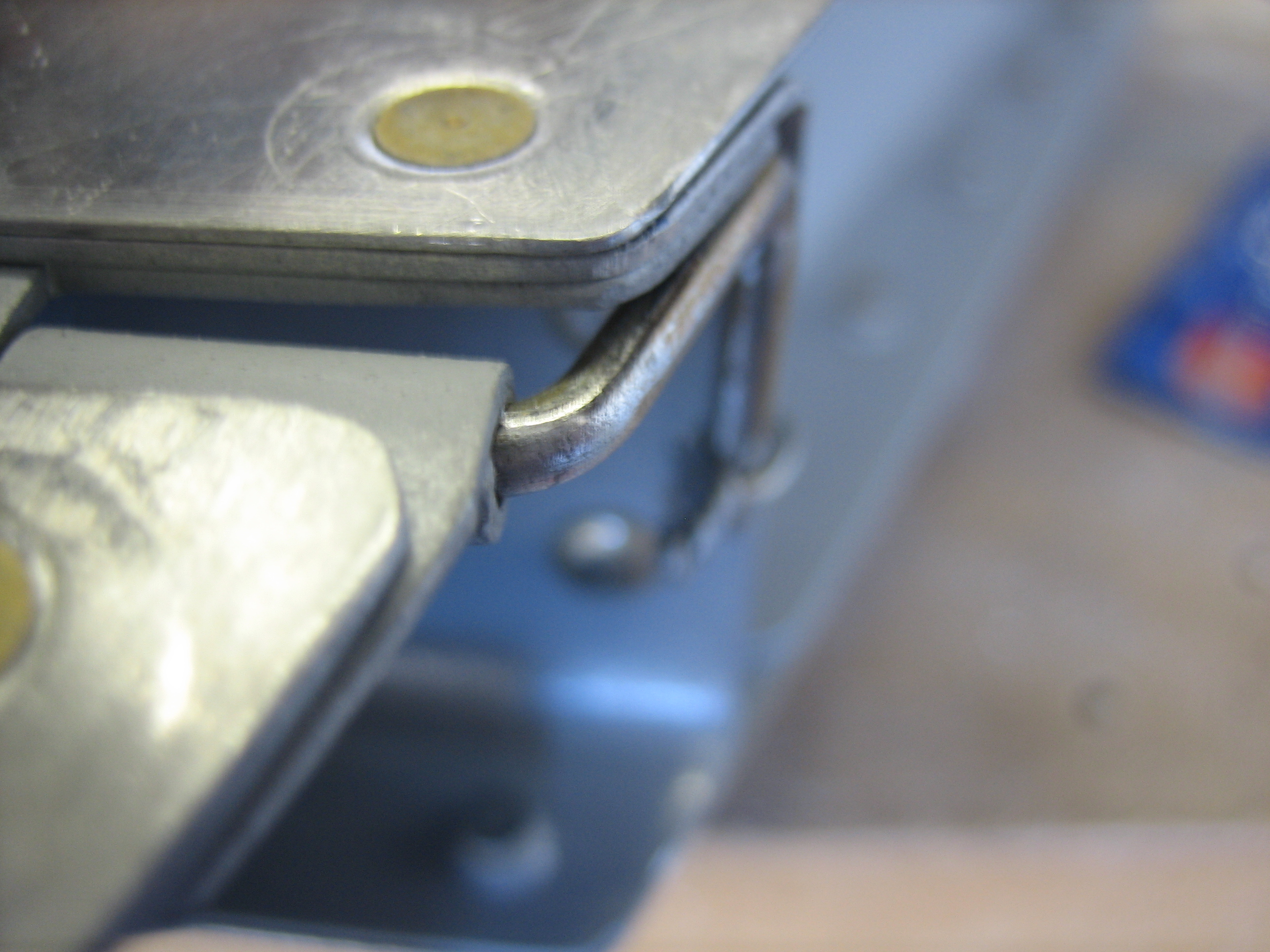
The hinge pin tucks under the spar flange to prevent it from lifting.

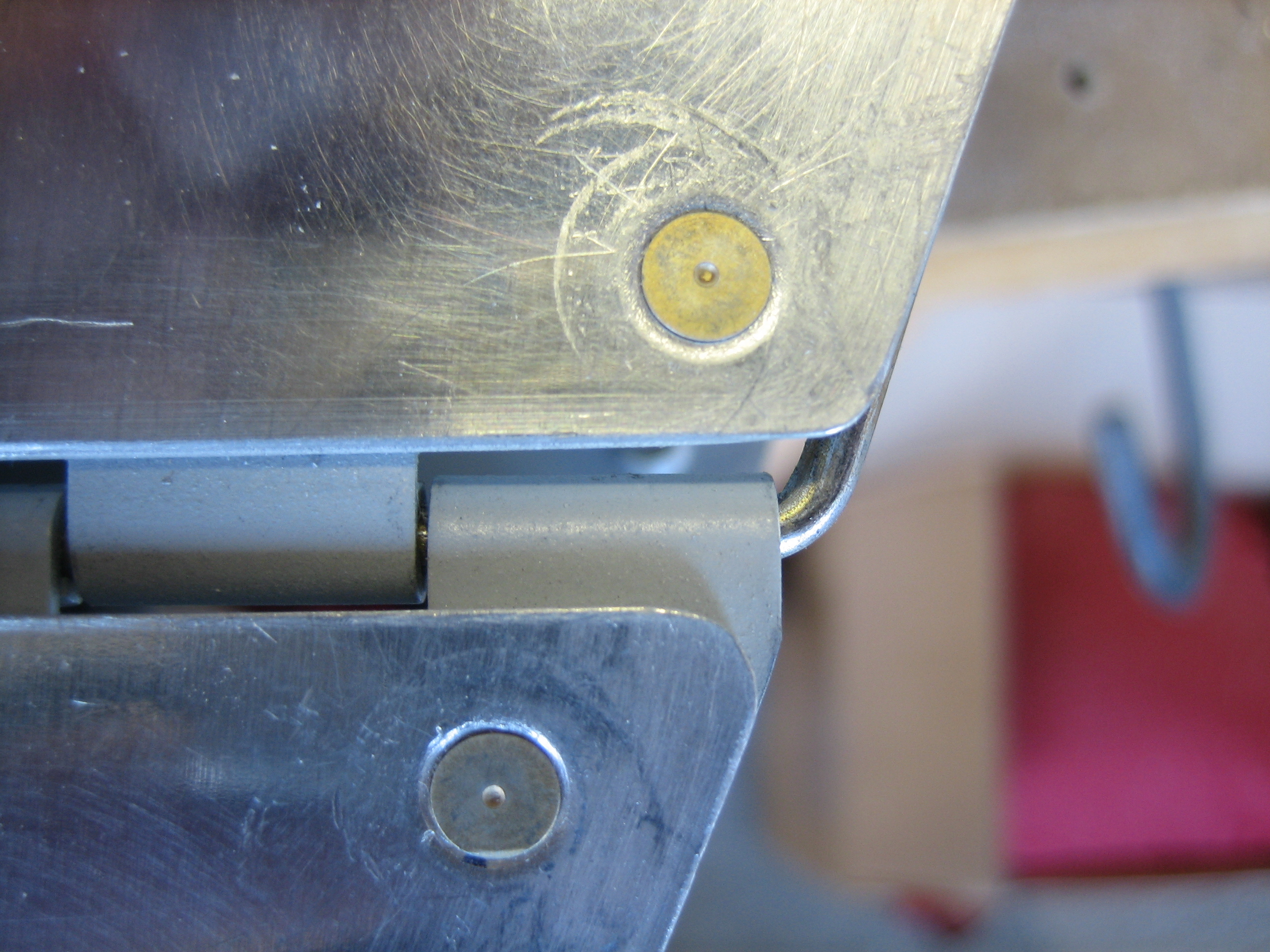
From the top, you can see how little of the hinge pin is visible.

I left a small amount of the pin visible at the other end of the hinge so that it’s easy to confirm the hinge is fully inserted during pre-flight.

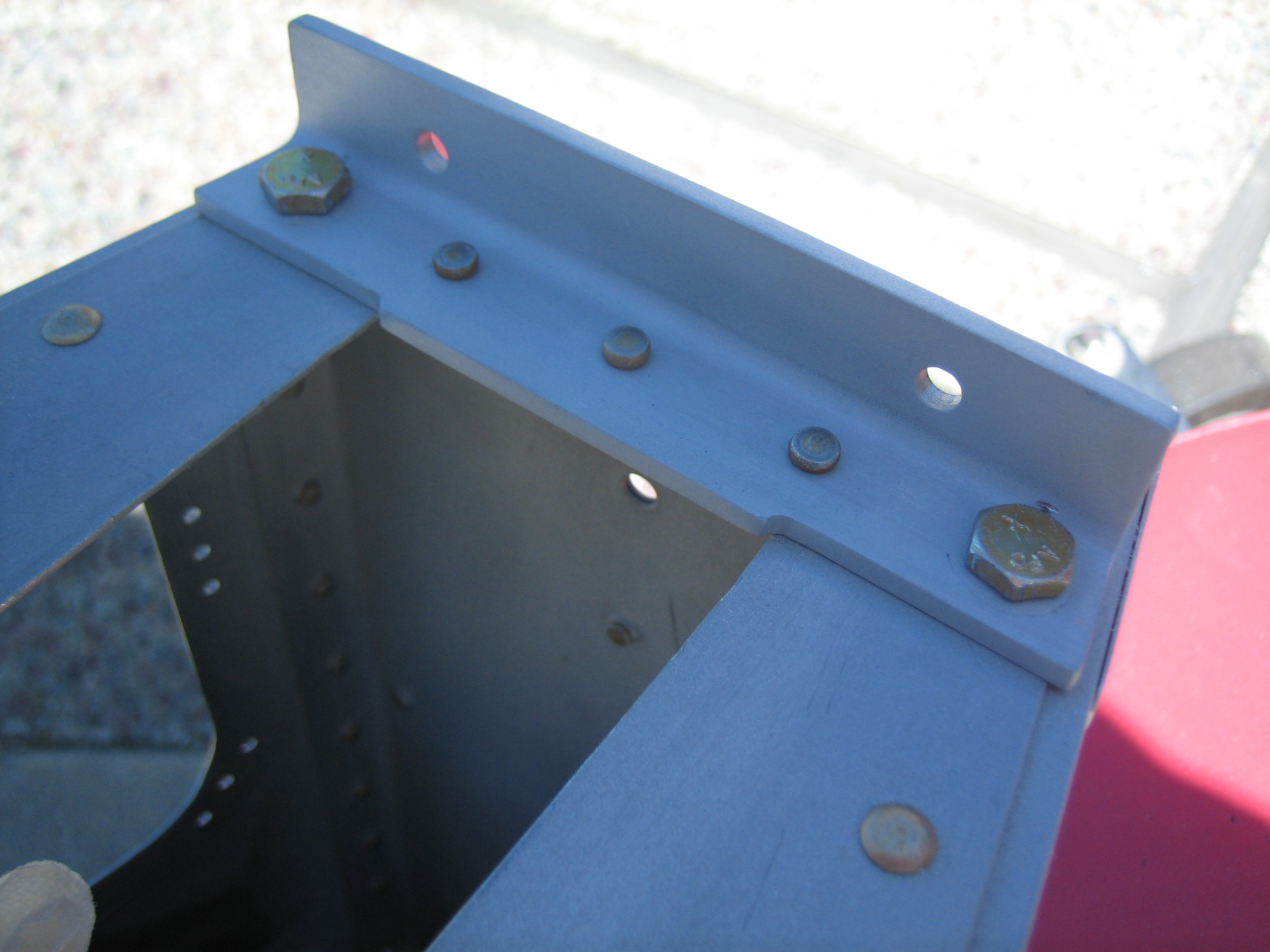
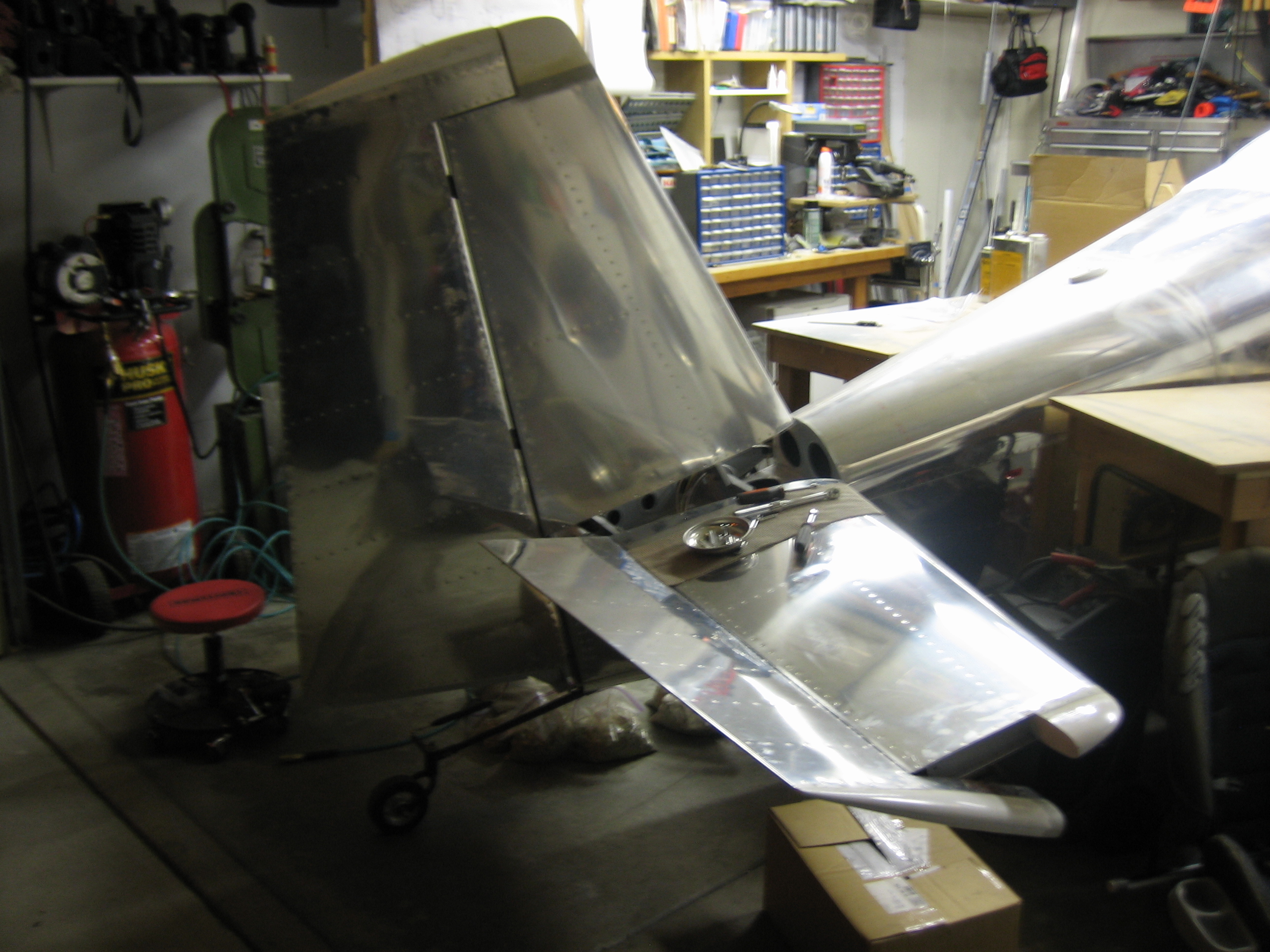
I pulled the plane out of the garage so that I could rearrange it to work on the empennage.  First up, I riveted and bolted on the up elevator stop.

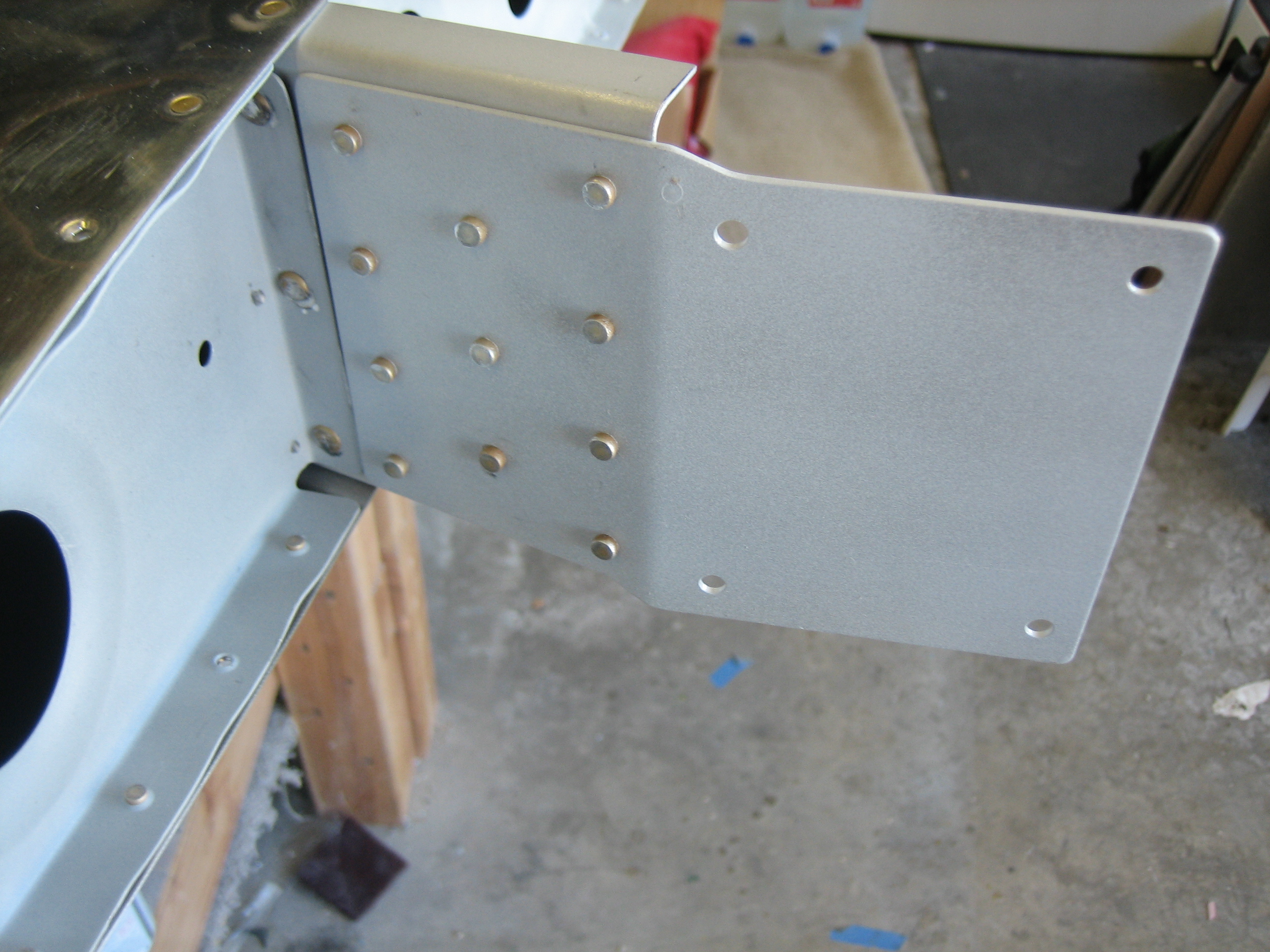
I then riveted on the plate that ties the vertical stabilizer’s forward spar to the horizontal stabilizer’s front spar.

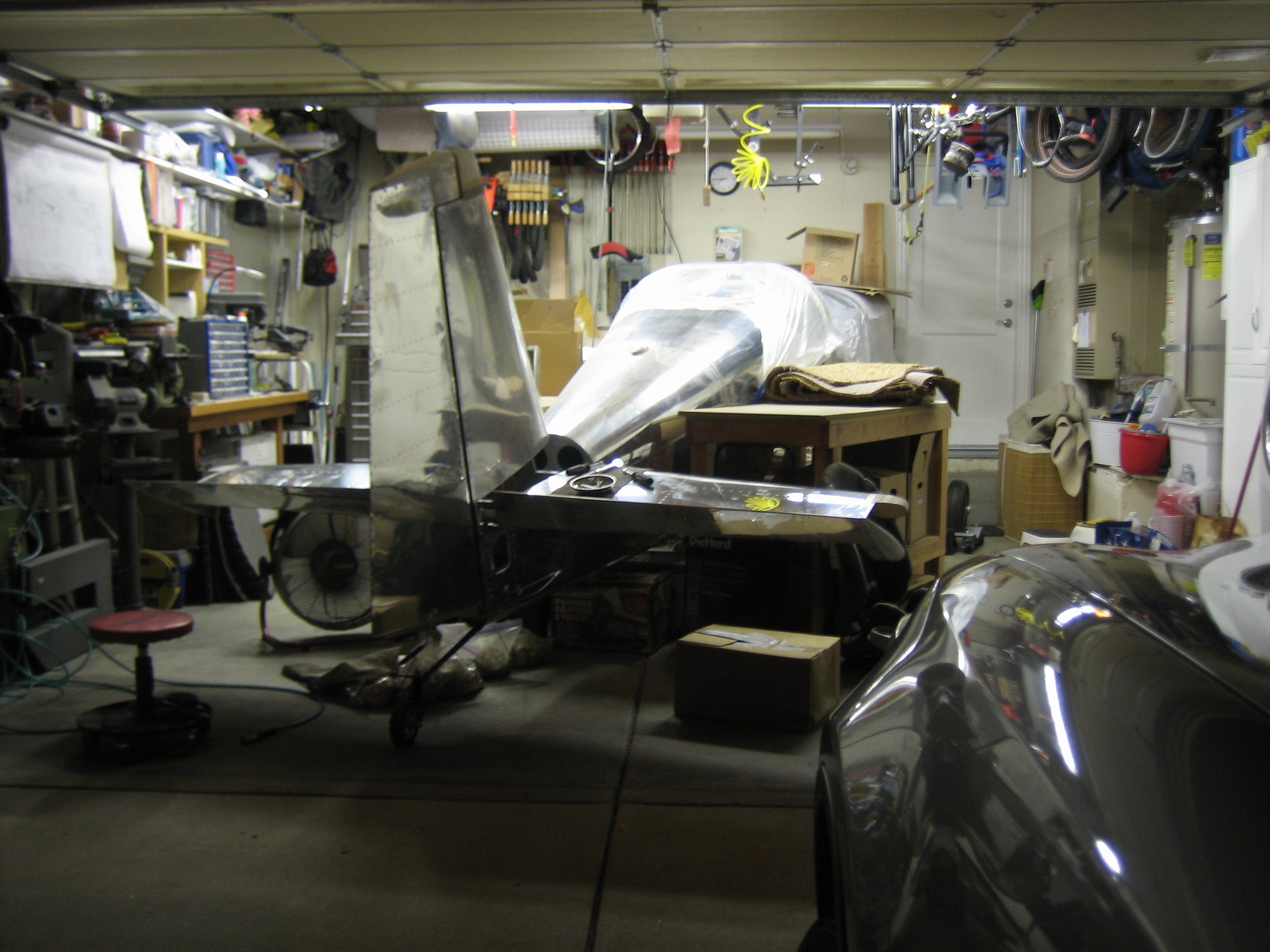
After spending most of the day cleaning out the garage, the plane is safely tucked back in.

In this orientation, I can actually completely install the empennage and still get the garage door closed.  I can’t walk around the plane that way though, so I’ll likely leave off the rudder and right elevator most of the time though.

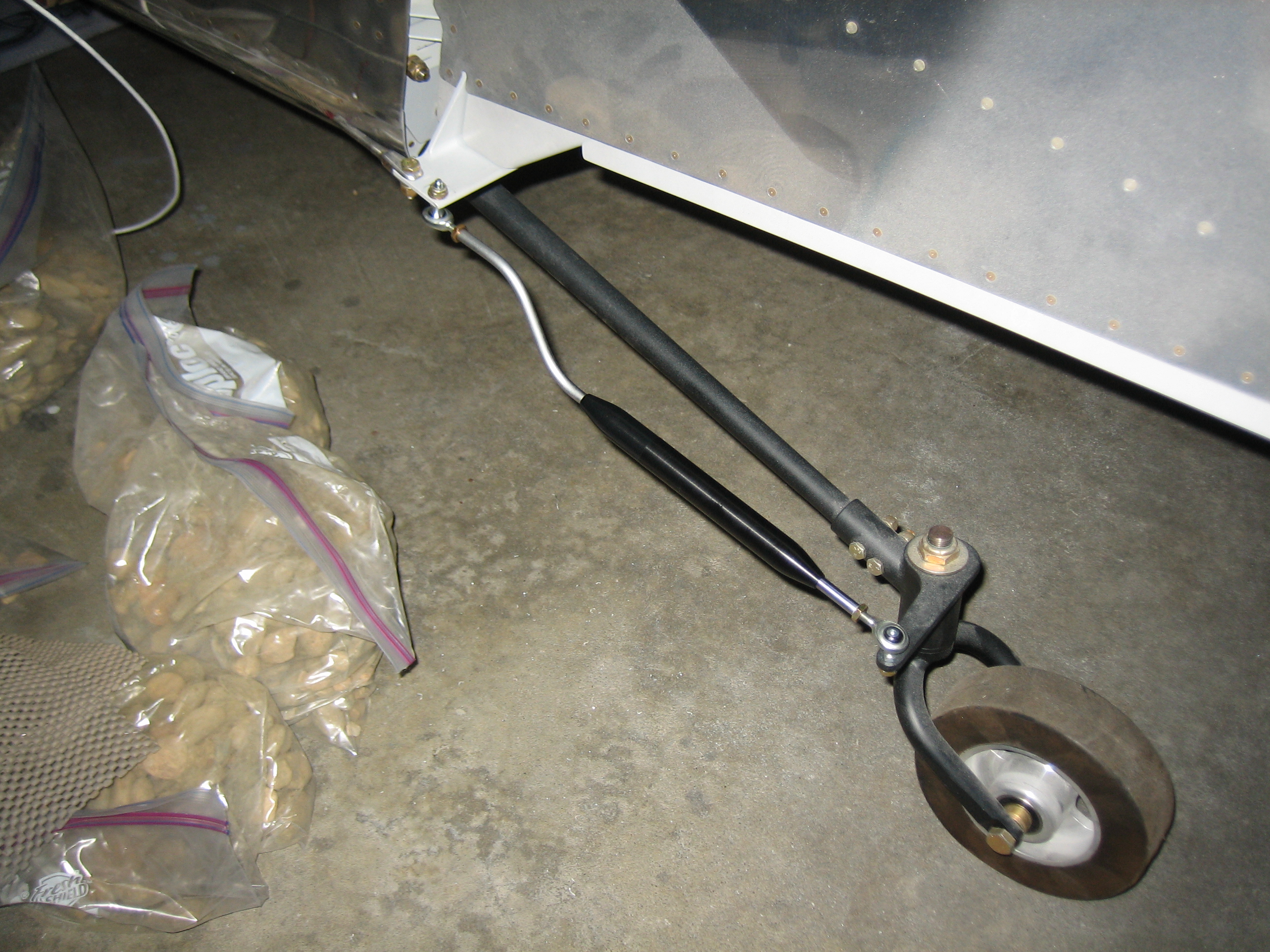
I installed the steering link so that I could adjust the length.

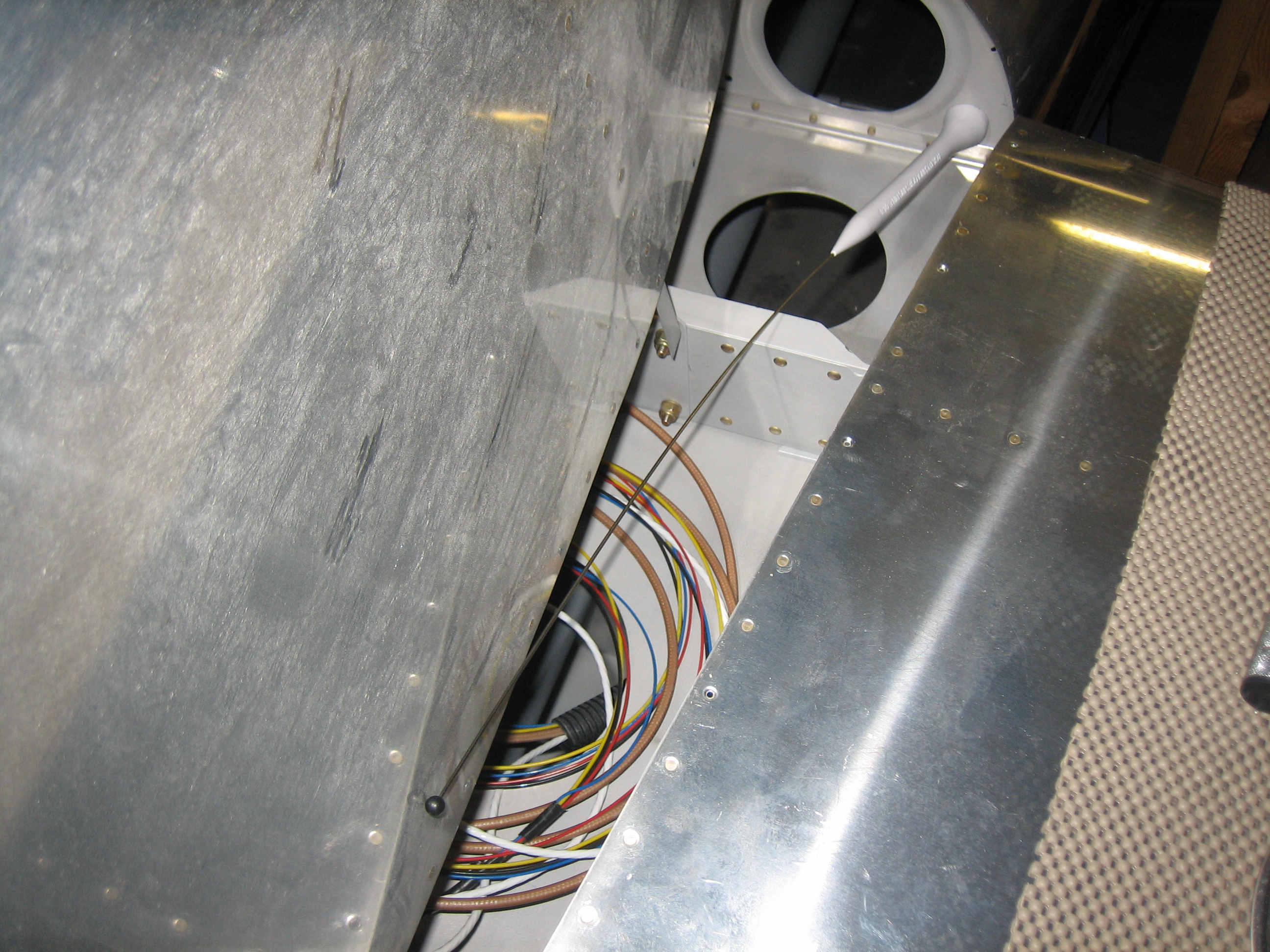
Finally, I decided how I was going to mount the ELT antenna, and drilled a hole in the bulkhead and installed the antenna.  I still need to figure out how I’m going to secure the other end of the antenna so that it doesn’t bounce around inside the tail.