Prepped Firewall Hinge on Upper Cowl

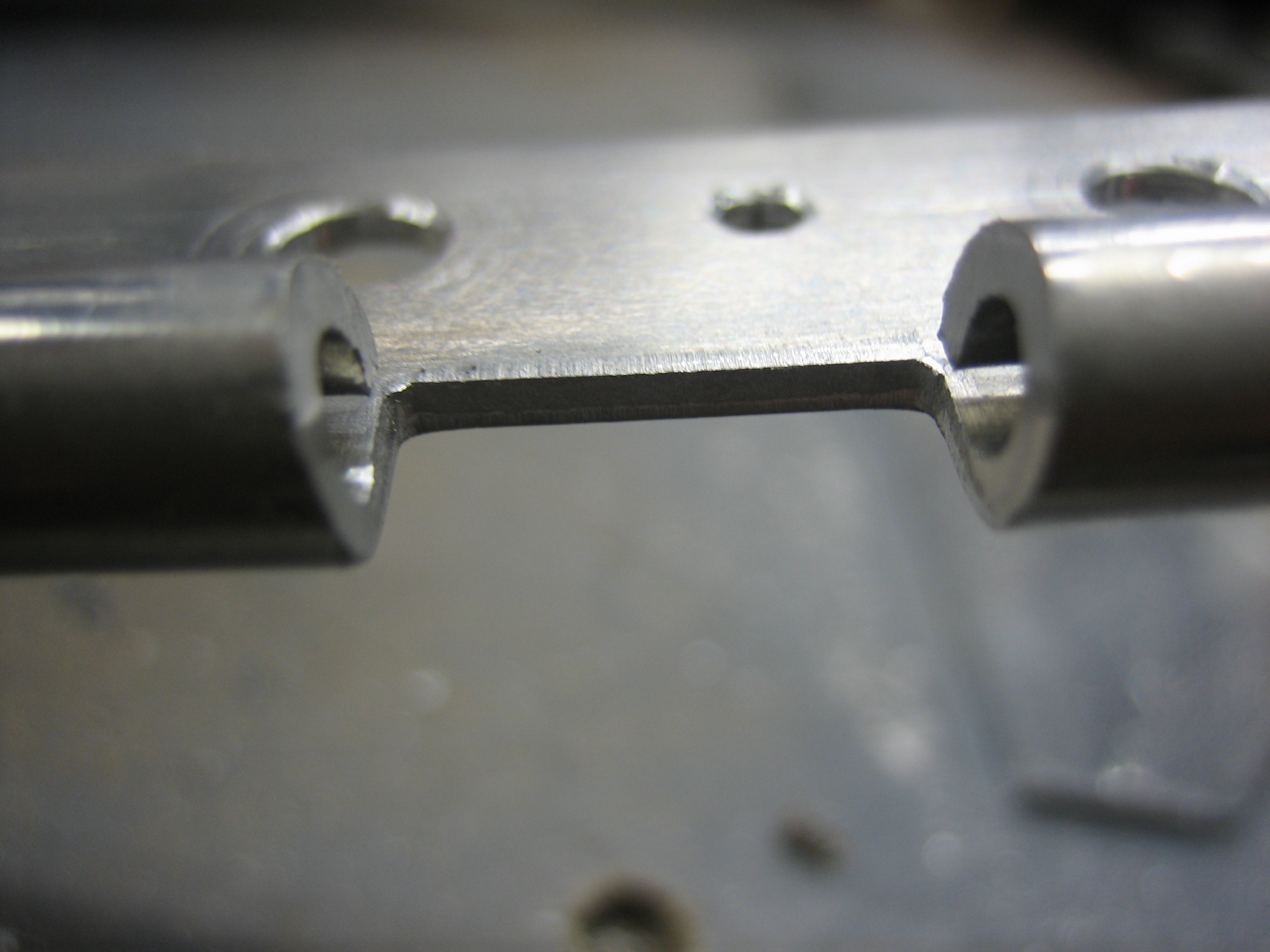
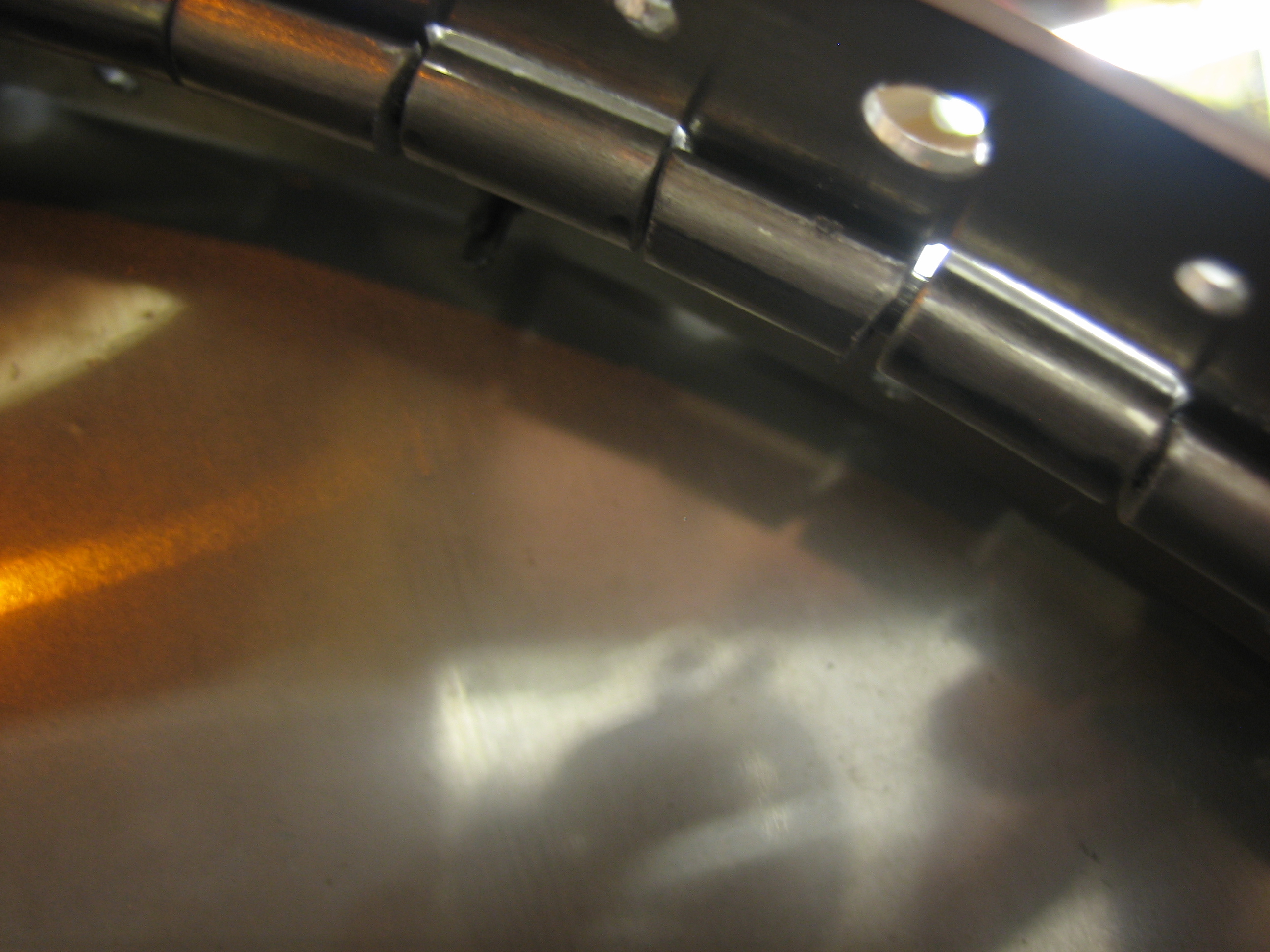
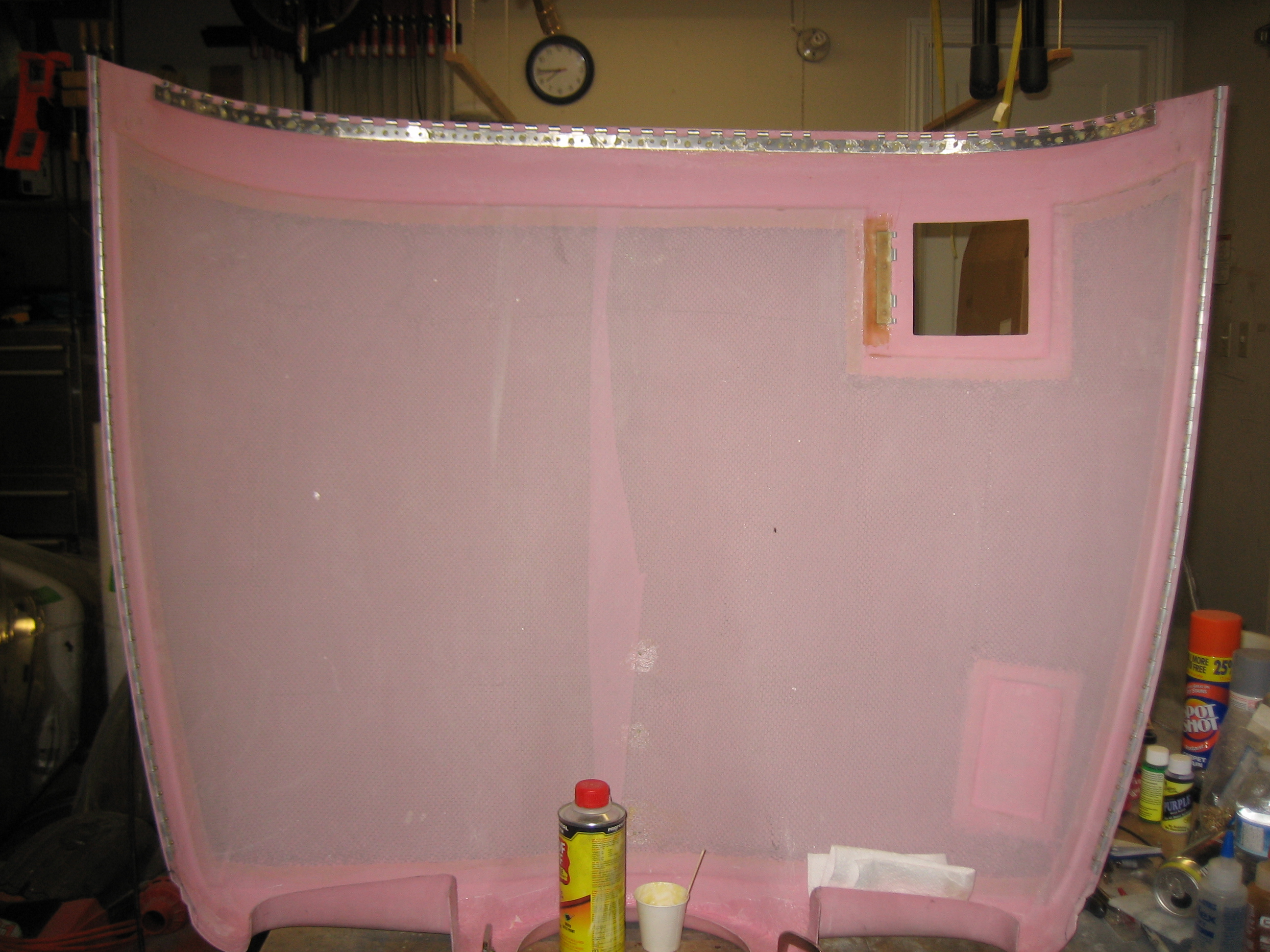
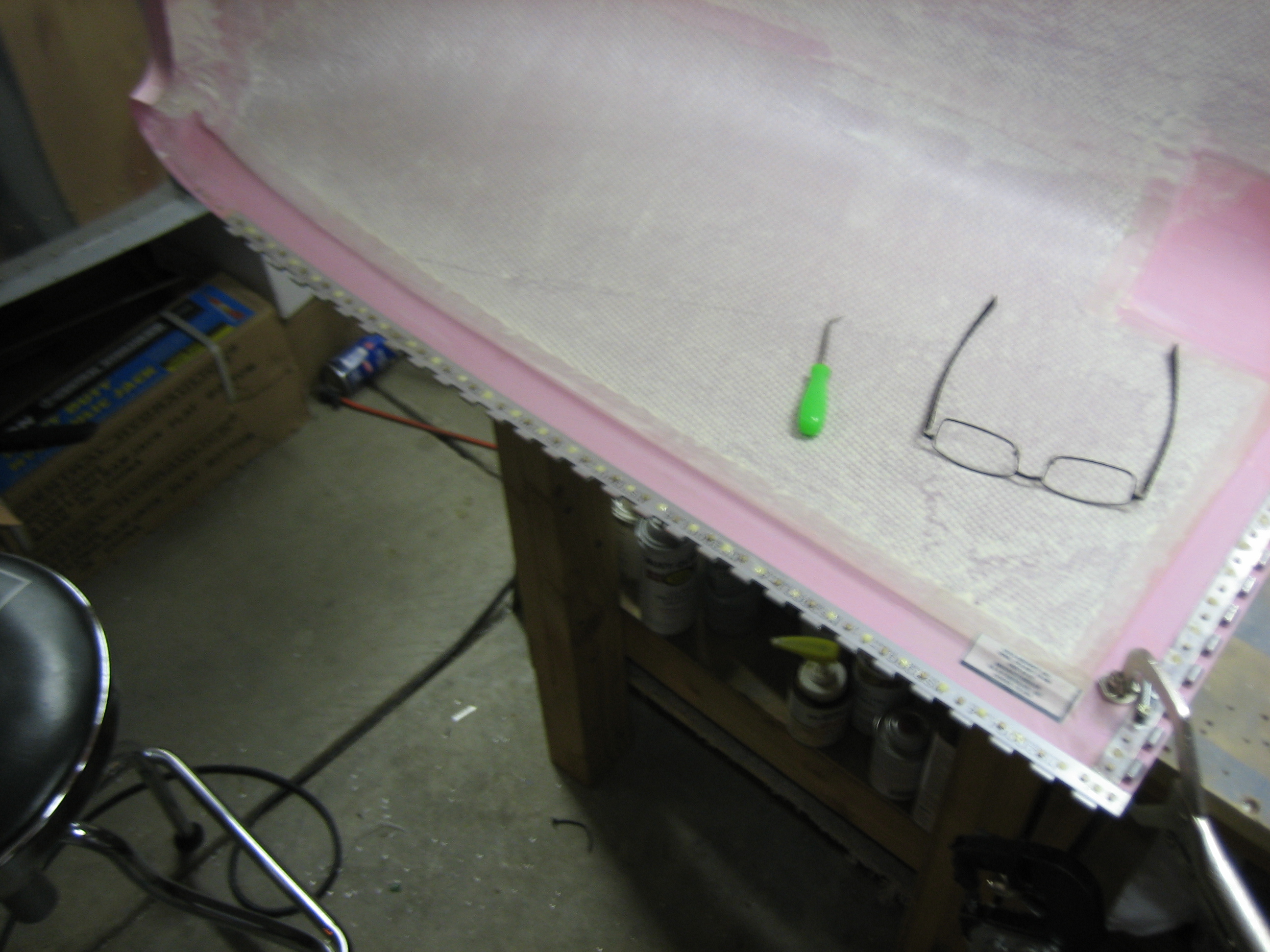
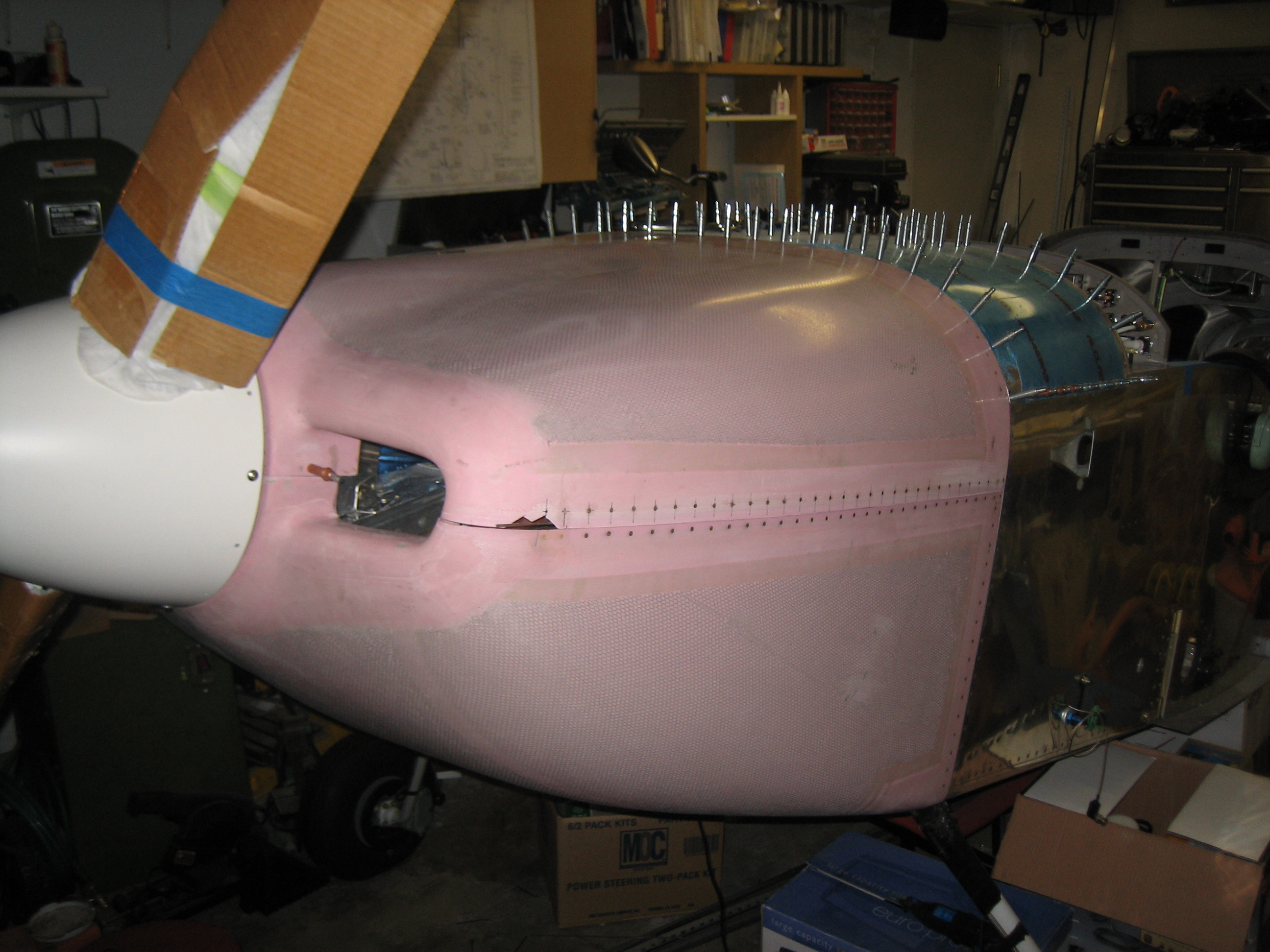
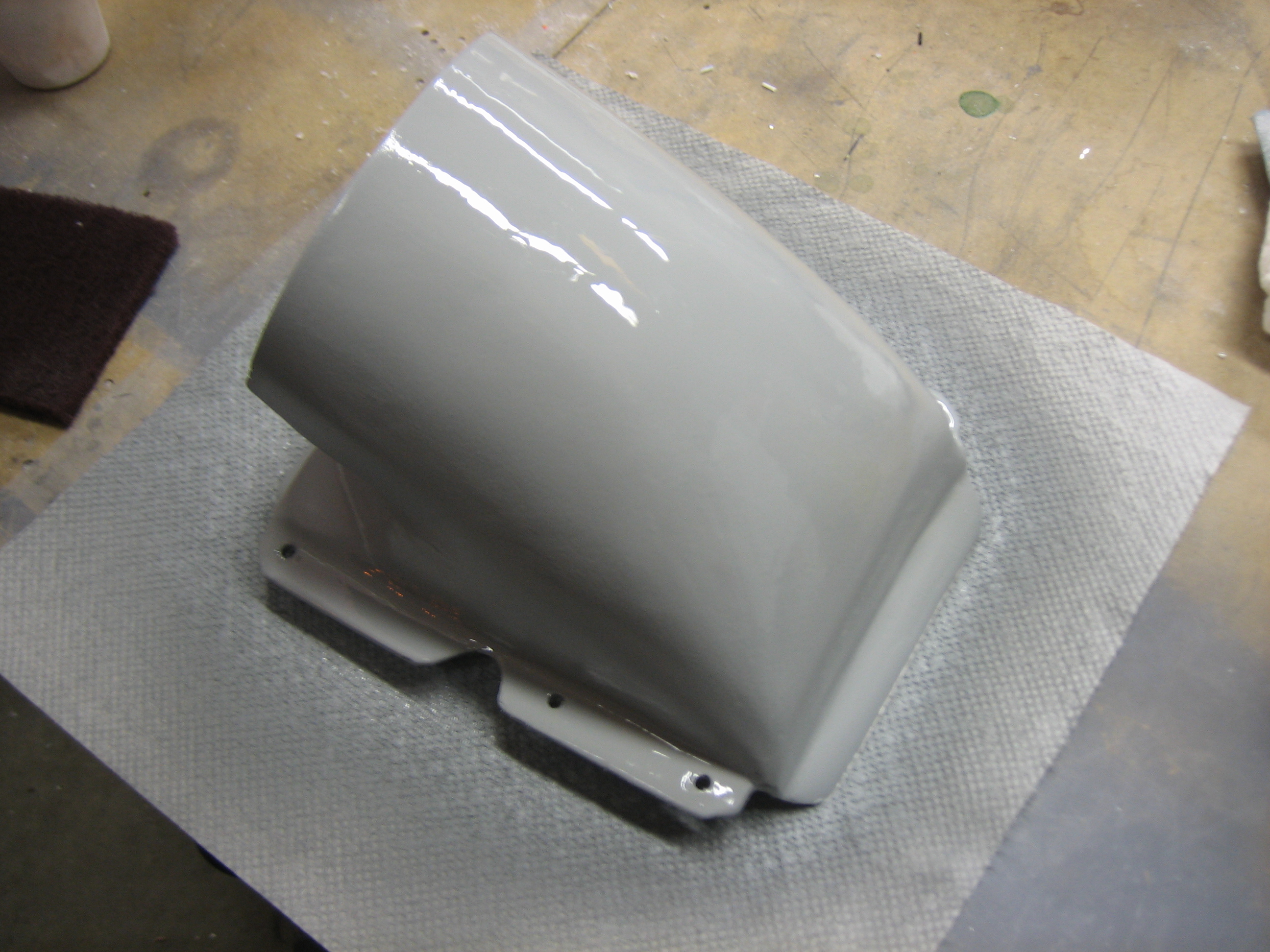
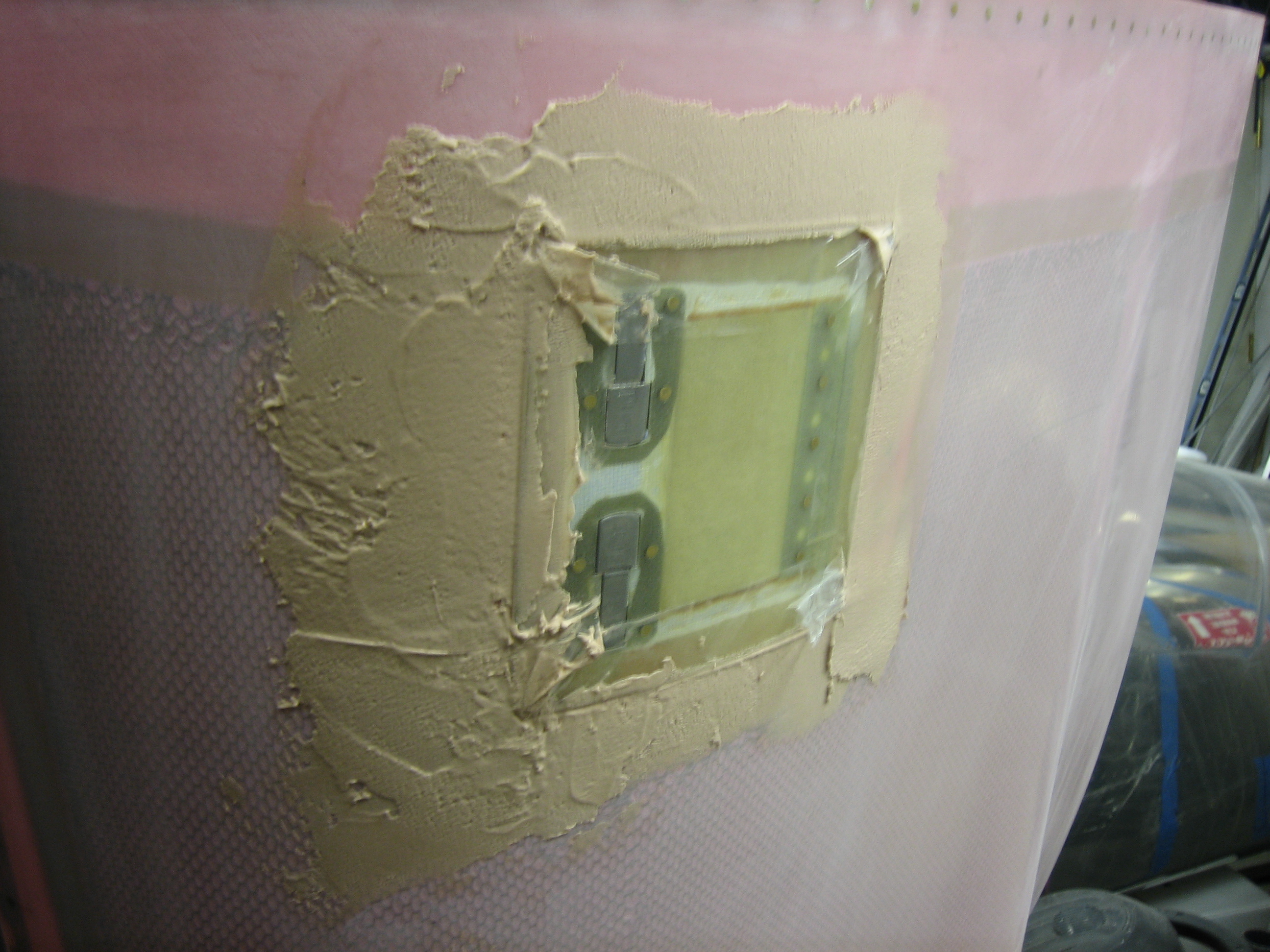
I spent an hour or so tonight prepping the firewall hinge on the upper cowl.  Because of the tight curvature of the cowl in this area, the hinge eyelets bind together.  This wasn’t a problem when fitting the hinge initially, but it has to be corrected before the hinge is riveted to the cowl.  I filed bevels in each eyelet in the region of the hinge with the tight curvature.

Here you can see that the bevels provide clearance between the eyelets.  I only did this to the forward half of the hinge, and only in the last foot or so on each end.

Fabricated Upper Cowl to Firewall Hinge Pins

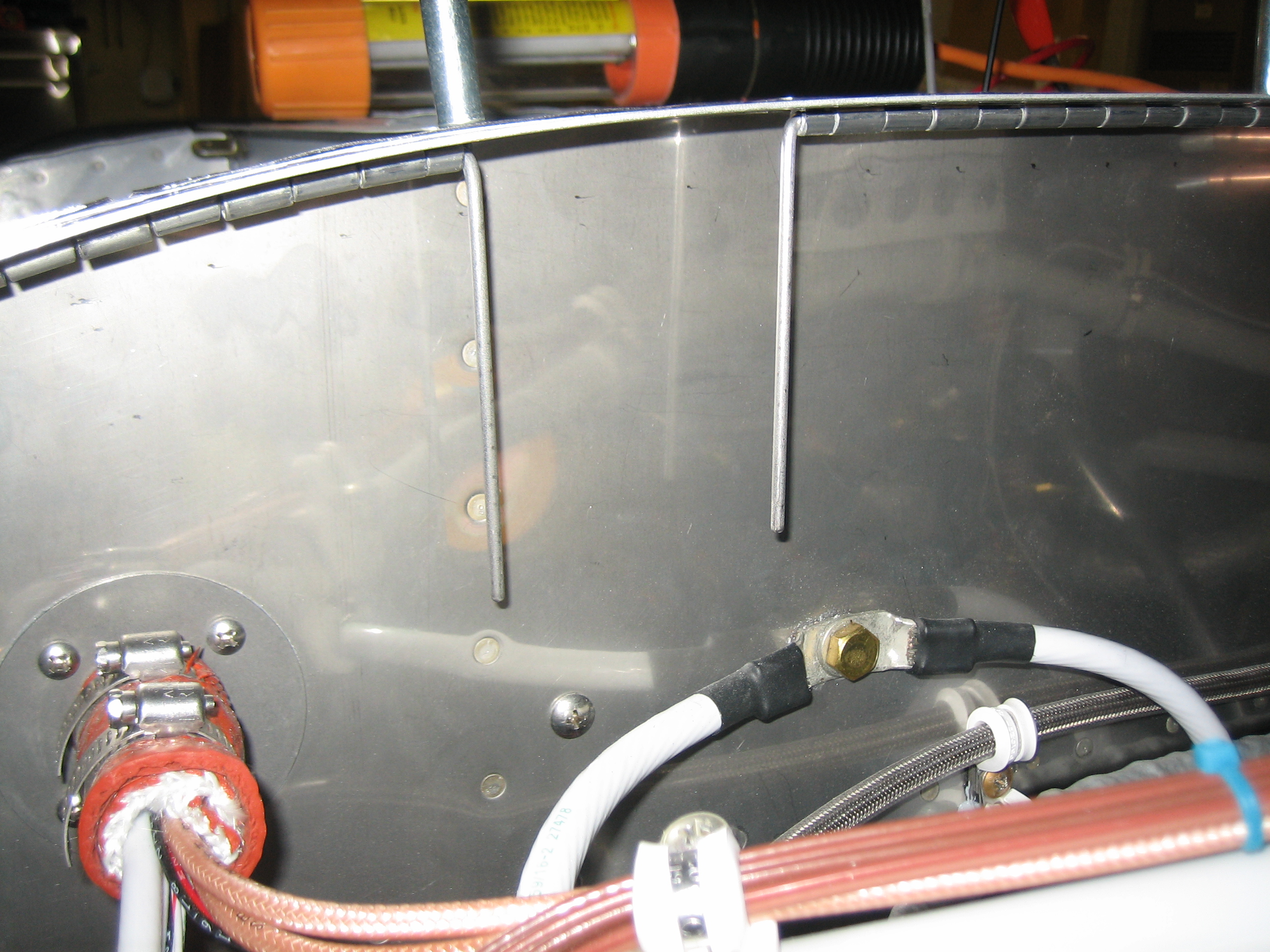
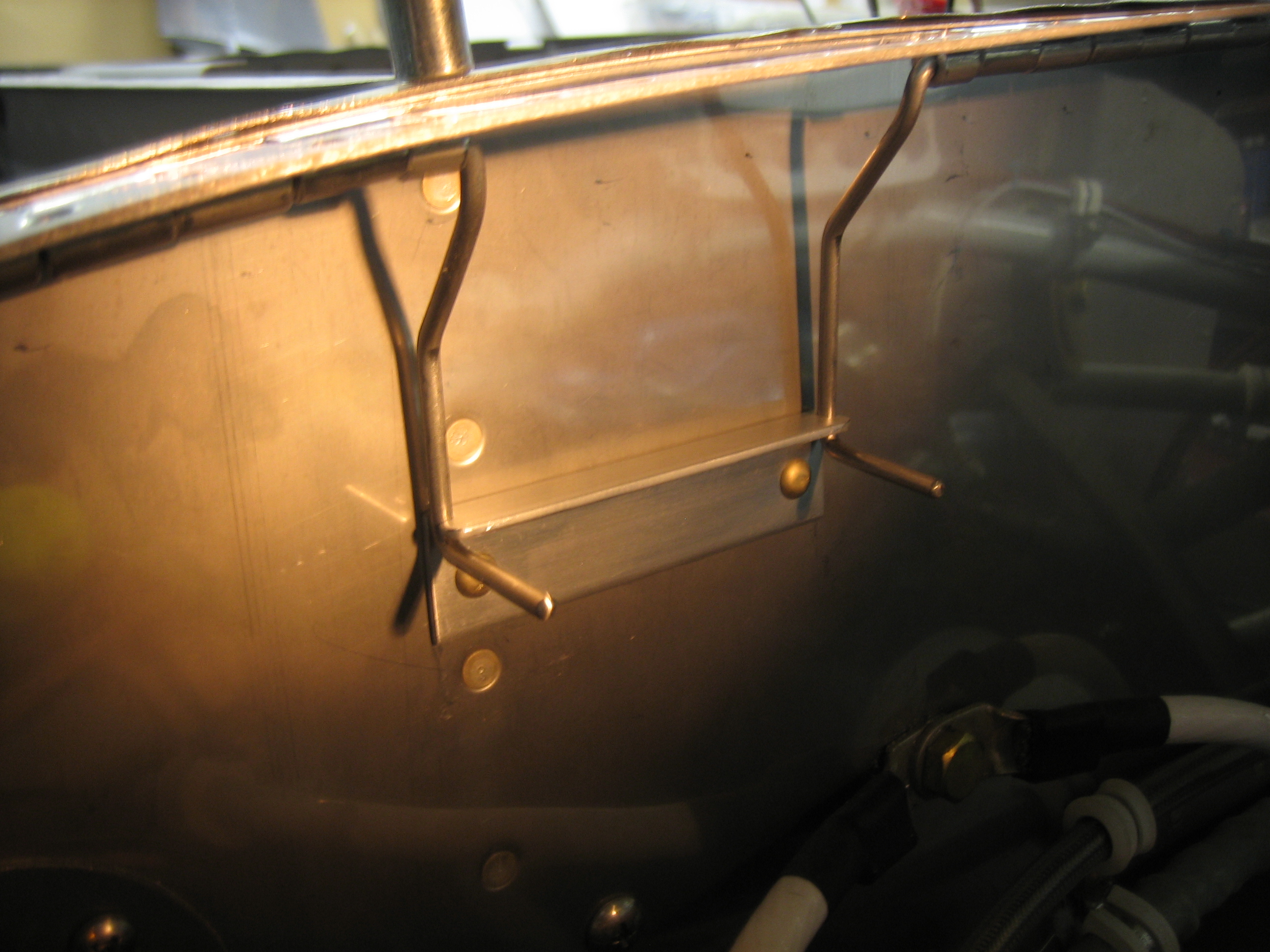
Up until now, I’ve been using some 0.120″ aluminum hinge pins to keep the hinge halves aligned during the cowl fitting process, but these have to be replaced with stainless steel to provide the necessary strength when flying.  Van’s recommends using 0.090″ stainless steel pins to make it easier to insert them because of the tight curvature, but other builders have complained that this makes for a sloppy fit and that you can make the 0.120″ stainless steel pins work if you bend them right.  I cut some hinge pin stock to length and spent 30 minutes or so getting the curvature right so that it essentially follows the curvature of the firewall without any force on it.  I then sharpened the end of the pin so that is won’t get hung up on the edges of any eyelets.  After putting the bends in the ends of the pins as shown here, it was pretty easy to slide them in and out.  I need to fabricate a little clip on the firewall to retain them and keep them from sliding out in flight, but that should be pretty straight forward.

Diagnosing Servo Wiring Issue

Since upgrading to SkyView 4.0, the SkyView system can’t see my pitch servo.  4.0 added support for the secondary bus, and a number of people have seen errors after upgrading due to wiring errors.  Although I wasn’t seeing any alerts about wiring errors, members of the Dynon forums suggested I double check the wiring anyway.  I spent a couple of hours tonight checking continuity between all the wires and verifying the servos had a good power and ground connection.  All my wiring looks good, so I’m not sure what the problem is yet.

Fabricated Upper Cowl Firewall Hinge Pin Retainer

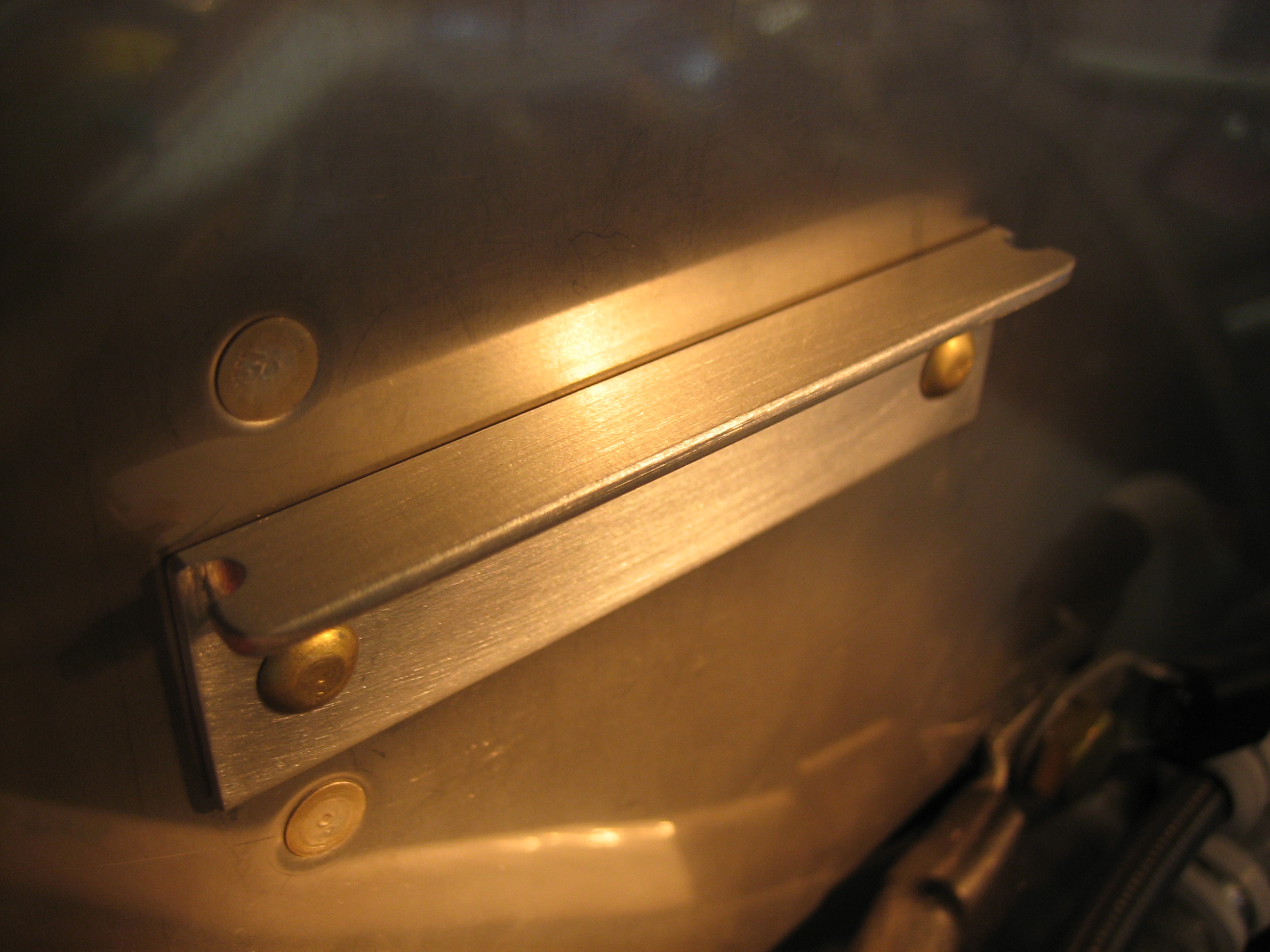
I spent a little more time tonight trying to diagnose the servo issue without any luck.  I put that aside and decided to fabricate a clip to keep the upper cowl to firewall hinge pins from sliding out.  It’s just a simple piece of 1/16″ angle with one leg cut down and some notches filed in each end.

The hinge pins need a few bends to make them run parallel to the firewall and to provide a handle to use to pop these pins in and out of the retaining clip.

Riveted Top Cowl Hinge

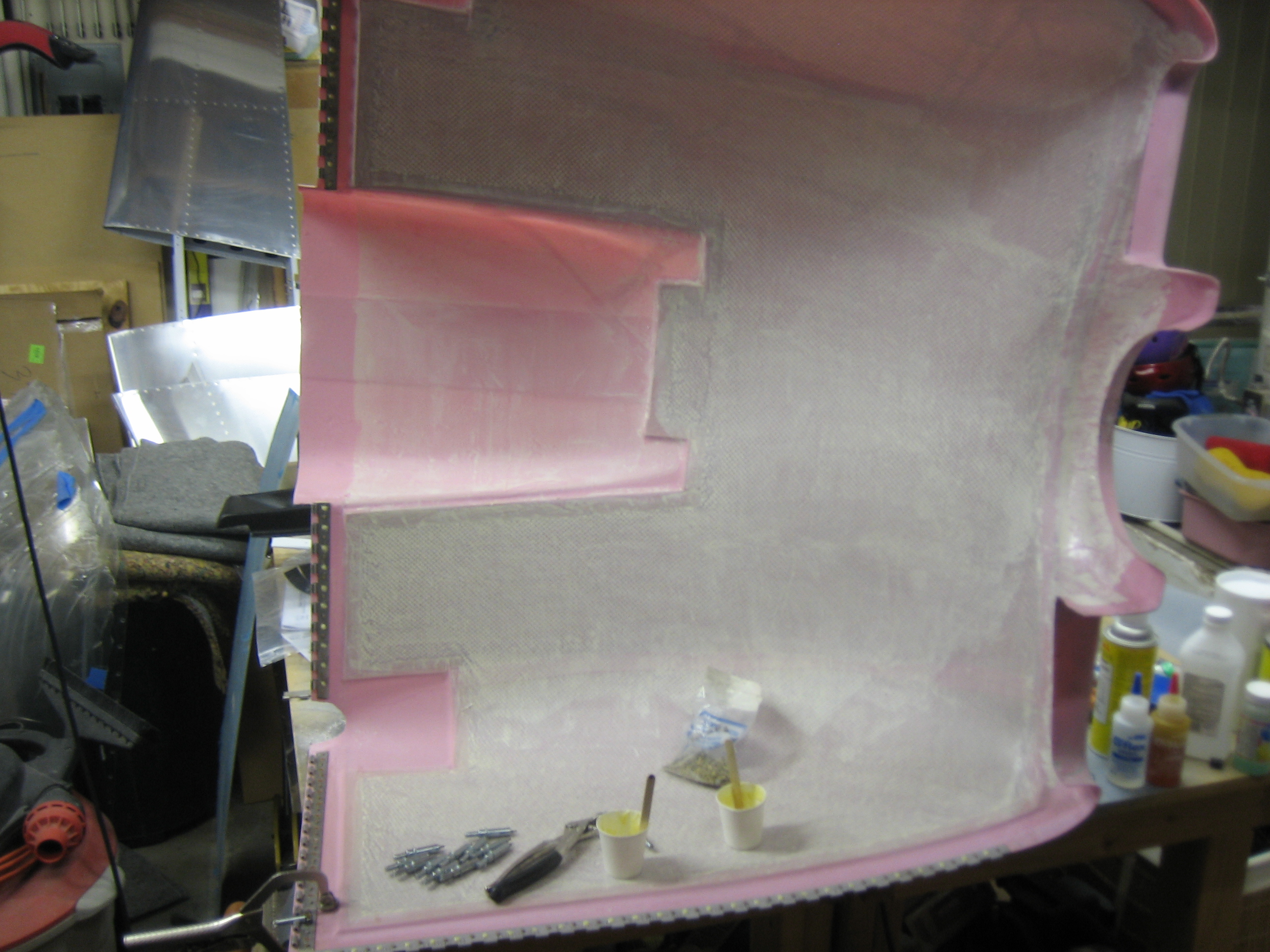
Now that the upper cowl hinge pin retaining clip is finished, I can go ahead and rivet the hinge to the cowl.  I mixed up some epoxy and flox and riveted the hinge on.  It ends up taking way more time to clean up all the excess epoxy after doing this than the actual riveting.  Any excess epoxy in between the eyelets will prevent the two hinge halves from nesting together, so it’s important to get it all out before the epoxy cures or I’ll have to grind it out later.

Fabricated Firewall Side Hinge Pin Retainers

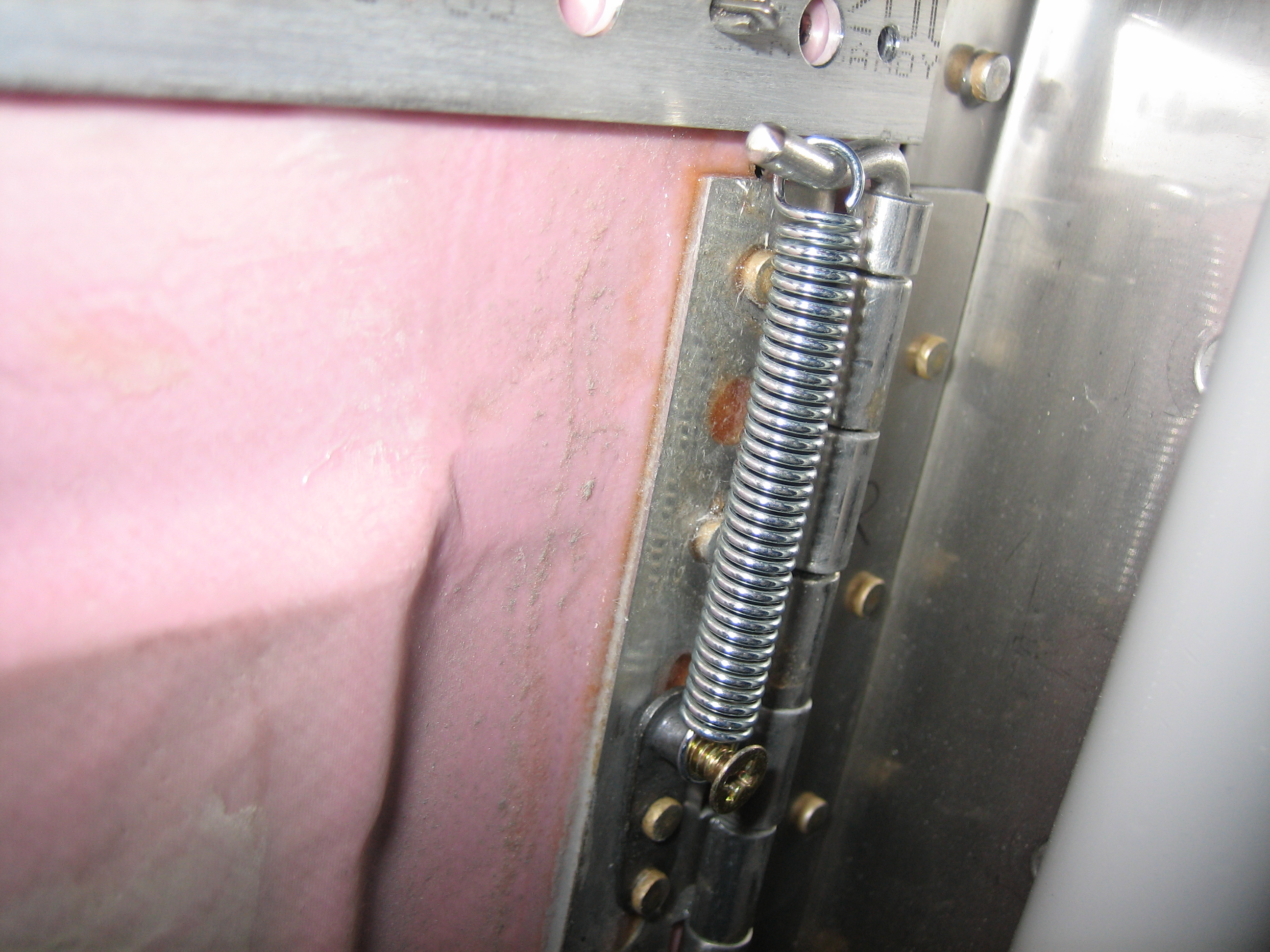
I’ve been mulling over how to retain the hinge pin for the vertical hinges that hold the lower cowl to the firewall.  I wanted something that is very secure, but easy to remove without tools.  After some fiddling around, I stumbled on a solution that I really like.  I mounted a K2000-06 nutplate part way down the hinge with a couple of AD rivets (I used AD instead of A for the extra strength).  I then bent the hinge pin so that there is a depression where the spring normally sits.  The spring doesn’t look like it’s stretched much, but this is a very stiff spring and requires a fairly good pull to get over the end of the hinge pin.  I ran an AN507 screw into the nutplate backward and just tighten it down against the hinge (there isn’t a hole there because I didn’t want the screw to show on the outside of the cowl).

I’m super happy with this.  It’s very light, easy to install and remove, but can’t possibly vibrate loose.  And if the spring ever breaks, it will be easy to replace.

Modified Canopy Lock and Installed One Cowling Hinge

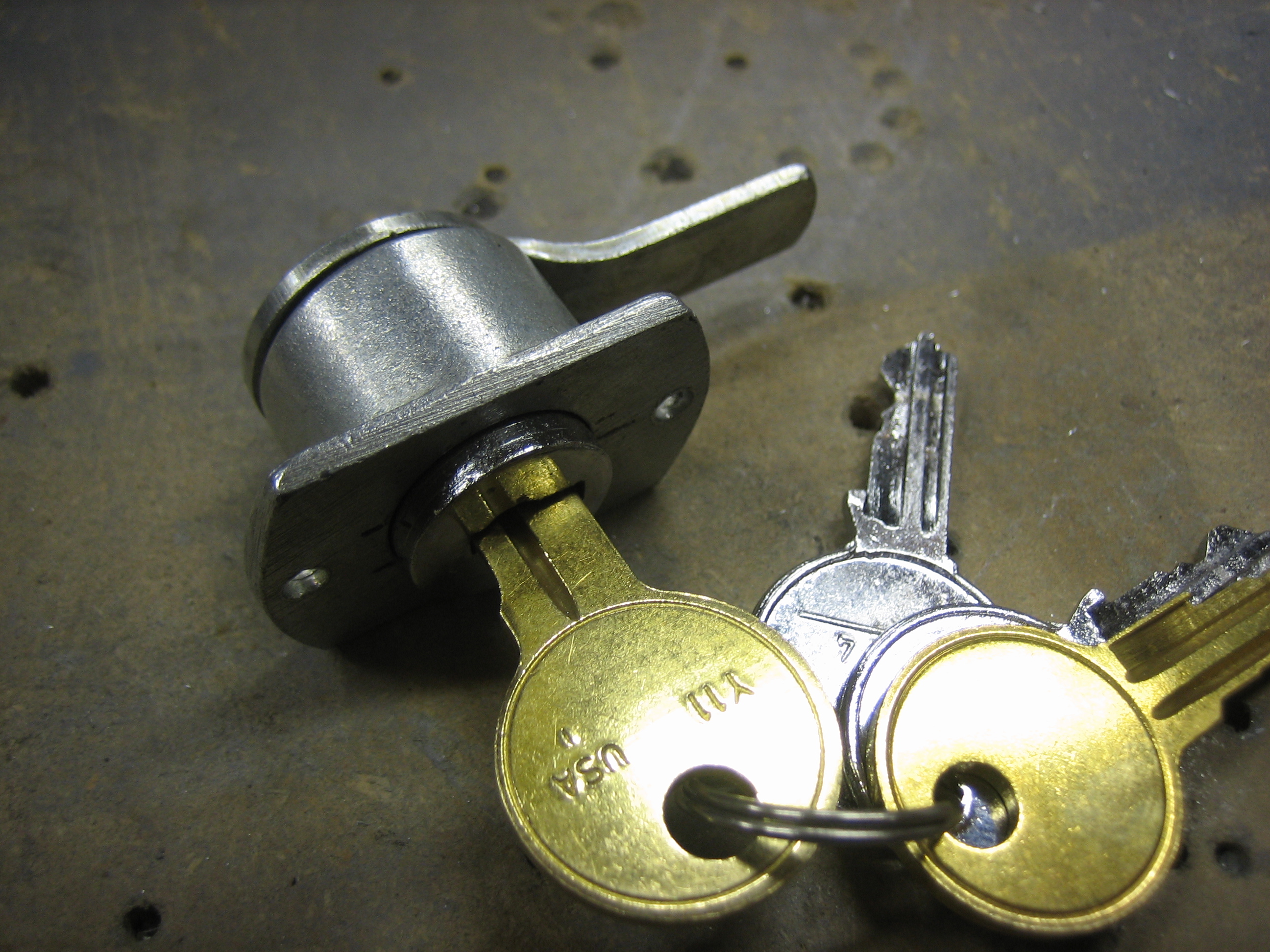
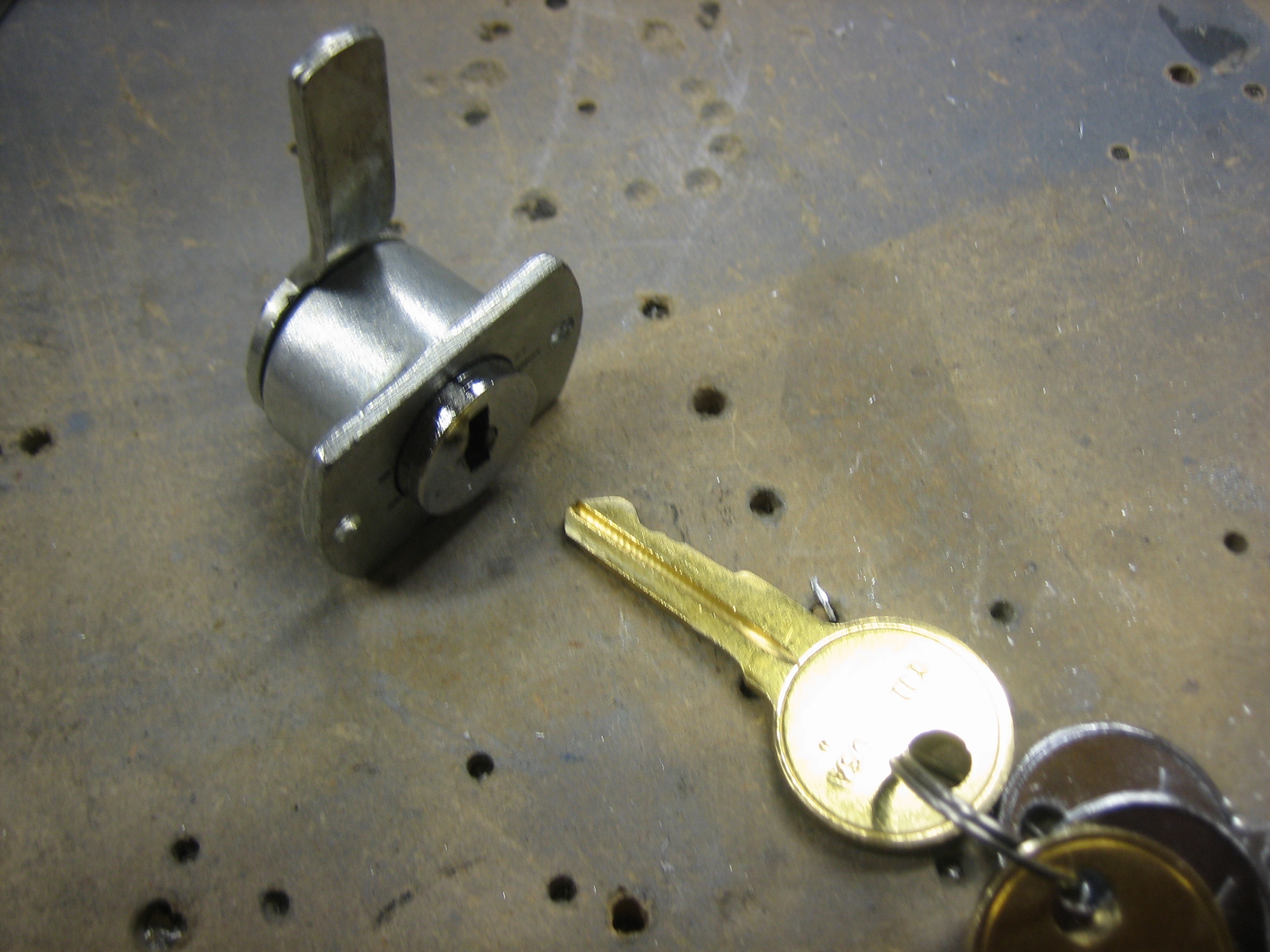
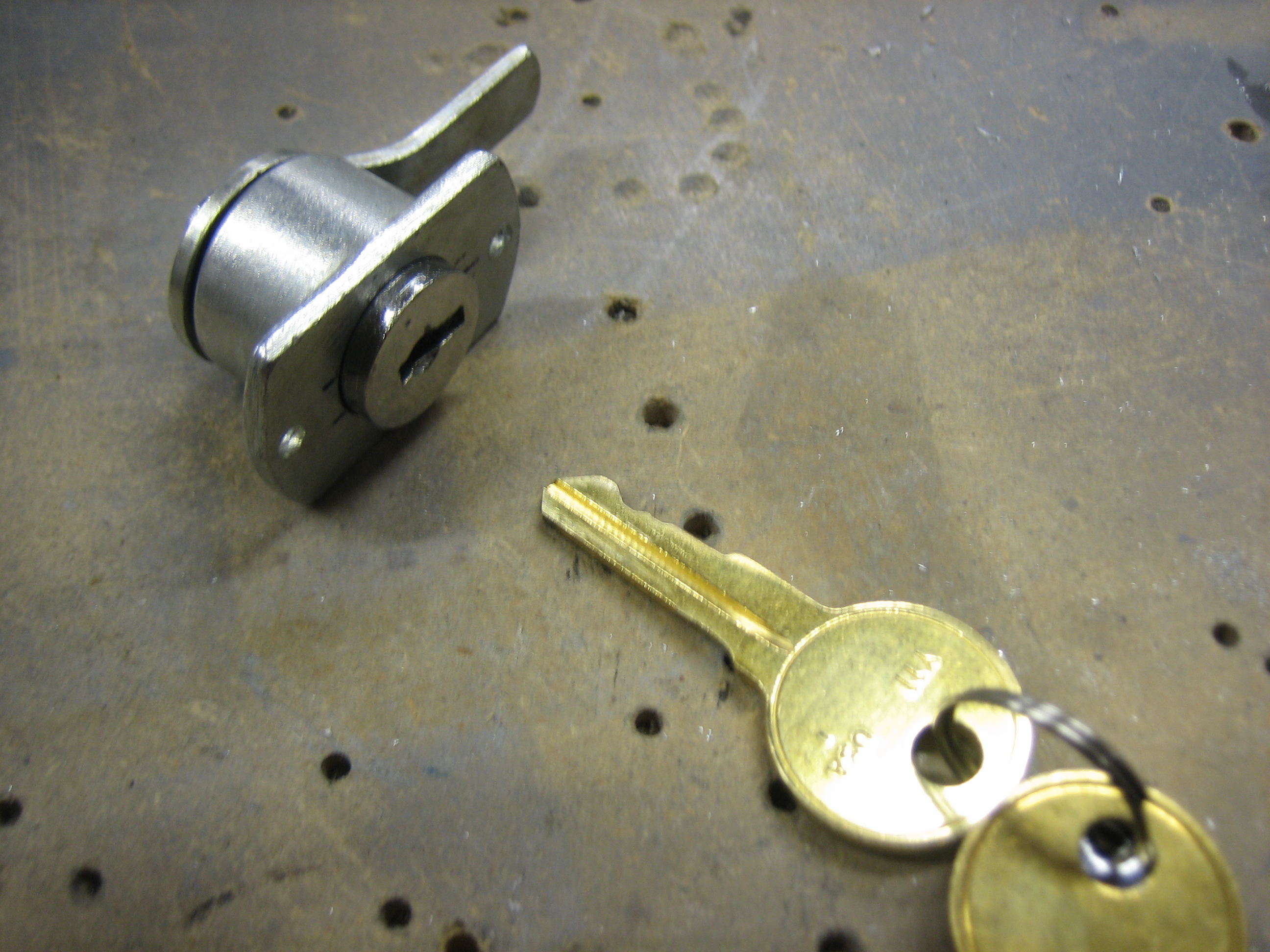
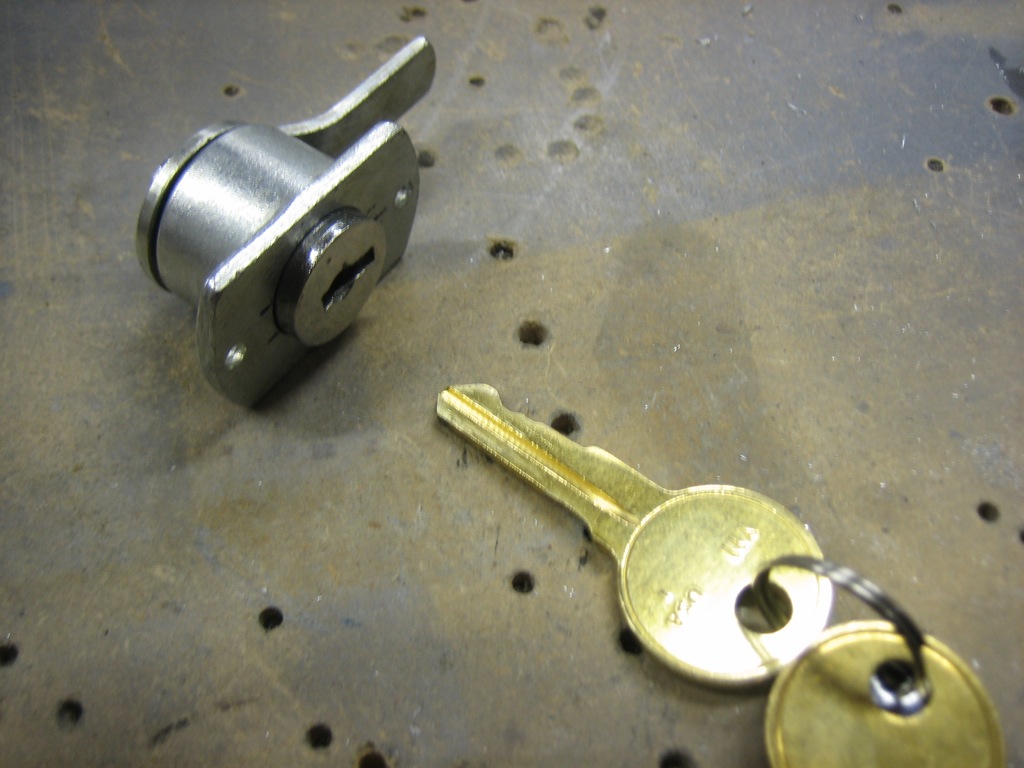
I found a great lock online that can be flush mounted against the side of the plane.  Most camlocks mount through the hole, but this can be mounted from behind so that it doesn’t protrude beyond the skin.  This is apparently the baggage compartment lock for a Lambretta/Scooters India Limited motor-scooter.  You can find them on eBay for about $5.
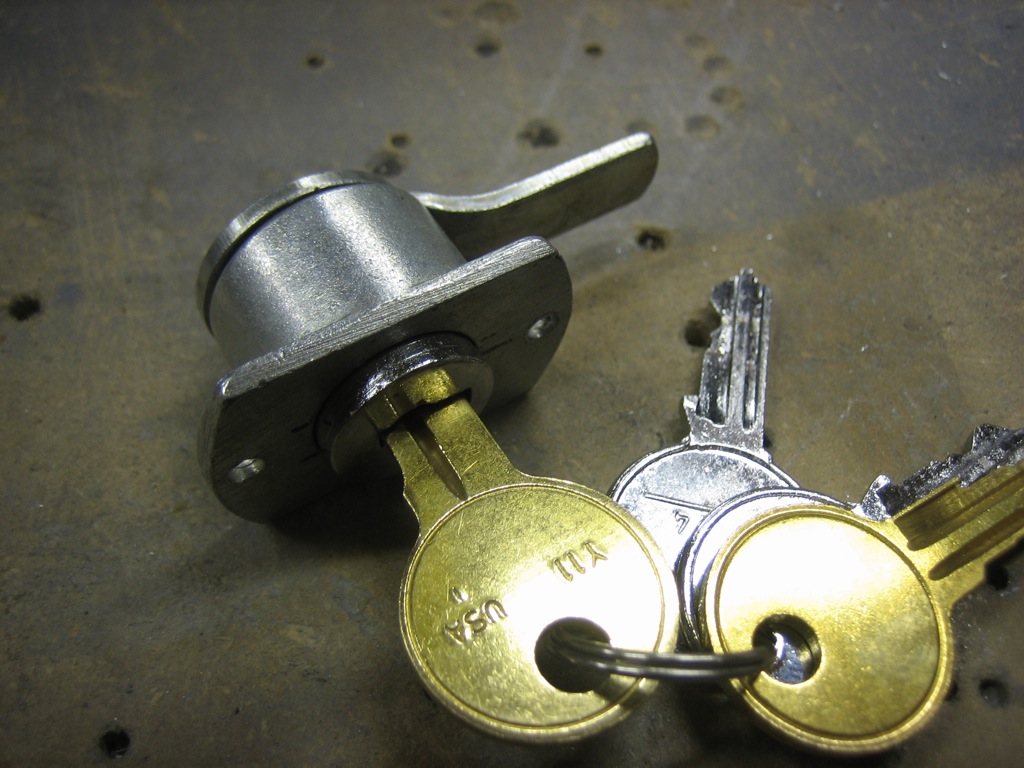
The problem is that the lock is designed so that the key will only come out in the locked position as seen here.  I didn’t realize this when I ordered the lock, but it obviously won’t work since I want to be able to unlock the plane and remove the key.
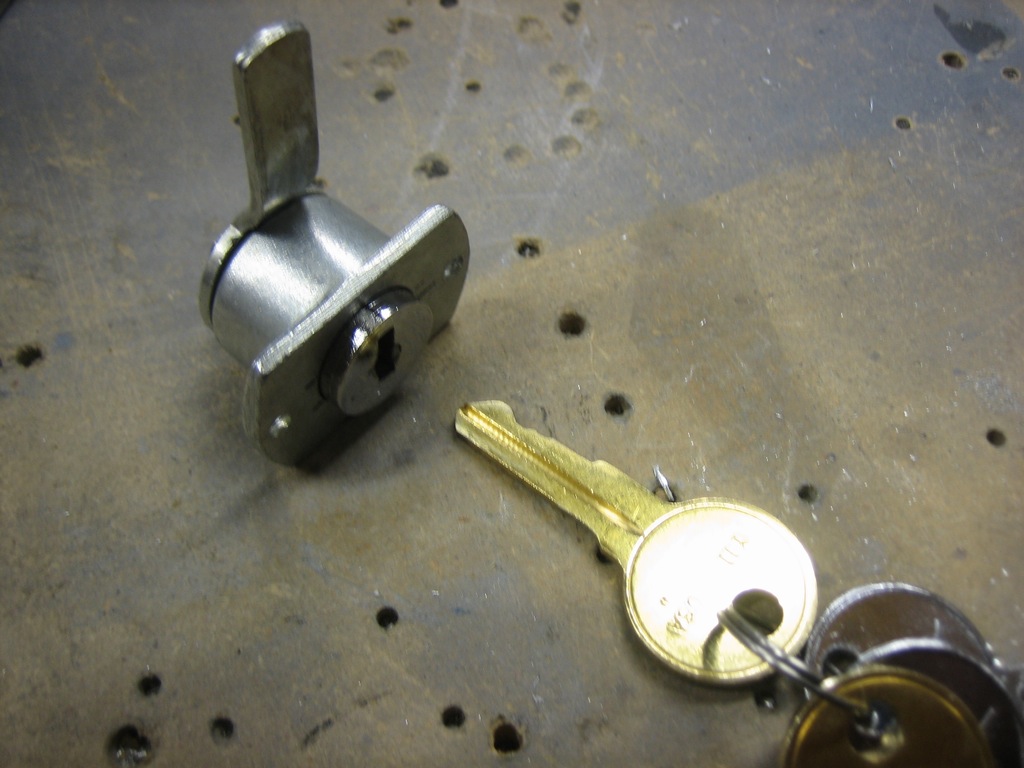
I disassembled the lock and modified it so that the key will also come out in this position.  This was easier than I thought and probably took no more than 15 minutes.
Afterward, I got started on the cowl again by riveting one of the side hinges on with epoxy/flox.  This was substantially easier than the other hinges because the eyelets protrude beyond the edge of the cowling.  This made it far easier to clean up the excess epoxy since it didn’t squeeze into the area between the eyelets.
Started Final Fitting of Cowling

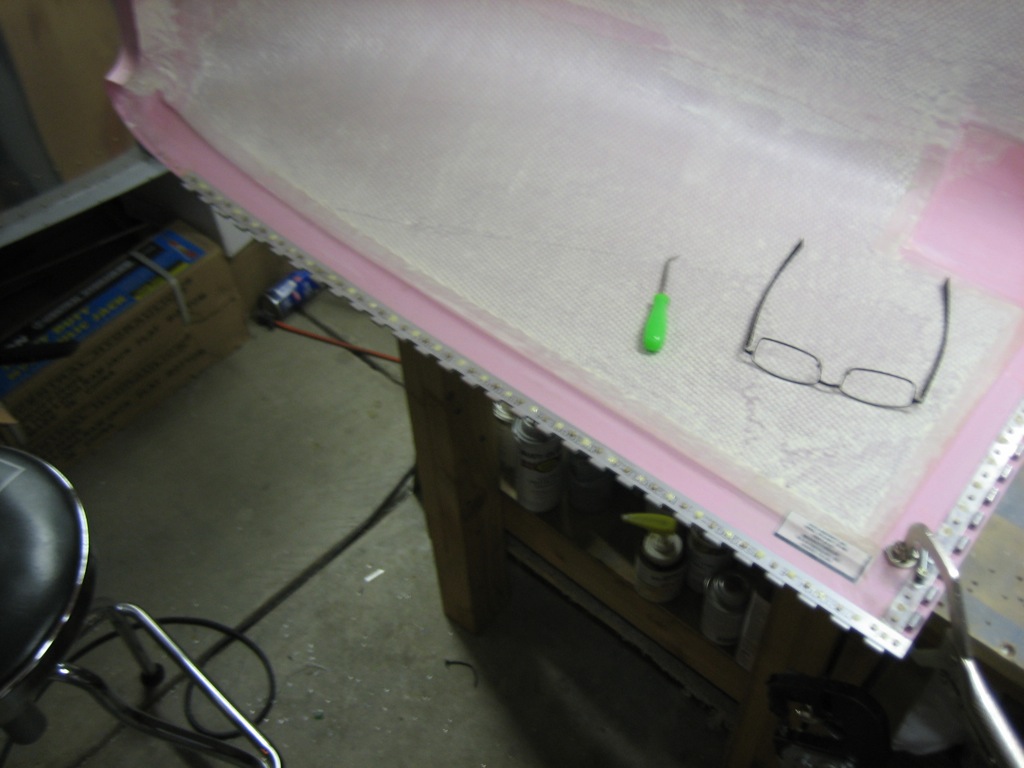
With all of the cowling hinges riveted, I started the final fitting of the cowl.  I installed all of the hinge pins and then started iteratively sanding the cowl edges to create a uniform gap between the edges to allow room for paint and to prevent the edges from rubbing against each other.  I got the side gaps nice and even, but still need to work on the cowl to firewall fit a bit.